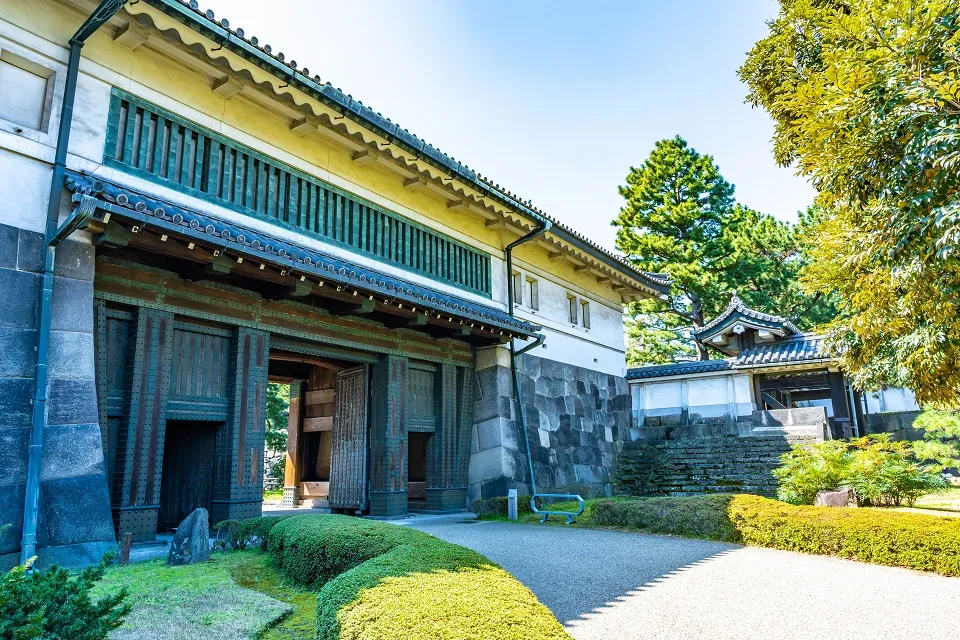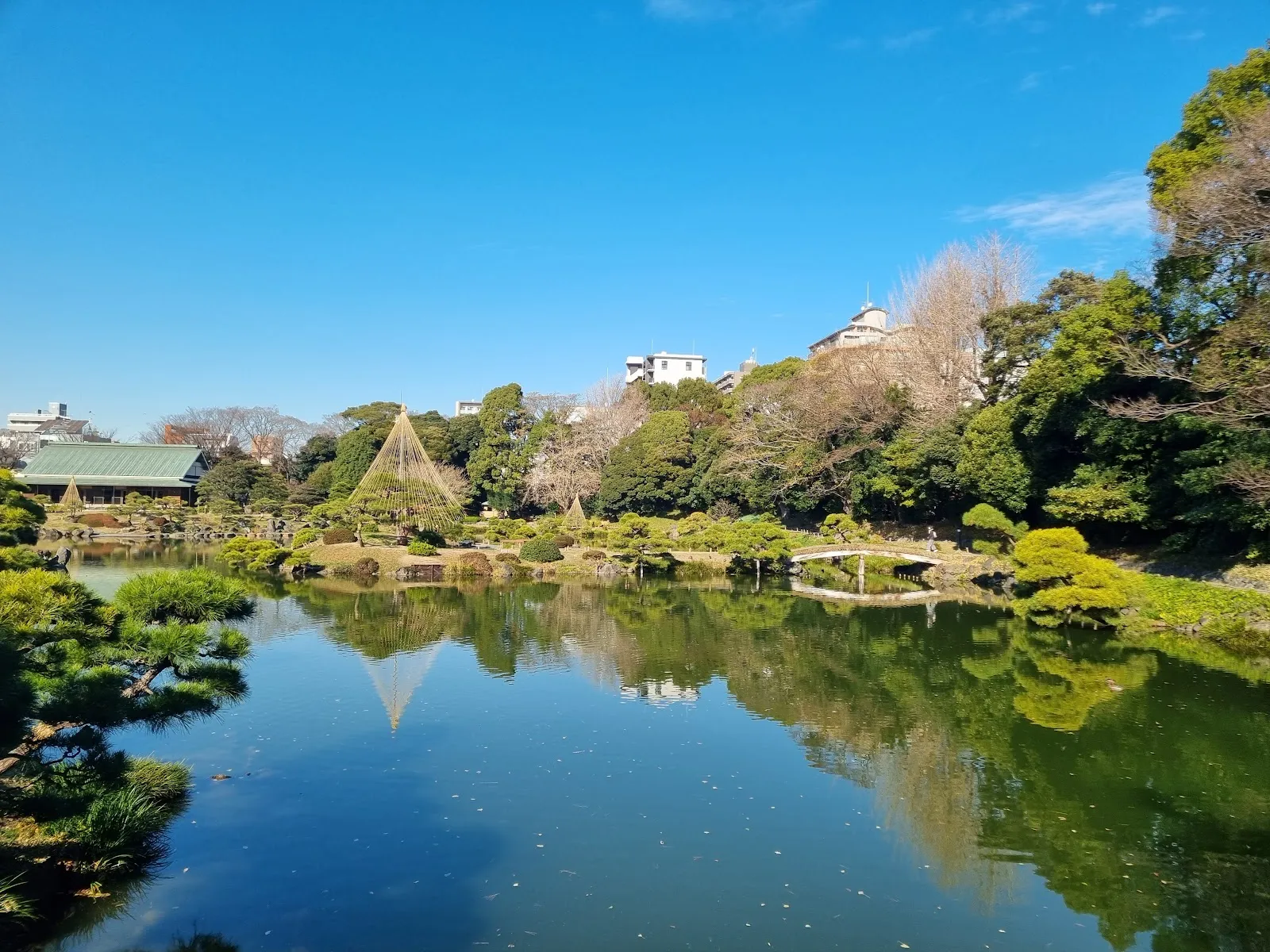
Kiyosumi Gardens is a traditional strolling garden in Koto City, Tokyo, arranged around a large pond and three small islands. Follow paths across bridges and stepping stones for changing views of the water, rocks and seasonal plants. The stones, collected from across Japan by Mitsubishi founder Iwasaki Yatarō, are a defining part of the design. Look for the pond-side Ryo-tei, watch for turtles and koi, and find the monument connected with poet Matsuo Bashō. It’s a calm stop for a garden walk away from Tokyo’s busier streets.
How the garden took shape
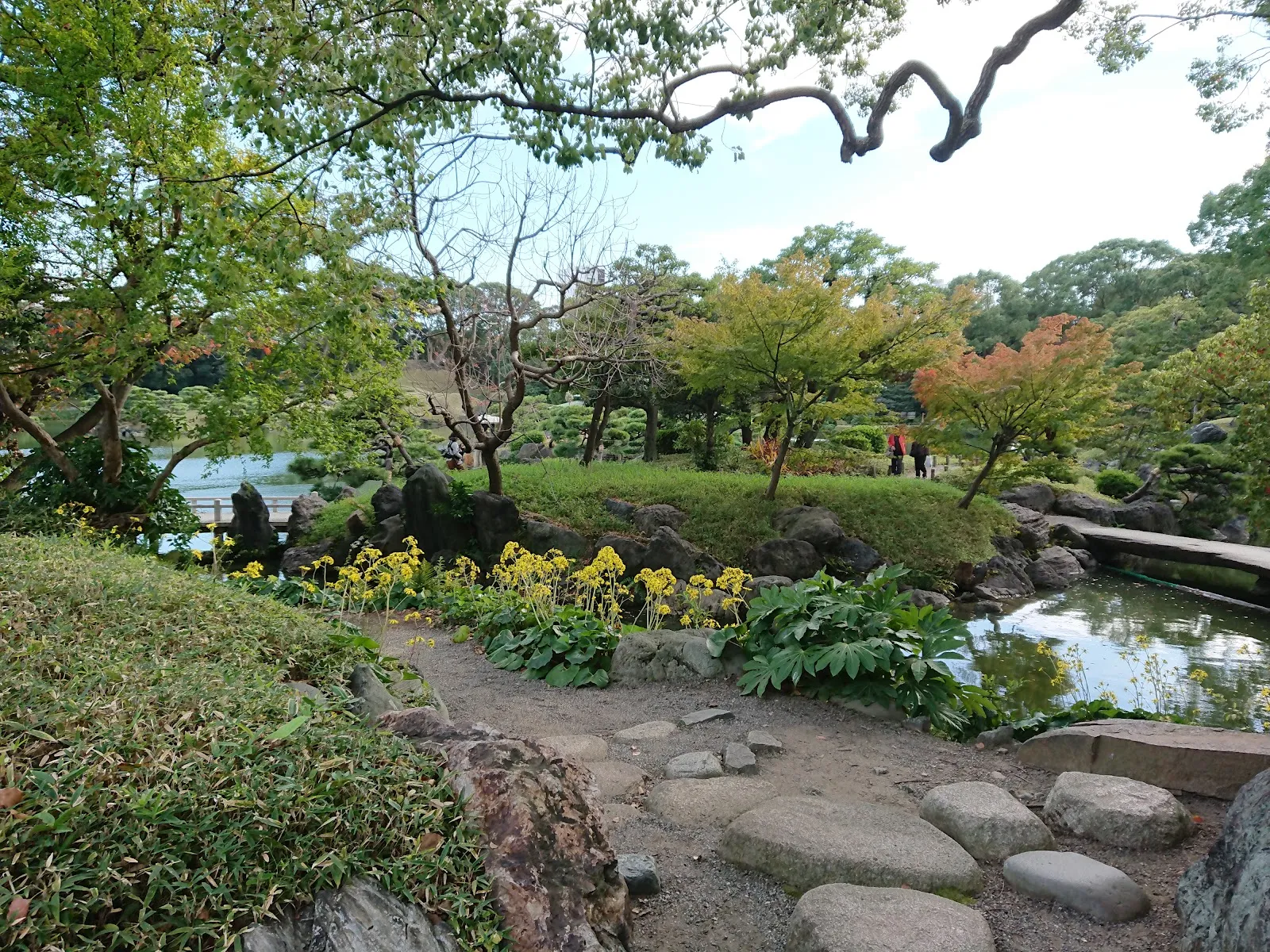
Kiyosumi Gardens was developed in the Meiji period by Iwasaki Yatarō, founder of Mitsubishi. In 1878, he bought a garden that had belonged to a feudal lord and set about reshaping it for entertaining guests and providing recreation for company employees. The design follows a strolling-garden layout, guiding visitors around a central pond rather than presenting one fixed view.
Iwasaki arranged stones brought from across Japan around the pond and its islands. Their positions are part of the composition, not simply decoration. The garden opened to the public in 1932. After the Great Kantō Earthquake of 1923, the property was donated to the city; the grounds had also served as an evacuation site during the disaster.
Paths, stones and water
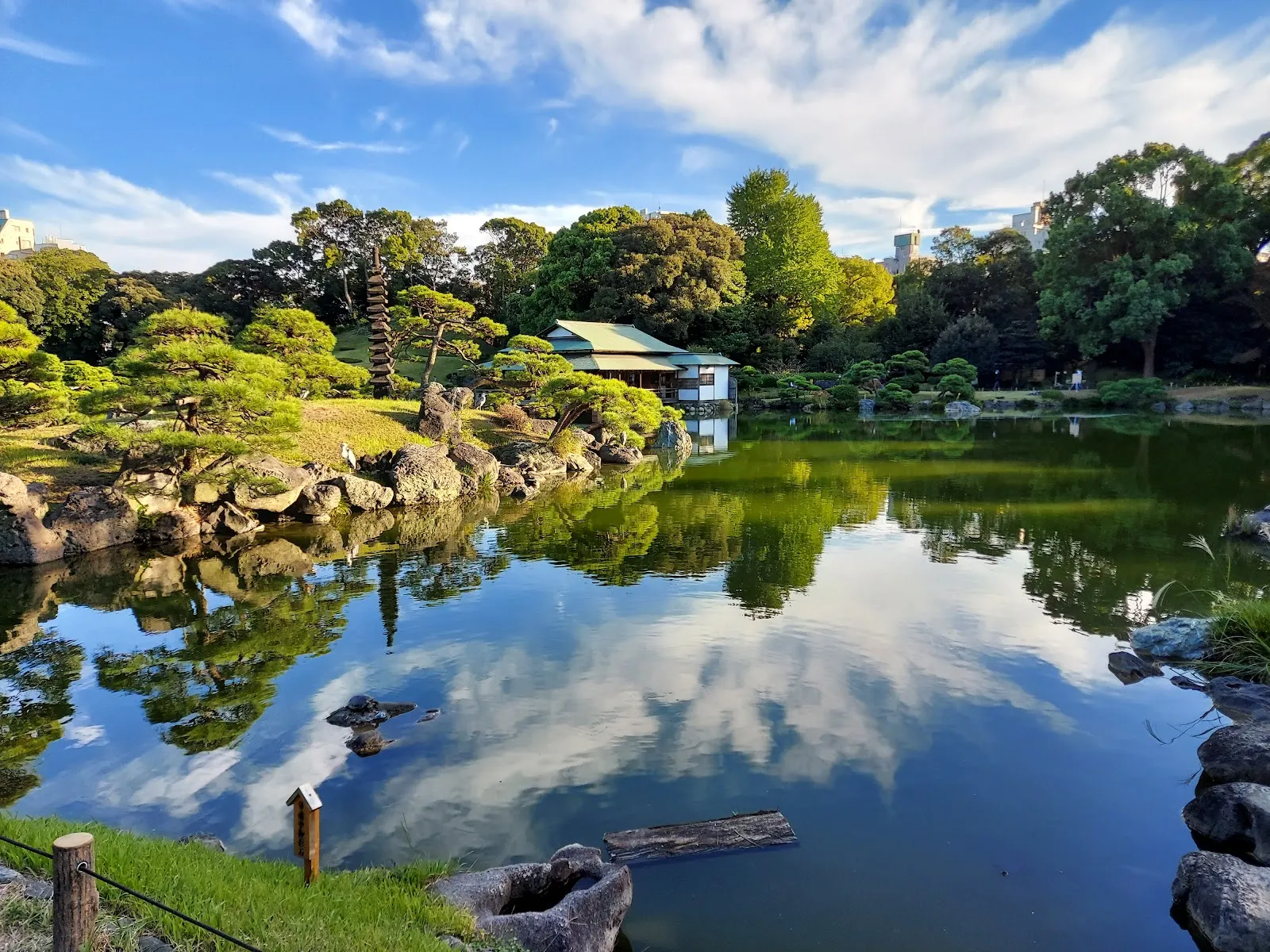
The pond is the garden’s central feature, with three small islands and a route that reveals different views as you walk. Some paths cross the water on stones known as isowatari. Take care on these sections: the stepping stones are uneven, and not every route is accessible to wheelchair users.
The collected stones vary in shape and size, and some form the walkways themselves. On wet days, water can leave the stones glistening. The pond is home to turtles and koi, and ducks and other birds can also be seen in the garden. Wildlife sightings vary, so the landscape remains the main reason to make the circuit.
Seasonal plants and garden buildings
Japanese black pines grow around the pond, alongside plants that change with the seasons. Hydrangeas are associated with summer, while peonies, camellias and plum blossoms appear in winter. The garden also has a small number of cherry trees.
Ryo-tei stands above the water and gives a view across the pond. Other features include traditional garden structures and a memorial hall connected with Emperor Taishō. A stone monument linked to poet Matsuo Bashō adds a literary point of interest. Leave time to notice these details as you follow the path, rather than treating the garden as only a circuit around the water.
Preguntas frecuentes
How much does Kiyosumi Gardens cost?
The listed adult admission is ¥150. Check the official website for current ticket details.
How long do you need at Kiyosumi Gardens?
Allow around 30 to 60 minutes for a garden walk and time by the pond.
What can you see at Kiyosumi Gardens?
The garden has a large pond, three small islands, stepping-stone paths, collected landscape stones, seasonal plants and the pond-side Ryo-tei. Turtles, koi, ducks and other birds may be seen.
Is Kiyosumi Gardens wheelchair accessible?
Some paths use uneven stepping stones and are not wheelchair accessible. These sections require steady mobility.