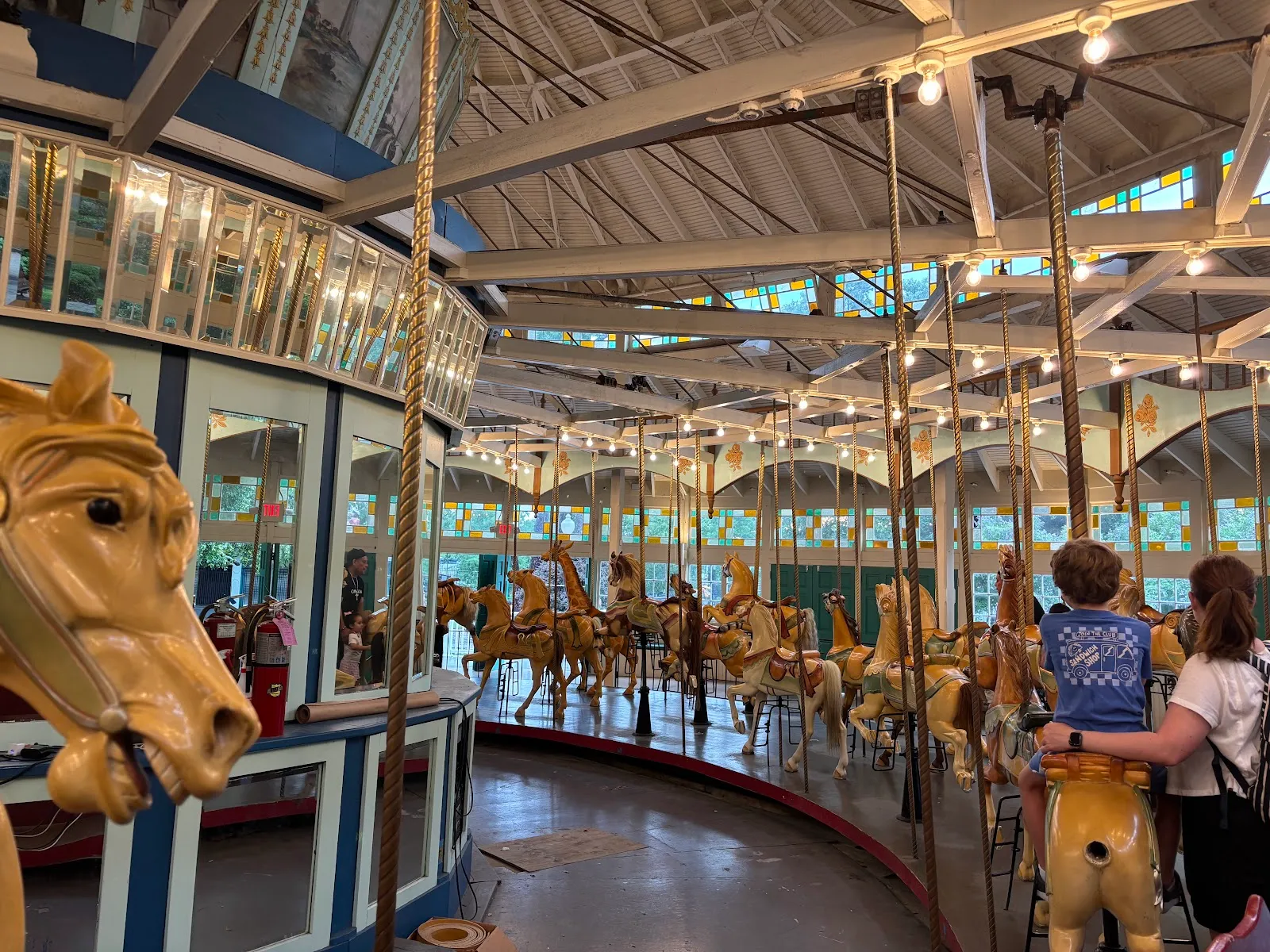
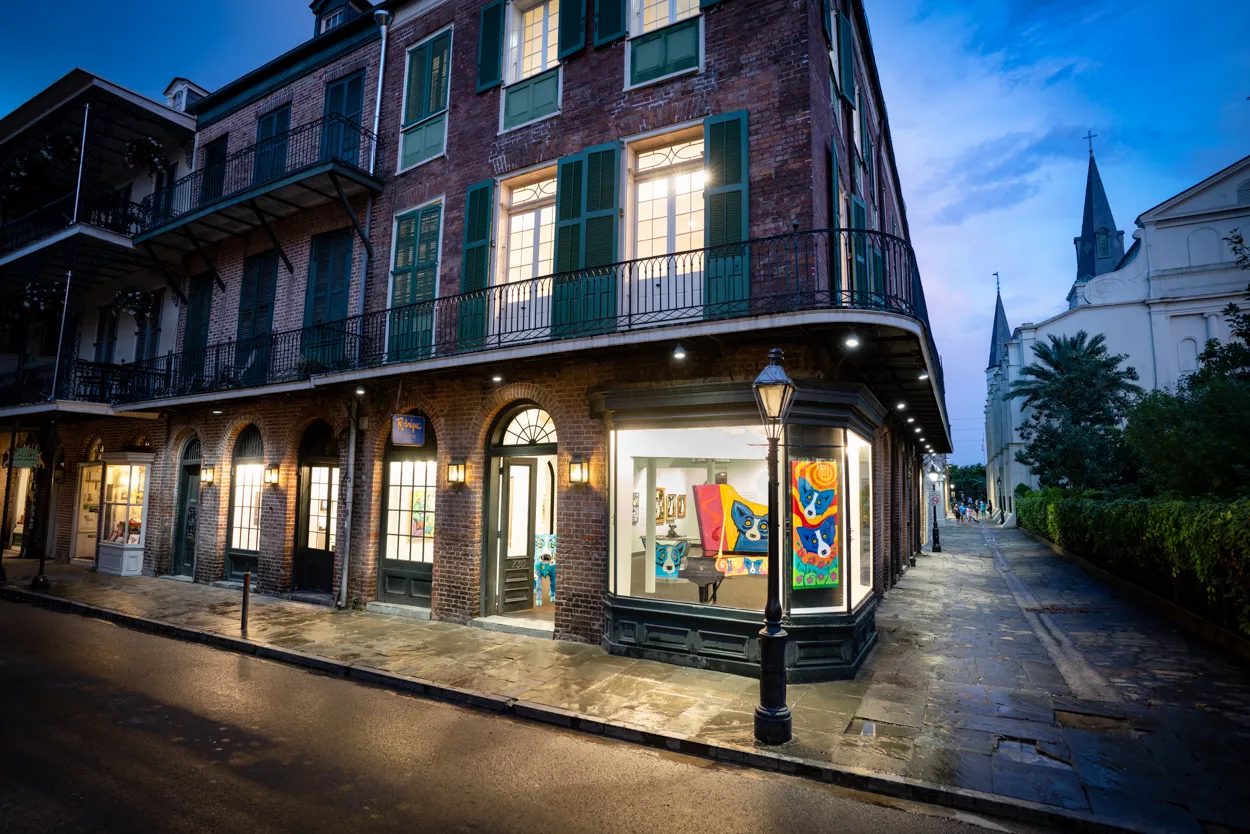
Audubon Park is a large green space in Uptown New Orleans, stretching from St. Charles Avenue across Magazine Street toward the Mississippi River. Its live oaks, Spanish moss, lagoons and broad paths give you room to walk, cycle, picnic or watch birds. Look for the Tree of Life, a notably old oak, and Bird Island, a rookery in a lagoon. The park also has playgrounds, sports facilities and a golf course, with Audubon Zoo nearby. It’s a good change of pace from the city’s busier sights.
A park between St. Charles Avenue and the river
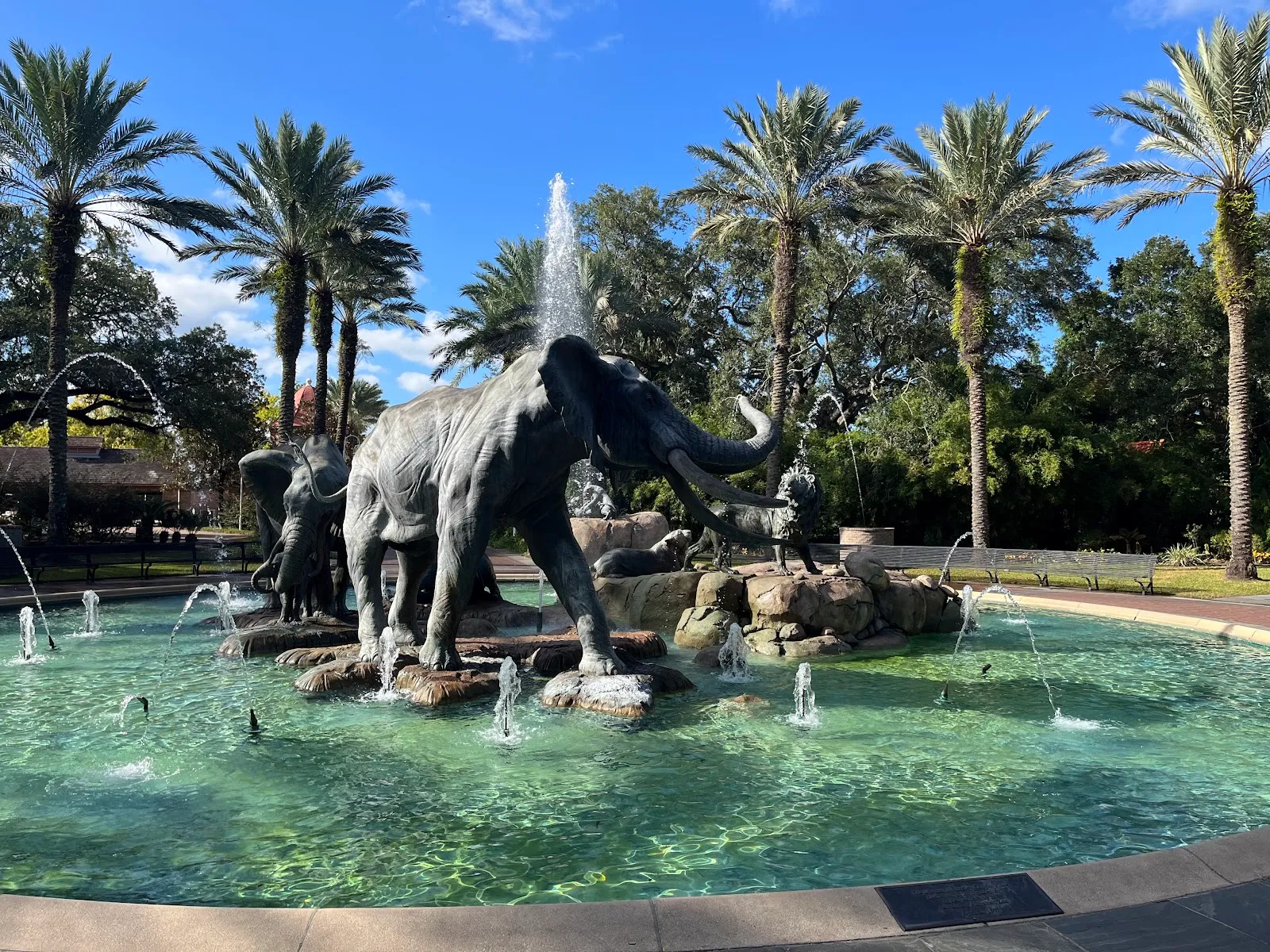
Audubon Park runs through Uptown New Orleans, from St. Charles Avenue across Magazine Street toward the Mississippi River. It occupies the former grounds of the de Boré plantation and was designed by John Charles Olmsted. The park’s setting gives you a reason to explore this part of the city beyond the main tourist districts.
The grounds include lawns, mature trees, lagoons and paths. The live oaks are among the park’s defining sights, with Spanish moss hanging from their branches. The Tree of Life, also known as the Étienne de Boré Oak, is a particularly old oak and a familiar landmark within the park.
Paths, lagoons and places to pause
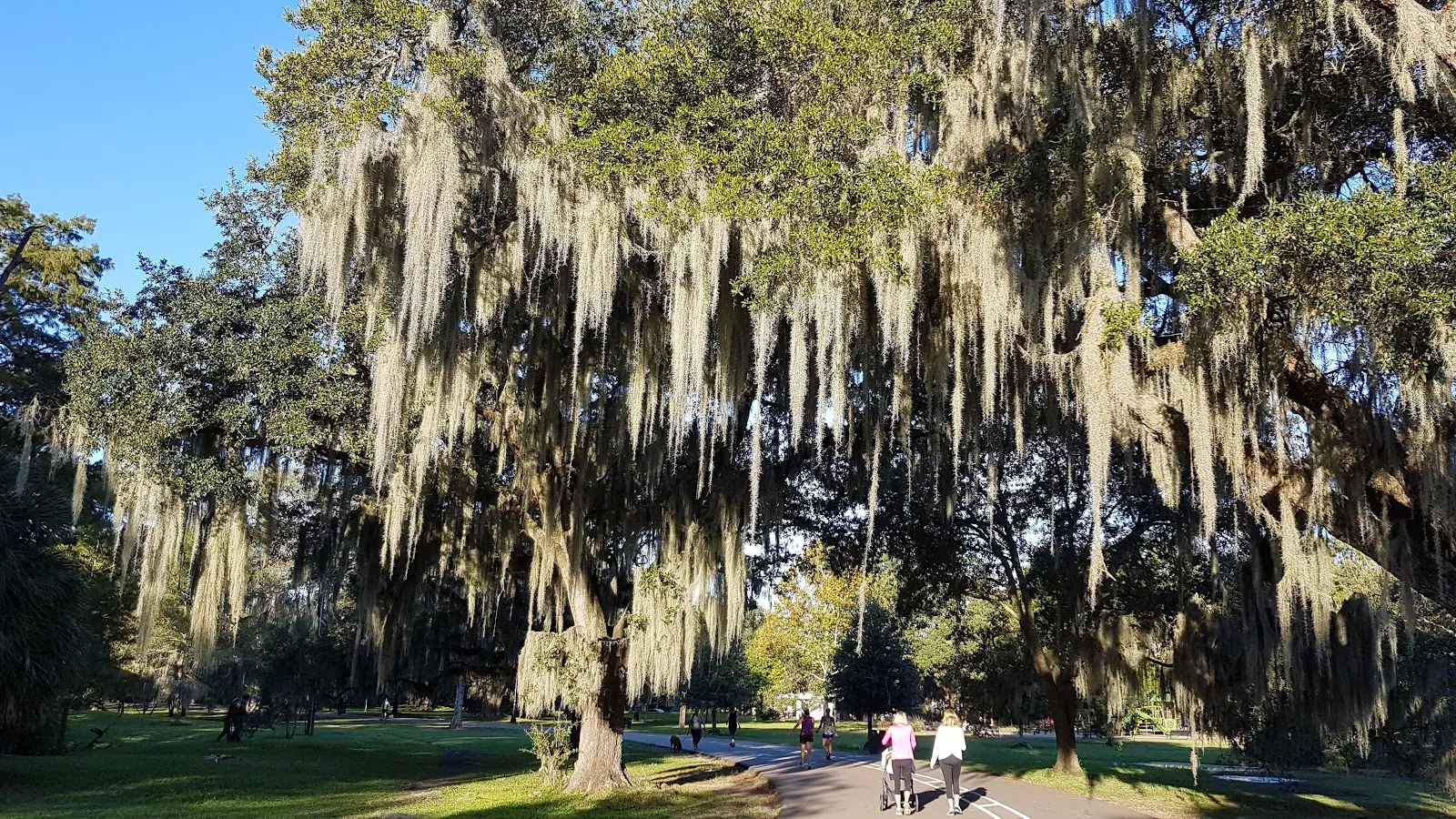
A paved loop of about 1.8 miles circles the park and works for walking, running or cycling. Smaller dirt paths branch away from it, so you can trade the main route for a quieter wander. Keep an eye out for the lagoons, where native birds gather. Bird Island, set in one of the lagoons, serves as a rookery and a stopping place for migratory birds; herons, egrets, cormorants and anhingas are among the species found here.
The Fly is the park’s riverfront area, with views across the Mississippi toward the West Bank. It’s a natural place to pause with a picnic. Elsewhere, you’ll find playgrounds, picnic areas and sports facilities, including tennis courts and fields. A fountain and a labyrinth are also among the park’s quieter spots.
Golf, the zoo and getting around
Audubon Park Golf Course is on the grounds. The course was designed by Denis Griffiths, and a six-foot iron-ore boulder from Alabama’s exhibit at the 1898 World’s Fair remains beside one of its fairways. The park also has horse stables and a swimming pool.
Audubon Zoo sits within the park, near the river. Its Louisiana Swamp exhibit includes black bears, and the zoo’s paths and boardwalks pass through landscaped animal habitats. The zoo is a separate attraction, so allow extra time if you plan to visit it as well as the park.
The St. Charles Avenue streetcar is a useful way to reach Uptown and the park. Tulane and Loyola universities are nearby, across from the park’s St. Charles Avenue side. If you’re driving or cycling, take care at the short cross streets, where cars may turn across the route.
Perguntas frequentes
How long does it take to walk around Audubon Park?
The paved loop is about 1.8 miles. Allow around an hour for the loop, or longer if you stop at the lagoons, Tree of Life or The Fly.
Is Audubon Park free to visit?
The park is a public green space. The input does not specify fees for activities or attractions within it.
Can you take the streetcar to Audubon Park?
Yes. The St. Charles Avenue streetcar runs through Uptown and provides access to the park.
What can you see at Audubon Park?
The park has live oaks, lagoons, paths and Bird Island, a rookery. Audubon Zoo is also within the park.