On Cannery Row in Monterey, the Monterey Bay Aquarium brings the nearby Pacific into view through a living kelp forest, open-ocean tanks, touch pools and habitats for sea otters, sharks and jellyfish. Set in a former sardine cannery at the water’s edge, it pairs marine exhibits with a focus on ocean conservation and animal care. Allow time to explore its multiple levels and outdoor viewing areas. Families can make use of accessible routes and a nursing room; buying tickets ahead is recommended.
A former cannery on Cannery Row
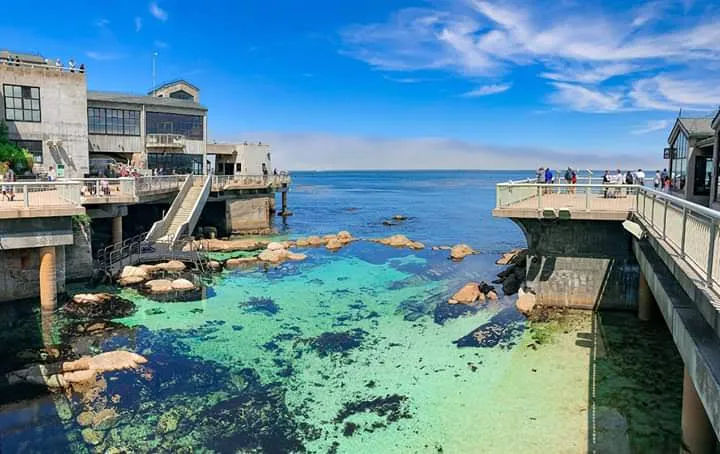
The aquarium opened in 1984 in a building that once housed the Hovden Cannery, part of Cannery Row’s sardine-processing era. The entrance hall includes an exhibit about the region’s history, giving visitors a glimpse of the industrial past behind the present-day marine displays.
The building stands beside Monterey Bay, and some exhibits look out toward the water. Outdoor decks provide views of the bay and the marine life in the protected Monterey Bay National Marine Sanctuary.
Kelp forest and open sea
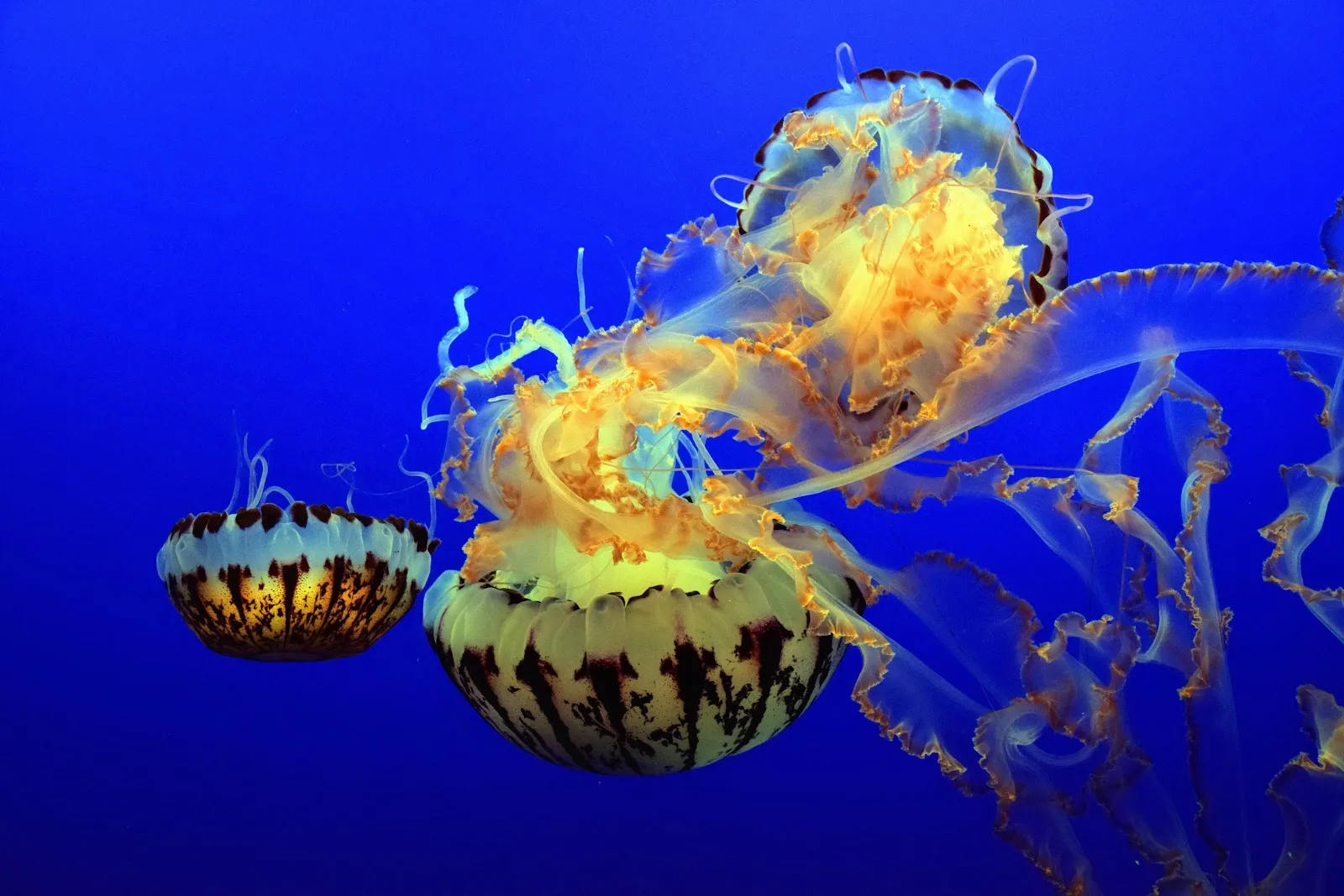
The living kelp forest is one of the aquarium’s signature habitats. Its tall tank recreates a coastal underwater environment, with leopard sharks, stingrays and other fish moving through the kelp. A circular sardine tank lets you watch schools of fish swim around you, while the jellyfish displays use lighting to bring out their translucent shapes.
The Open Sea exhibit gathers animals from the eastern Pacific, including sharks, sea turtles, sardines and other fish. Its broad viewing window gives you room to watch the animals move through the tank. Other exhibits include a giant Pacific octopus and penguins, alongside smaller marine creatures and interactive displays.
Sea otters and conservation
Sea otters are among the aquarium’s best-known residents. Their habitats let you observe them both above and below the water. The aquarium also helps care for rescued otter pups, with surrogate mothers supporting their rehabilitation before they can return to the wild.
Conservation and education run through the exhibits and programs. Displays explain marine habitats and the species that live in Monterey Bay, while staff and volunteers can answer questions about the animals and their care. The aquarium’s work includes efforts to protect ocean life and support sea otter recovery.
Making your visit work
The aquarium is large, with several levels and outdoor areas, so it helps to leave time to explore at your own pace. Touch pools offer a hands-on stop, while viewing areas give you a chance to sit and watch the animals. Check the aquarium’s current information for details of talks and feeding times, as schedules can guide which galleries you visit first.
Families have access to a nursing room, changing tables and wheelchair-accessible routes, entrances and restrooms. There is a café and marketplace inside, but bringing your own lunch can help keep costs down. Advance tickets are recommended, and arriving early can make it easier to see the exhibits before the busiest periods.
Perguntas frequentes
How long should you spend at Monterey Bay Aquarium?
Plan on about 2 to 5 hours. The aquarium has multiple levels, outdoor areas and interactive exhibits to explore.
Should you buy tickets in advance?
Yes. The aquarium recommends getting tickets ahead, particularly for busy weekends and holidays.
Is Monterey Bay Aquarium suitable for children?
Yes. It has family-friendly exhibits, touch pools, a nursing room and accessible routes. Children can see sea otters, sharks, jellyfish and other marine life.
Is there parking near Monterey Bay Aquarium?
Paid parking lots and garages are available, along with paid and free street parking. Parking can be difficult to find when Cannery Row is busy.