
Shell Cemetery, also called Susan Hoi, is a fossil site near Ao Nang in Krabi. Its shore holds broad slabs of rock packed with fossilized gastropod shells, formed when the area was a shallow sea around 75 million years ago. Three zones let you look closely at the fossil beds, and a cliffside sea view adds a scenic stop to the visit. Go at low tide, when more of the formations are visible. This is a geology site, not a place for swimming or a beach day.
How the fossil beds formed
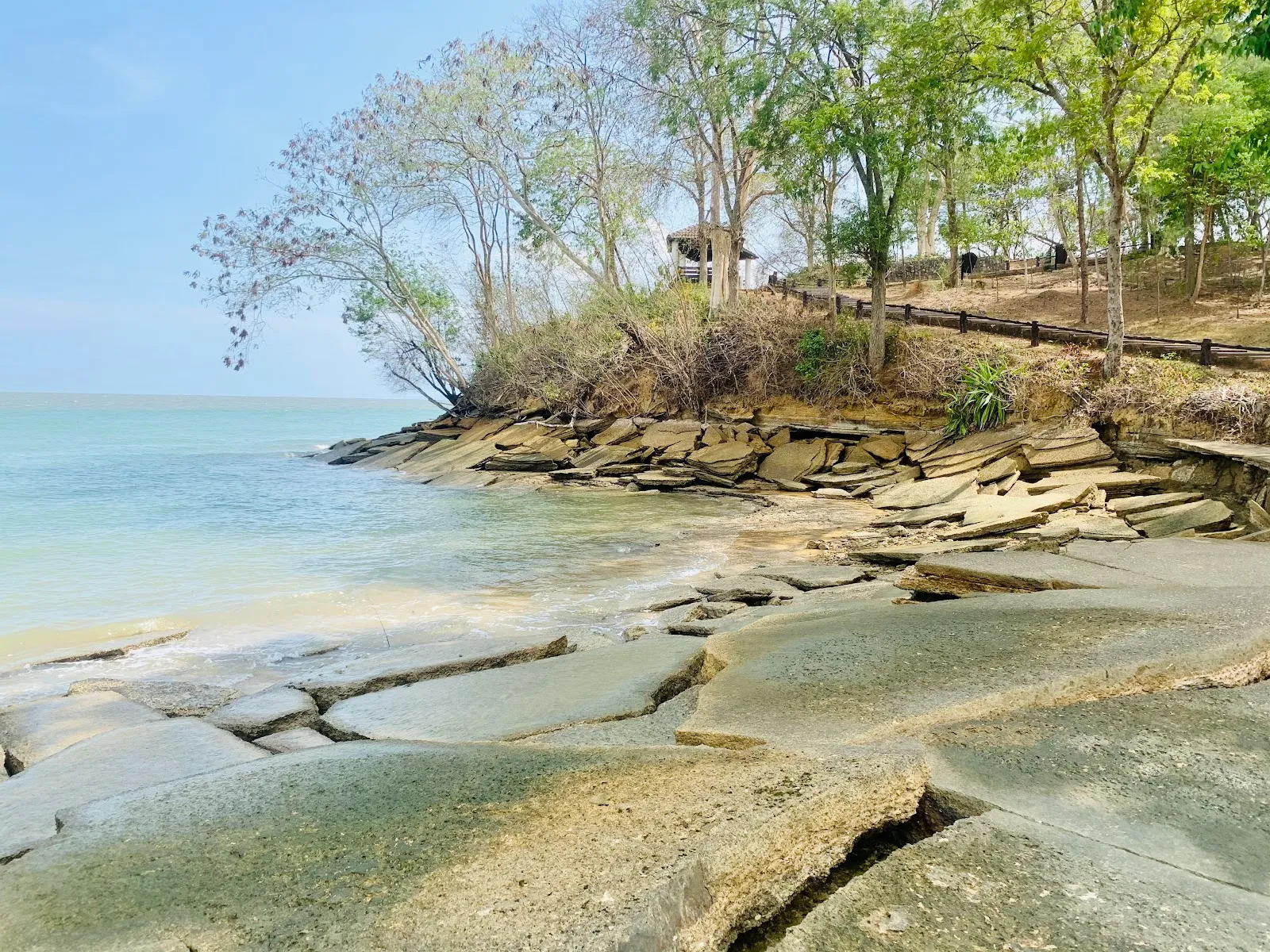
The shell layers date to a time when this part of Krabi was a shallow sea. Shellfish remains accumulated and became compressed into limestone, creating the broad fossil-bearing slabs visible along the shore. Look closely at the rock to find the shells preserved within it.
The fossils are identified as gastropod shells, including freshwater snails. Their presence in the stone gives the site its particular interest for visitors curious about geology and prehistoric life.
Exploring the site
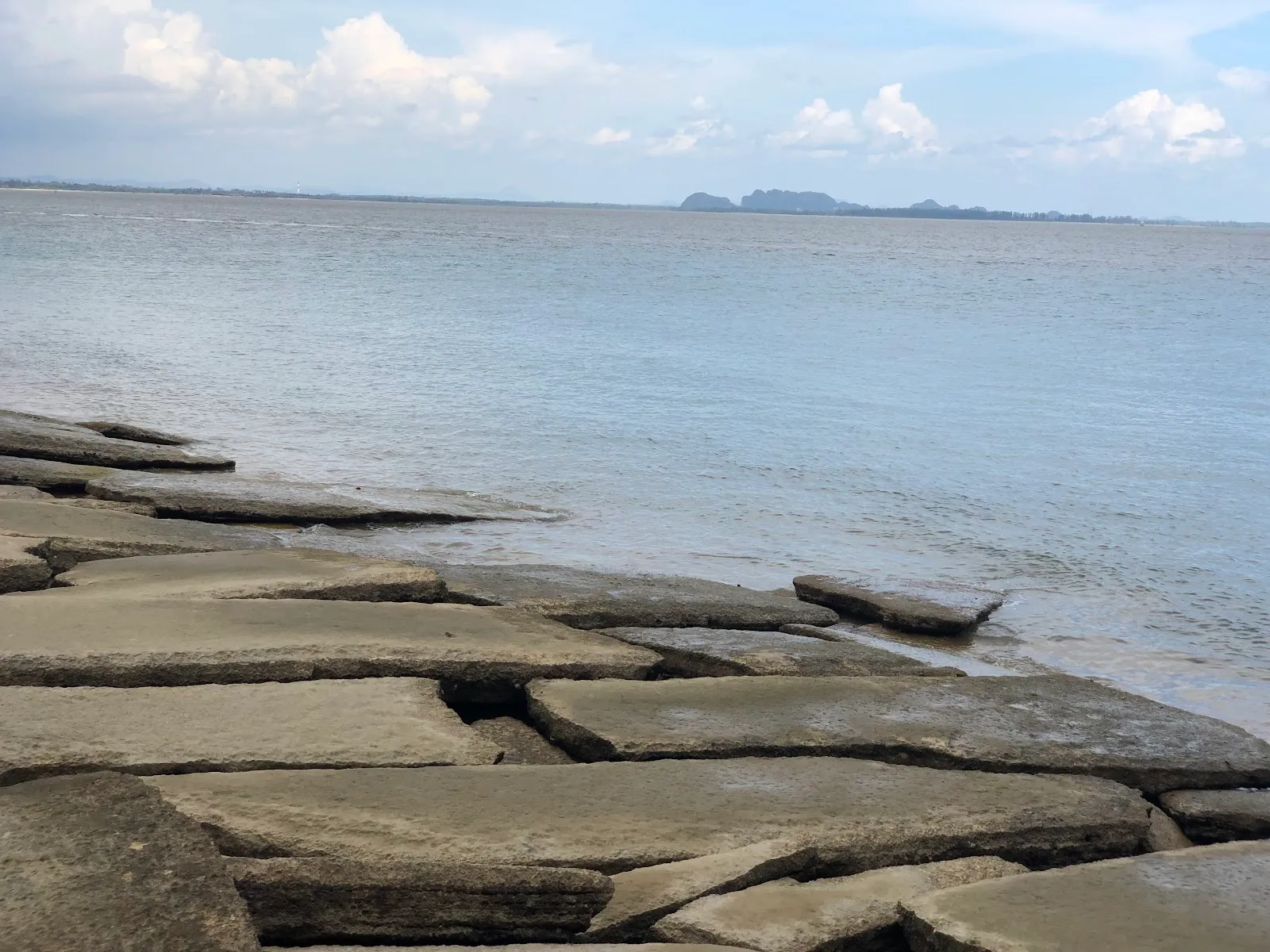
The fossil formations are spread across three zones. A visitor centre provides background before you walk among the rock beds, helping put the visible remains in context. Paths are uneven, with rocky sections, so the site is not suitable for wheelchair access.
The shoreline is best viewed at low tide, when more of the fossil layers can be seen. At high tide, some formations are harder to appreciate. The site is not intended for swimming; focus on the rock beds and the sea outlook from the nearby cliff.
Perguntas frequentes
When is the best time to visit Shell Cemetery?
Visit at low tide, when more of the fossil formations are visible. High tide can obscure parts of the site.
How long should I allow for Shell Cemetery?
Allow about one to two hours to explore the three zones, especially if you want to look closely at the fossil beds.
Is Shell Cemetery suitable for wheelchair users?
No. The paths include uneven and rocky sections, making the site unsuitable for wheelchair access.
Can you swim at Shell Cemetery?
This is a fossil site rather than a swimming beach. The main reason to visit is to see the ancient shell beds.