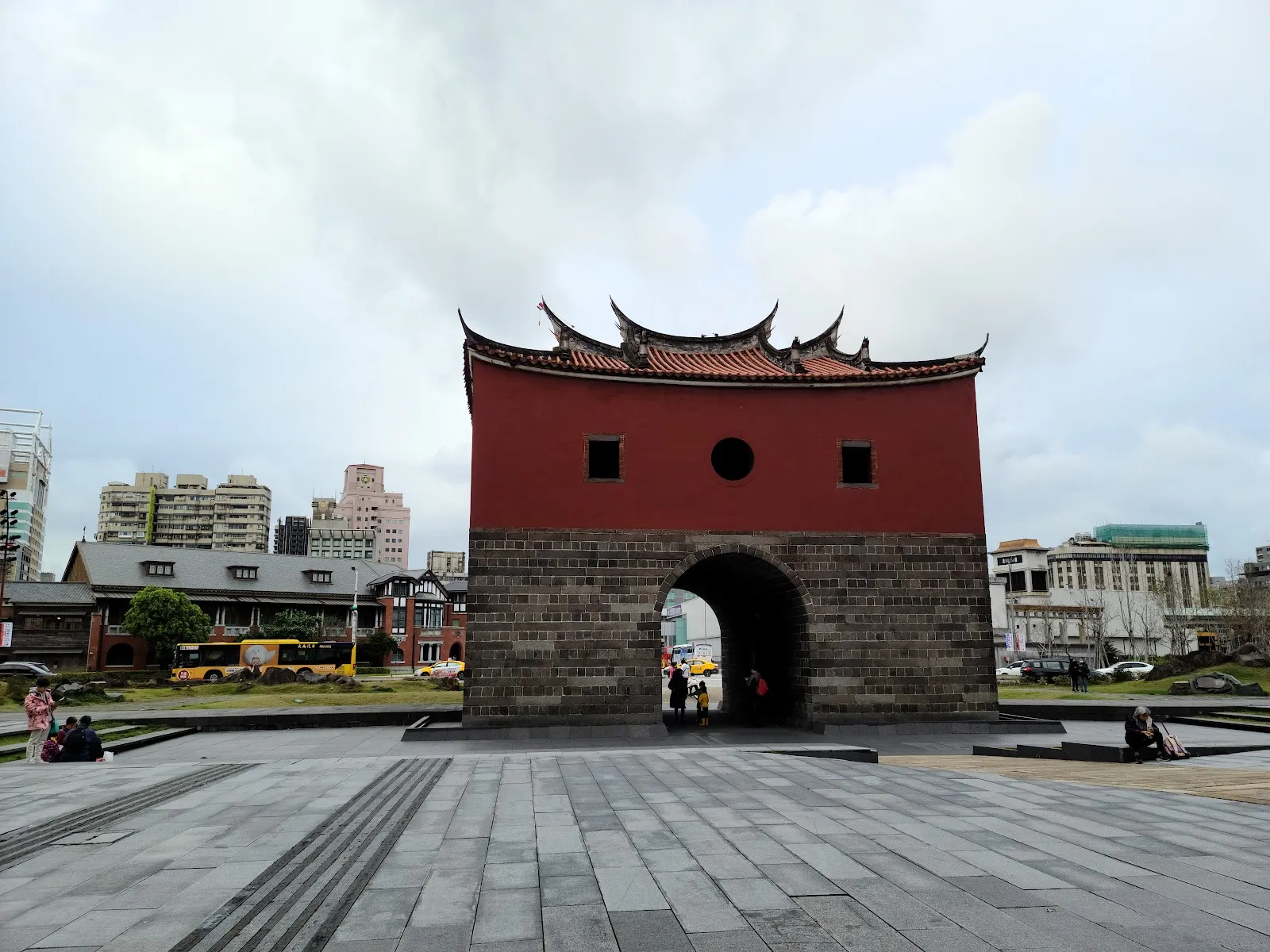
Taipei North Gate, or Cheng’en Gate, is a Qing-era city gate on Zhongxiao West Road, near Taipei Main Station and Ximending. Built in 1884, it was the principal official entrance to the city and is the only one of Taipei’s five original gates that retains its 19th-century appearance. Look for its red brick walls, two-storey form and traditional Chinese roof. The gate stands amid modern roads and buildings; check for conservation work before planning a longer stop.
A gate built for the Qing-era city
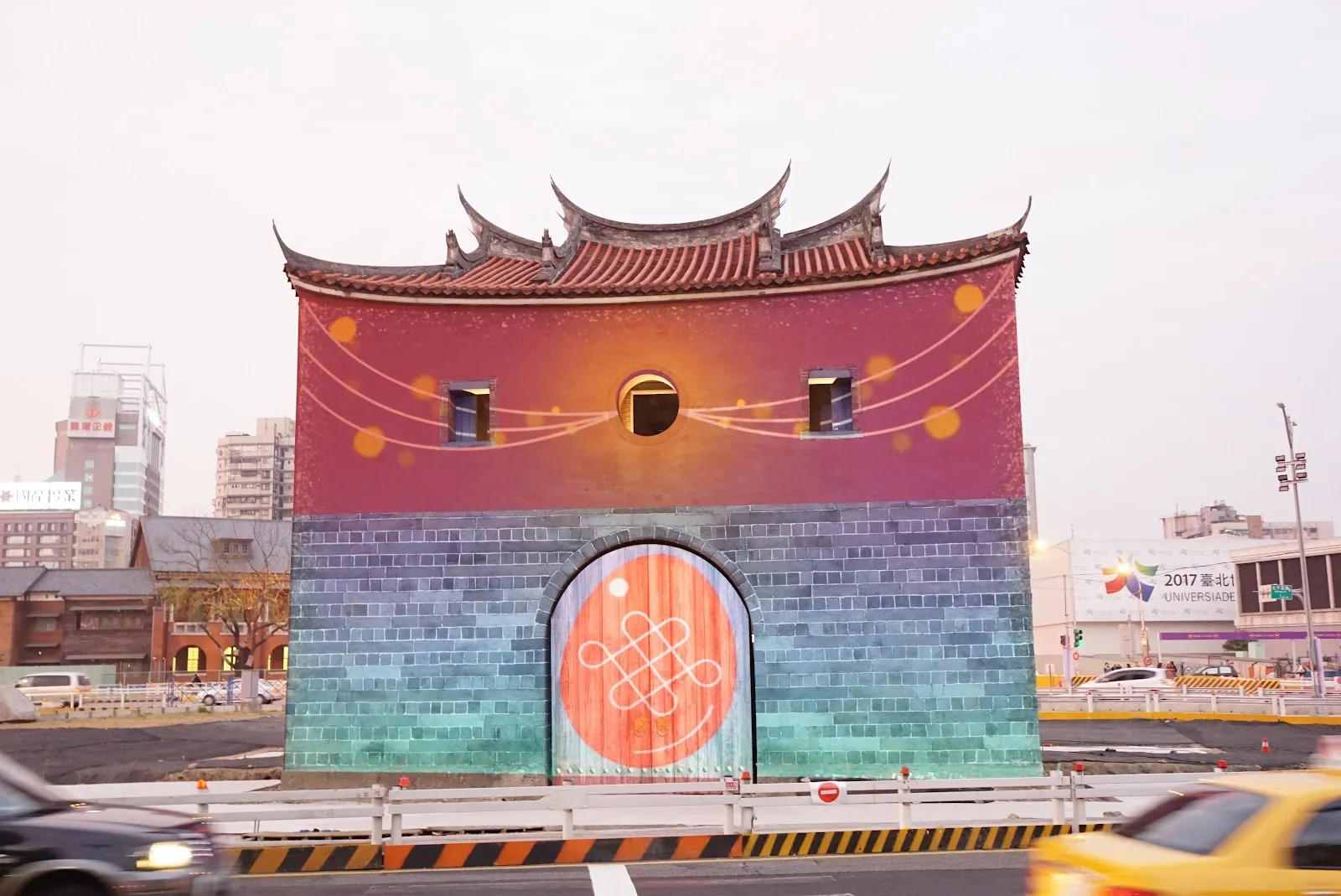
Taipei North Gate, formally Cheng’en Gate, was built in 1884 as part of Taipei’s city walls. Its name means “to receive divine grace.” Facing the Datun Mountains, it served as the main official entrance to the city and connected Taipei with the busy Dadaocheng area.
The gate is a two-storey brick structure with a traditional Chinese wooden roof truss and restrained ornament. Its solid, enclosed design reflects its defensive role. Of the five original city gates, it is the only one that remains in its 19th-century form. The other gates were demolished or substantially altered.
The gate among the modern streets
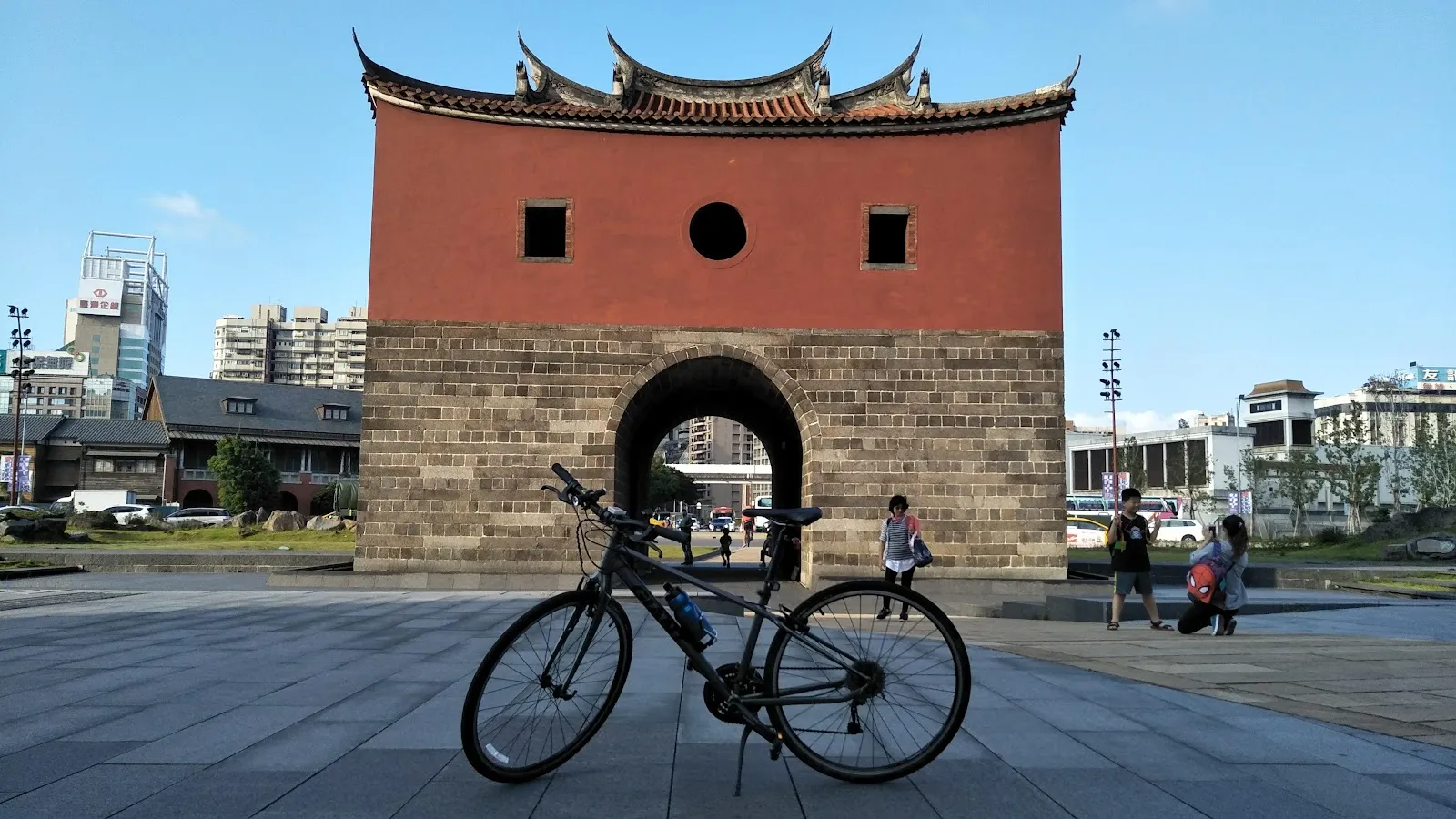
Taipei’s walls were dismantled in the early 20th century as the city developed. North Gate was left relatively intact, though modern roads and an elevated highway ramp later obscured it. The ramp’s removal restored the gate’s visibility within the city, where it now sits close to Taipei Main Station and Beimen North Gate Square.
Markers at the site explain the history of the gates and walls. The gate is a short walk from Ximending, so you can combine a brief look at the monument with time in the district. Conservation work has affected the surrounding area; check conditions before visiting if clear views and photographs are a priority.
Perguntas frequentes
When was Taipei North Gate built?
Cheng’en Gate was built in 1884, during the Qing Dynasty, as part of Taipei’s city walls.
Is Taipei North Gate free to visit?
Yes. The site is free to visit.
How much time should I allow for Taipei North Gate?
The gate is a brief stop, and you can read the markers about Taipei’s city walls while you are there.