Inside the Centro Cultural la Beneficència in Valencia’s Ciutat Vella, this museum traces human life in the region from the Palaeolithic era to the Visigothic period. Its collection includes stone tools, pottery, Iberian finds and cave-art reproductions; look out for the Valencian Venus, a figurine dated to about 20,000 years ago. The virtual Lascaux experience brings famous cave paintings into the visit. The museum is extensive, so allow time to explore its rooms, then pause in the courtyard café or browse the history-focused bookshop.
Collections from prehistory to the Visigoths
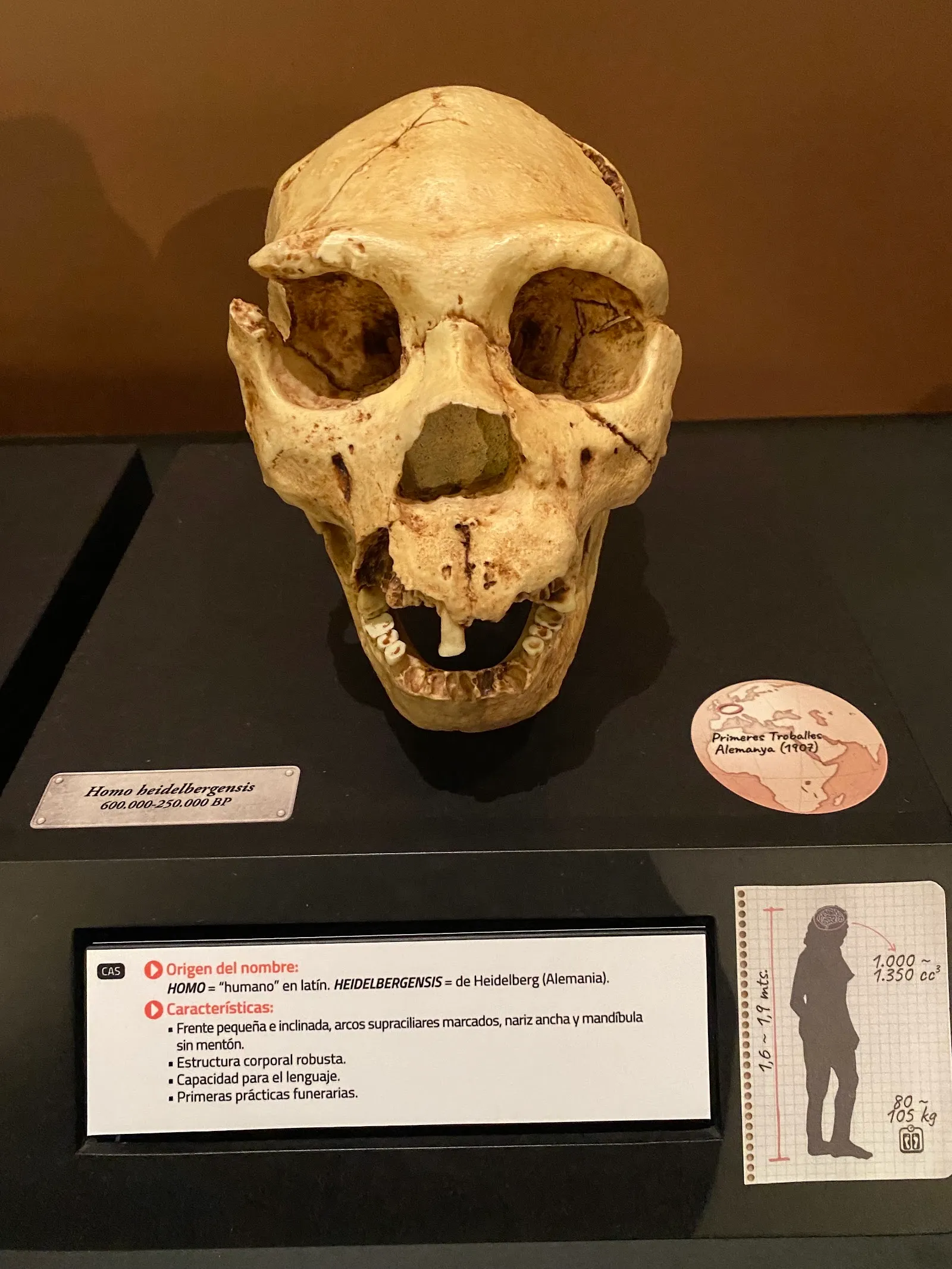
The Museo de Prehistoria de Valencia is in the Centro Cultural la Beneficència on C/ de la Corona, in Ciutat Vella. Its archaeological displays cover the Palaeolithic through the Visigothic period, with objects from the Valencia region. Stone tools, pottery and items made from bone and rock help tell the story of changing ways of life.
The collection also includes material on Iberian culture, Roman history, Visigothic culture and the history of money and coins. The Iberian galleries are a particular draw for visitors interested in the cultures that preceded Roman rule in the region. Displays also provide information about archaeological sites around Valencia.
Cave art and the Valencian Venus
Reproductions of cave paintings give the prehistoric galleries a visual focus. Virtual Lascaux adds an immersive way to encounter the famous cave art at Lascaux. Some displays include representations that help explain what figures may have looked like, as well as tactile plastic engravings.
Look for the Valencian Venus, a figurine dated to about 20,000 years ago. It is one of the collection’s most distinctive objects and offers a tangible connection to the region’s distant past.
Planning your visit
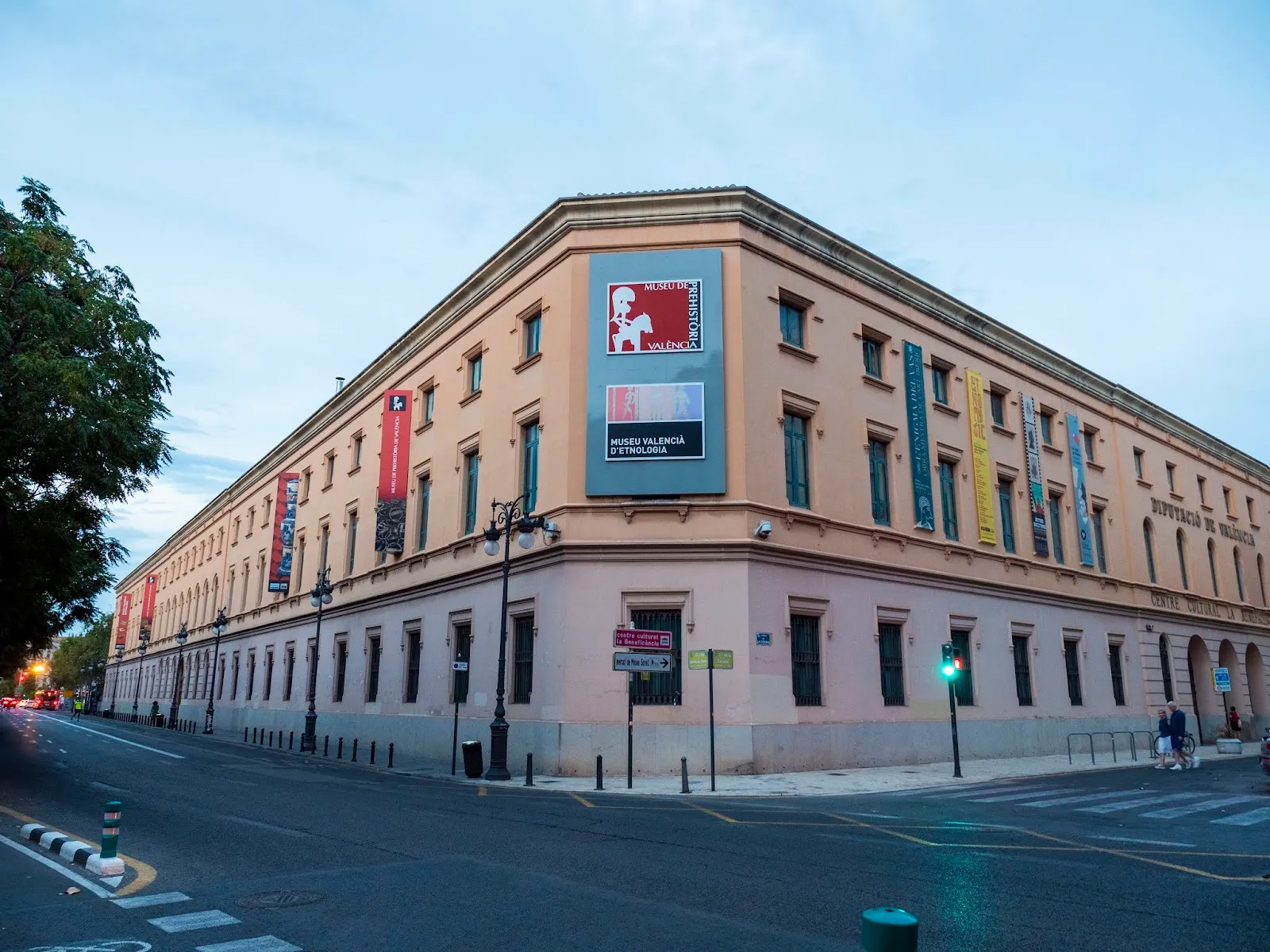
The museum occupies part of the former Casa de la Beneficència, a building constructed in 1841. It was established in 1927 as a centre for archaeological research and the preservation of Valencia’s archaeological heritage. The building contains both the Prehistory Museum and the Ethnology Museum in separate wings, so check which collections you want to see before setting aside time.
The galleries extend across multiple rooms, and visitors describe the museum as spacious and often quiet. English translations are limited in some displays. Printed English sheets explaining the contents of rooms are available in at least some areas, but an audio guide is not reported. The museum has a courtyard café and a bookshop with history titles. It is accessible by wheelchair, including an accessible entrance, lift and restroom. Admission is charged, with conflicting reports about which days are free, so confirm current terms on the museum website.
Perguntas frequentes
How long do you need at the Museo de Prehistoria de Valencia?
Allow about 2 to 3 hours to explore the museum’s many rooms and collections.
What can you see at the museum?
The collections span the Palaeolithic to the Visigothic period and include Iberian, Roman and Visigothic material, pottery, tools, coins and cave-art reproductions.
Is there information in English?
English translations are limited in some galleries. Printed English sheets explaining room contents are available in at least some areas; no audio guide is reported.
Is the museum wheelchair accessible?
Yes. The museum has an accessible entrance, lift and restroom.