
The Monastery of Santo Toribio de Liébana is a Franciscan monastery in the Cantabrian Mountains, a short drive from Potes. It keeps one of the largest known pieces of the True Cross, and it is one of five places in the world that can issue perpetual indulgences. The site is small and calm, with a church that has been remodelled many times, exhibitions that explain its history, and a short uphill walk to Ermita with wide views over the valley.
The relic and the indulgences
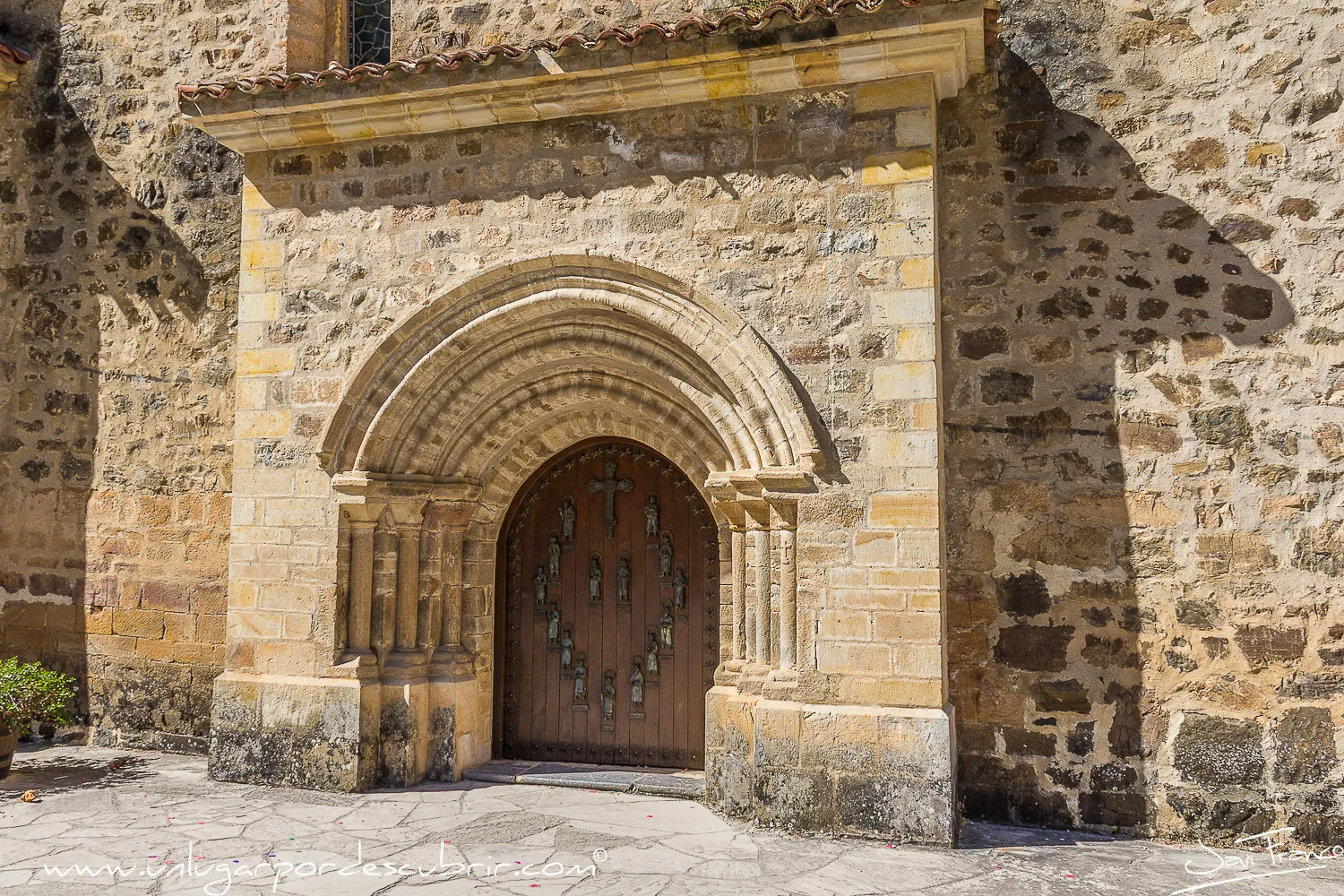
The monastery keeps one of the largest known pieces of the Lignum Crucis, the wood of the True Cross. It is one of five places in the world that can issue perpetual indulgences, along with Santiago de Compostela, Jerusalem, Rome and Caravaca de la Cruz in Murcia. The Catholic Church describes indulgences as a way to reduce the punishment a person must undergo for sins.
The monastery sits on the Camino Lebaniego, a 72 km route that starts at San Vicente de la Barquera on the coast and is also called the Ruta de la Montaña. The route crosses some of Cantabria's most dramatic mountain scenery, including deep gorges. For pilgrims walking to Santiago de Compostela, the monastery is an important side pilgrimage.
The church and the surrounding sites
The monastery is a Franciscan house with Gothic and Romanesque elements. Its church has been remodelled many times over the centuries, and it is the most striking building on the site.
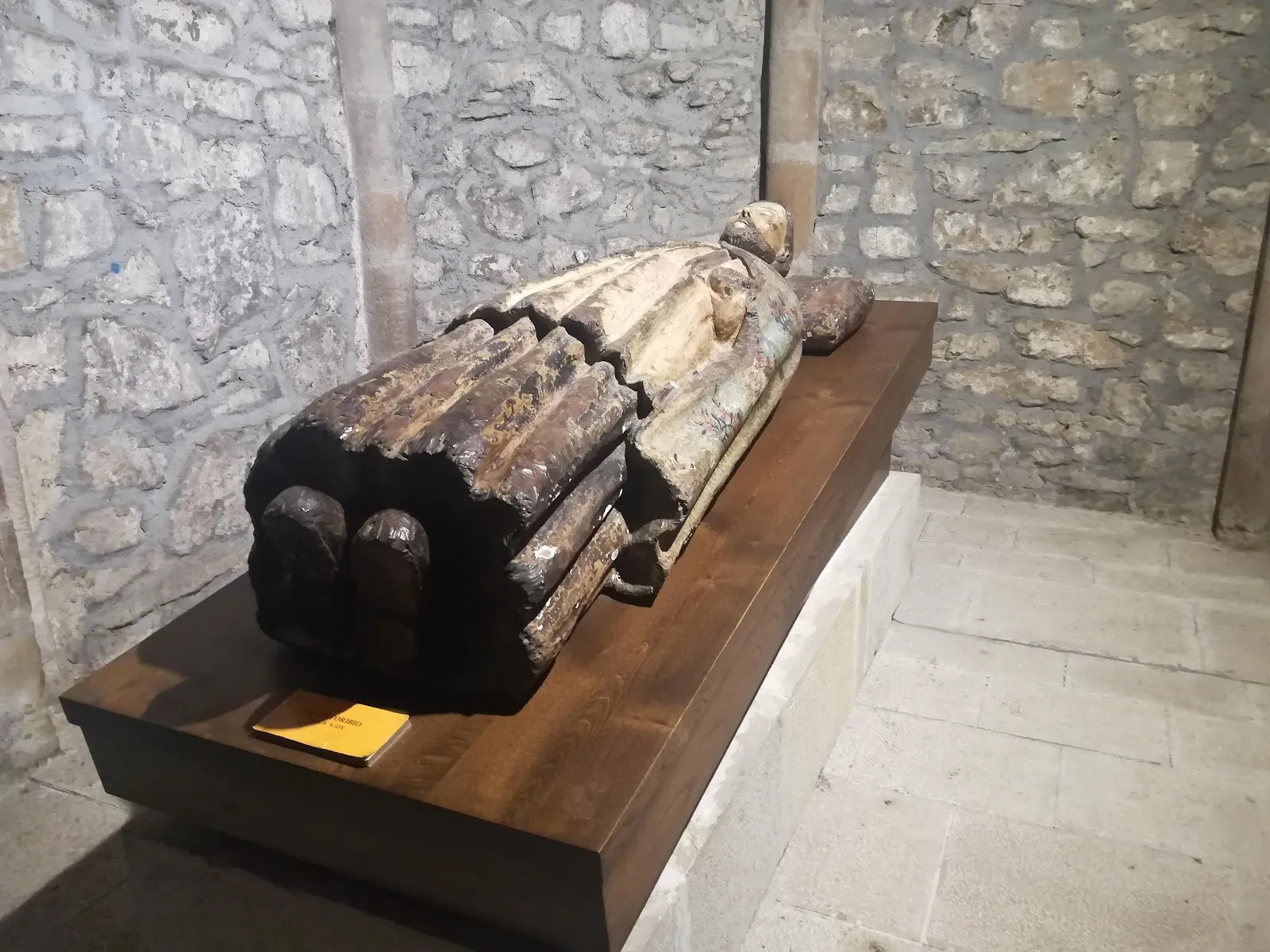
The monastery is linked to Beato de Liébana, an 8th-century monk and theologian known for his Commentary on the Apocalypse, who lived here. His works are in the monastery. In Potes, the 15th-century Infantado Tower permanently houses an exhibition on him and his Beatos, so it is worth visiting both places.
Around the monastery are the Holy Cave, which is pre-Romanesque, the ruins of the sanctuary of Santa Catalina, and the hermitages of San Juan de la Casería and San Miguel. The Hermida Gorge is also nearby, a good addition if you have time for a longer day in the mountains.
Ermita, the mirador and the chapel
Ermita is a 10-minute climb uphill from the monastery, and the view from there covers the surroundings. A mirador about 5 to 7 minutes' walk away gives a view of Potes. A short walking route also leads to a nearby chapel, which has one of the best views of the area.
On site, there is shade, a restroom, a souvenir shop, and a stall for water, ice cream and other refreshments. The entrance and the restroom are wheelchair accessible, and so is the parking lot.
Expect donations to be a visible part of the visit. The monastery attracts many pilgrims, and some visitors find the focus on collecting donations more prominent than they expected. Reading the displays before or after your visit helps you follow the history of the place.
Perguntas frequentes
Do I need to book tickets in advance?
Booking tickets in advance is recommended. Check the monastery's website for details before your visit.
Is there parking at the monastery?
Yes, the monastery has on-site parking, with both free and paid parking lots.
How long do you need for a visit?
Plan 1 to 2 hours. This covers the monastery and the walk to Ermita, plus the short walks to the mirador and the chapel.
Is the monastery wheelchair accessible?
The entrance and the restroom are wheelchair accessible, and so is the parking lot.


