On the grounds of Gyeongbokgung Palace in Seoul, the National Palace Museum of Korea explores royal life and culture through objects from the Joseon era. Its collection includes more than 40,000 artifacts, from royal seals and court clothing to weapons, crockery and traditional furniture. English explanations give context to the displays, and the quieter museum galleries make a useful counterpoint to time outdoors at the palace. Look closely at the carved details on the seals and furniture, or use the exhibits to learn more about the royal family and the palaces they inhabited.
A museum of royal Korea
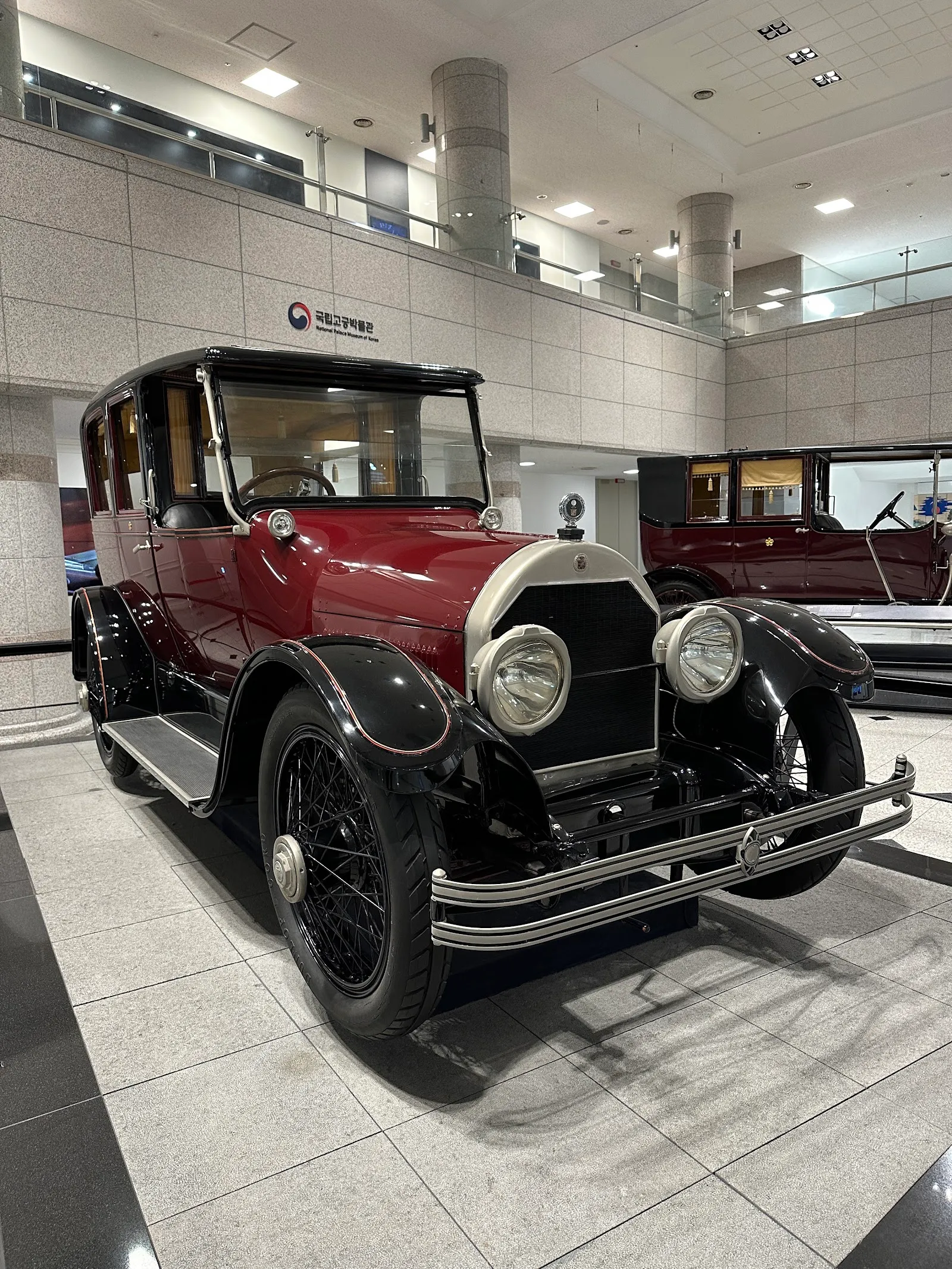
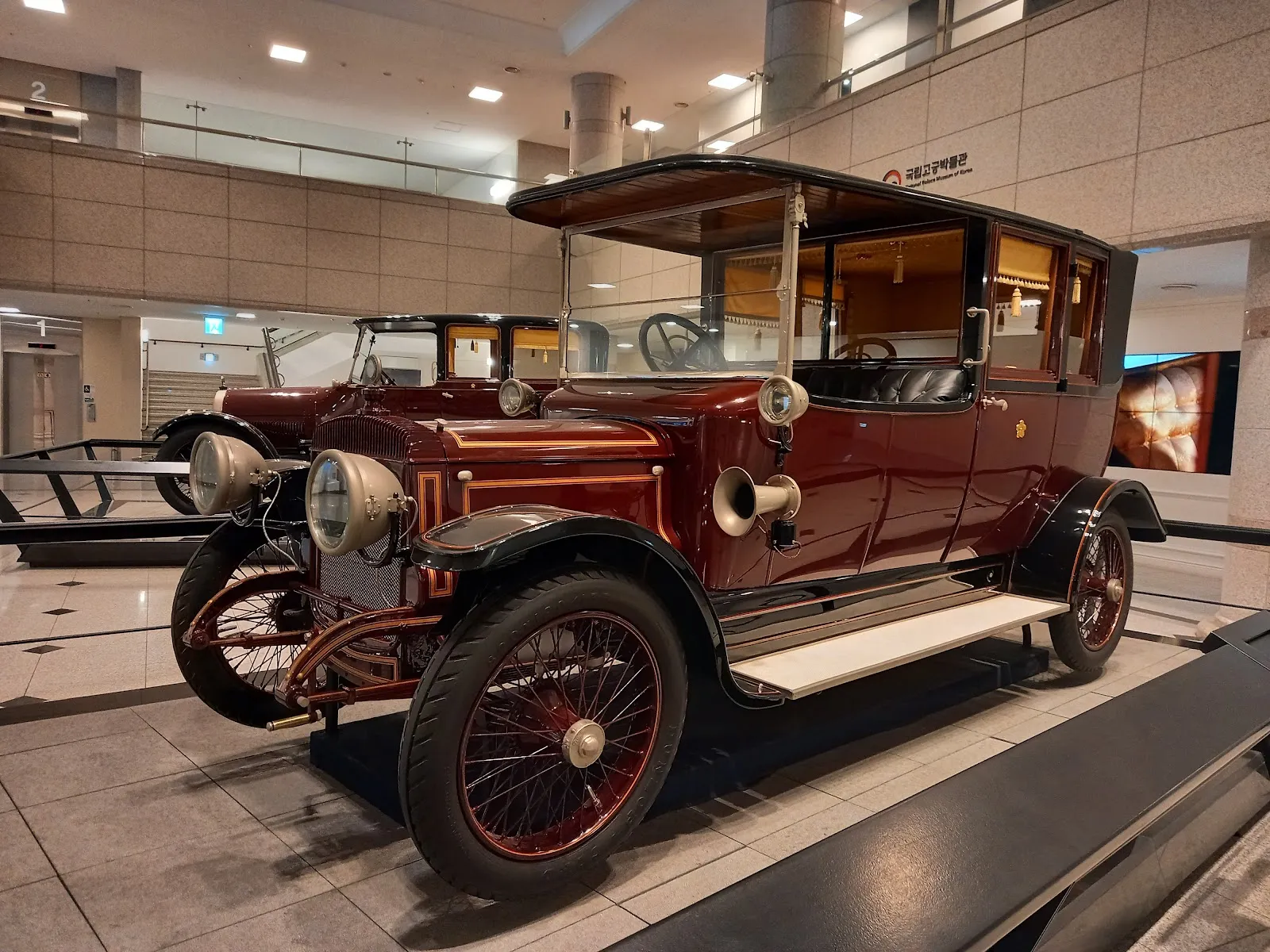
The National Palace Museum of Korea is on the grounds of Gyeongbokgung Palace in Seoul. Its collection traces Korea’s royal history through artifacts, art and cultural objects, with a particular focus on the Joseon royal family. The museum’s holdings include more than 40,000 artifacts, bringing together objects connected to court life and the palaces where the royal family lived.
The displays put everyday and ceremonial aspects of royal life in view. You can encounter clothing, weapons, crockery, furniture, documents and objects bearing royal symbols. English information accompanies the exhibits, helping explain the historical context as you move through the galleries.
Royal seals, clothing and craftsmanship
Royal seals are among the objects to look at closely. Known as eobo, they were presented to honour a king’s virtue and achievements. Their distinctive forms and fine details offer a close view of the craftsmanship behind the symbols of royal authority.
The collection also includes traditional furniture with carved wooden details, as well as clothing associated with the court. Displays of royal attire include gold-embroidered hanbok and hairpins worn by queens and princesses. The objects are preserved with intricate workmanship visible at close range, so allow time to examine the details rather than moving quickly between rooms.
The Joseon court and its palaces
The exhibits cover more than personal possessions. They describe the royal family, succession and family relationships, as well as the work and study carried out in the court. Objects and documents help explain how the palace functioned as a centre of political and administrative life as well as the royal residence.
The museum also gives context for the wider palace world, including royal symbols, court ceremonies and aspects of culture such as science and music. Some displays relate to more than one palace, and the collection includes murals from palace settings. Together, these materials help connect the objects in the galleries with the lives and responsibilities of the people who used them.
Planning your visit with Gyeongbokgung
The museum is a natural addition to a visit to Gyeongbokgung Palace. Seeing the galleries alongside the palace grounds gives you two ways to understand royal Korea: the buildings and their setting outdoors, then the objects and explanations inside. The museum is also a practical choice if you are sightseeing in the area on a Tuesday, when Gyeongbokgung Palace is closed.
Admission to the museum is free, and the exhibits can be explored at your own pace. Its calmer galleries provide room to spend time with the displays and read their English explanations. If you are interested in the royal seals or carved furniture, make a point of slowing down at those cases; the details are easy to miss when you hurry.
Perguntas frequentes
Is admission to the National Palace Museum of Korea free?
Yes. Admission to the museum is free.
Where is the National Palace Museum of Korea?
It is on the grounds of Gyeongbokgung Palace in Seoul.
What can you see at the museum?
The collection includes more than 40,000 artifacts connected to Korea’s royal history, including seals, clothing, weapons, crockery and traditional furniture.
Can you visit the museum when Gyeongbokgung Palace is closed?
Yes. The museum is a sightseeing option in the area on Tuesdays, when Gyeongbokgung Palace is closed.