Gwanaksan is a rocky mountain in southern Seoul, with trailheads reachable by subway and routes ranging from gentle walks to steep, demanding climbs. Forest paths, streams and Buddhist temples break up the ascent, while clear-weather viewpoints look over Seoul and toward Anyang. The climb rewards hikers who want more of a challenge than a city stroll, but the terrain can be rough underfoot. Choose a route that matches your ability, allow plenty of time and carry water for the hike.
Choosing a trail
Gwanaksan sits in southern Seoul, near Seoul National University and Gwacheon. Subway access makes it possible to travel from the city to a trailhead without a long journey. Several starting points lead up the mountain, including Seoul National University, Sadang Station and Gwacheon Hyanggyo, and the route you choose shapes the difficulty and scenery of the hike.
The Gwacheon Hyanggyo route is described as short and comfortable enough for elementary-school-age children. Trails from other starting points can be more demanding, with steep climbs and rocky sections. Research the route before setting out and choose one that suits your experience. Some paths include ropes and footholds to help with the ascent, but these do not make every section easy.
Rock, forest and temples
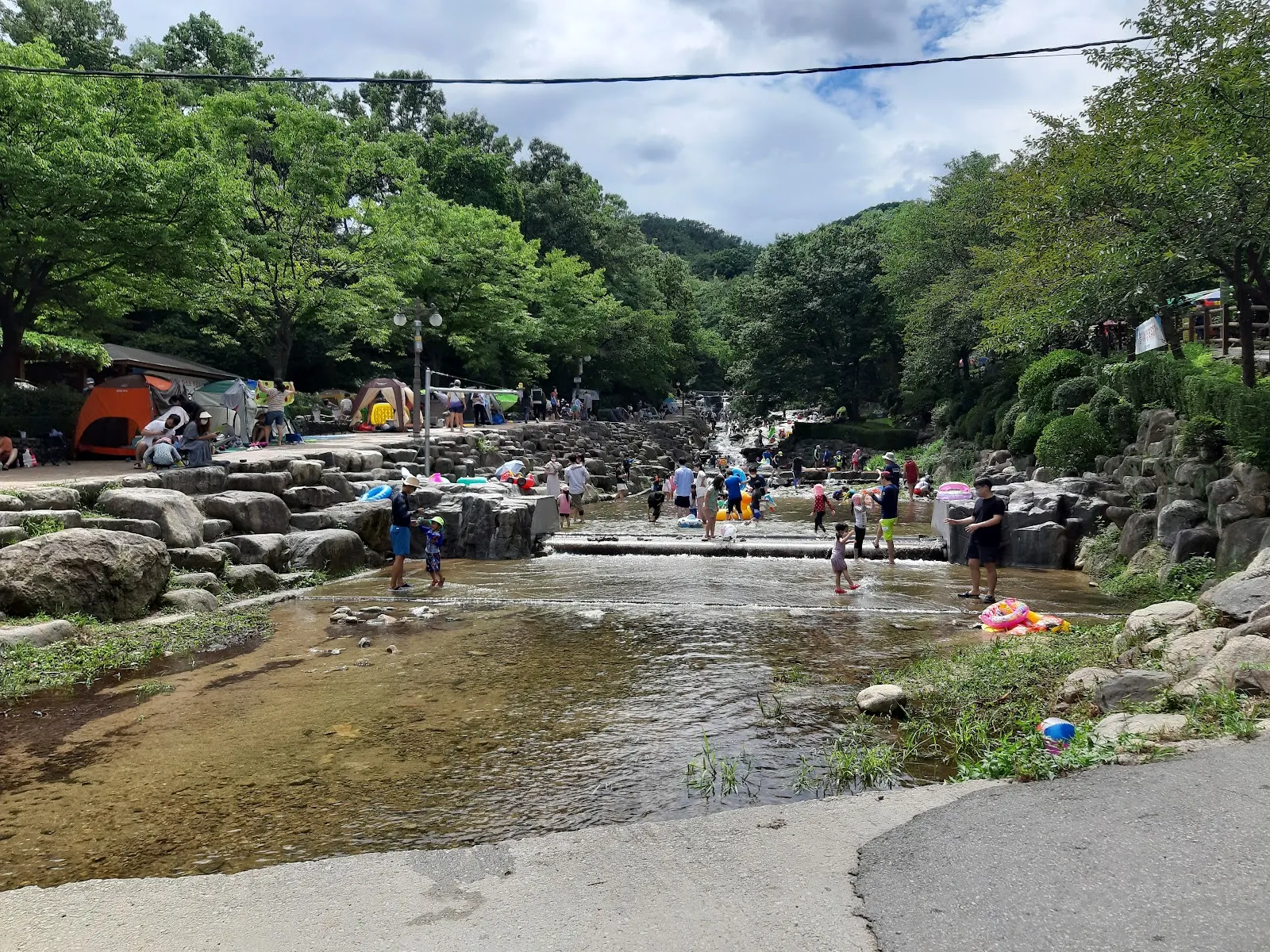
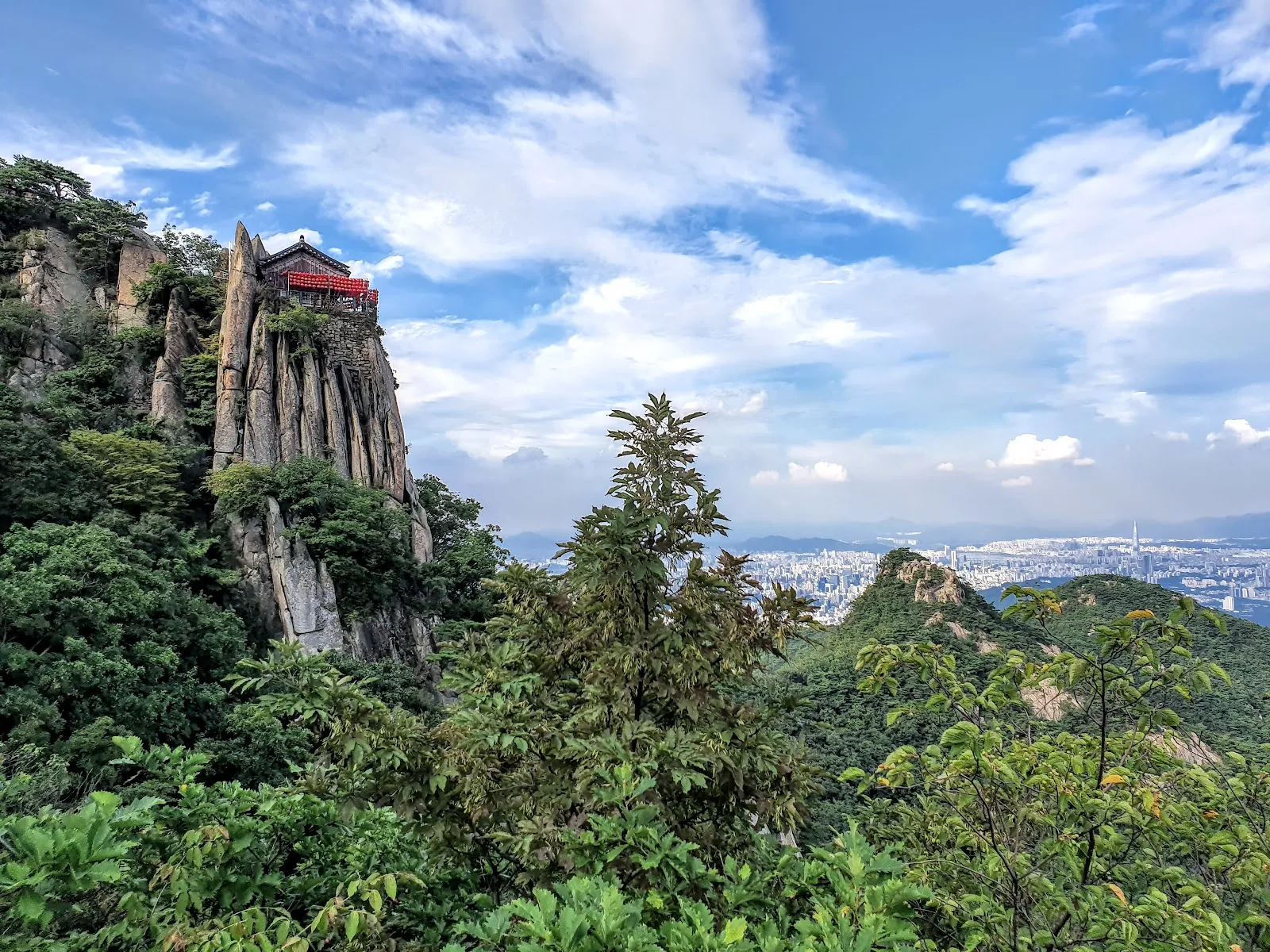
The mountain combines rocky ridges with forest paths, streams and gorges. Along the trails, hikers can encounter Buddhist temples and hermitages, including Yeonjudae and Yeonjuam near the summit. The temple setting and the natural scenery give the climb points of interest beyond the views from the top.
Some routes pass temples, sculptures and military bunkers. The terrain can involve repeated ups and downs, steep stairs and rock scrambling, so proper hiking footwear is useful. The summit area also includes a military station, which can obstruct part of the view from the top.
Views and conditions
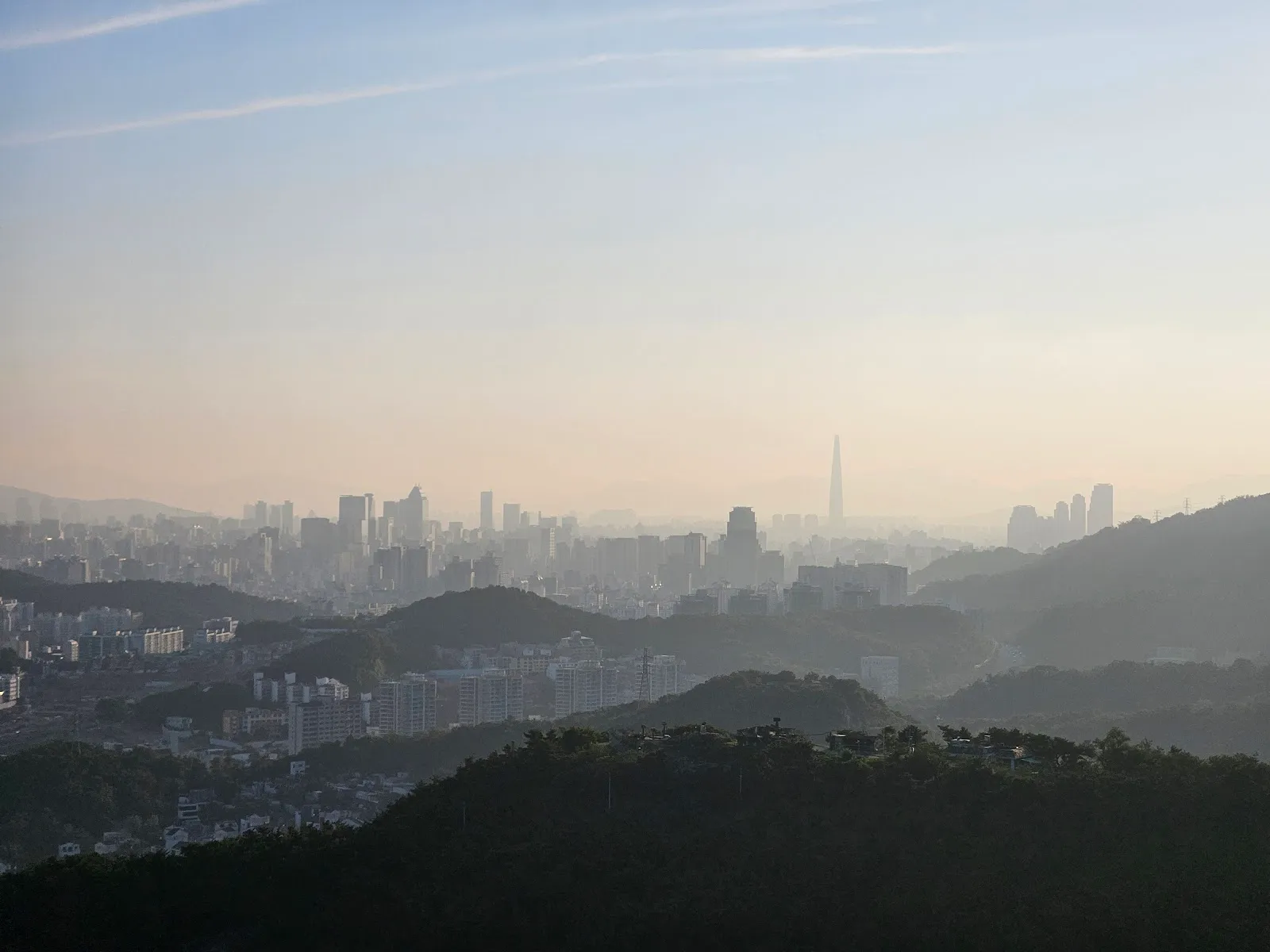
On clear days, viewpoints look across Seoul and toward Anyang. The mountain is especially rewarding after rain, when the air is clearer and streams are full. Spring brings cherry blossoms, while the mountain's colours change through the seasons.
The ascent can take around an hour and a half on one route, but total hike times vary with the trail, pace and stops. One reported outing took about three hours up and down, while a longer route with extended rests took much longer. Leave room in your schedule to stop at viewpoints and temples, and bring water for the walk.
Perguntas frequentes
How long does it take to hike Gwanaksan?
It depends on the route and your pace. One account puts the ascent at about an hour and a half, while a shorter round trip has taken around three hours.
Is Gwanaksan suitable for beginners?
Some routes are more manageable than others. The route from Gwacheon Hyanggyo is described as short and comfortable, while other trails have steep, rocky sections.
What can you see on Gwanaksan?
Trails pass forest, streams and Buddhist temples, including Yeonjudae and Yeonjuam near the summit. Viewpoints look over Seoul and toward Anyang.
What should I bring for a Gwanaksan hike?
Bring at least a litre of water and wear suitable hiking footwear. Check the route in advance because some sections are steep and rocky.