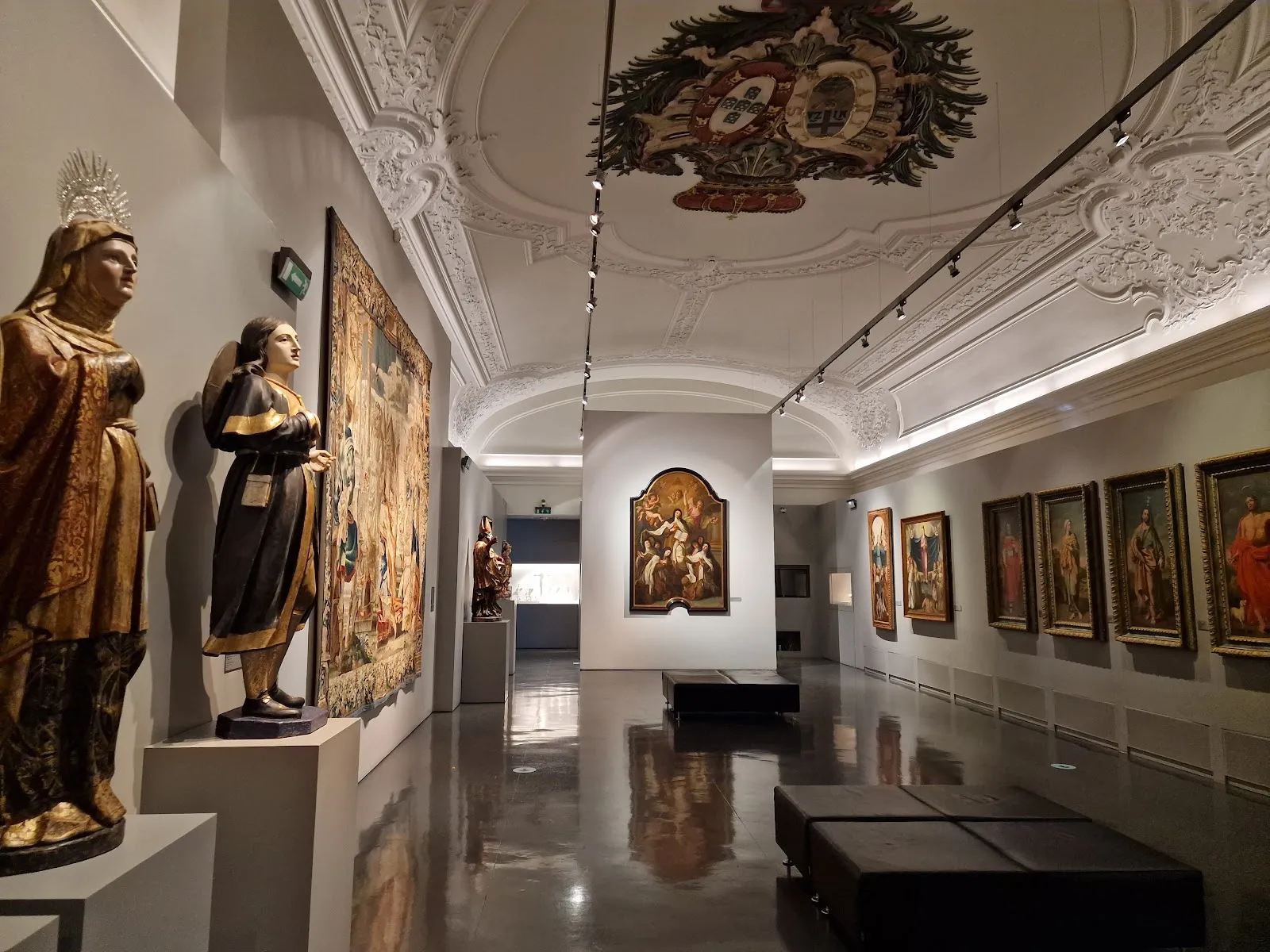
Next to the Church of São Roque in Lisbon’s Bairro Alto, this museum traces the church’s history through sacred art and objects. Its collection includes paintings, sculpture, relics, vestments and liturgical pieces, with a notable group of treasures made for the Chapel of Saint John the Baptist. Five themed sections cover the site’s early history, the Jesuits in Portugal, art from missions in Asia and the heritage of Lisbon’s Santa Casa da Misericórdia. Pair the galleries with the church, whose richly decorated interior contrasts with its plain façade.
A museum beside the church
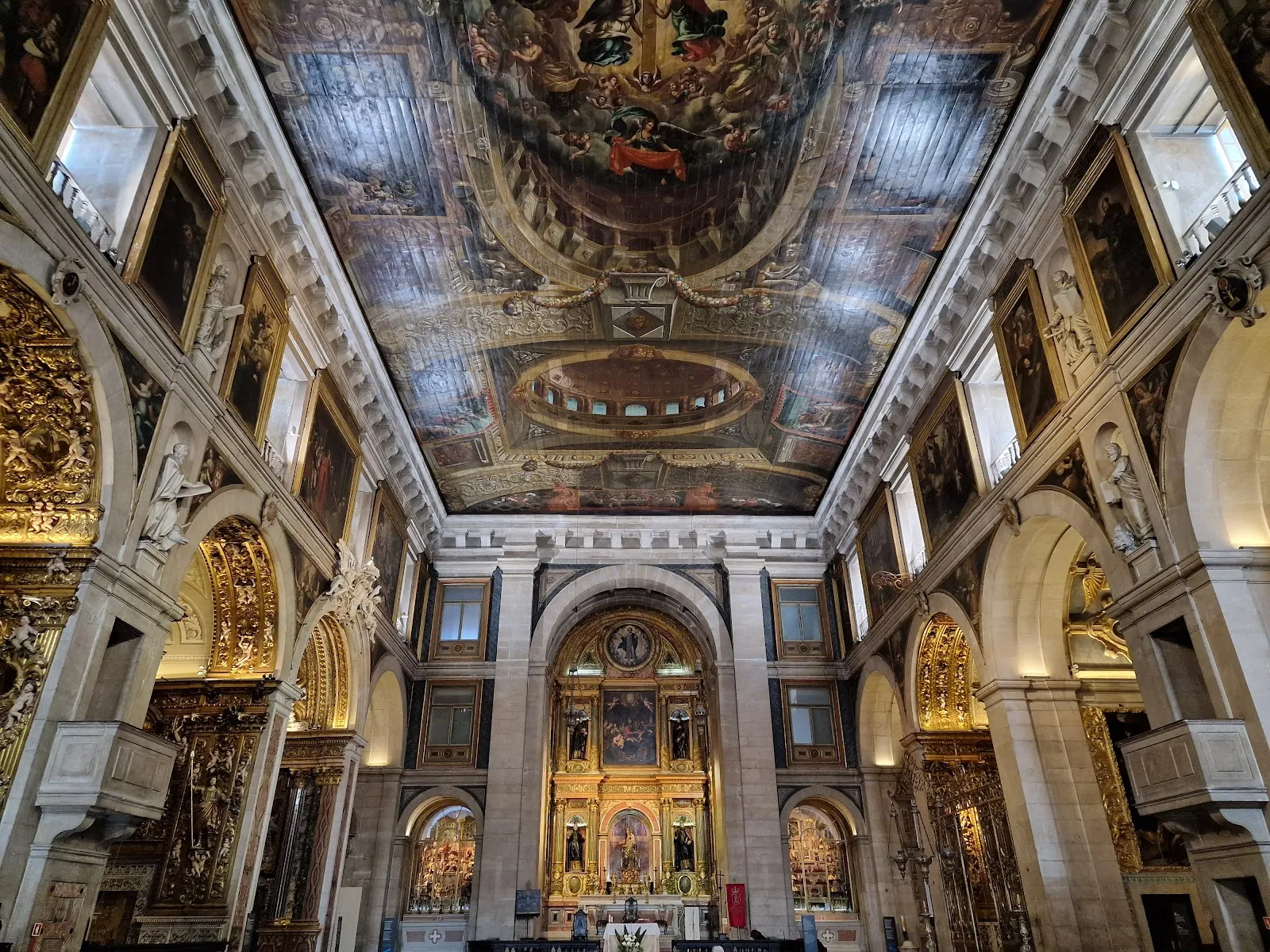
The Museu de São Roque stands beside the Church of São Roque at Largo Trindade Coelho. The church was built in the late 16th century, and the museum occupies the former Professed House of the Society of Jesus. The museum opened in 1905, initially as the Museum of the Treasure of the Chapel of Saint John the Baptist.
The church and museum tell connected stories, but the museum has its own galleries and a ticketed entrance. The church is free to enter. Seeing both gives context to the religious objects in the collection and to the ornate spaces for which São Roque is known.
Five themes in the collection
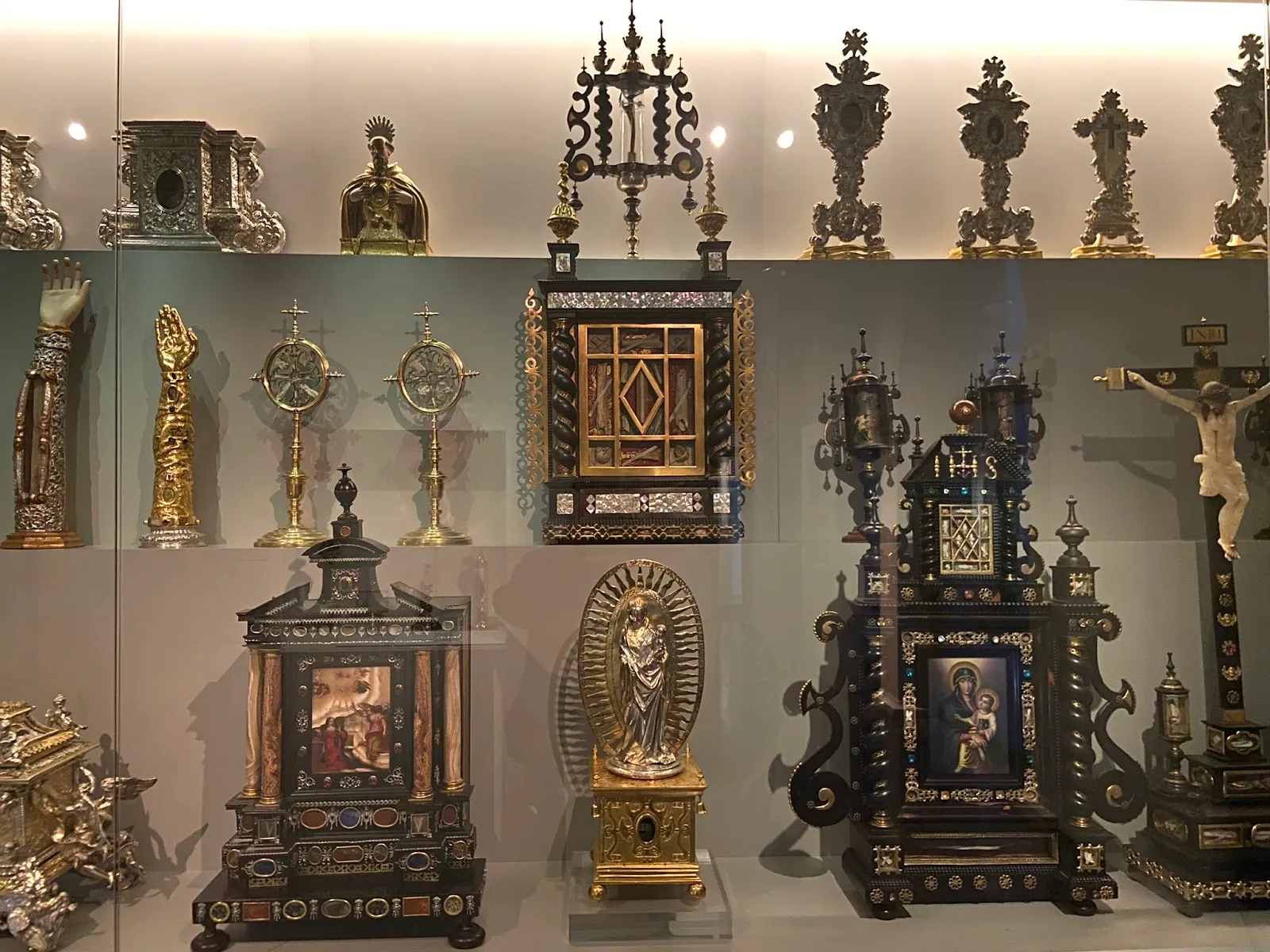
The permanent exhibition is arranged in five sections. It covers the early Hermitage of São Roque, the Jesuit presence in Portugal, art connected with European missions in Asia, the treasure of the Chapel of Saint John the Baptist, and the artistic heritage of Lisbon’s Santa Casa da Misericórdia.
Across the galleries, the collection includes paintings, sculptures, relics, vestments and other liturgical objects. Pieces connected with missions in Asia include art from the Middle East, India, Japan and China. Take time to look at the surfaces and materials: gold leaf and delicate details are part of the appeal.
The Chapel of Saint John the Baptist
The chapel’s treasures are a central part of the museum’s story. They were commissioned by King João V in Rome, and the museum was founded to preserve them. The chapel itself is inside the church near the high altar, linking the objects in the galleries with the place for which they were made.
The church’s restrained exterior gives little indication of its interior. Inside, marble, gilded woodwork and azulejos frame a series of side chapels. The Chapel of Saint John the Baptist is especially ornate. Allow time to see it after the museum rather than treating the galleries as a substitute for entering the church.
Planning a visit
A visit to the museum is compact. Allow at least 20 minutes for the collection, or around 30 minutes if you want to move through the galleries at an unhurried pace. Weekdays and off-peak times are practical choices if you prefer a quieter visit.
The museum is closed on Mondays and open from Tuesday to Sunday. Tickets are recommended in advance. The site lists wheelchair-accessible entrances and restrooms. There is also a café with seating in an inner courtyard, useful for a pause before or after exploring the church and museum.
Perguntas frequentes
How long do you need at Museu de São Roque?
Allow at least 20 minutes to see the collection. Around 30 minutes gives you time to browse at a relaxed pace.
What can you see at the museum?
The five themed sections include sacred art, relics and liturgical objects, art connected with missions in Asia, and the treasures of the Chapel of Saint John the Baptist.
Can you visit the Church of São Roque too?
Yes. The adjoining church is free to enter, and the museum visit pairs well with seeing its chapels and ornate interior.
Is Museu de São Roque open on Mondays?
No. The museum is closed on Mondays and open Tuesday to Sunday.


