Boca do Inferno, Portuguese for Hell's Mouth, is a collapsed sea cave in the limestone cliffs west of Cascais. The Atlantic carved the cave, its roof fell in, and what remains is a chasm with a sea arch where the waves surge in. It lies on Avenida Rei Humberto II de Itália and is reached on foot along the coastal path from the town centre. The site is open at all hours. In rough seas the water bursts upward and the sound echoes up the chamber. On a calm day it is a quiet viewpoint over cliffs and open ocean.
How the cave became an arch
Boca do Inferno began as a sea cave. The Atlantic wore into the limestone cliffs west of Cascais over a very long time, and eventually the roof of the cave fell in. What is left is a chasm and a natural arch, the old mouth of the cave, through which the sea now enters.
The name means Hell's Mouth in Portuguese, and it is also translated as Devil's Mouth. It refers to the noise and force of the water in the opening. Boca do Inferno is also said to have been the first cave ever shown in a film.
The site lies inside the Sintra-Cascais Natural Park, where the coast turns rocky and faces open ocean.
When the waves are at their strongest
The sea decides what you see. At high tide the waves pass through the arch and rise up the chamber, and the sound carries a long way. The display is strongest in autumn and winter, when Atlantic storms can throw water and spray some 15 to 20 metres into the air.
On a calm summer day the same place is a viewpoint over cliffs and quiet water. If the waves are what you came for, look at the tide times and the sea forecast before you set out.
You can walk on the cliffs beside the chasm and look down into it, but the rocks are uneven and wet near the edge. Stay well back when the swell is up.
Walking or cycling from Cascais
From the centre of Cascais, follow Avenida Rei Humberto II de Itália past the marina and continue along the coast. The walk takes around 20 minutes. The avenue also has a cycle path that continues to Guincho beach, so Boca do Inferno works well as a stop on a longer ride. Bikes can be rented in town, and a morning start leaves time to reach Guincho in the afternoon.
The ride can be gusty, but it gives you the coastline in the open air. Several tours of the region also stop here, usually on the way between Cabo da Roca, Guincho and Cascais. A horse-drawn carriage from the Jardim Visconde da Luz is another way to get there.
Nearby in Cascais
The Museu Condes de Castro Guimarães stands on the same avenue, in the grounds of Parque Marechal Carmona. It occupies a 19th-century family house whose last member died in 1927. Inside are ceramics, antiques, artwork, silver ewers, samovars and Indo-Portuguese embroidered shawls from the 18th and 19th centuries.
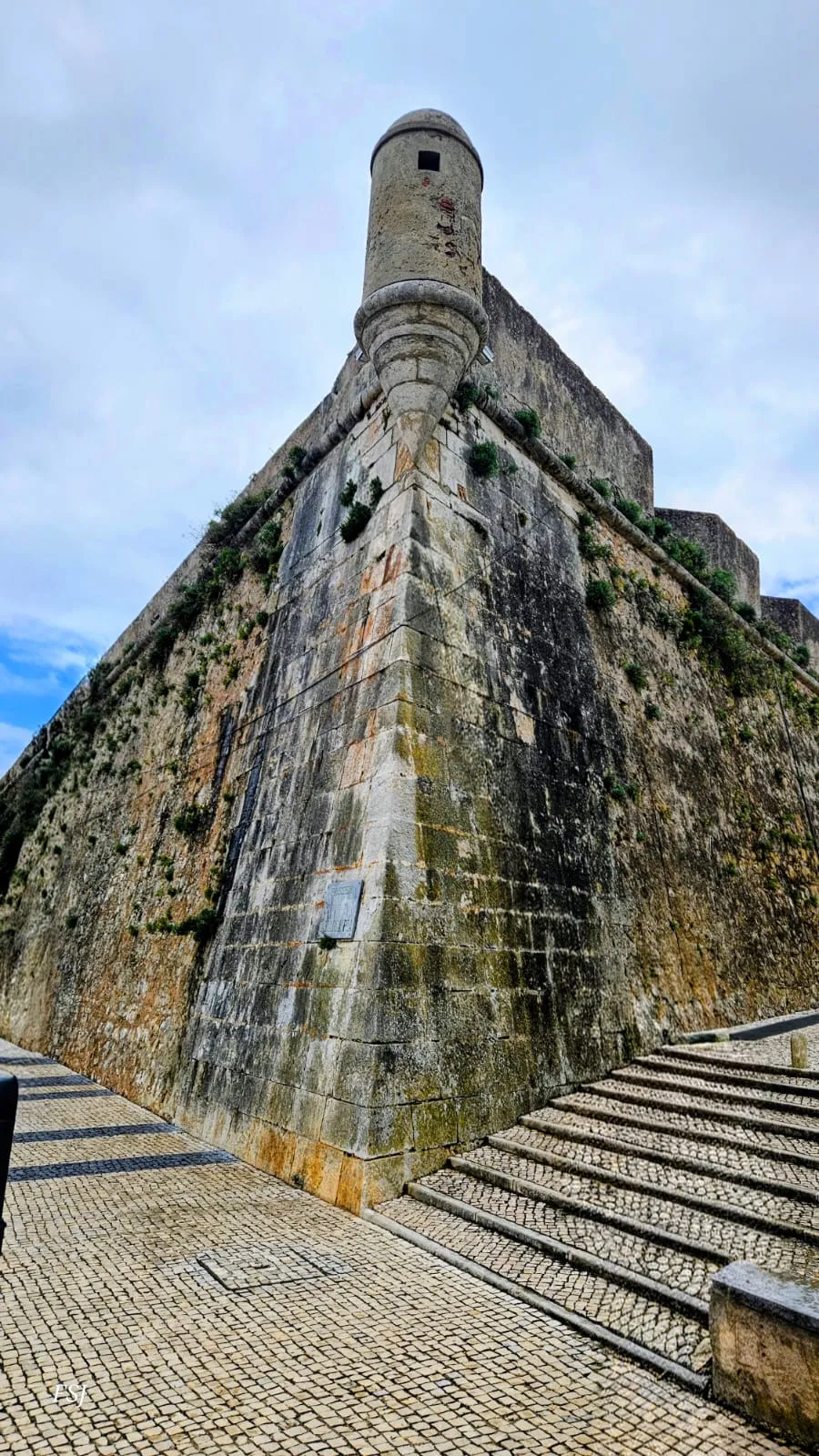
Back toward the centre are Praia da Rainha and the Citadel of Cascais, a fortress that tells the town's maritime history. The Casa das Histórias Paula Rego, designed by Eduardo Souto de Moura, holds works by the Portuguese painter.
Perguntas frequentes
How do you get to Boca do Inferno from Cascais?
Walk west from the town centre along Avenida Rei Humberto II de Itália, past the marina, and keep following the coastal path. It takes around 20 minutes on foot. You can also cycle, as a cycle path runs along the route toward Guincho.
When is the best time to see the waves?
High tide in autumn and winter, during Atlantic storms or a strong swell, gives the biggest display. In calm summer weather the arch is much quieter. Sunset is a good time for the view and for photos.
What does Boca do Inferno mean?
It means Hell's Mouth in Portuguese, and it is also translated as Devil's Mouth. The name comes from the force and noise of the waves in the opening of the collapsed cave.
Is Boca do Inferno open at night?
The site is listed as open 24 hours every day. Take extra care on the rocks in the dark or in rough seas.
Is it dangerous to walk on the rocks?
Some areas on the rocks can be dangerous, especially near the edge and when the swell is heavy. You can look into the chasm from the adjacent cliffs, but keep a safe distance from the drop.