The Minor Basilica of the Holy Child of Cebu, also called the Basilica del Santo Niño, is the oldest Roman Catholic church in the Philippines. Augustinian friars founded it in 1565 on Osmeña Boulevard, a short walk from Magellan's Cross. The main draw is the Santo Niño image, a small wooden figure of the Christ child that people come to pray before and light candles beside. Entry is free, and donations are welcome. Come in the early morning for a quieter visit, and dress for the church before you leave your hotel.
From the 1565 founding to today
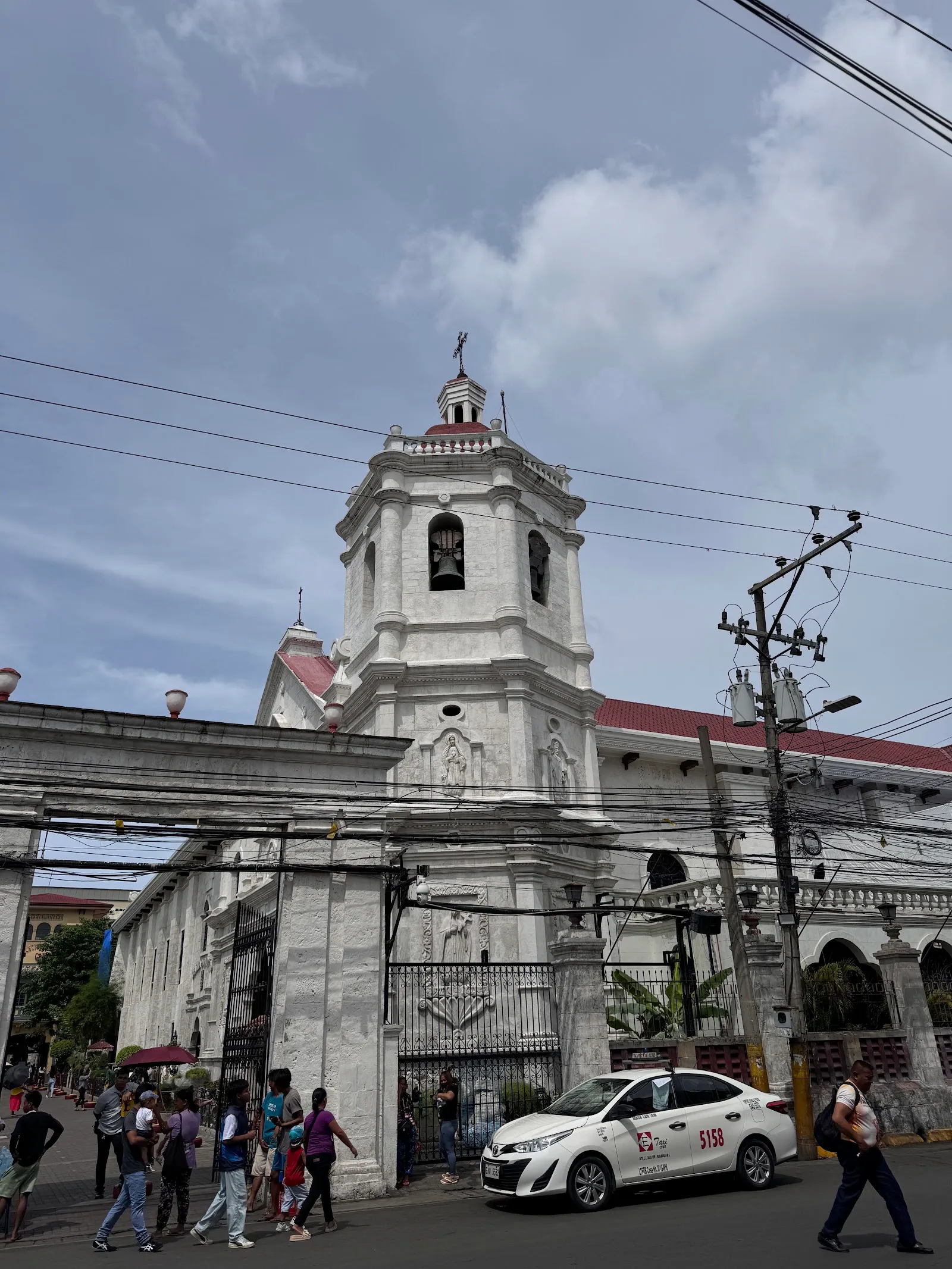
Augustinian friars founded the church in 1565, and it is the oldest Roman Catholic church in the Philippines. Rome has given it the title of minor basilica and recognizes it as the mother church of the country's Catholic churches.
Fire damaged the early buildings. Three earlier structures were destroyed before the present baroque church was built in the 18th century. The 2013 earthquake damaged the facade and belfry, which have since been restored.
The Santo Niño image
The statue is a small wooden figure of the Christ child, often described as about a foot tall and of Flemish origin.
Tradition says Ferdinand Magellan gave the image to Queen Juana in 1521, during the first baptisms in Cebu, and that she and her husband then took the Christian faith. The image was later found by a Spanish soldier in a wooden box among the ruins of a burned settlement. The church was built on that exact spot.
Inside and around the complex
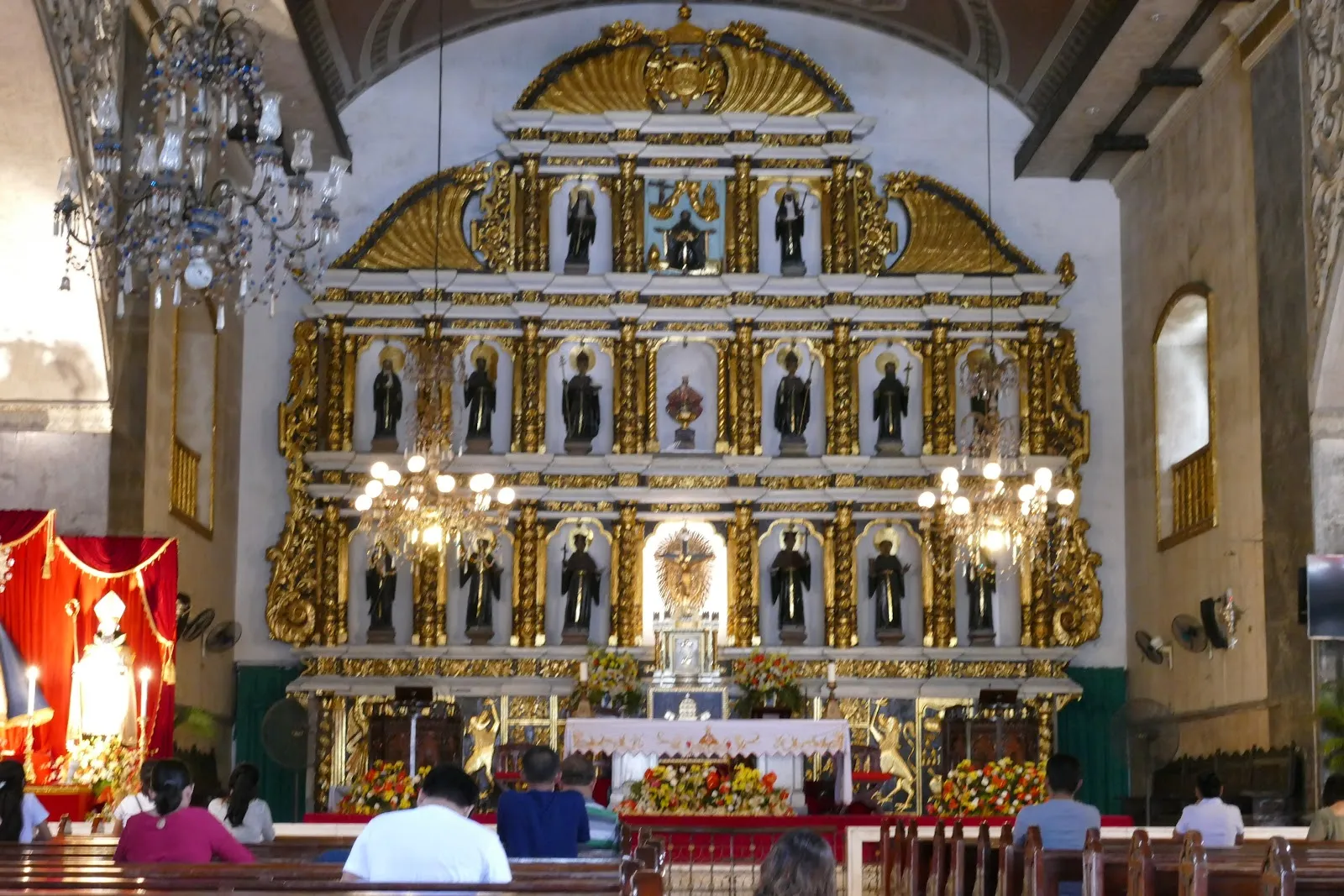
Inside, the high ceilings carry paintings, and stained glass lights the interior. The Santo Niño is enshrined in glass. Visitors who want to pass in front of it usually wait in a line of about 10 minutes.
The complex has outdoor courtyards with structures worth a look. Magellan's Cross sits in a small chapel a few minutes away on foot.
Masses and how to take part
Masses are held daily in the morning and in the evening, and Sundays have several services. Evening masses include English versions for visitors who need them.
Sunday open-air masses draw large congregations. Communion lines can still move quickly, one visitor found, at no more than about seven minutes. The basilica also hosts weddings, so you may see a ceremony during your visit.
Sinulog and busy days
The Sinulog Festival takes place on the third Sunday of January. The church is at its busiest then, and the streets around it fill with more than a million devotees.
Fridays are also crowded, and the church gets fuller during prayer times. If you want to see the church at its calmest, come on a weekday morning outside festival week.
Perguntas frequentes
Is there an entry fee?
Entry is free. Donations are welcome.
What should I wear?
Wear long pants or a long skirt, with covered shoulders. Pants or sarongs can be rented from people nearby for about 50 pesos per person.
When are masses held?
Masses are held daily in the morning and in the evening, with several services on Sundays. Evening masses include English versions.
Is the basilica wheelchair accessible?
The entrance, the restroom and the parking lot are wheelchair accessible.
Is photography allowed inside?
Photography is limited in some areas, so check before taking pictures near the image.