MUNAL, the Museo Nacional de Arte, is on Calle Tacuba in Mexico City's Centro Histórico, facing Manuel Tolsá Square. It occupies the former Palace of Communications, built between 1904 and 1911, and holds Mexican art from the 16th century to the mid-20th century. The galleries run in time order, from colonial painting through the first century after independence to post-Revolution work. Look for José María Velasco's landscapes and pieces by Diego Rivera and Siqueiros. The curved staircase and painted ceilings draw as much attention as the collection. Wall texts are mostly in Spanish, so a guide or audio guide helps.
The palace on Calle Tacuba
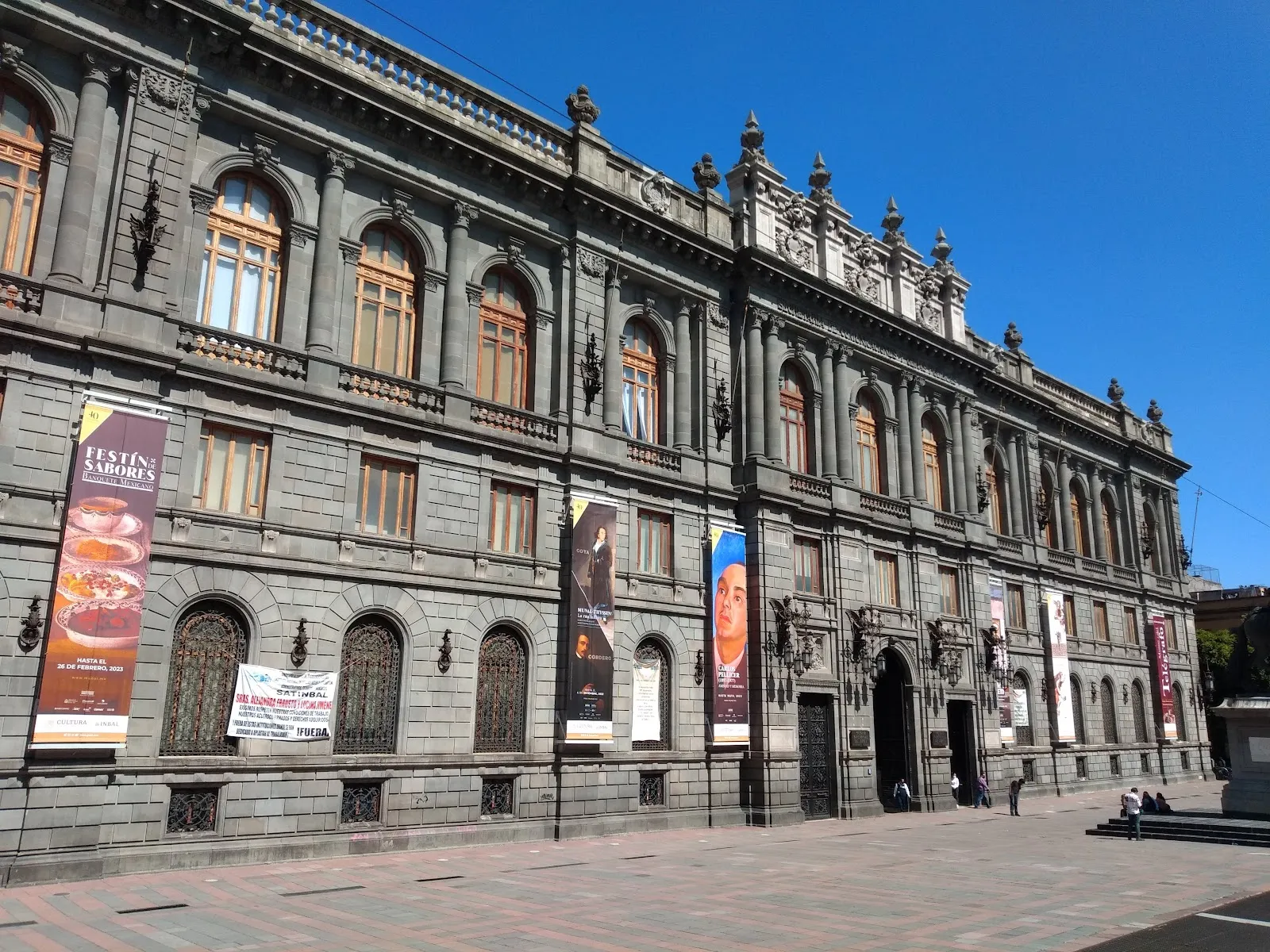
MUNAL is at Calle Tacuba 8, on Manuel Tolsá Square. The neoclassical building was put up between 1904 and 1911 as the Palace of the Secretariat of Communications and Public Works, and it is counted among the major architectural works of 20th-century Mexico.
In front of the entrance is the equestrian statue of Charles IV of Spain, known as El Caballito. Inside, the main draws are the curved, Italian-style staircase and the painted murals on the ceilings. Many visitors spend as long on the architecture as on the paintings. The inner patio is also worth a look.
How the collection is arranged
The museum was founded in 1982. It brings together works from several other museums to give a single overview of Mexican art from the 16th century to the 1950s. The permanent collection has about 3,000 pieces, including paintings, sculpture and decorative arts.
The route is chronological and falls into three parts: the colonial period, the first century after independence, and the art that followed the Revolution. Moving through the rooms, you see subjects and styles change over time.
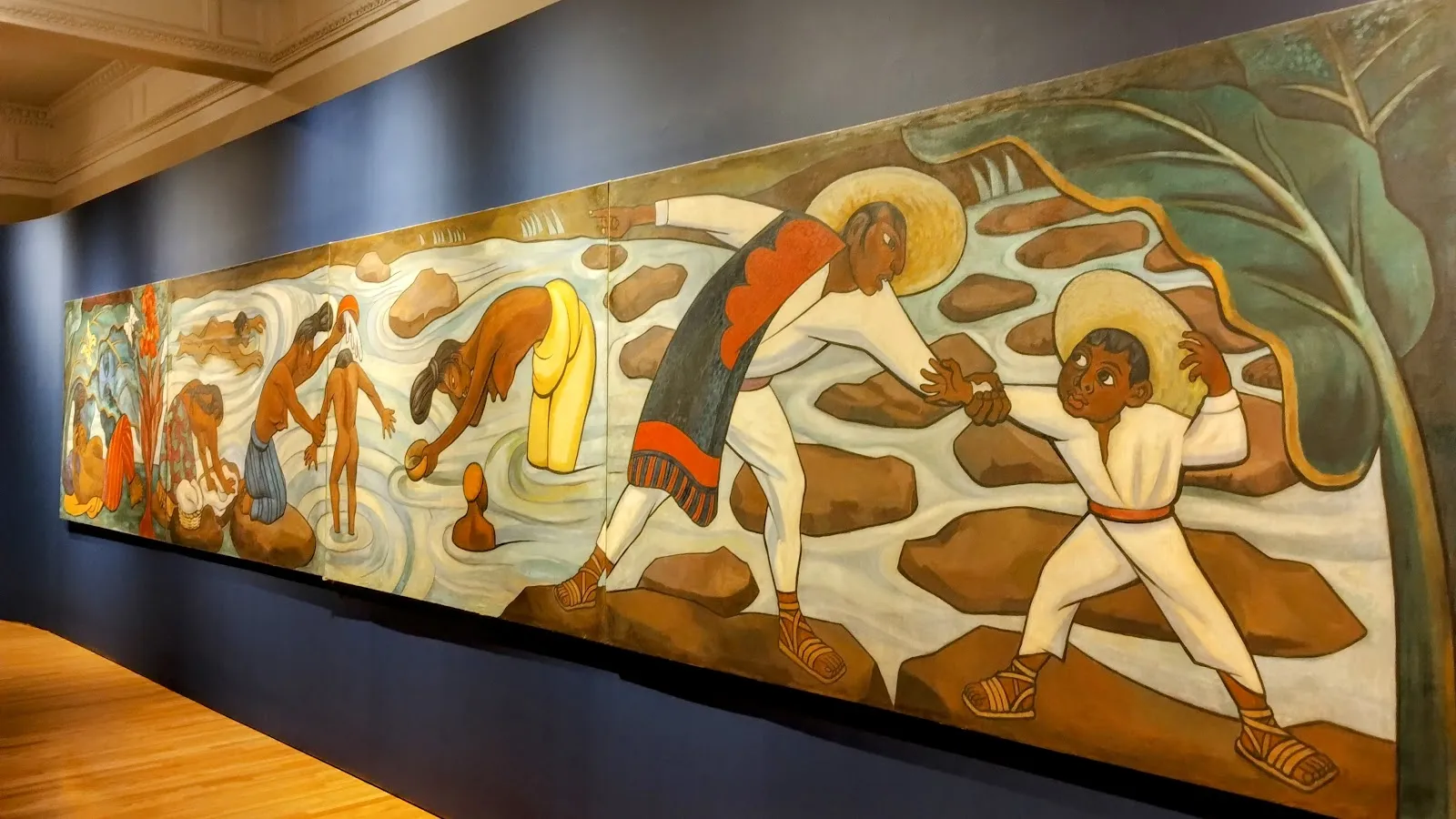
Some works to look for: José María Velasco's landscapes of the Valley of Mexico and its volcanoes, modernist works by Diego Rivera and Siqueiros, and a 17th-century portrait whose eyes seem to follow you across the room. The ground-floor sculptures and paintings are a favorite with some visitors. Which famous canvases are out can change, since the museum also rotates temporary exhibitions.
Planning the visit
Allow a couple of hours to see the permanent galleries without rushing. Attendants on the floors point visitors along the viewing routes, which helps if the layout is confusing.
Most explanatory texts are in Spanish. If you do not read it, the museum's guided tours or audio guides give more background on the works and their place in Mexican history.
The museum has a restaurant and restrooms, and the entrance, elevator and restrooms are wheelchair accessible. It is also set up for families, with changing tables and educational programs for children.
Perguntas frequentes
How much does MUNAL cost?
Admission is around 90 to 95 pesos per person. Entry is free on Sundays.
Can I pay by card at MUNAL?
The ticket office does not accept credit cards, so bring pesos in cash.
How long do you need at MUNAL?
Plan on about 2 to 3 hours to see the permanent galleries, the staircase and the patio at an easy pace.
Is there information in English?
Very little. Most labels are in Spanish, so a guided tour or audio guide is useful if you do not read it.
Is MUNAL open on Mondays?
No. The museum is closed on Mondays and open the other six days of the week.
Can I take photos inside?
Photography needs a permit, which costs a few pesos extra at the museum.