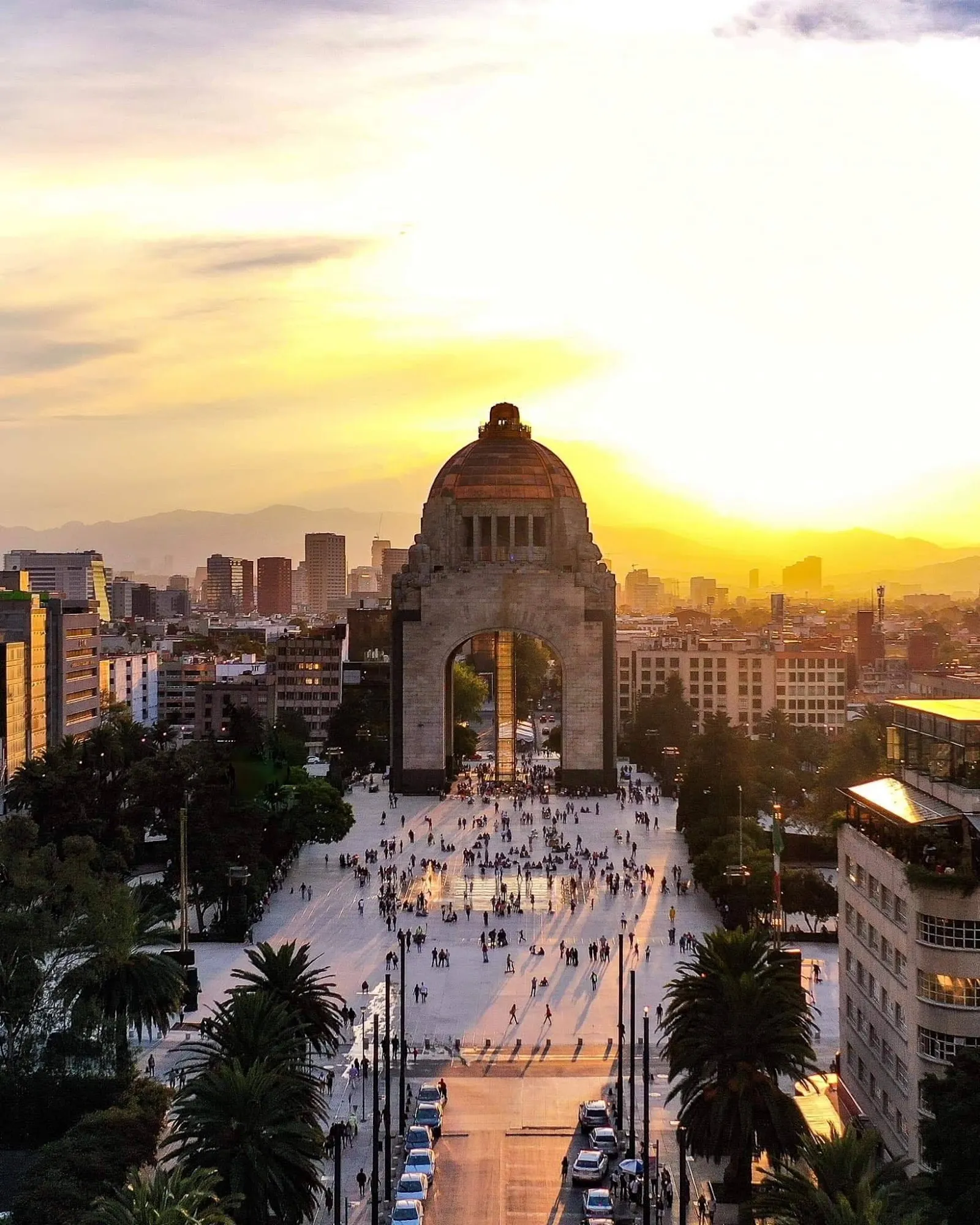
The Monument to the Revolution stands in the middle of Plaza de la República in Mexico City, a few blocks from the Centro Histórico. The 67-meter Art Deco dome began as a legislative palace and became a memorial to the Mexican Revolution of 1910. Its mausoleum holds the tombs of revolutionary leaders, and an underground museum tells the history of the conflict. A glass elevator carries you up to a 360-degree deck over the city. The plaza around the arch is open to walk, and the structure is lit in changing colors after dark.
From legislative palace to memorial
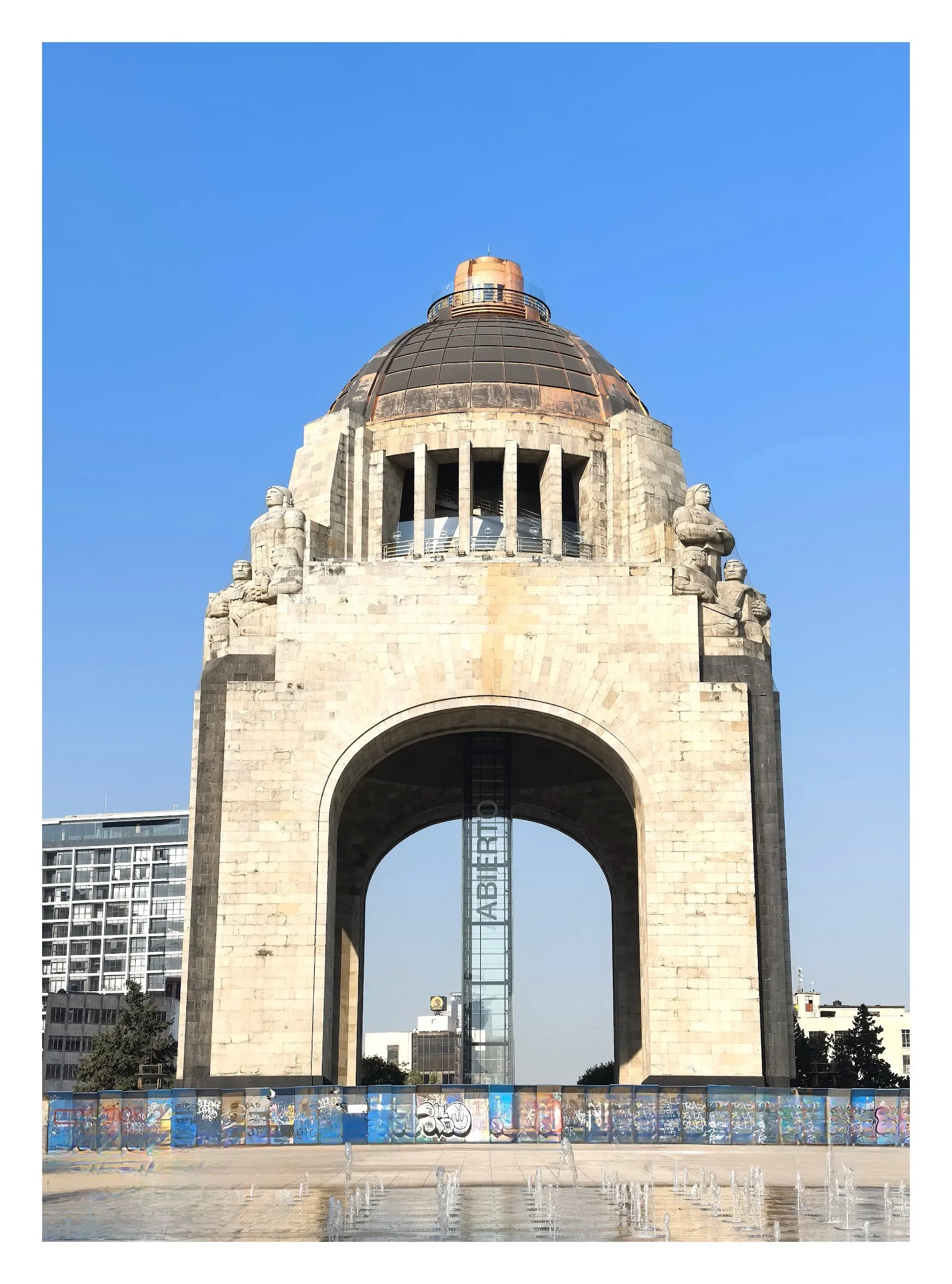
The building was designed as the Federal Legislative Palace, with chambers for deputies and senators. The Mexican Revolution interrupted construction, and there was talk of demolishing what had been built. Instead the structure was modified and given a new purpose: honoring the heroes of the revolution.
The monument was unveiled in 1938, and the work is credited to the architect Carlos Obregón Santacilia. It is made of a large dome carried on four massive pillars. At 67 meters, it is the tallest triumphal arch in the world, although it was never planned as one.
The mausoleum and the museum below
The monument is also a mausoleum. Its tombs include those of Pancho Villa, Francisco Madero, Venustiano Carranza, Plutarco Elías Calles and Lázaro Cárdenas. It is a place of remembrance, so keep your voice low and dress modestly.
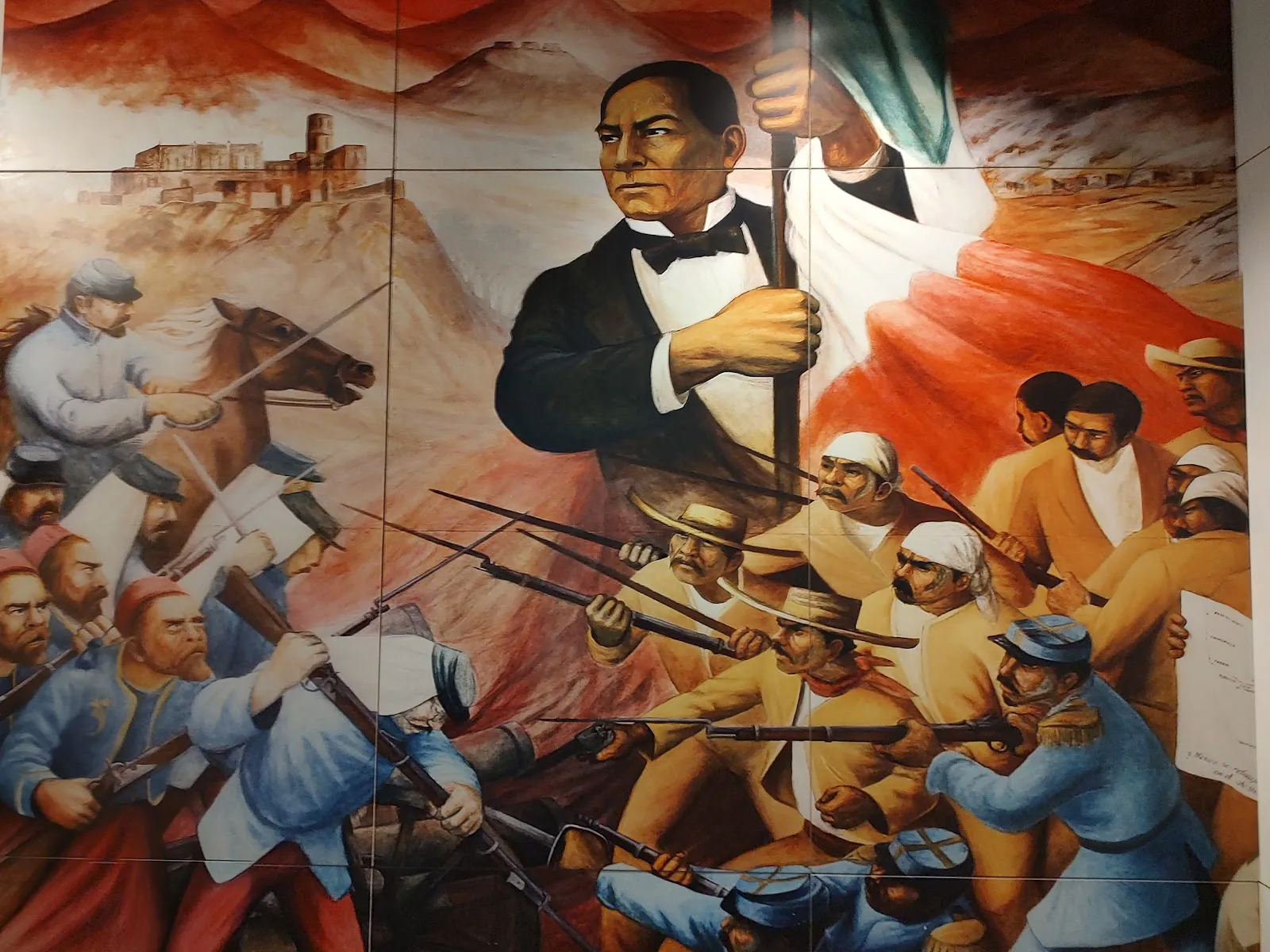
Beneath the arch is the Revolution Museum, built underground. The revolution began in 1910, lasted most of a decade and brought down the long rule of Porfirio Díaz. The museum sets out the longer story behind that summary. The basement level is narrow, and the history unfolds as you walk through it. Some visitors find the exhibits on the revolution itself brief, but the story of how the building changed purpose is told well.
If you take the free guided tour, you reach parts of the structure that are closed to other visitors. The tour is given in Spanish.
Up to the observation deck
A glass elevator takes you up inside the structure, so you see the city as you rise. The viewing deck sits at about 65 meters and looks out in every direction. Paseo de la Reforma runs off into the distance, and the western part of the city spreads out beyond it.
A final staircase leads on to the summit, and it is narrow and steep. There is a coffee spot on the deck, with crepes and paletas, and the view goes with them. You can also buy photos that place you in scenes from the revolution.
The deck is known for sunset, and sunrise views are possible too. For these slots you need to reserve with the venue.
The plaza and the evening
Plaza de la República is a wide public space where people walk, gather and photograph the arch. Cultural events are held here from time to time, including Aztec New Year celebrations. Vendor stalls sell souvenirs, and there are restaurants nearby. Walking around the arch costs nothing.
After sunset the monument and the fountains are lit in changing colors, which is a good reason to stay on once you come down from the deck.
Getting there and facilities
Metro Revolución (line 2) is the closest station. Metrobús stops at Plaza de la República (lines 1 and 4) and Glorieta de Colón (lines 4 and 7). The monument is also within walking distance of Alameda Central along Avenida Juárez.
The entrance and seating are wheelchair accessible, and a paid parking lot with an accessible section is on site. The complex has cafes, a gift shop and the separate museum, and the monument is suitable for children.
Perguntas frequentes
Is there an entry fee?
The plaza is free to walk around. Going up to the observation deck needs a ticket, and buying in advance is recommended. The price is not listed here, so check the official page.
How long do you need at the Monument to the Revolution?
Plan on 1 to 2 hours if you want to see the museum, ride the elevator and spend time on the deck. The deck visit alone is fairly quick.
When is the best time to go?
Late afternoon into sunset, when the view over the city is at its best. Reserve ahead for the sunset slot. Arriving just before nightfall also helps you avoid a wait, as it gets busier after dark.
How do you get to the Monument to the Revolution?
Take Metro line 2 to Revolución, or the Metrobús to Plaza de la República (lines 1 and 4) or Glorieta de Colón (lines 4 and 7).
Are the guided tours available in English?
The free guided tour is in Spanish only. It goes to areas that other visitors cannot enter and includes many stairs.
Is the monument accessible for wheelchair users?
The entrance and seating are wheelchair accessible. The basement and the final staircase to the summit are narrow.