The National Textiles Museum sits on Jalan Sultan Hishamuddin beside Merdeka Square, in a red-and-white Mughal-Islamic-style building completed in 1905. Across four galleries on two floors, it traces Malaysian textile traditions through fabrics, clothing, accessories and the tools and methods used to make them. Look for displays on batik, songket, embroidery and textile-making processes, with explanations of their cultural context. Its compact size makes it a manageable stop to pair with nearby heritage sights, even if textiles are not usually your first museum choice.
A former railway headquarters
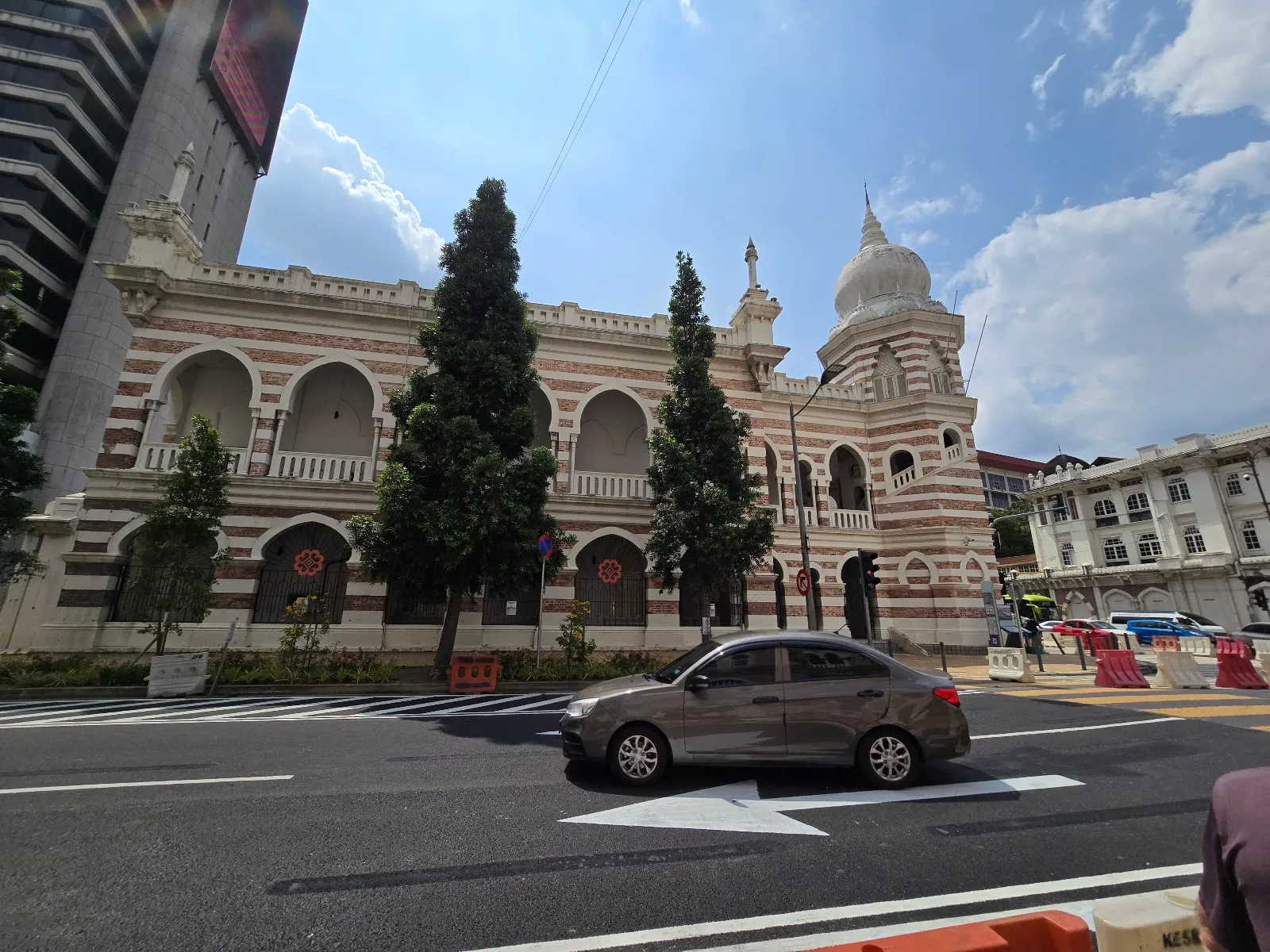
The museum occupies a heritage building at 26, Jalan Sultan Hishamuddin, beside Merdeka Square and the Sultan Abdul Samad Building. Completed in 1905, it was built for the Federated Malay States Railways. Its Mughal-Islamic design combines red brick and white plaster, with raised onion-shaped domes. The building later housed government departments before becoming a museum open to the public in 2010.
Its architecture provides an introduction to the visit: the museum’s setting connects Kuala Lumpur’s colonial-era civic buildings with displays about Malaysia’s textile traditions. The National Textiles Museum is also close to Masjid Jamek LRT station, about a 10-minute walk away.
Four galleries on two floors
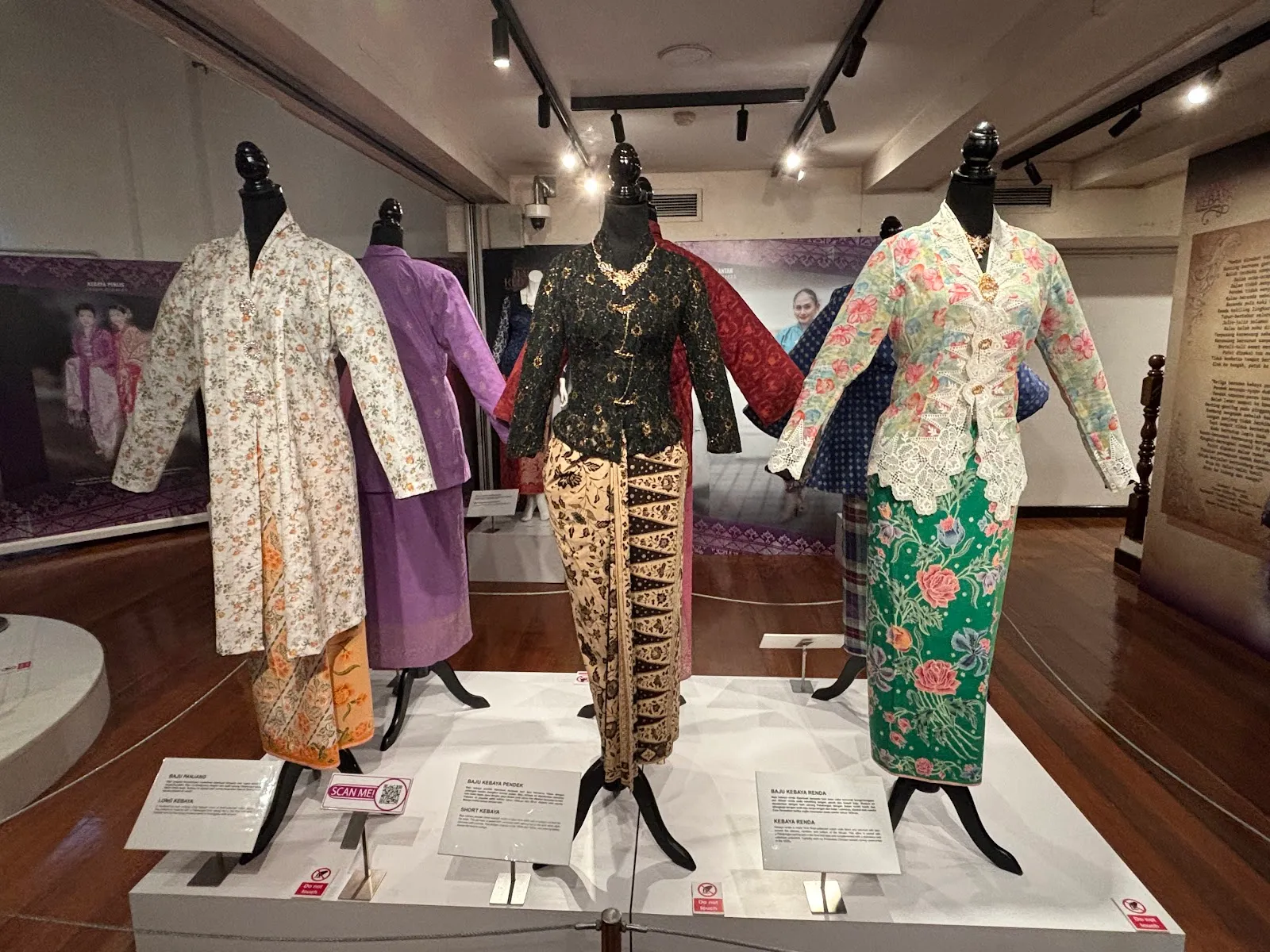
Four permanent galleries present the development of Malaysian textiles, the techniques used to produce them, and the garments and accessories made from them. Displays include fabrics associated with different ethnic communities, along with information about patterns, design and textile production. The collection brings together finished pieces and the equipment used to make them, so you can look at both the textiles and the processes behind them.
Batik and songket are among the traditions represented. Exhibits explain methods such as batik-making and embroidery, while tools and production machinery help show how cloth was made. Other displays cover traditional costumes, headgear, jewellery and personal adornments. The galleries are arranged across two floors; names given for the permanent spaces include Pohon Budi, Pelangi, Teluk Berantai and Ratna Sari.
What to look for
Take time to read the explanations beside the textiles. They describe how materials and techniques shape the finished fabric and explain the cultural significance of the pieces. Displays include traditional apparel and accessories as well as fabrics, with examples of textile methods and tools. A video also introduces different textile types and their development.
The galleries are kept dim to help protect the textiles. A temporary exhibition or collaboration may add a different perspective, so check what is on display when planning your visit. Children can explore the exhibits, and the museum has a wheelchair-accessible entrance, elevator and restroom. If you are visiting the area for its architecture or landmarks, Merdeka Square is an easy nearby addition.
Perguntas frequentes
Where is the National Textiles Museum?
It is at 26, Jalan Sultan Hishamuddin, beside Merdeka Square and the Sultan Abdul Samad Building in Kuala Lumpur.
What can you see at the museum?
Four permanent galleries cover Malaysian textiles, including batik, songket, traditional clothing, accessories, production tools and textile-making methods.
How do you get to the museum by public transport?
Masjid Jamek LRT station is about a 10-minute walk away.
Is the museum wheelchair accessible?
The museum has a wheelchair-accessible entrance, elevator and restroom.