Shitamachi Museum in Ueno Park recreates everyday life in Tokyo’s old downtown, with a focus on the Taisho period and exhibits spanning the Meiji to Showa eras. Walk through a merchant’s house and a small tenement building with a candy shop and coppersmith’s workshop, then look at the household items, tools, toys and posters on display. The museum also covers events such as the 1923 Great Kanto Earthquake. English-speaking volunteer guides can add context, and the second-floor activity area gives children a chance to handle objects and try hands-on displays.
Everyday life in old downtown Tokyo
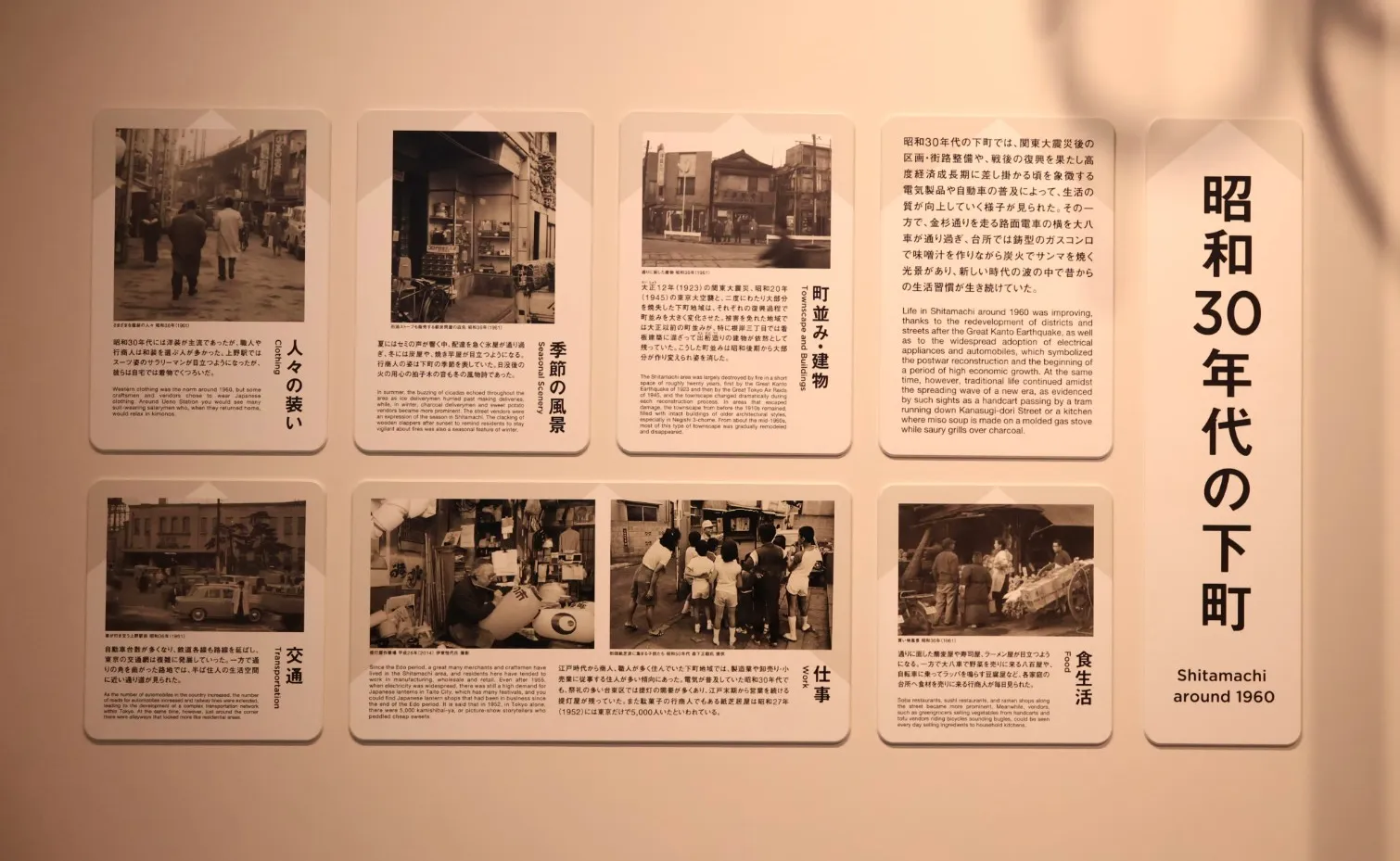
Shitamachi means “lower town” and refers to the historic districts where ordinary residents, including craftsmen, fishermen and merchants, lived and worked. The museum focuses on this side of Tokyo’s past, preserving details of daily life that can be hard to picture from the city’s modern streets.
The collection spans the Meiji period through the Showa period, with particular attention to the Taisho era, from 1912 to 1926. Recreated rooms and shops show how people lived and worked, while objects such as furniture, household goods, tools, clothing and posters add detail to the setting.
Walk through recreated homes and shops
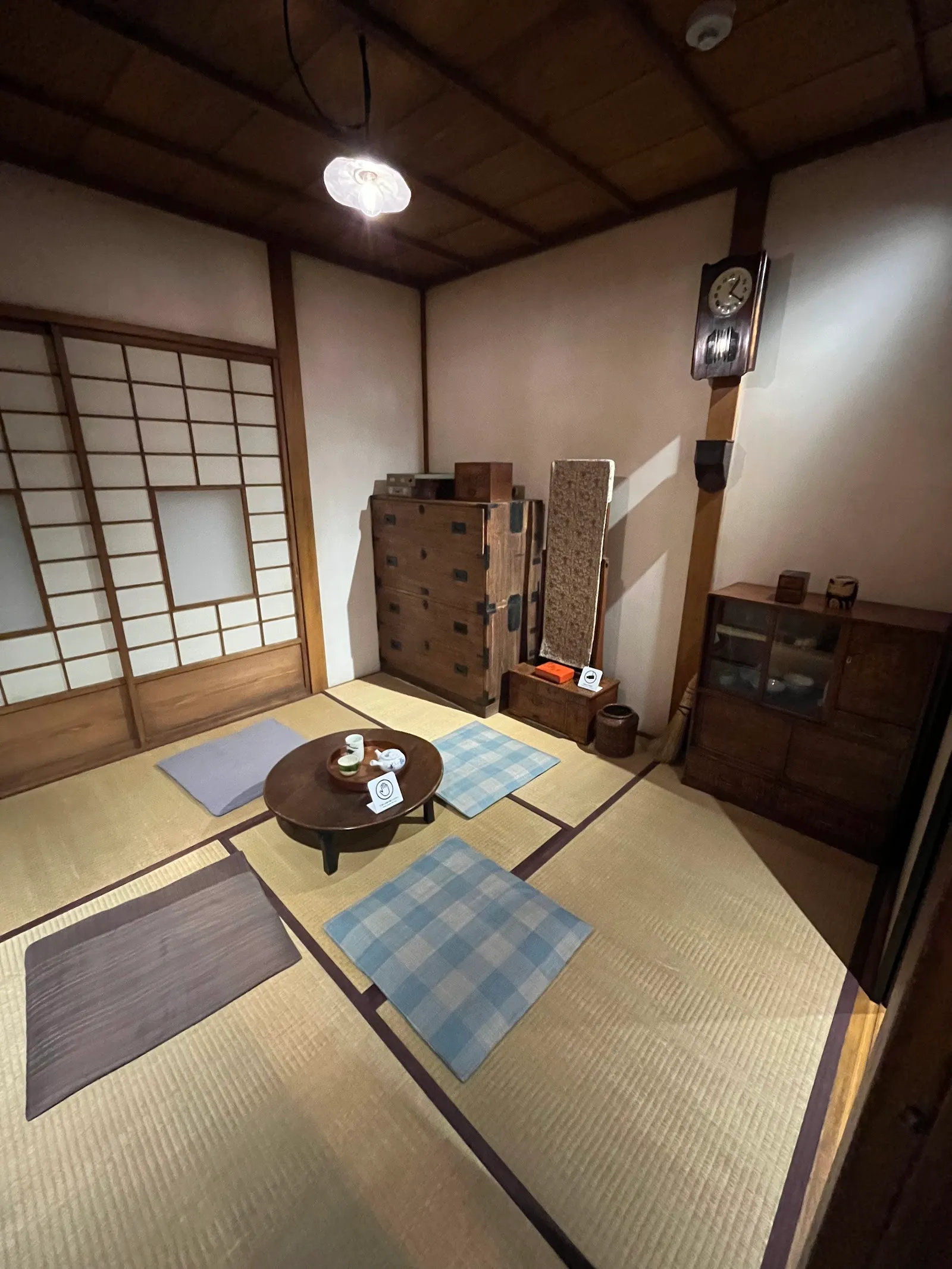
On the first floor, a merchant’s house and a Taisho-period tenement building recreate a small section of an old downtown street. The tenement includes a candy shop and a coppersmith’s workshop, giving you a closer look at the kinds of businesses found in the neighborhood. The exhibits are arranged so you can explore the interiors and see the spaces where people lived and worked.
Upstairs, historical objects include wooden toys, housewares and clothing. Some items associated with the downtown area can be touched, and the second-floor activity area has hands-on displays for children. Posters and household objects help show the changing textures of everyday life across the periods covered.
The city shaped by the 1923 earthquake
The museum also introduces major events that changed Tokyo, including the Great Kanto Earthquake of 1923. The recreated streets and buildings offer context for the neighborhoods that were damaged or lost, while the displays connect that history to ordinary homes, shops and working life.
Shitamachi’s history reaches back further than the reconstructed Taisho street. The term was used for the lower-lying eastern parts of old Tokyo, where commoners lived in a city whose land was divided among different social groups. As the city expanded, the area associated with the name grew to include districts that are now part of several Tokyo wards.
Guides and a visit with children
English-speaking volunteer guides are available to explain the displays and the history behind them. If you want a guided visit, ask about the tours when you arrive. You can also walk through the exhibits independently, taking time to look inside the reconstructed buildings and examine the objects on the upper floor.
The touchable items and hands-on area make the museum a practical stop for families. Weekends can be busier, so a weekday visit may leave more room to explore. Its location beside Shinobazu Pond also makes it easy to combine the museum with a walk through Ueno Park.
Perguntas frequentes
What can you see at the Shitamachi Museum?
The museum recreates a merchant’s house and a Taisho-era tenement with a candy shop and coppersmith’s workshop. Displays include household objects, tools, toys, clothing and posters.
Are English-speaking guides available?
English-speaking volunteer guides can lead tours and explain the exhibits. Ask about availability when you arrive.
Is the Shitamachi Museum suitable for children?
Yes. The second floor has hands-on displays and a toy and activity area, and some historical objects can be touched.
What is the best day to visit?
Weekdays are a good choice if you want to avoid the busier weekend periods.