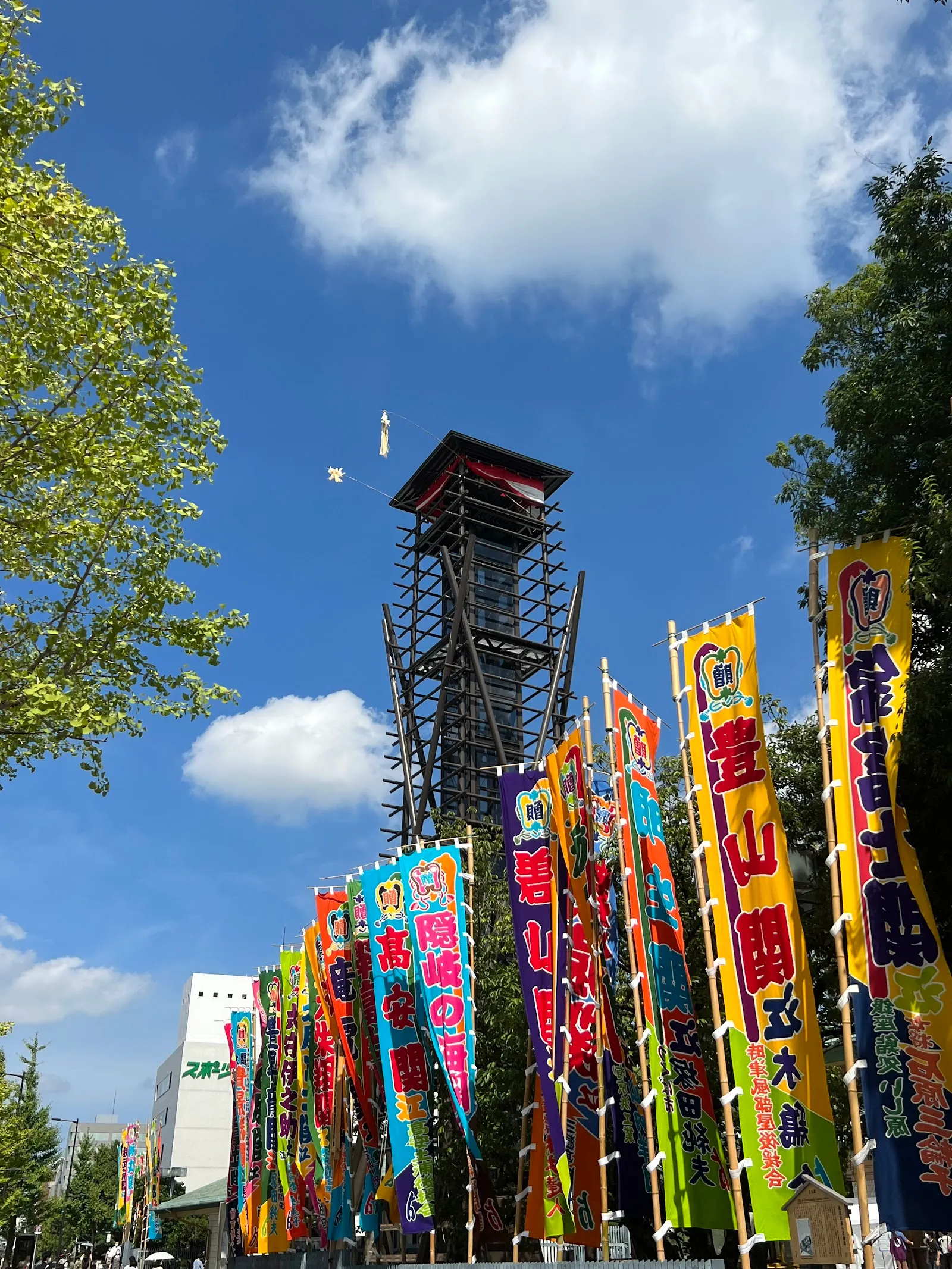
Ryogoku Kokugikan is Tokyo’s main sumo arena, in the Yokoami area of Sumida City. Its circular layout gives spectators views of the raised ring, where quick bouts unfold amid formal pre-match rituals, including the throwing of salt. Three Grand Sumo tournaments take place here each year, in January, May and September, and the venue also hosts other events. If you visit outside tournament dates, the on-site Sumo Museum has displays connected to the sport’s history and culture.
Tokyo’s sumo arena
Ryogoku Kokugikan stands in the Yokoami area of Sumida City and is best known as the venue for Tokyo’s Grand Sumo tournaments. The current arena opened in 1985. Its seating surrounds a raised central ring, so the action is visible from different sides of the hall. The building can hold more than 10,000 spectators.
Sumo events are not on the schedule every day. The arena hosts three of Japan’s six annual Grand Sumo tournaments, in January, May and September. Each runs for 15 consecutive days. Dates and events can change, so check the official schedule before planning a visit. The venue also hosts events such as boxing, professional wrestling and live music.
What happens during a tournament
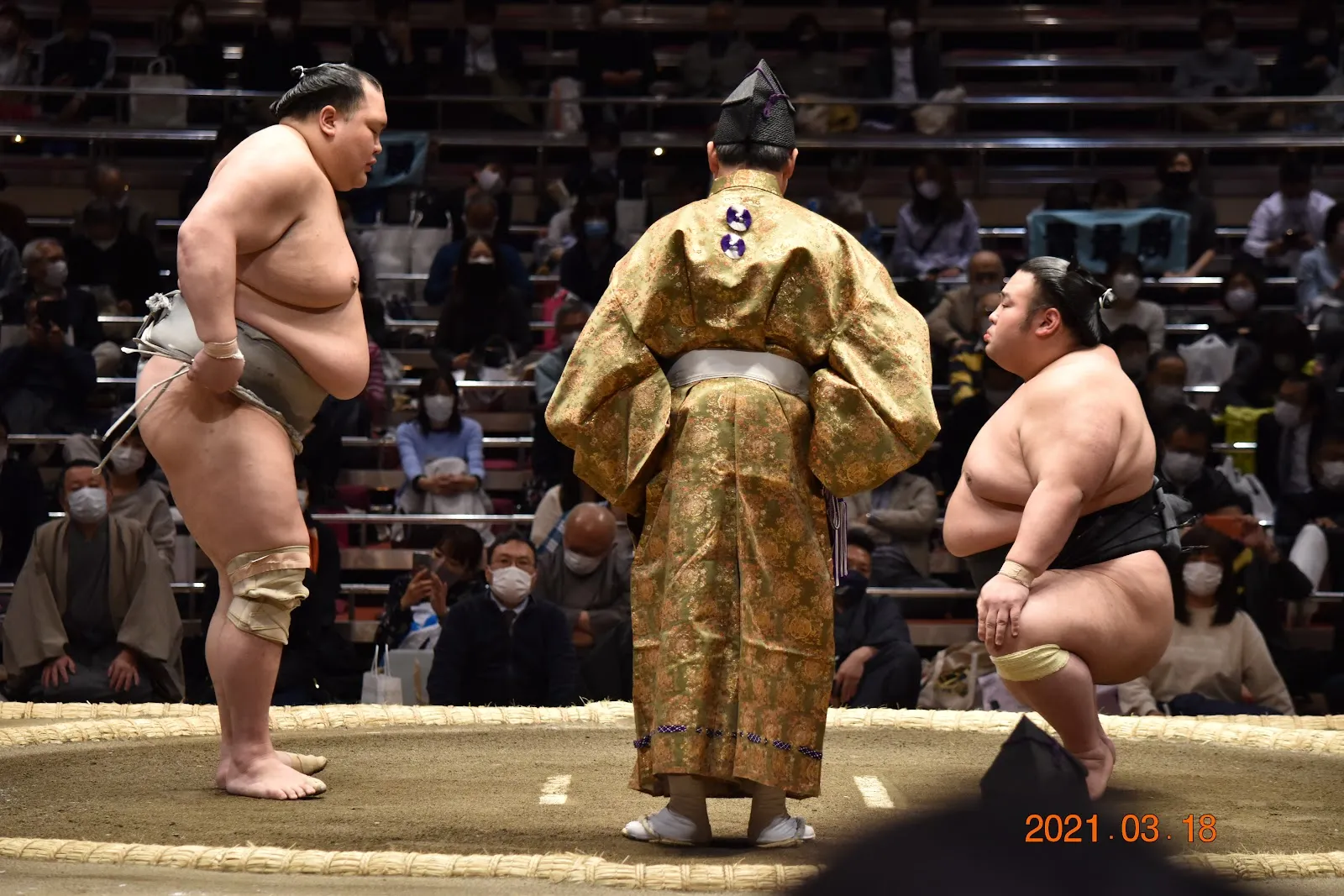
A tournament day brings a series of bouts to the ring. Individual matches are short, but the time between them includes formal rituals that are part of the spectacle. Before a bout, wrestlers throw salt into the ring, a purification gesture. The crowd’s response adds to the atmosphere, while the arena’s circular arrangement keeps the contest in view from around the hall.
The day’s programme includes wrestlers of different ranks. Arriving in the morning gives you a chance to see lower-ranked competitors, before the more senior bouts later in the day. If you want to follow the ceremonial details as well as the wrestling, reading about sumo or watching a broadcast beforehand can help you understand what is happening.
Choosing a seat and planning tickets
Seats range from places close to the ring to box and chair seating farther back. The viewing angle changes around the arena, but the ring sits at the centre of the hall. Tickets can be difficult to obtain, so check the event calendar and make arrangements ahead of your visit. Some events outside the Grand Sumo tournaments may have different arrangements.
Weekdays tend to be less crowded than weekends during tournaments. An early arrival is also useful if you hope to watch the morning bouts. The venue’s website is the place to check current event details and ticket information.
The Sumo Museum and the Ryogoku area
The Sumo Museum is located beside the main hall and displays objects connected to sumo, including woodblock prints, ceremonial ropes and photographs of past grand champions. It gives you another way to explore the sport when no tournament is taking place, though the arena’s event schedule determines access to the main venue.
Ryogoku is closely associated with sumo, and the surrounding neighborhood has sumo-themed restaurants and training stables. Some stables allow visitors to watch morning practice by arrangement. Check directly with the relevant venue for current access and booking details.
Perguntas frequentes
When are the Grand Sumo tournaments held at Ryogoku Kokugikan?
The arena hosts tournaments in January, May and September. Each tournament runs for 15 consecutive days; check the official schedule for current dates.
Can you visit Ryogoku Kokugikan outside tournament season?
The arena also hosts other events, including boxing, professional wrestling and live music. The Sumo Museum beside the hall has displays about the sport, but check the schedule before visiting.
Is there a Sumo Museum at Ryogoku Kokugikan?
Yes. The museum is beside the main hall and displays items such as woodblock prints, ceremonial ropes and photographs of past grand champions.
How can I get tickets for a tournament?
Check the arena’s official website for event and ticket details. Tournament seats can be difficult to secure, so arranging tickets in advance is advisable.