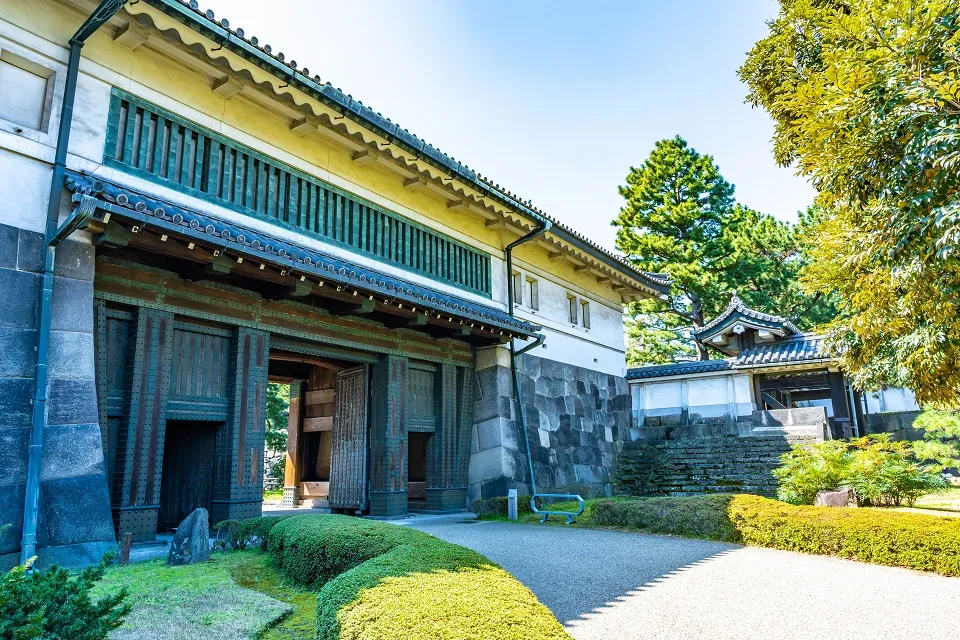
Kabuki-za is Tokyo’s principal theater for kabuki, the traditional dance-drama known for expressive acting, live music, elaborate costumes and stylized makeup. The Ginza building pairs Japanese-style details, including a tiled roof and balustrade, with a modern tower. You can see a full program or choose a single act for a shorter introduction. An English audio guide or translation tablet can help you follow the story. Even without a ticket, explore the shops and restaurants in the basement or visit the kabuki gallery on the fifth floor.
A Ginza theater built for kabuki
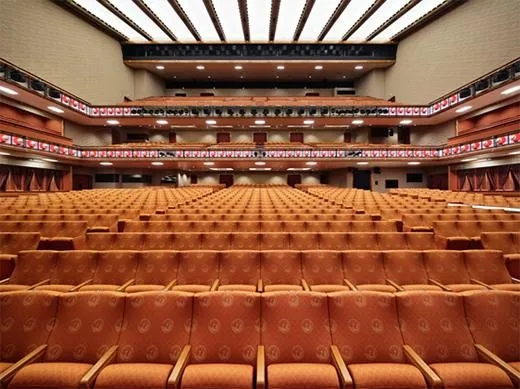
Kabuki-za opened in Ginza in 1889 as a theater devoted to kabuki. Fires, wartime damage and later rebuilding changed the building over time. The present theater was completed in 2013 as part of a complex that also includes an office tower.
Its exterior brings Japanese-style details, such as a tiled roof and balustrade, into the Ginza streetscape. The theater is a destination in its own right if you want to see the architecture, but a performance gives you a closer look at the art it was built to present.
What to expect from a performance
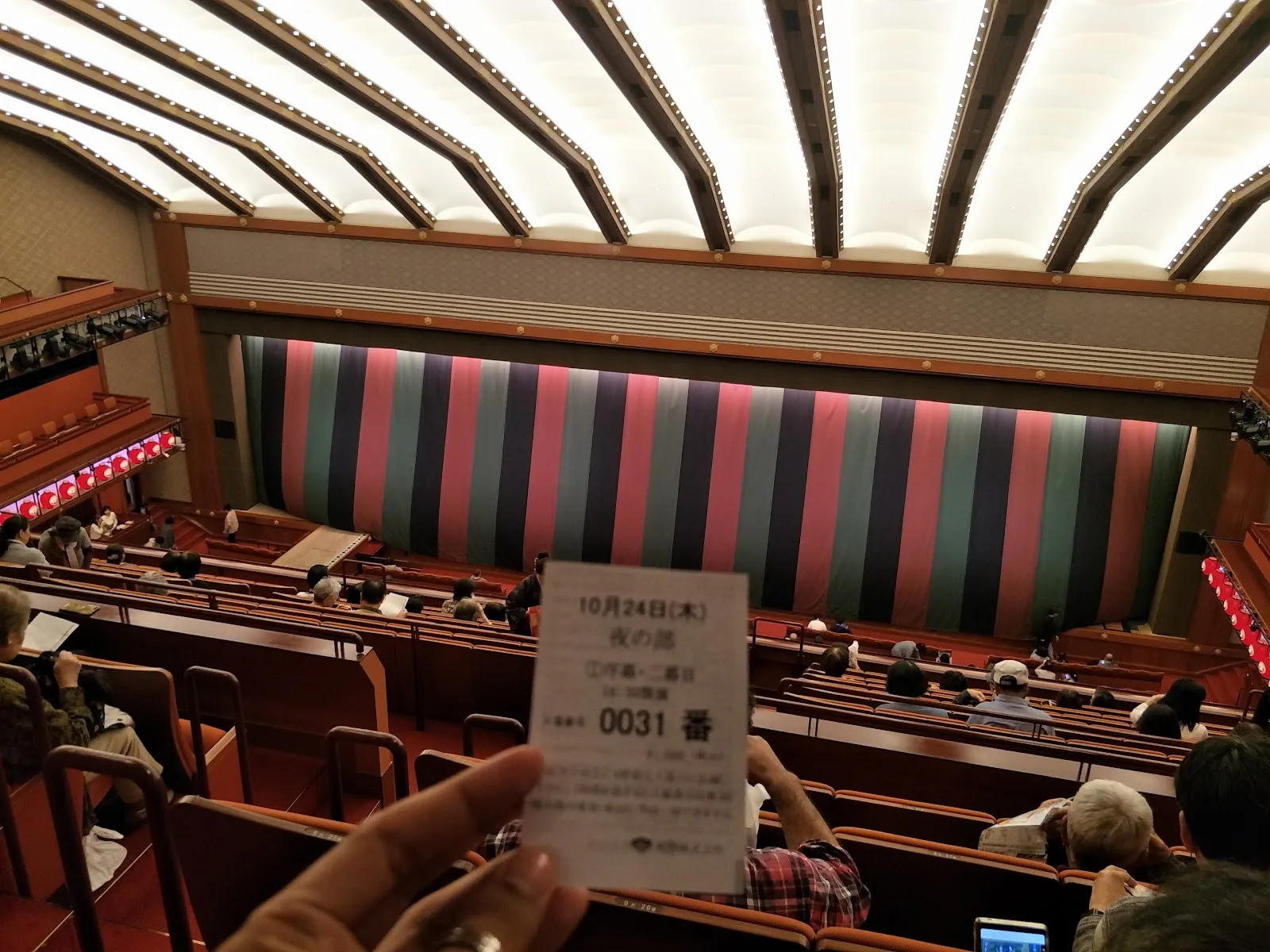
Kabuki combines dance, drama and music. Performers use stylized movements and expressive gestures, with elaborate costumes and makeup that shape each character. The music and delivery can be difficult to follow if you do not understand Japanese, and the theatrical pace may feel measured if you are used to faster-moving shows.
A full program is divided into several acts and can last three to five hours. Single-act tickets let you see one part of a program instead. That shorter format is a practical way to try kabuki without setting aside most of a day. The time for an individual act varies across the available material, so check the details for the performance you plan to see.
Following the story and exploring the building
English audio guides and translation devices can help explain the storyline during a performance. Some translation options are rented for an additional charge. Check what is available when arranging your ticket, especially if understanding the plot matters to you.
You can visit the building without attending a show. The basement has shops and restaurants, including stores selling kabuki-related goods. On the fifth floor, the kabuki gallery displays costumes and props used in the art form; admission is charged. These spaces give you a way to learn about kabuki and see related objects even if a full performance does not fit your plans.
Perguntas frequentes
Can I see just one act at Kabuki-za?
Yes. Single-act tickets let you attend part of a program, making for a shorter introduction than a full performance.
How long does a Kabuki-za performance take?
A full program can last three to five hours. A single act is shorter, but its length depends on the performance.
Is there English-language help during performances?
English audio guides and translation devices are available to help you follow the story. Some devices may have an extra rental charge.
Can I visit Kabuki-za without seeing a performance?
Yes. The building has shops and restaurants in the basement, and a gallery displaying kabuki costumes and props on the fifth floor. The gallery charges admission.