Hanazono Shrine is a Shinto place of worship in Shinjuku, at 5 Chome-17-3 Shinjuku, close to Kabukicho and Golden Gai. Its vermilion buildings and torii gates make a striking contrast with the surrounding streets, while the grounds provide a calm place to pause. The shrine is dedicated to Inari, associated with agriculture and prosperity, and smaller shrines include one linked with performers. Look for amulets and goshuin at the shrine office, or plan a Sunday visit for the antique market.
A shrine in Shinjuku’s history
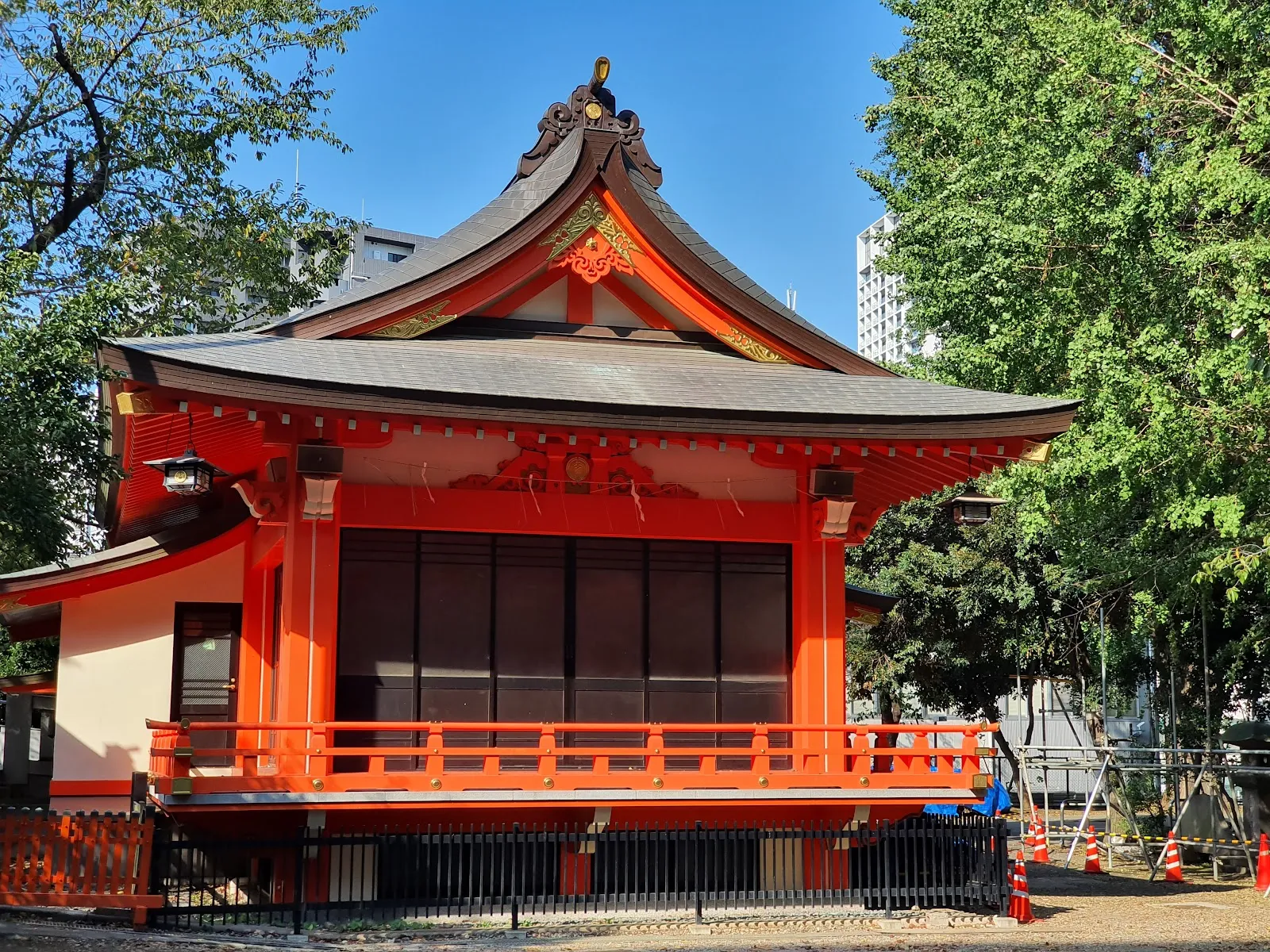
Hanazono Shrine has served as a guardian shrine for Shinjuku since before the Edo shogunate began in 1603. Its location changed in 1644, when it moved to land that had been part of the Owari lord’s residence in Edo. The name Hanazono means “flower garden” and refers to the garden land where the shrine was established.
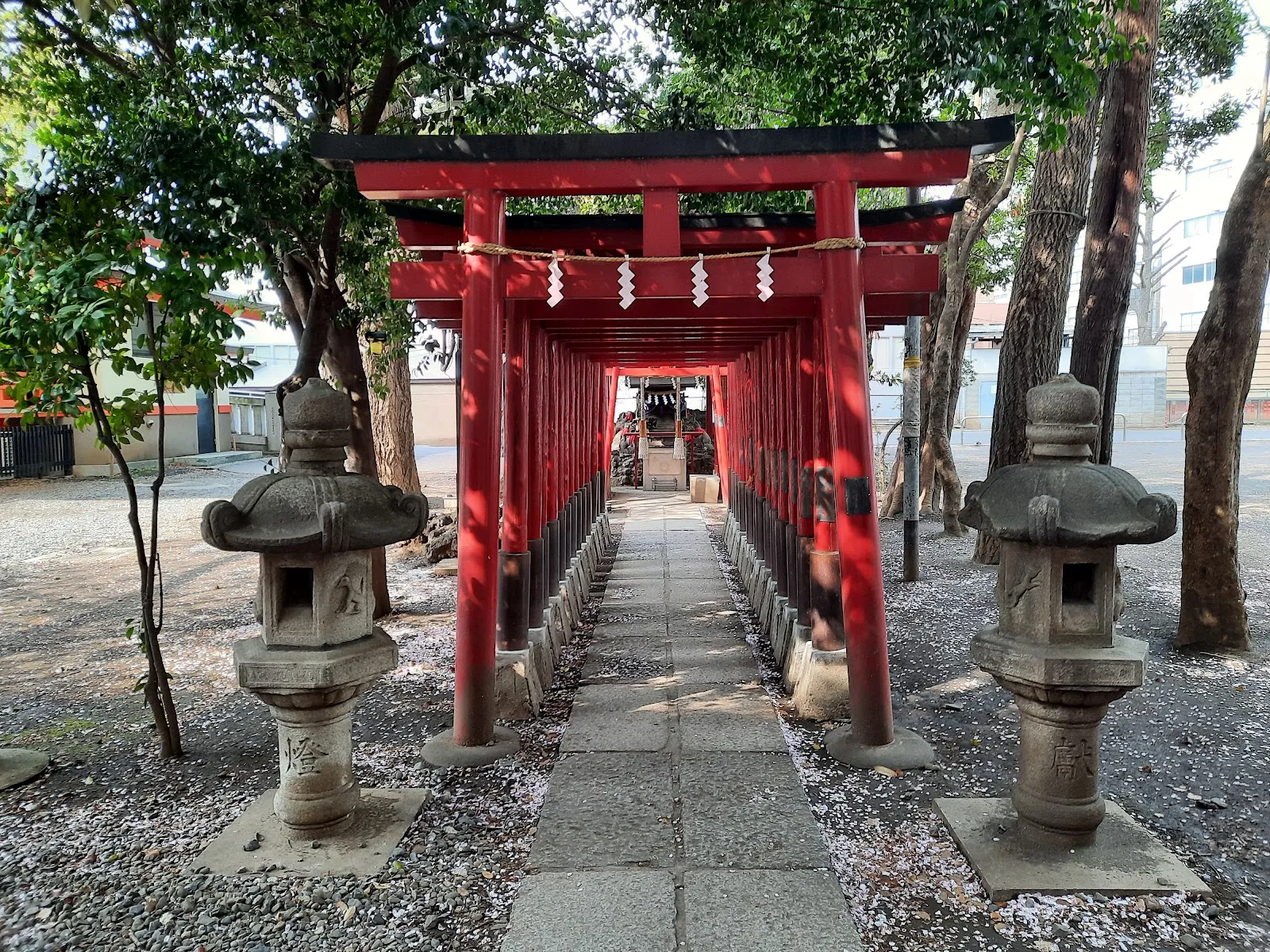
The shrine is dedicated to Inari, a deity associated with agriculture and prosperity. The grounds also contain smaller shrines connected with other wishes and communities. Geino Asama Shrine, for example, draws people in the performing arts who come to pray before important work. Itoku Inari Shrine is known for its row of torii gates and is associated with matchmaking and family hopes.
What to see in the grounds
The red torii gates leading toward Itoku Inari are among the most recognisable details of the visit and a popular place to take photographs. Look, too, for the shrine’s copper karajishi, lion figures that guard the grounds and have been designated Tangible Cultural Properties.
The main shrine and its smaller worship sites make for a compact walk. You may see people stopping to pray, so keep your voice low and give them space. Before making an offering or taking part in a prayer ritual, check the local procedure; the shrine’s English signage is limited. The shrine office sells amulets and goshuin, along with other traditional items.
Markets and festival days
On many Sundays, the grounds host an antique market with roughly 25 to 30 stalls. Finds can include old books, scrolls, lacquerware, kimonos, coins and small pieces of furniture. The market gets going around 6:30 a.m.; some stalls start to pack up at about 3 p.m. Rain or a festival can prevent it from taking place, so an early visit gives you more time to browse.
The busiest annual event is Tori-no-Ichi, held in November. Stalls sell decorated rakes associated with wishes for good fortune in business, and lanterns add to the festival atmosphere. The shrine also holds a grand festival in May, with a larger procession in even-numbered years and smaller neighbourhood mikoshi gatherings in odd-numbered years. These events bring a lively change of pace, but the grounds can be crowded.
Perguntas frequentes
Is Hanazono Shrine free to visit?
There is no admission fee.
Where is Hanazono Shrine?
It is at 5 Chome-17-3 Shinjuku, Shinjuku City, near Kabukicho and Golden Gai.
When is the antique market at Hanazono Shrine?
It is held on many Sundays, starting around 6:30 a.m. Stalls may begin packing up around 3 p.m.; bad weather or festivals can affect the market.
What is Tori-no-Ichi at Hanazono Shrine?
It is a November festival with stalls selling decorated rakes associated with good fortune in business. The event draws crowds.