
Mount Fuji rises to 3,776 metres between Shizuoka and Yamanashi, Japan’s highest peak and a sacred mountain with a near-symmetrical profile. Climb to the summit for a sunrise view and a strong sense of achievement, or admire the mountain from lower vantage points if a long hike is not for you. Weather can change quickly, and clouds may hide the views, so prepare carefully and allow flexibility. At the top, you can warm up with noodles or coffee while waiting for sunrise.
A sacred mountain and artistic subject
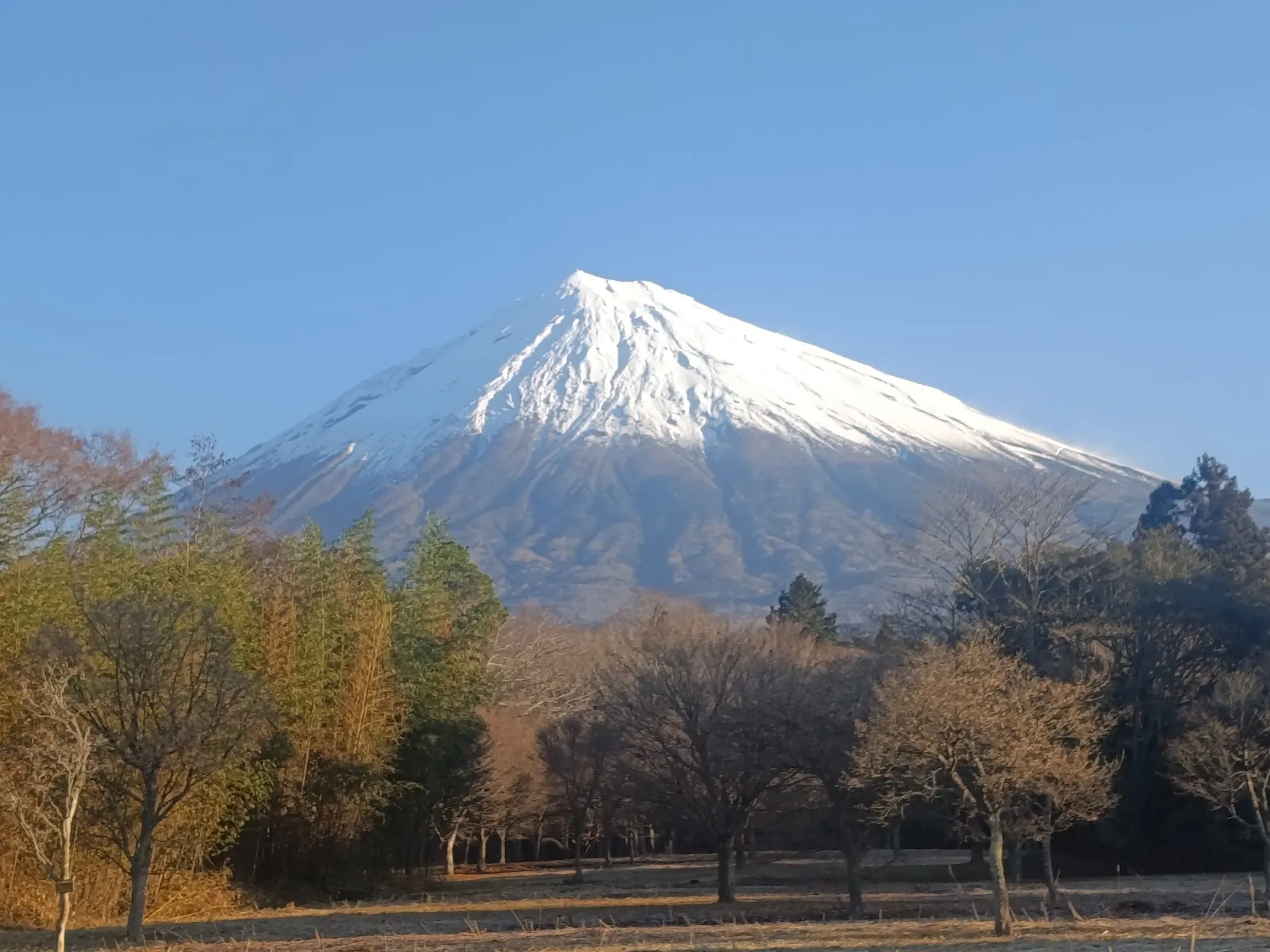
Mount Fuji is Japan’s highest peak, standing 3,776 metres above sea level across Shizuoka and Yamanashi prefectures. Its balanced, almost circular outline has inspired poetry and painting for centuries. The eighth-century poet Yamabe Akahito wrote about the mountain, and Hokusai later made it the subject of a celebrated series of woodblock prints.
Fuji has been associated with Shinto worship since at least the seventh century. More than a thousand Sengen shrines across Japan are dedicated to Princess Konohanasakuya, the deity connected with the mountain. The religious sites, trails and other locations linked to Fuji were inscribed as a UNESCO World Heritage property in 2013. Fujisan Hongu Sengen Taisha in Fujinomiya remains an active shrine.
The mountain also has living traditions. The Yamabiraki, or mountain-opening ceremony, takes place on July 1. Fujiyoshida’s Yoshida Fire Festival is held on August 26 and 27. Women were once prohibited from climbing Fuji, a restriction that ended with the Meiji Restoration in 1868.
What the summit climb involves
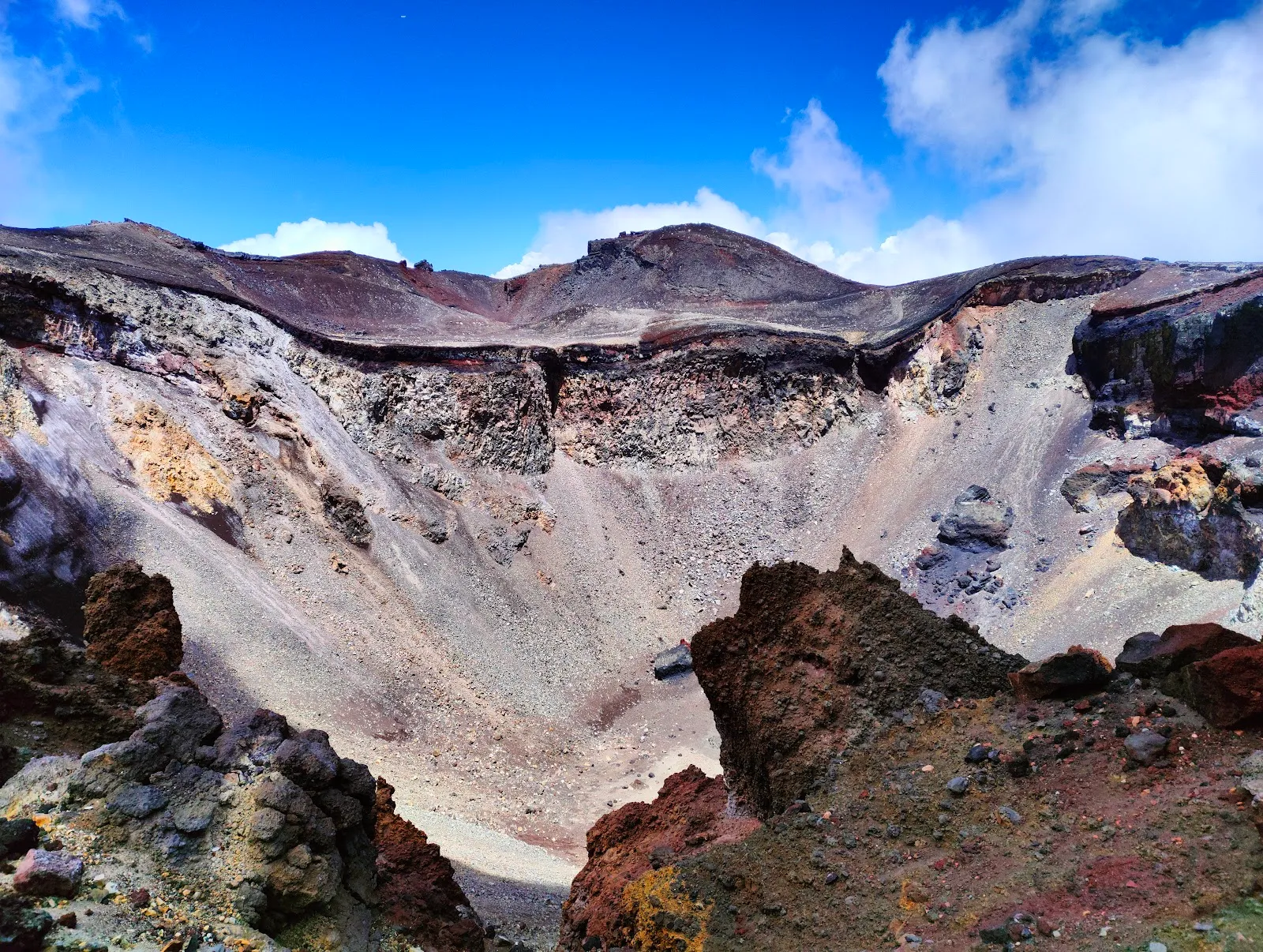
The full ascent takes around five to seven hours, followed by roughly four hours on the descent. Many climbers begin partway up the mountain, at one of several fifth stations reached by road. The popular Yoshida Trail has the largest number of mountain huts, where climbers can find food, water and toilets. Buses run from Shinjuku Station to its trailhead at Fuji Subaru Line Fifth Station.
The climbing season is in summer, when mountain huts operate and access is easier than in snowier months. The mountain draws large crowds during this period, especially in August. If you want to reduce the chance of sharing the trail with as many people, consider a weekday before the Japanese school holiday period begins in late July.
The ascent is strenuous, and the mountain’s weather is unpredictable. Prepare physically, bring suitable equipment and plan your climb with care. Reaching the top is not a guarantee of clear views: cloud can cover the summit. Sunrise is a popular goal, and some climbers stay overnight in a hut before setting out for the final stretch. Hot noodles or coffee at the peak restaurant can help you keep warm while you wait.
Routes, huts and lower viewpoints
Fuji is divided into ten numbered stations from its base to the summit. Road access to fifth stations lets many hikers start above the mountain’s lower slopes. The Yoshida route is a practical choice for climbers who want access to a larger number of huts and direct bus service from Tokyo’s Shinjuku Station.
A mountain hut can make an overnight ascent possible, but booking independently may be difficult during the busy season. Reserve well in advance, particularly for August, or consider joining a tour if you are having trouble arranging a place to stay.
You do not have to climb to appreciate Fuji. Viewpoints around the mountain’s base provide opportunities to see or photograph it, and visibility changes with weather and season. Winter often brings clearer views than summer, when haze can obscure the mountain. Cherry blossom season is another popular time to see Fuji, though conditions vary.
Plan for conditions, not just the view
Fuji’s landscape is exposed, and the summit can be cold even when conditions lower down feel mild. Weather can shift during the climb, so prepare for more than one set of conditions rather than relying on a forecasted view. Allow time for both the ascent and descent, and do not treat the route as a short summit walk.
Crowds are part of the summer climbing experience. Starting on a weekday before school holidays may help you avoid the busiest period, but it does not guarantee an empty trail. If the climb does not suit your fitness, schedule or the weather, choose a lower viewpoint instead. You can still see the mountain’s distinctive form without attempting the long ascent.
Perguntas frequentes
How long does it take to climb Mount Fuji?
The ascent takes about five to seven hours, and the descent around four hours. Many climbers start at a fifth station rather than at the mountain’s base.
When can you climb Mount Fuji?
The climbing season is in summer, when the mountain huts operate and access is easier. The supplied information places the season from early July into early September, but dates can vary.
Do you need to book a mountain hut?
If you plan to stay overnight, book well ahead, especially for August. A tour is another option if arranging a hut independently proves difficult.
Can you see Mount Fuji without climbing it?
Yes. Viewpoints around the mountain’s base are suitable for seeing or photographing Fuji without making the summit hike.


