
Sanzen-in is a Tendai Buddhist temple in Ohara, a rural area in northern Kyoto. Its grounds combine moss gardens, maple and cedar trees, ponds, walking paths and temple halls. Look for small stone Buddha figures among the greenery, then take in the gardens from the tatami-floored halls. The temple is known for its autumn colour, especially around mid-November, and hydrangeas add seasonal interest in summer. Set aside time to explore at an unhurried pace; Ohara is about an hour from central Kyoto by public transport.
A temple in rural Ohara
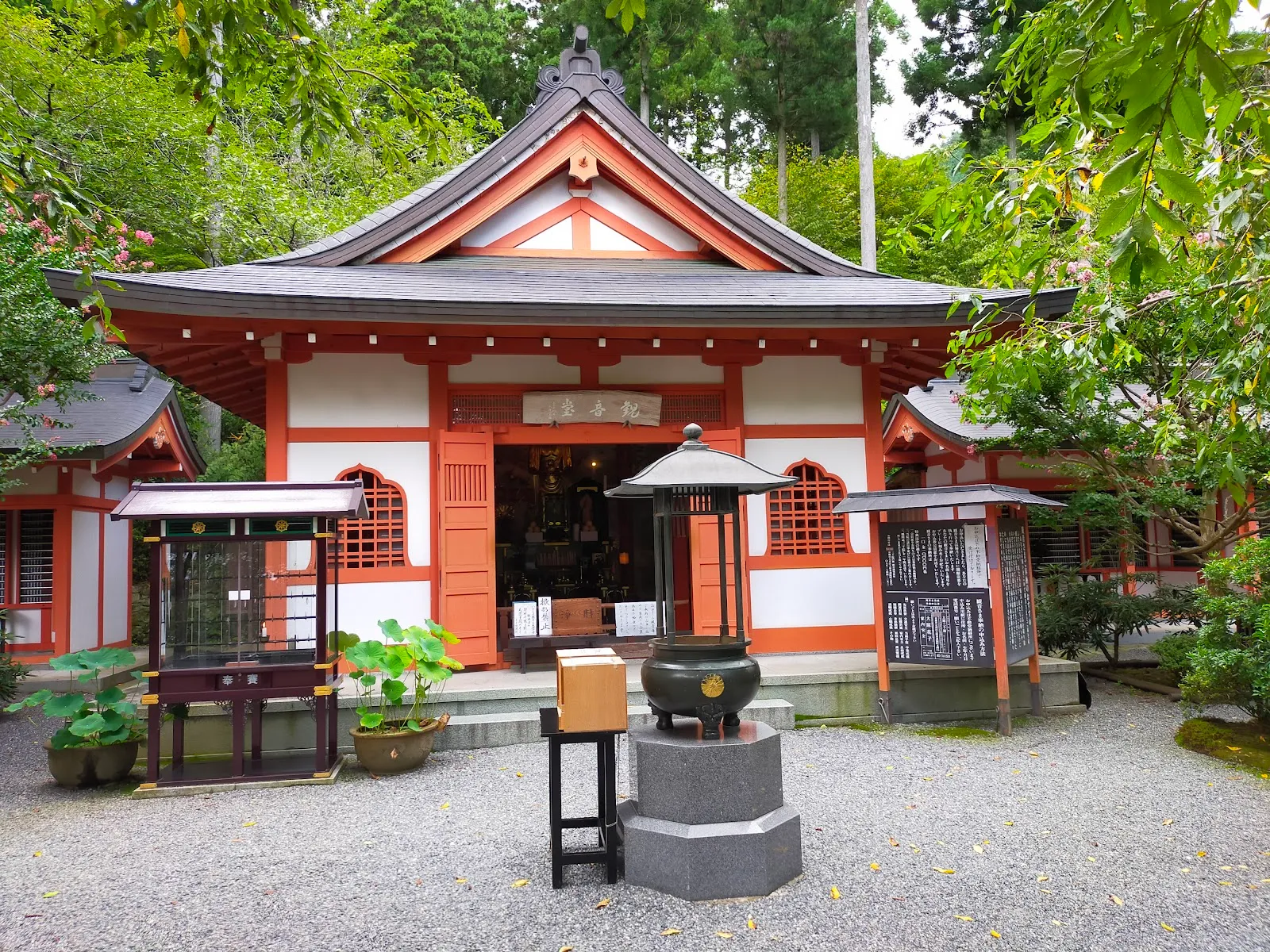
Sanzen-in stands in Ohara, a rural area in northern Kyoto, about an hour north of Kyoto Station by public transport. Its setting feels different from the city’s central temple districts: the grounds include Japanese gardens, ponds, walking paths, cedar trees and maple groves.
The temple belongs to the Tendai school of Japanese Buddhism. It was founded by the monk Saicho in the late eighth century and moved to its present site in the latter half of the 15th century, after wars devastated Kyoto. It is also a monzeki temple, a type of temple whose head priests historically included members of the Imperial family.
Gardens, halls and Buddhist figures
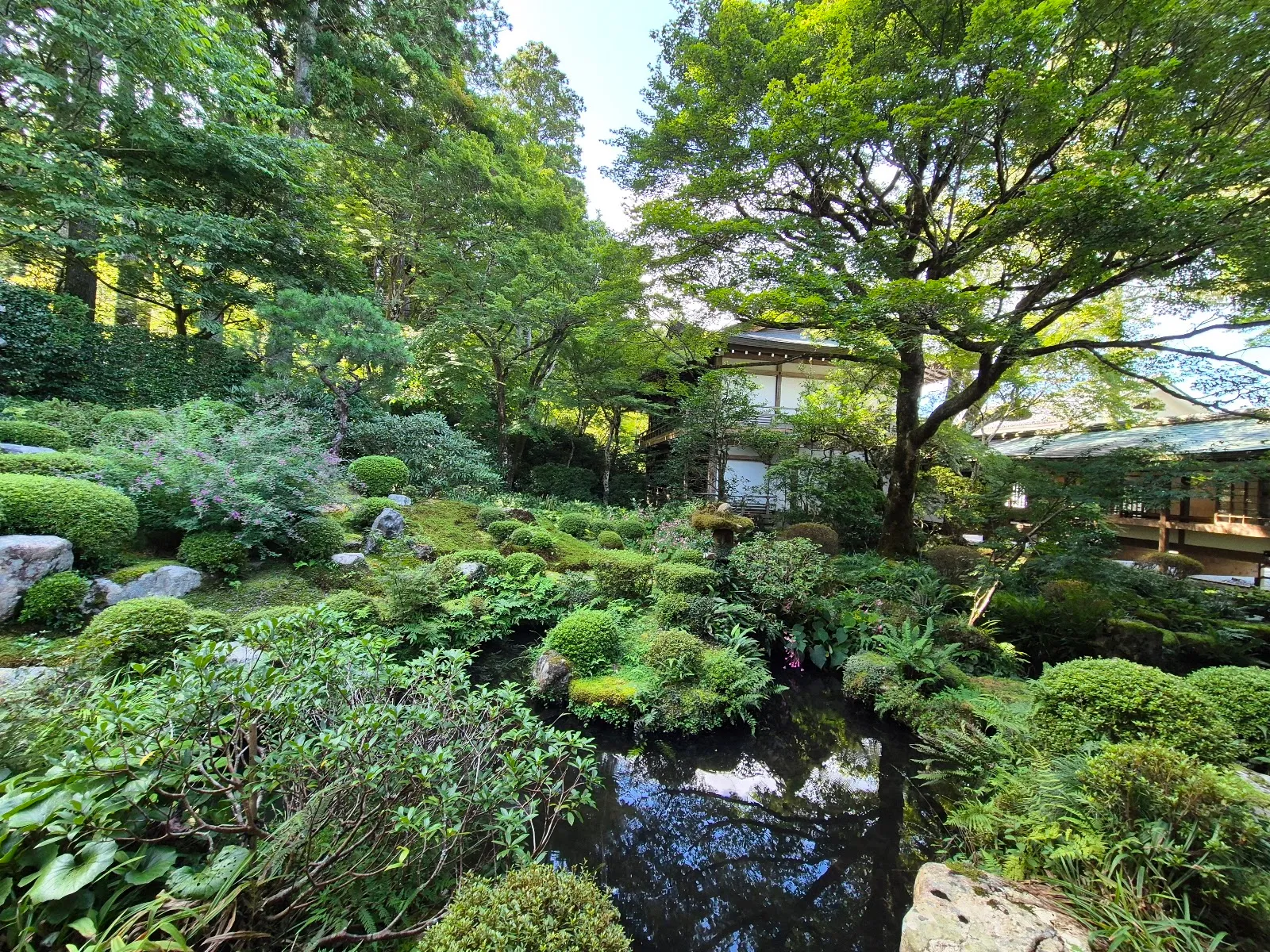
There are two distinct ways to experience the gardens: one is viewed from a fixed spot, while the other is a stroll garden that you follow along a path. The moss garden brings together green ground cover, trees and small stone figures. Rows of miniature Kannon statues and other small Buddhist figures add details to notice as you walk.
The Kyakuden, or main hall, and the Shinden Hall look out over the Shuheki-en and Yusei-en gardens. Their tatami floors provide a place to pause and take in the garden views. Across the grounds, red arched bridges cross streams, and ponds sit among the garden paths.
The seasonal view
Autumn is a particular draw. Japanese maples, including yama momiji, grow among Japanese cedars across the grounds. Their red and yellow leaves stand out against the moss, especially around the garden centred on Ojo Gokuraku-in. Mid-November is a useful time to plan for autumn colour in Ohara, where the leaves can turn earlier than in central Kyoto.
Summer brings hydrangeas, while winter can cover the grounds in snow. The changing views give the gardens a different character through the year, so the temple is not limited to autumn foliage.
Ojo Gokuraku-in
The garden around Ojo Gokuraku-in is one of the grounds’ focal points. The hall was first built in 985 and rebuilt in 1143. Its position within the moss garden makes it a natural stop as you explore the paths and surrounding maple trees.
Sanzen-in has several halls and gardens, so a short look at one viewpoint will not cover the whole visit. Allow time to move between the buildings, garden paths and pond areas at a relaxed pace.
Planning the trip to Ohara
Sanzen-in is a day-trip option for Kyoto, but the journey takes planning. Buses to Ohara run less often than many services within central Kyoto, with some routes running roughly every 30 to 40 minutes and final departures sometimes scheduled early in the evening. Check your return connection before you leave.
Admission is reported at around 500 to 700 yen, with cash advised. Allow two to three hours for the temple grounds and halls. If you are visiting during autumn, consider going outside peak times for a quieter walk through the gardens.
Perguntas frequentes
How long do you need at Sanzen-in Temple?
Allow 2 to 3 hours to explore the halls, gardens and walking paths.
When is the best time to see autumn leaves at Sanzen-in?
Mid-November is a good time to plan for autumn colour in Ohara. The leaves can change earlier here than in central Kyoto.
How much is admission to Sanzen-in Temple?
Admission is reported at around 500 to 700 yen. Bring cash.
How do you get to Sanzen-in from central Kyoto?
Ohara is about an hour north of Kyoto Station by public transport. Buses run less frequently than city services, so check your return connection before travelling.


