The Otaru Music Box Museum is a red-brick building on Sakaimachi Street, close to the canal, with music boxes across three floors. It is part museum and part shop, and most of the space is for sale. Expect antique pieces on the upper floor, fantasy designs below, and warm wooden rooms that feel like a storybook. The steam clock at the entrance whistles every 15 minutes, so stop outside for a moment before you go in.
The building and the steam clock
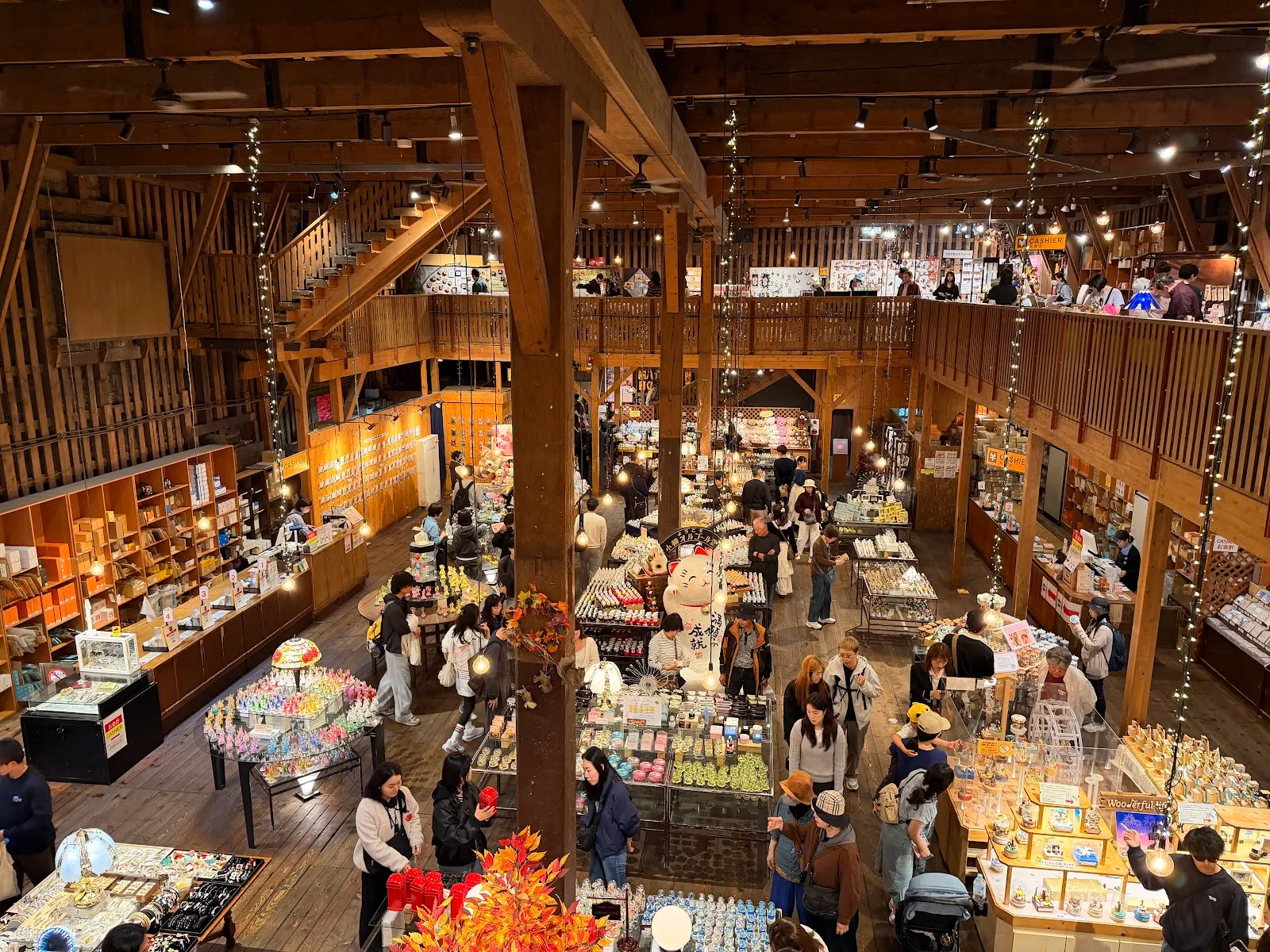
The main building is red brick and dates from the early 20th century. It was first built as the headquarters of a rice dealer in Hokkaido, and it is now designated as a historic building by Otaru City. The outside is worth a look before you go in. Inside, the floors and walls are old wood.
The steam clock stands at the entrance. It is made of bronze, about 5.5 metres tall, and weighs 1.5 tons. Canadian clockmaker Raymond Saunders built it in 1994, and Vancouver gave it to Otaru as a sister to the steam clock in Gastown. It releases steam and plays a melody every 15 minutes and on the hour.
Floor by floor
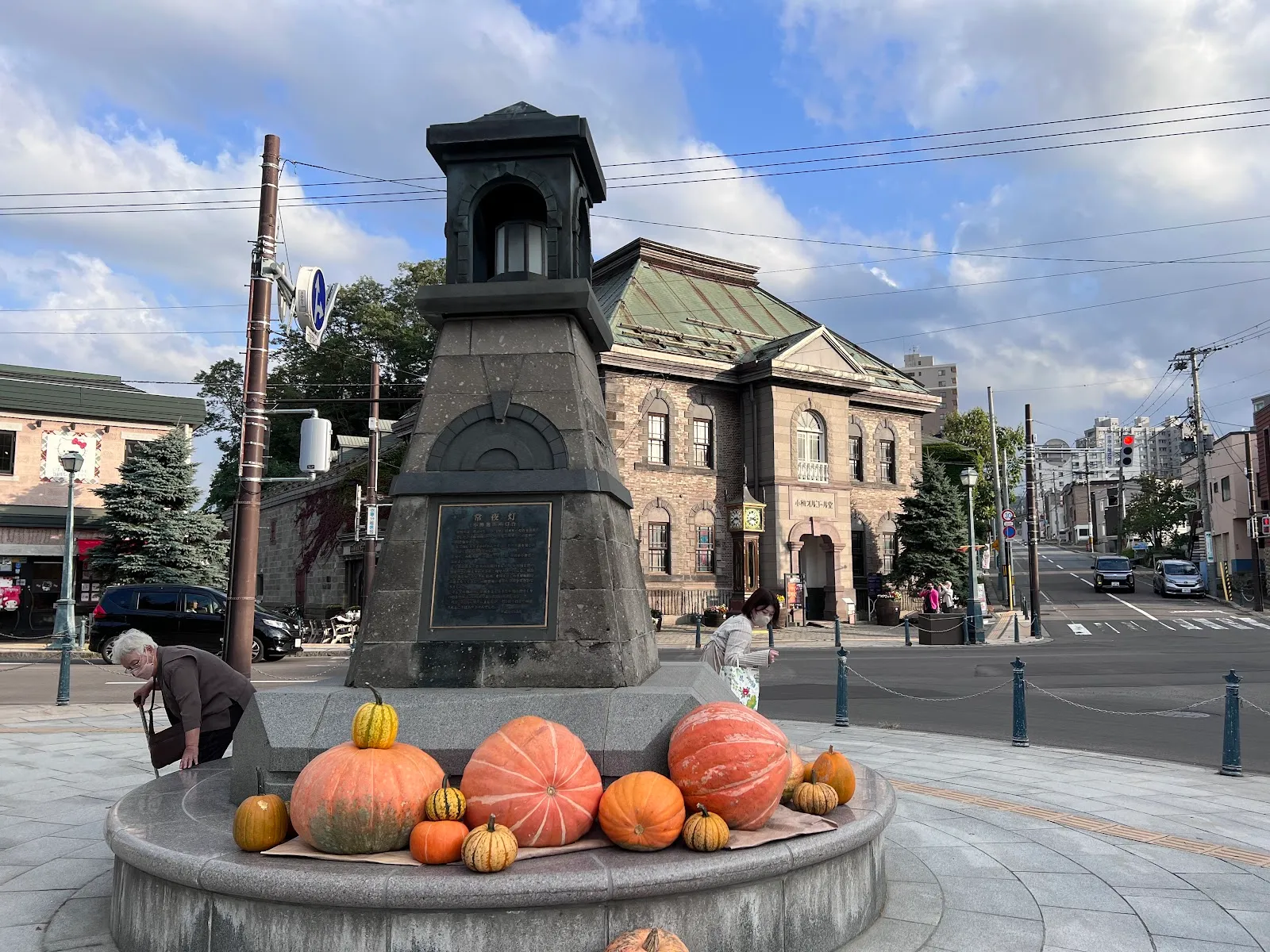
The first floor holds the lower-priced boxes, many with fantasy themes, and most of the stock. The second floor has the older and more intricate pieces, along with a classic music box exhibition. Some of the pieces there date to the nineteenth century and come from France. The third floor leans toward merchandise, with Disney-style goods, mugs and Studio Ghibli items.
Antique instruments on display include the Orpheus Disc Music Box and a fairground organ. Many of the boxes play well-known songs, and some are shown with their mechanisms exposed, so you can watch how the pins and discs turn.
Custom pieces and the wider complex
Totoro appears in several displays, and Ghibli-themed boxes are spread through the building. Some music boxes can be customized with a melody or a character, which makes them a practical souvenir. At the Youkobo store, visitors can create a one-of-a-kind music box.
Another building in the complex, Hall No. 2, has free 15-minute pipe organ shows several times a day. The pipe organ was made more than 100 years ago and has 690 pipes.
Buying and practical details
Most of the space is for sale, so set aside time to browse even if you buy nothing. Cards, e-payment apps and transit IC cards are accepted, and cash is accepted too, so bring some yen. Parking is paid, and there is a wheelchair-accessible parking space. The building itself is not fully wheelchair accessible.
Getting there
From Otaru Station, the museum is a 10 to 15 minute walk, or a short bus or taxi ride. The streets around it are pleasant to explore on foot, especially in cooler seasons. The Otaru Canal is close by, so you can combine the two in one walk.
Perguntas frequentes
How long do you need at the Otaru Music Box Museum?
Plan an hour or two. Allow more time if you want to look closely at the antique pieces on the second floor.
Is the Otaru Music Box Museum a museum or a shop?
It is both. Most of the space is for sale, and the second floor has the most complex antique pieces and a classic music box exhibition.
Is the Otaru Music Box Museum wheelchair accessible?
Not fully. The building is not fully wheelchair accessible, but there is a wheelchair-accessible parking space.
Can you make your own music box there?
Some music boxes can be customized with a melody or a character. At the Youkobo store, visitors can create a one-of-a-kind music box.