Teatro La Fenice is Venice’s historic opera house in Campo San Fantin, in the San Marco district. Come for the gilded balconies, painted ceiling and red velvet seats, or hear the auditorium’s acoustics during an opera, ballet or concert. The theatre opened in 1792 and has been rebuilt after devastating fires, including the 1996 blaze. A self-guided visit with an audio guide gives you time to explore the interior and learn about its musical history. Performances and daytime visits are separate ways to see the house.
An opera house reborn
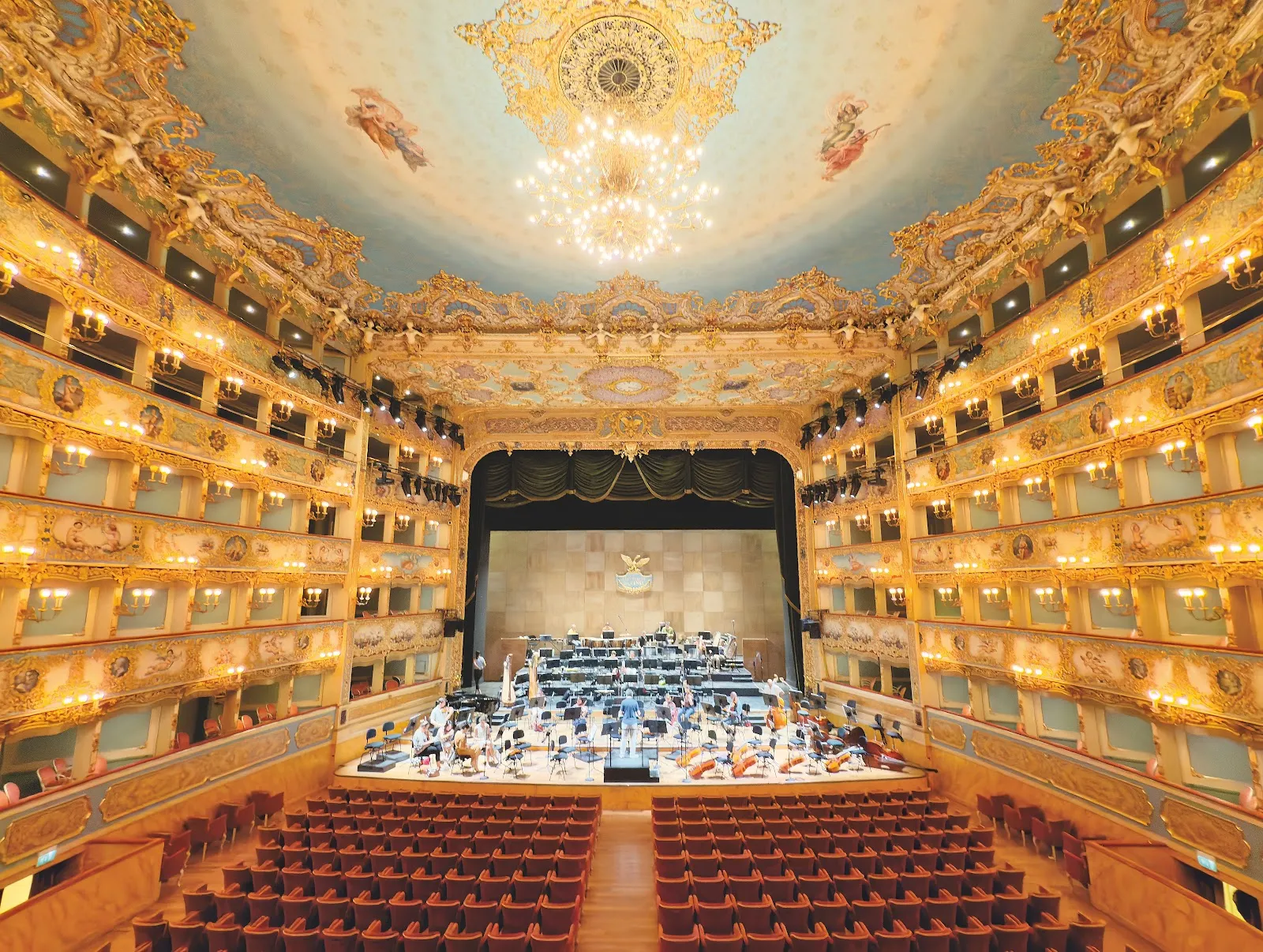
Teatro La Fenice opened in 1792 in Campo San Fantin, in Venice’s San Marco district. Its name means “the phoenix,” a fitting choice for a theatre repeatedly damaged by fire and rebuilt. A fire destroyed the building in 1836, and another, deliberately set in 1996, left most of the interior in ruins. The theatre was reconstructed and returned to use in the early 2000s.
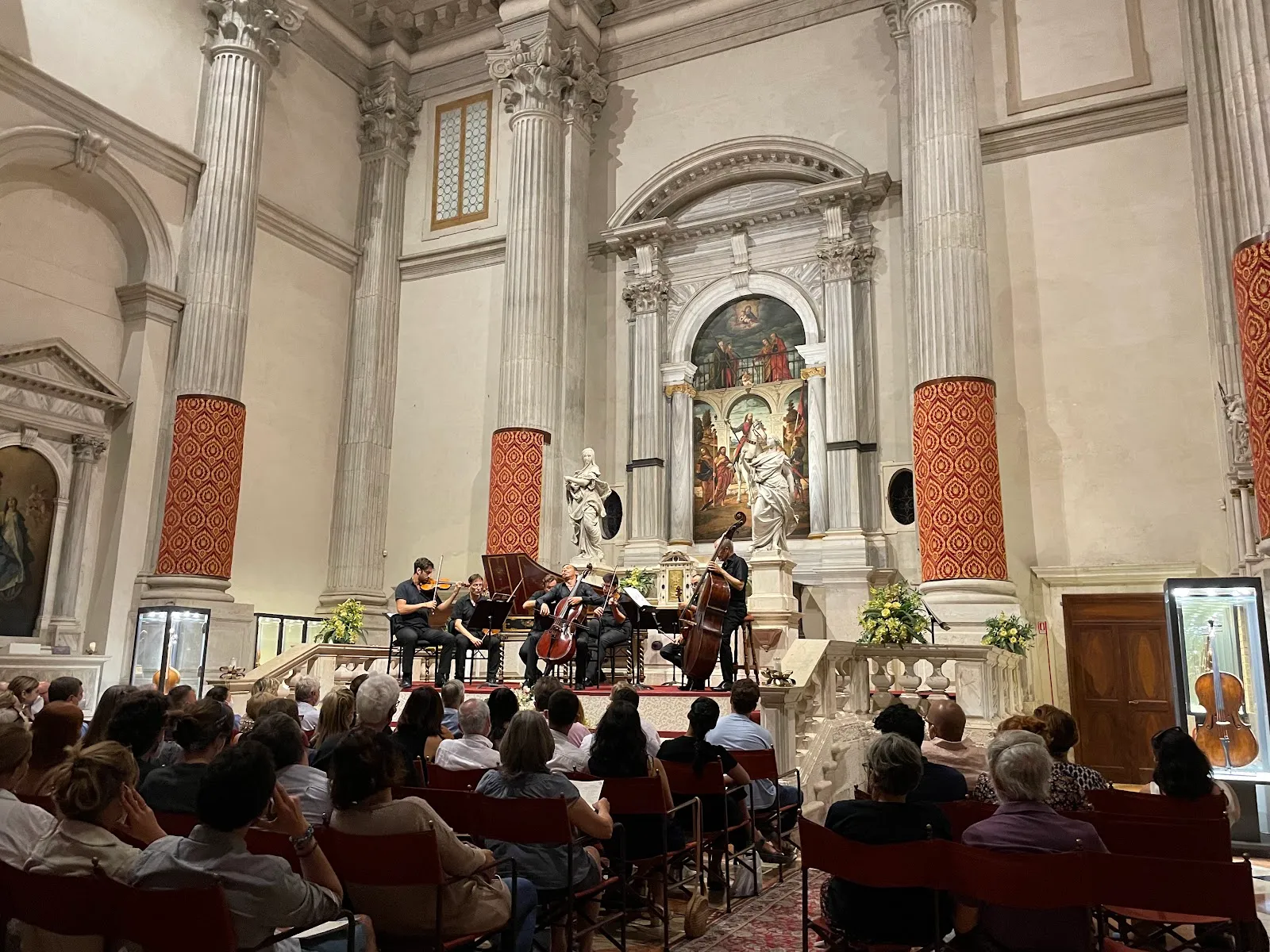
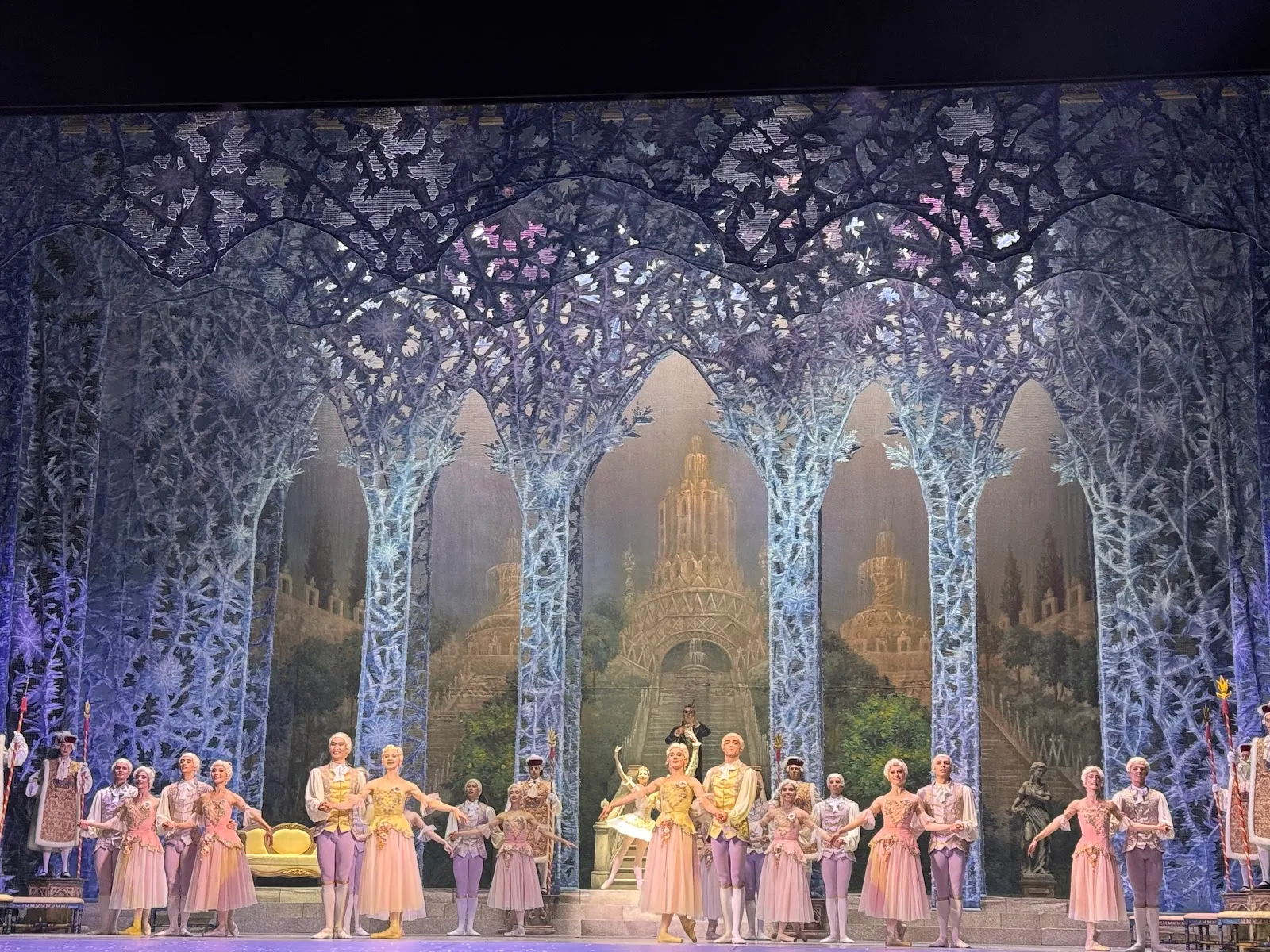
La Fenice’s history is closely tied to Italian opera. Works by Rossini, Bellini, Donizetti and Verdi premiered here, including Verdi’s La Traviata. The theatre continues to host opera and other musical performances, so a visit can be either a daytime look around or an evening in the auditorium.
The auditorium and its details
The interior is the main reason to step inside even if you are not attending a performance. Look up at the painted ceiling, then take in the gilded balconies, decorative stucco and rows of red velvet seats. The theatre’s ornate finish gives the auditorium a different character from Venice’s stone churches and palaces.
The layout and decoration were restored after the 1996 fire. The reconstruction aimed to recover the historic appearance of the interior, while keeping La Fenice in operation as a performance venue. Its acoustics are another part of the experience: during a live show, the music fills the auditorium; on a self-guided visit, the audio guide provides the story behind the rooms.
Visiting without a performance
A self-guided visit with an audio guide lets you explore the theatre at your own pace and adds background as you move through the building. Plan around an hour to an hour and a half if you want time to look closely at the auditorium and its decoration. A private tour is an option if you prefer a more guided explanation.
Access can depend on the performance schedule, so check the theatre’s current visit information before setting out. Morning is a useful time to aim for if you want to avoid the busier periods. If you are planning to attend a show, look at performance details and ticket availability in advance; the programme includes opera, ballet and classical music.
La Fenice in Venice’s musical life
The theatre sits a short walk from Piazza San Marco and offers a view of Venice through its musical history. The city is often associated with its churches and historic architecture, but La Fenice connects it to the opera tradition that shaped Italian performance. Its premieres helped make the house a significant stage for composers including Verdi and Rossini.
For a visit focused on architecture, the daytime tour is enough to appreciate the auditorium and its ornament. A performance adds the sound and atmosphere of a working opera house. Choose according to your interest and schedule; you do not need to book a show simply to see the interior.
Perguntas frequentes
Can you visit Teatro La Fenice without seeing a performance?
Yes. Daytime visits with an audio guide let you explore the theatre without attending a show. Check current access information, as performance scheduling can affect visits.
How long should you allow for Teatro La Fenice?
Allow about 1 to 1.5 hours for a self-guided visit with the audio guide.
What should you look for inside Teatro La Fenice?
Look for the gilded balconies, painted ceiling, decorative stucco and red velvet seats in the auditorium.
What performances take place at Teatro La Fenice?
The programme includes opera, ballet and classical music performances. Check the current schedule for what is on during your visit.