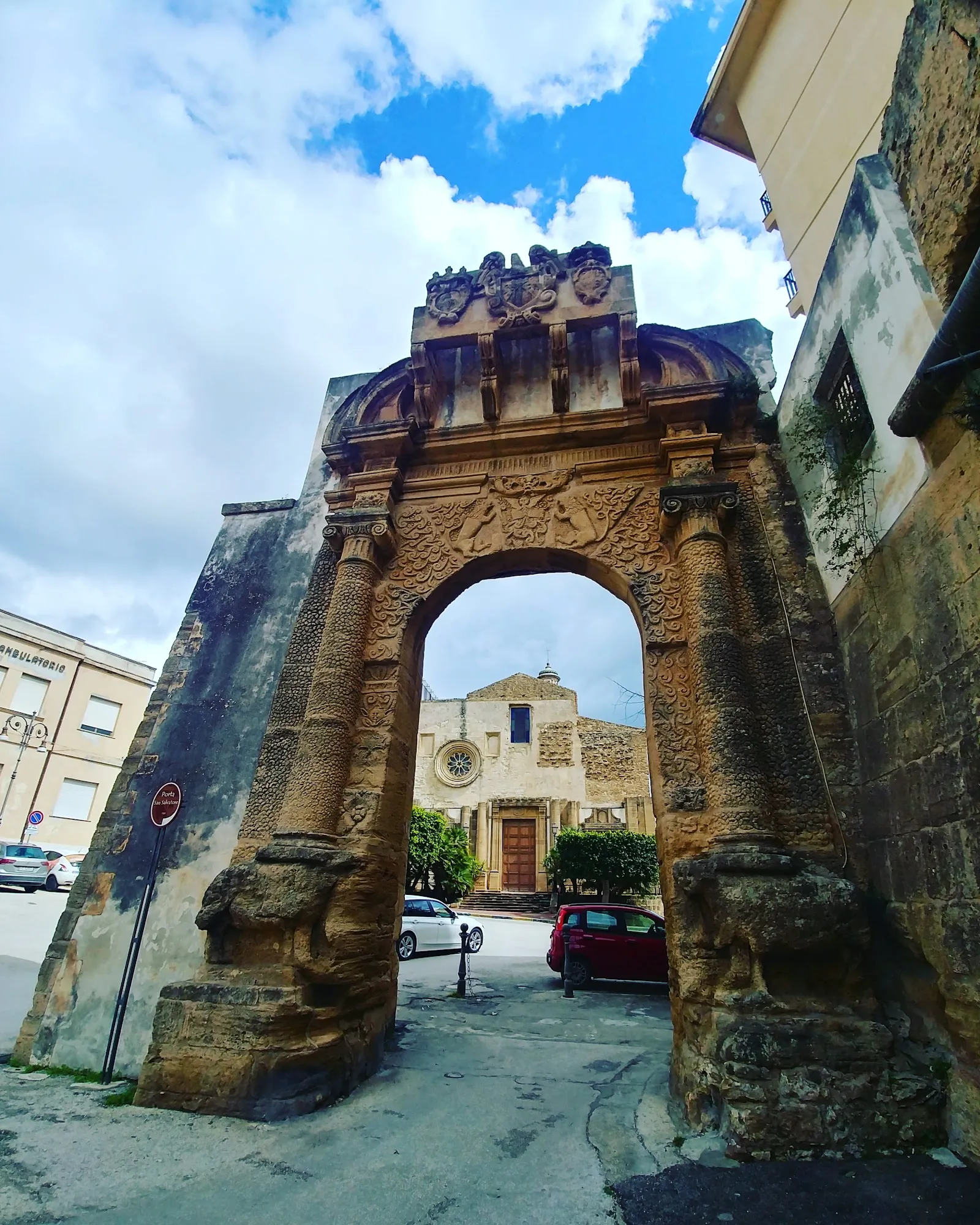
Porta San Salvatore stands at the entrance to Sciacca’s historic centre, on Via Orti San Salvatore. The gate dates to the 14th century and was rebuilt in 1581, when the city’s walls were raised. Look closely at its carved ornaments, which show Arab influences, and take in the view over Sciacca’s port from above. The gate is freely accessible and sits near Piazza del Carmine, making it an easy stop on a walk that also visits the city’s surviving gates.
A gate into Sciacca’s old town
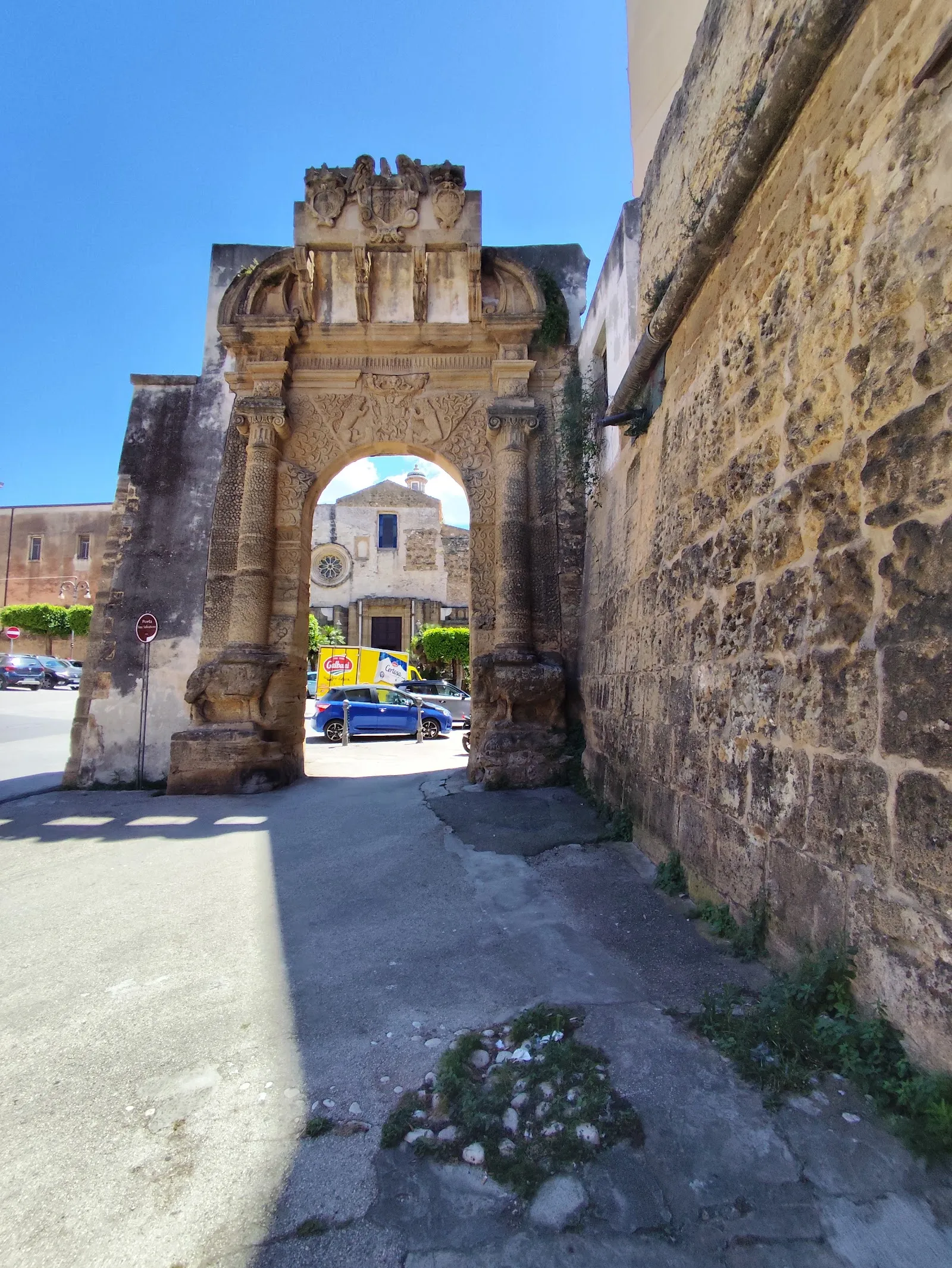
Porta San Salvatore marks an entrance to Sciacca’s historic centre. The gate dates to the 14th century and was rebuilt in 1581, when the city’s walls were raised. It is one of the surviving reminders of the fortifications that once surrounded the town.
The gate stands near the church of San Salvatore and Piazza del Carmine, in an area with several historic sights. Its position makes it a useful point to include on a walking route through the centre.
Details and views
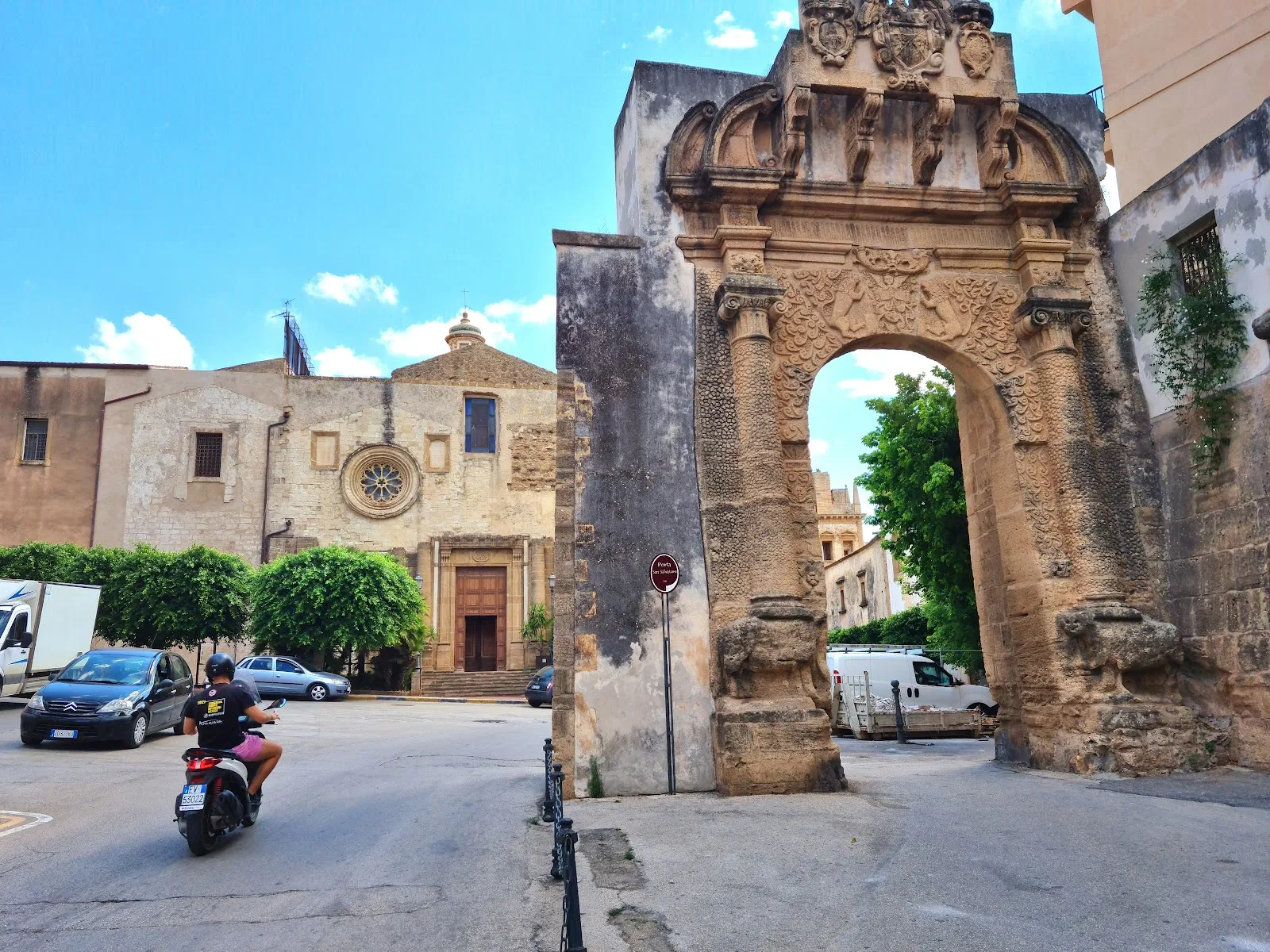
Take time to look at the gate’s ornaments, which show Arab influences. The structure has also been described as a blend of architecture and sculpture, with two bastions named San Salvatore and Alfa.
From above the city, the port comes into view. Around sunset or at night, you can watch the fishing boats fade from sight as darkness falls. For a longer walk focused on Sciacca’s gates, continue to Porta Palermo and Porta di San Calogero. A route connecting the three takes about an hour.
Perguntas frequentes
When was Porta San Salvatore built?
The gate dates to the 14th century and was rebuilt in 1581.
Is Porta San Salvatore free to visit?
The site is freely accessible.
How long does a walk to Sciacca’s three surviving gates take?
A route linking Porta San Salvatore, Porta Palermo and Porta di San Calogero takes about an hour.
When is a good time to visit Porta San Salvatore?
Go around sunset or at night for views over the port and its boats.