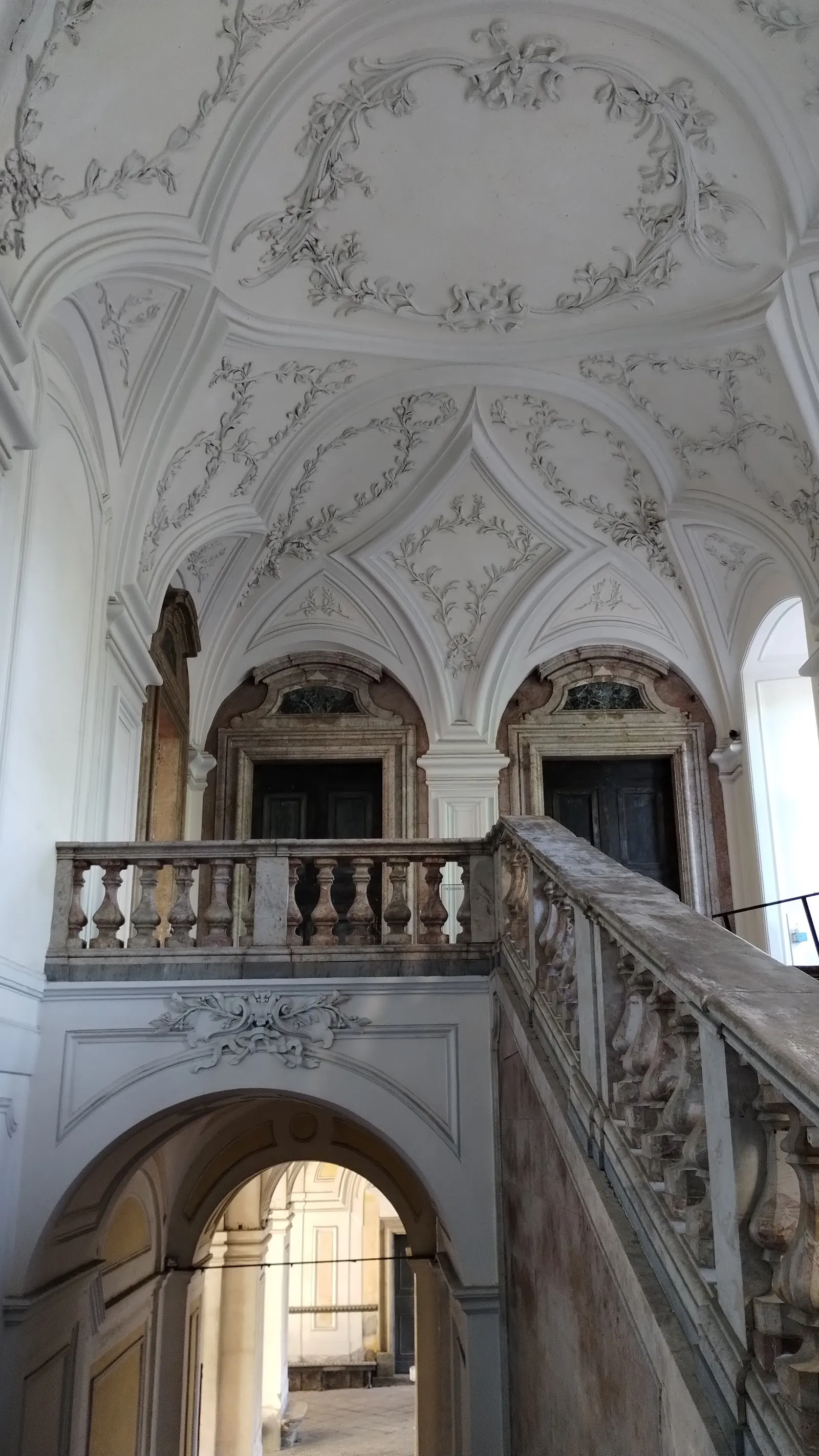
Villa dei Papiri is an ancient Roman residence within the Herculaneum ruins, near Naples. It takes its name from around 1,800 papyrus scrolls found during excavations, evidence of the villa’s former library. Frescoes and paintings, designed to create a sense of depth, offer a glimpse of its interiors, while a botanical garden adds a quieter setting. The villa is currently closed to visitors because excavations are ongoing, so check access updates before planning a visit to Herculaneum.
The papyrus library
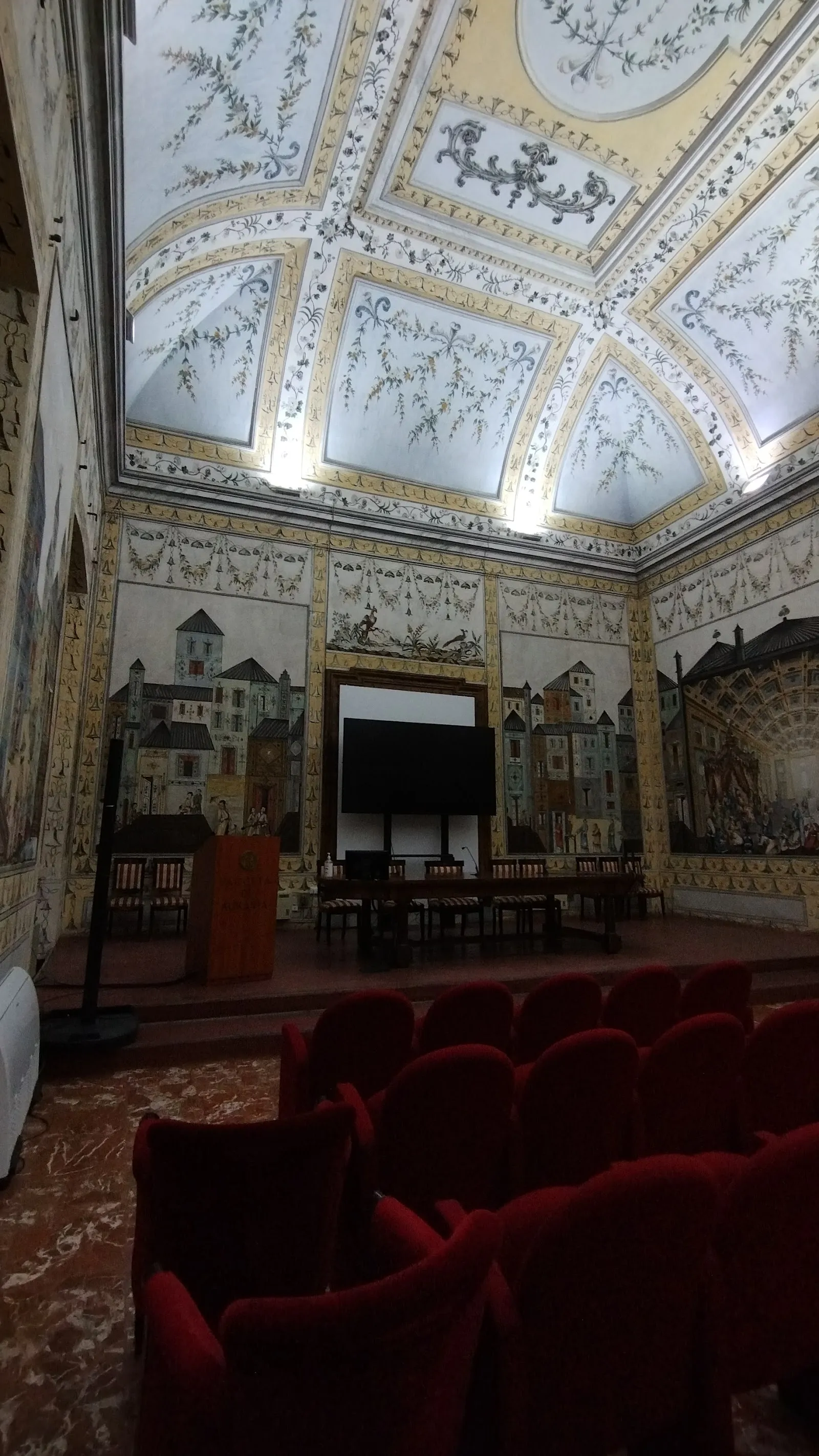
The villa’s name comes from the papyrus scrolls discovered during excavations. Around 1,800 were found, many carbonized by the eruption that buried Herculaneum. Some could still be unrolled and read. The scrolls are now held in collections including the National Library in Naples and Oxford’s Bodleian Library.
The finds point to the villa’s intellectual life and its possible use as a library or study centre. Its owner is often identified as the father-in-law of Julius Caesar, though that identification is not certain.
A villa still under excavation
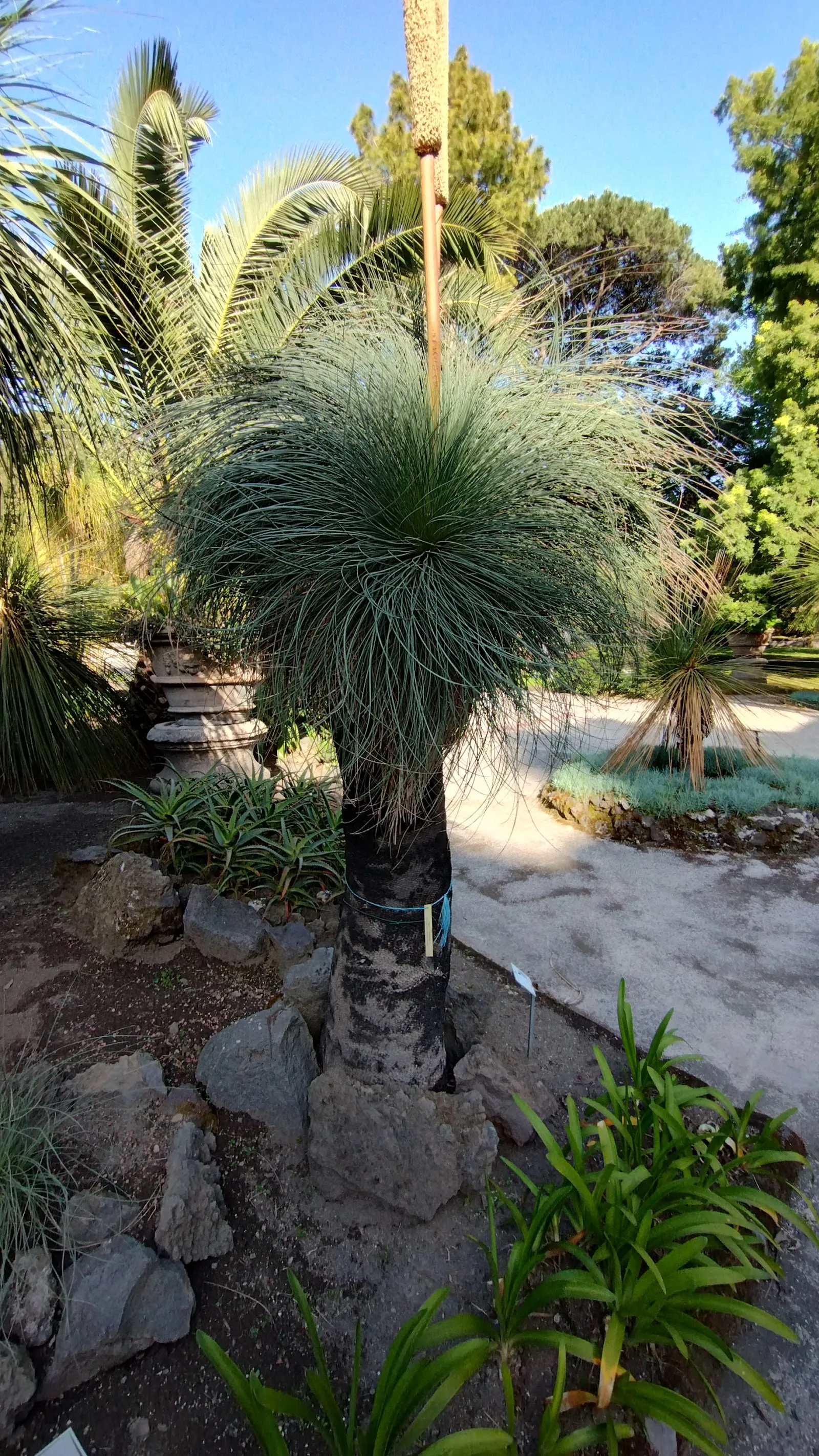
Villa dei Papiri lies within the Herculaneum ruins and is known for its frescoes and painted interiors, which create an illusion of depth. A botanical garden surrounds the residence. Excavations have not finished, and the villa is currently closed to visitors, so check for access updates before setting out.
Sculptures and other objects found at the villa can be seen in museum collections, including Roman bronzes at the National Archaeological Museum in Naples. The villa also inspired the design of the Getty Villa in California.
Perguntas frequentes
Is Villa dei Papiri open to visitors?
It is currently closed while excavations continue. Check for access updates before planning a visit.
Why is it called Villa dei Papiri?
The name refers to around 1,800 papyrus scrolls discovered during excavations at the villa.
Where is Villa dei Papiri?
It is within the Herculaneum ruins, in Ercolano near Naples.


