Set on a hillside above Kritsa in Crete, the Ancient City of Lato preserves the remains of a settlement dating from about 500 to 200 BC. Walk among the walls, stairways, houses, workshops, agora, temple and theatre, then pause for views across the surrounding landscape. The site is quieter than Crete’s better-known archaeological destinations, and its open layout lets you explore close to the ruins. Paths are rough and include steps, so wear sturdy footwear and bring water. On-site explanations are limited, though information boards and QR codes are available.
A hillside settlement above Kritsa
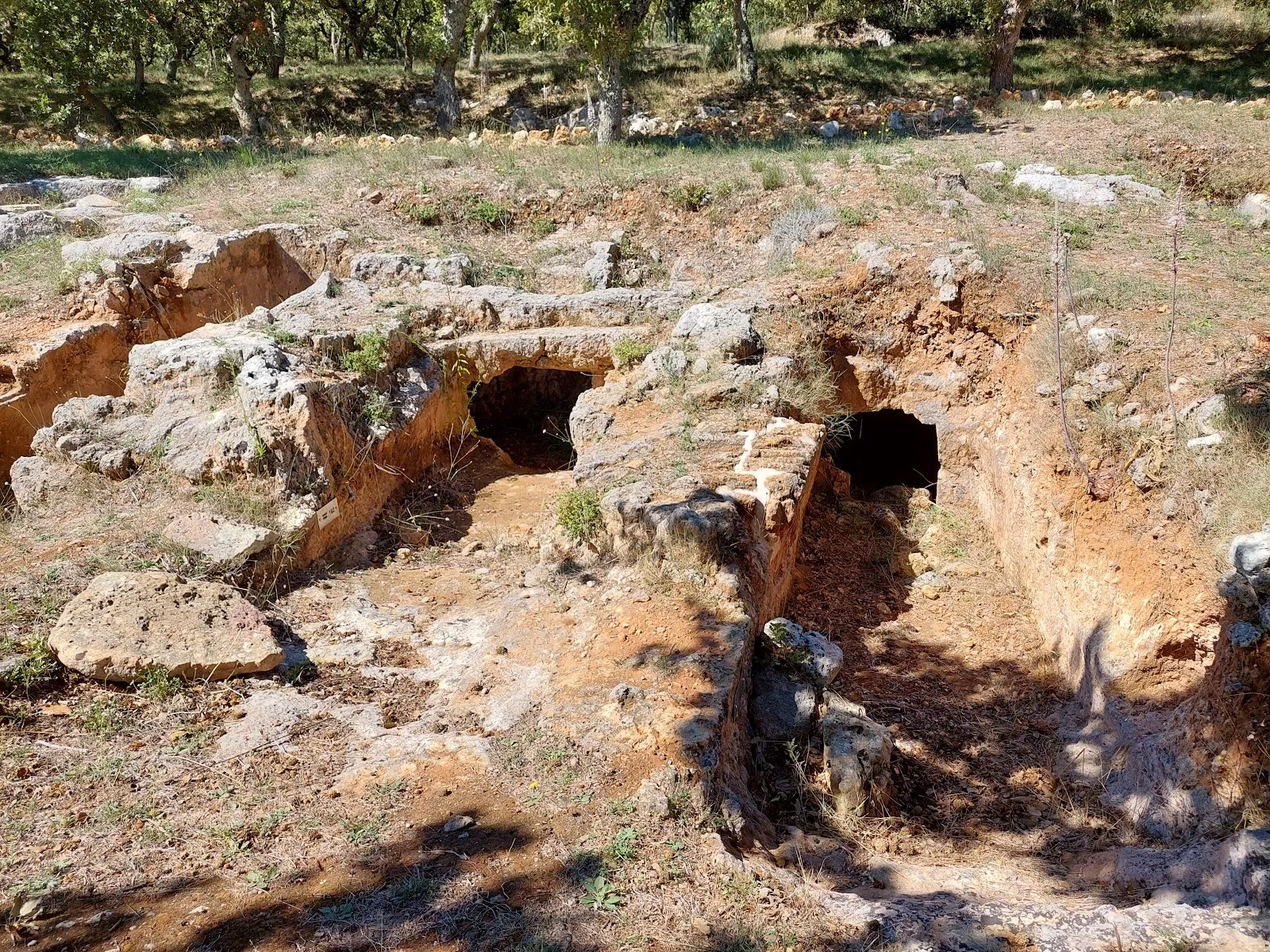
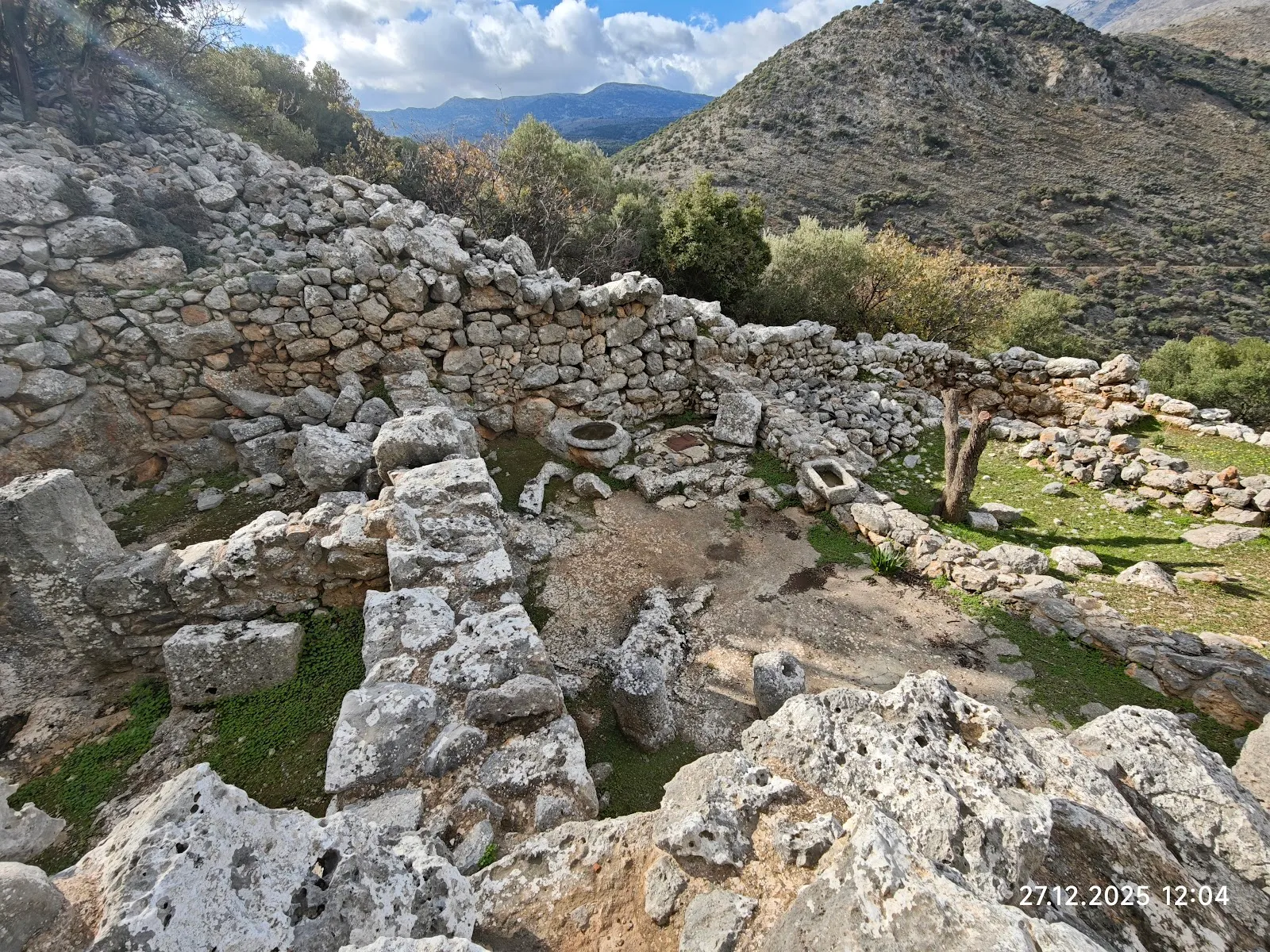
The Ancient City of Lato stands on a hill above the village of Kritsa. Its remains date from about 500 to 200 BC and include the footprints of houses and workshops, along with civic and religious spaces. The setting gives the ruins a different feel from a site where visitors mainly look from behind barriers: here, paths lead through the remains of the settlement.
The hillside position also brings broad views over the surrounding area. Set aside a moment to look outward as well as down at the stonework; the landscape is part of what makes a visit here distinct.
What to look for among the ruins
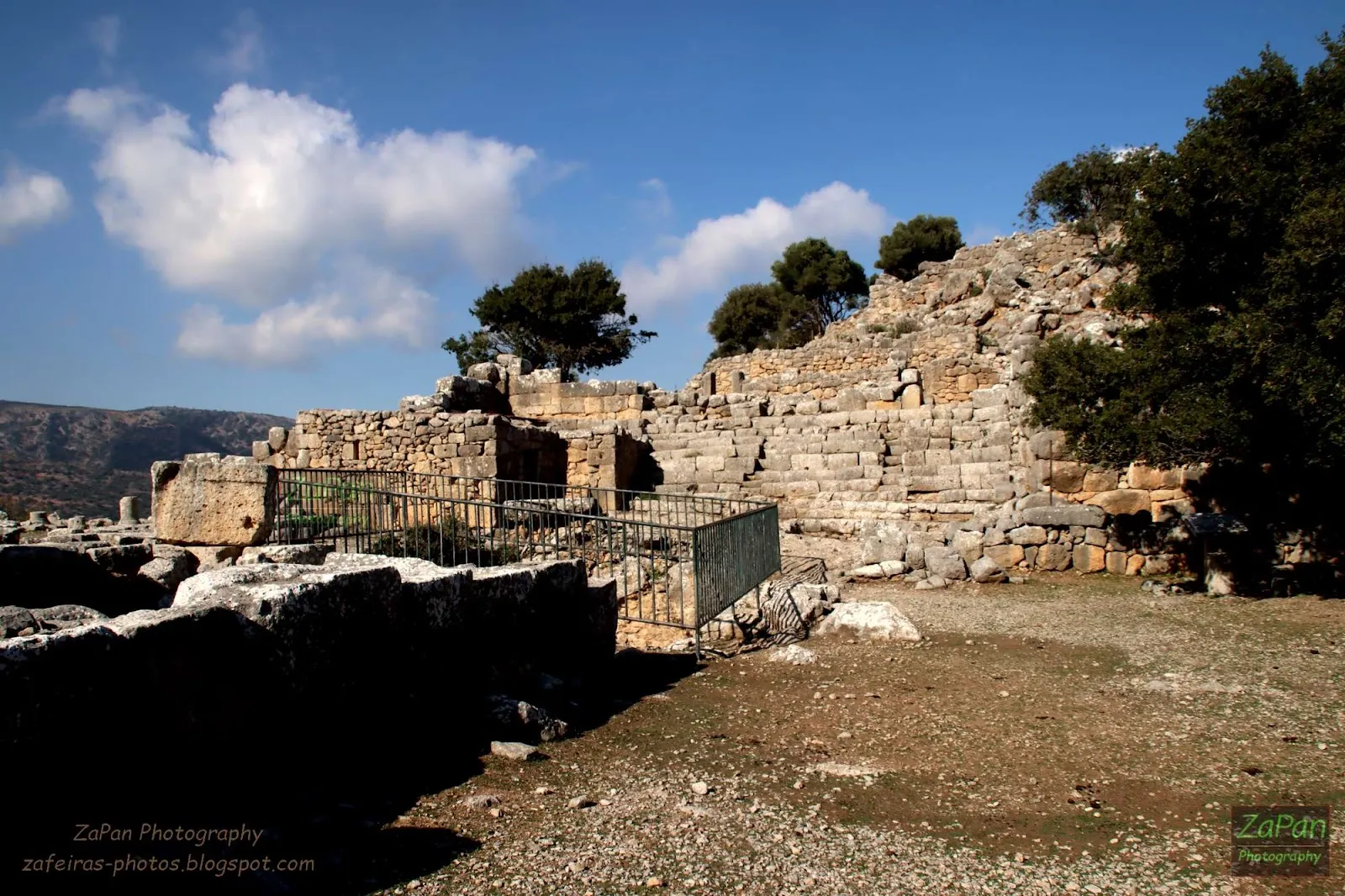
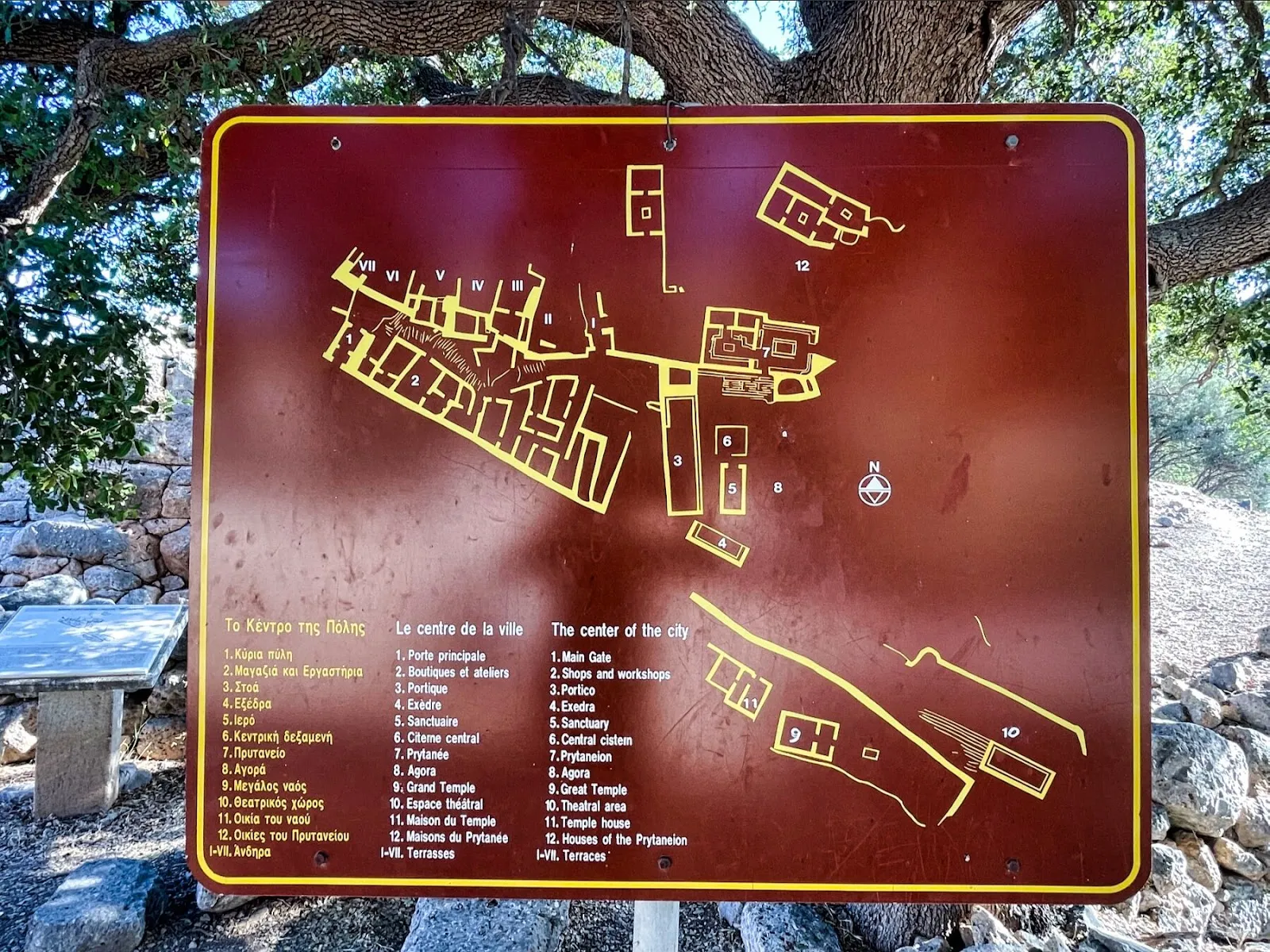
As you walk around, look for the agora, temple and theatre, as well as the remains of homes and workshops. Walls and stairways are among the better-preserved features. The layout gives you room to picture how different parts of the town fitted together, even though the site provides less interpretation than some larger archaeological destinations.
Information boards and QR codes can add context as you go. If you want more background on the settlement before exploring, reading up in advance can help make sense of the rooms and structures.
Planning a walk around the site
Exploring Lato involves walking over rough, uneven ground and climbing steps. Some limestone can be slippery, so choose secure footwear rather than flip-flops. The site is exposed in places, and the hillside can be windy; bring water, especially if you plan to take your time.
Allow around 45 to 90 minutes for a visit, depending on how closely you explore. The site closes at 3 pm and is shut on Tuesdays, so plan your arrival accordingly. Parking is available near the site. One visitor reported that admission was €5 and payment was cash only; confirm the current arrangements before setting out.
Perguntas frequentes
How long do you need at the Ancient City of Lato?
Allow about 45 to 90 minutes to walk around the ruins. The uneven paths and stairways take time to explore.
What should I wear to visit Lato?
Wear sturdy footwear for rough paths, steps and potentially slippery limestone. Flip-flops are not a good choice.
Is there much information at the site?
There are information boards and QR codes, but explanations on site are limited. Reading about Lato before you arrive can provide useful context.
Is the Ancient City of Lato open every day?
It is closed on Tuesdays. On other days, it closes at 3 pm.