Planear uma viagem
Idioma: Português
Planeador de viagensPlaneie a sua viagem num mapa

Principais destinos

EnglishDeutschFrançaisEspañolPortuguêsPortuguês (BR)Italiano
Aviso de viagem · EgitoAlguns governos aconselham a não viajar para partes de Egito.Os avisos abrangem apenas estas áreas: Faixa de 50 km ao longo da fronteira com a Líbia, Faixa de Gaza, Fronteira com a Líbia (sem profundidade definida), Governadoria do Sinai Norte, Fronteira com o Sudão (sem profundidade definida), Deserto Ocidental, Governadoria de Ismailia (a leste do Canal de Suez), Norte da Governadoria do Sinai Sul (além da estrada Santa Catarina–Nuweiba).As recomendações dependem do seu passaporte. Leia as recomendações do seu próprio governo antes de reservar.Recomendações oficiais
Áreas com avisos
  • Faixa de 50 km ao longo da fronteira com a Líbia · evitar todas as viagens · Canadá, Nova Zelândia
  • Faixa de Gaza · evitar todas as viagens · Canadá, França, Nova Zelândia
  • Fronteira com a Líbia (sem profundidade definida) · evitar todas as viagens · Alemanha, Espanha, França, Itália
  • Governadoria do Sinai Norte · evitar todas as viagens · Canadá, Espanha, França, Irlanda, Nova Zelândia, Reino Unido
  • Fronteira com o Sudão (sem profundidade definida) · evitar todas as viagens · Alemanha, Espanha, França, Itália
  • Deserto Ocidental · evitar todas as viagens · Canadá, Nova Zelândia, Reino Unido, EUA
  • Governadoria de Ismailia (a leste do Canal de Suez) · evitar viagens não essenciais · Canadá, Reino Unido
  • Norte da Governadoria do Sinai Sul (além da estrada Santa Catarina–Nuweiba) · evitar viagens não essenciais · Canadá, Nova Zelândia, Reino Unido

Também indicado por um governo: Faixa de 20 km ao longo da fronteira com a Líbia (Reino Unido), Zonas de fronteira (zonas militares) (EUA), Área da fronteira Egito-Israel (Alemanha), Península do Sinai norte e central (EUA), Governadoria de Port Said (a leste do Canal de Suez) (Canadá), Zona de fronteira de Rafah (Espanha), Governadoria de Suez (a leste do Canal de Suez) (Canadá), Estrada Bahariya–Siwa (Reino Unido), Trapézio de Bir Tawil (Reino Unido), Deserto a oeste de Mersa Matruh, Faium e Abu Simbel (França), Região do Gebel Uweinat ao Gilf el-Kebir (Itália), Triângulo de Halaib (Reino Unido), Áreas desérticas não turísticas (Itália), Posto de fronteira de Rafah (Irlanda), Península do Sinai Sul (Alemanha)

GovernoRecomendaçõesAtualizadoLer as recomendações
Reino Unido (FCDO)No advice against the whole country (regional advisories)–Ler as recomendações
Estados Unidos (Departamento de Estado)Exercise increased caution (regional advisories)15/07/2025Ler as recomendações
Canadá (Assuntos Mundiais)Exercise a high degree of caution (regional advisories)–Ler as recomendações
Alemanha (Ministério dos Negócios Estrangeiros)Besondere Vorsicht walten lassen (keine Gesamtwarnung) (regional advisories)13/10/2026Ler as recomendações
Nova Zelândia (SafeTravel)Exercise increased caution elsewhere in Egypt (regional advisories)–Ler as recomendações
Irlanda (Departamento dos Negócios Estrangeiros)High degree of caution (regional advisories)–Ler as recomendações
França (Ministério para a Europa e Negócios Estrangeiros)Increased vigilance for the rest of the country (regional advisories)–Ler as recomendações

Verificado diariamente a partir das recomendações publicadas pelos governos; última verificação 2/11/2026.RoamLedger resume as recomendações oficiais; não são recomendações de nenhum governo.

Aisha Fahmy Palace
Museu

Aisha Fahmy Palace

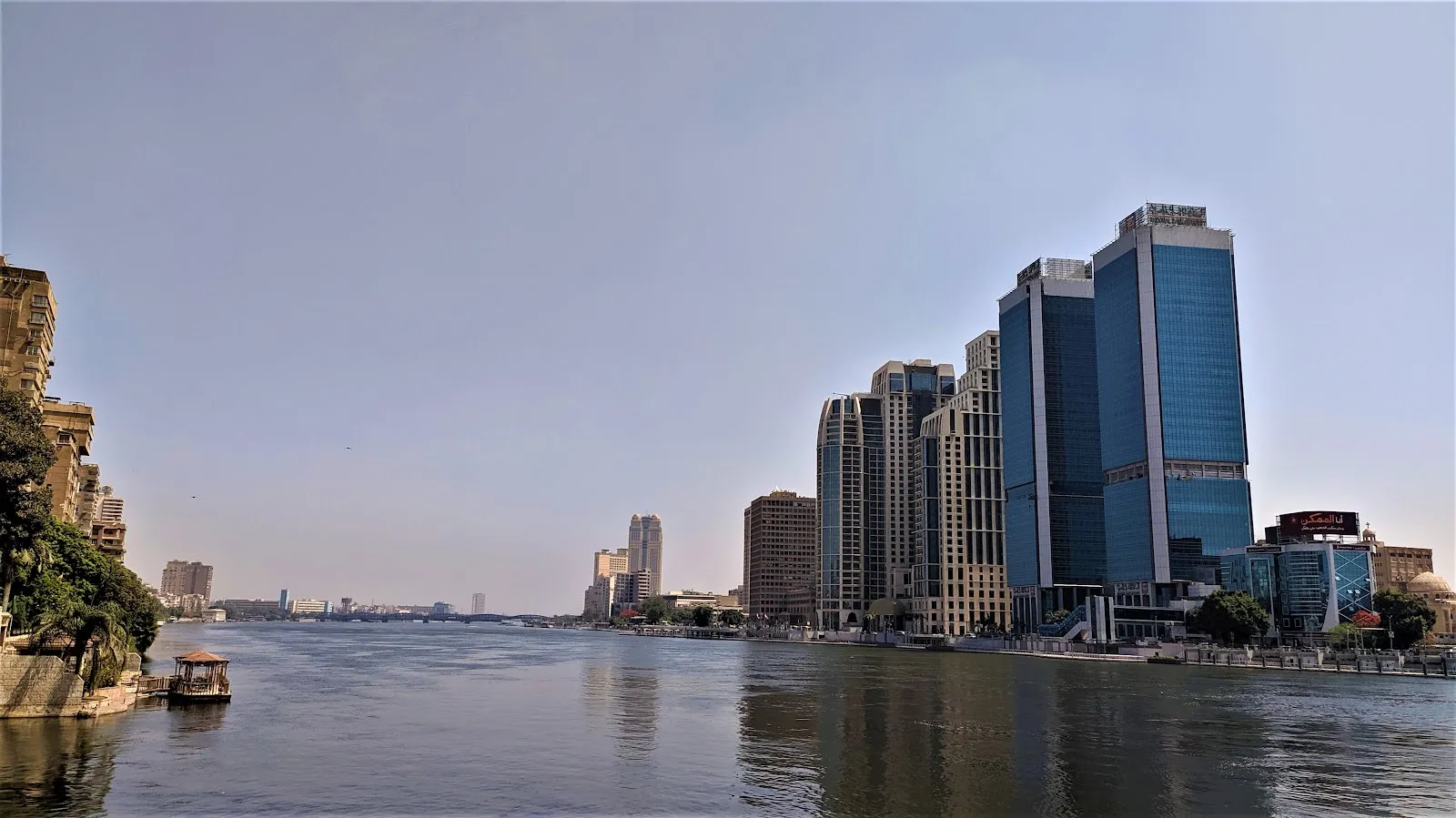
Aisha Fahmy Palace is a 1907 mansion in Zamalek, beside the Nile near 26th of July Street.

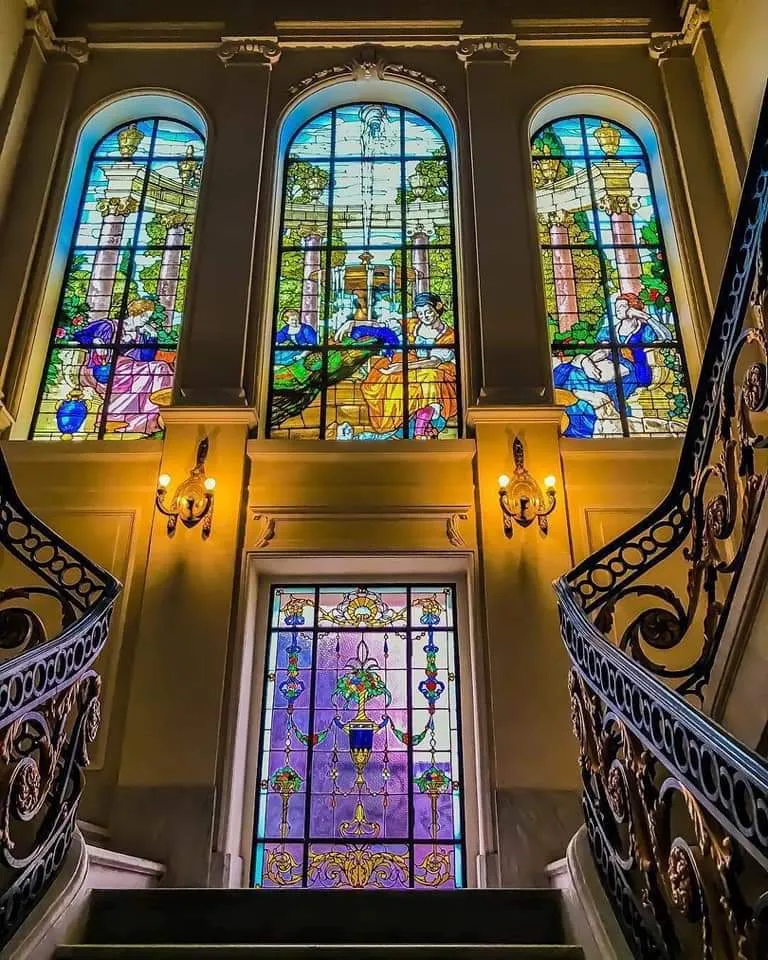
Aisha Fahmy Palace is a 1907 mansion in Zamalek, beside the Nile near 26th of July Street. Its restored rooms are now used for temporary art exhibitions, so the experience depends on what is showing and which areas are open. Inside, look for silk-clad and frescoed walls, carved-wood fireplaces, painted lacquerwork and a triple-arched stained-glass window above the grand staircase. It is a rewarding short stop if you are exploring Zamalek and want to see both Cairo’s early 20th-century interiors and contemporary art.

A mansion beside the Nile
Aisha Fahmy Palace
Aisha Fahmy Palace

Aisha Fahmy Palace stands in Zamalek, near 26th of July Street and the Nile. Italian architect Antonio Lasciac designed the mansion for Ali Fahmy, an Egyptian aristocrat and army chief. It was completed in 1907, during a period when prominent families built residences in the district.

After Ali Fahmy’s death, the property passed to his daughter Aisha. She lived there with her husband, actor and director Youssef Wahbi. The palace remained in her possession until her death. It later came under the Ministry of Culture and reopened as an arts centre in 2017.

Details inside the palace
Aisha Fahmy Palace
Aisha Fahmy Palace

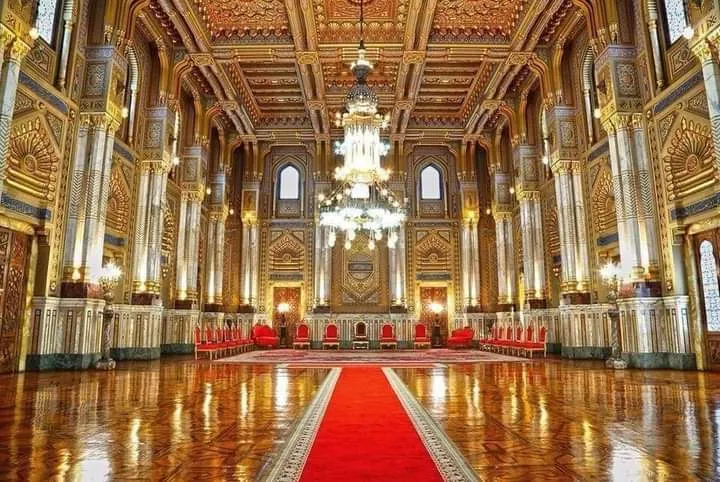
The restored interiors are a reason to look beyond the exhibitions. Rooms have silk-covered and frescoed walls, carved wooden fireplaces and painted lacquerwork. Above the grand staircase, a triple-arched stained-glass window is one of the mansion’s distinctive architectural details.

The palace’s grand salons now host temporary exhibitions. What you can see inside can change, and access to the palace depends on the exhibitions taking place. Check the current programme before setting out, particularly if you are visiting specifically to see a particular room or show.

Planning a short visit

A visit can fit into a short Zamalek walk. The palace is close to 26th of July Street, where shops, juice bars and bookshops make it easy to continue exploring the neighbourhood afterwards. Allow around 15 minutes if you are making a quick stop; the time inside depends on the exhibition and the areas open during your visit.

The palace is closed on Fridays. Photography inside is permitted without flash, so leave the flash off when taking pictures of the rooms and artwork. Confirm access before going, since the exhibition schedule affects whether visitors can enter.

Perguntas frequentes

Where is Aisha Fahmy Palace?

It is at 1 Aziz Abaza Street in Zamalek, near the Nile and 26th of July Street.

When was Aisha Fahmy Palace built?

The mansion was built in 1907 and designed by Italian architect Antonio Lasciac.

What can you see inside Aisha Fahmy Palace?

The palace hosts temporary art exhibitions. Its restored interiors include frescoed and silk-covered walls, carved-wood fireplaces, painted lacquerwork and a triple-arched stained-glass window.

Can you take photos inside Aisha Fahmy Palace?

Photography is allowed without flash.

How long should I allow for a visit?

Around 10 to 15 minutes is enough for a short stop, though the time depends on the exhibition and areas open.

Mais locais imperdíveis em Cairo

Explorar tudo