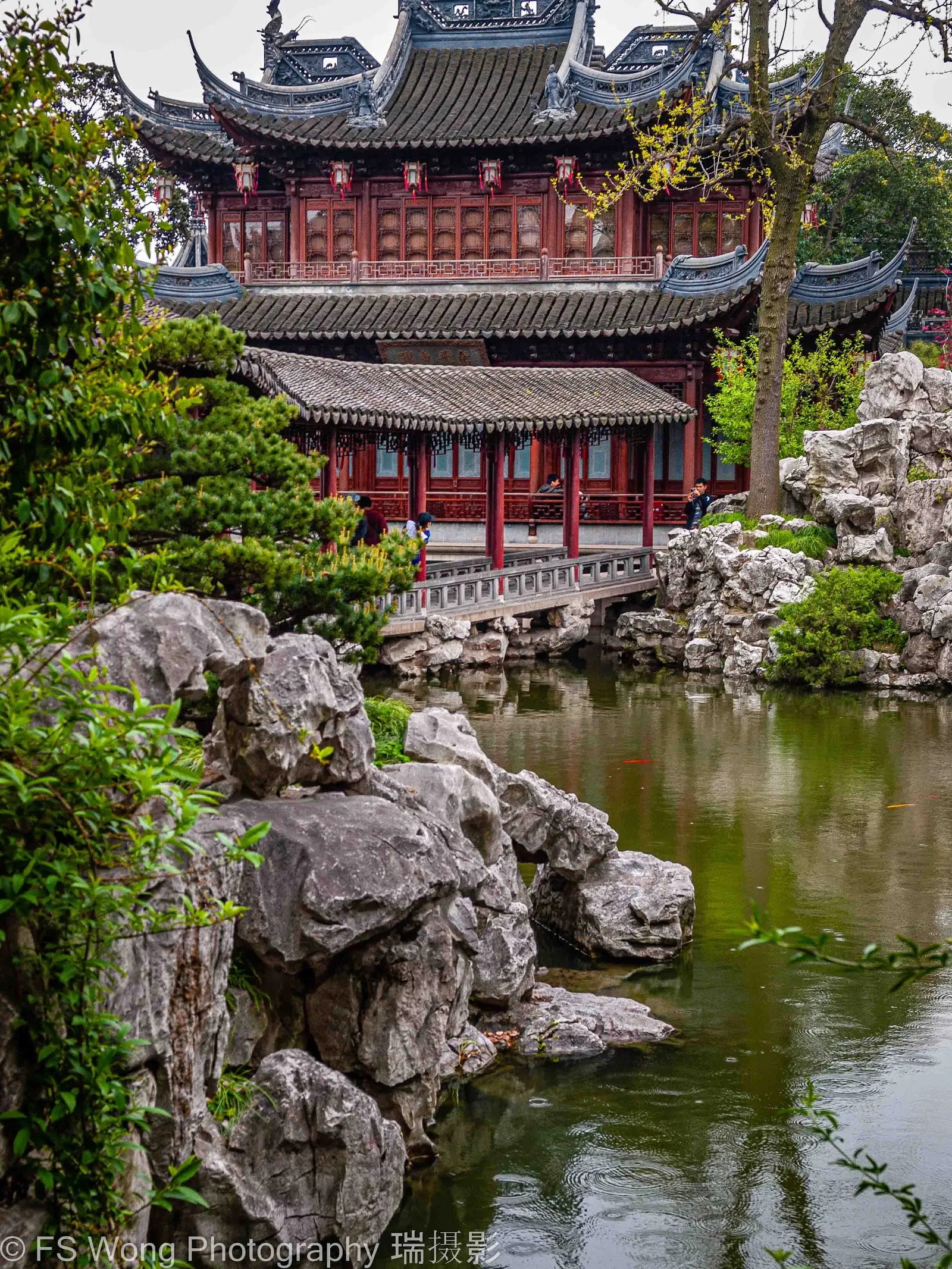
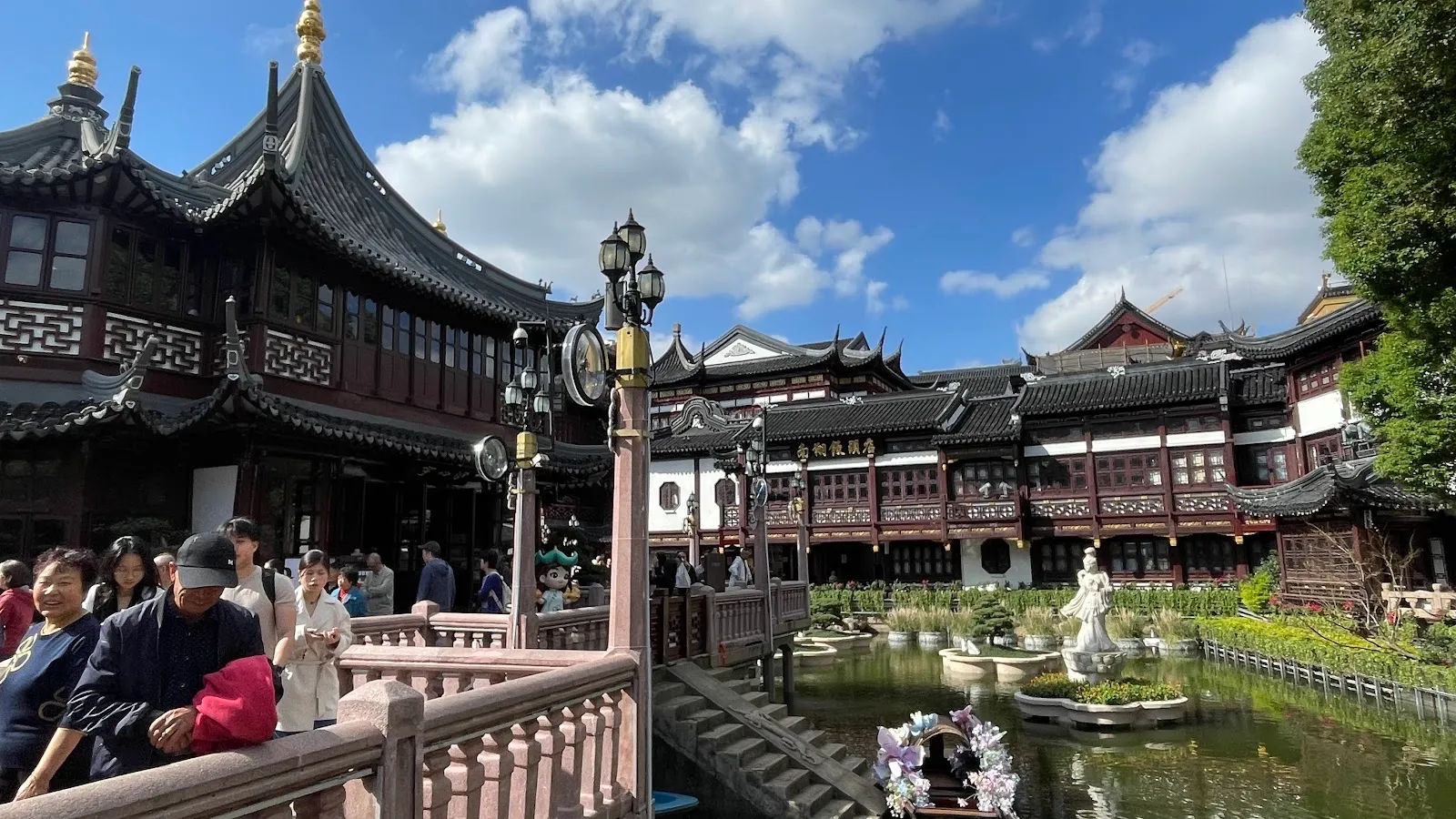
Yu Garden, also called Yuyuan, is a classical Chinese garden in Shanghai’s Old City, beside the City God Temple. Laid out during the Ming dynasty, it brings together pavilions, ponds, bridges, rockeries and winding paths in a compact historic setting. Look for the garden’s distinct landscape areas, divided by walls and corridors, and take time to notice how each turn frames a new view. The nearby bazaar adds traditional architecture, food stalls and shops to a visit, though the garden is busiest later in the day.
A garden built in the Ming dynasty
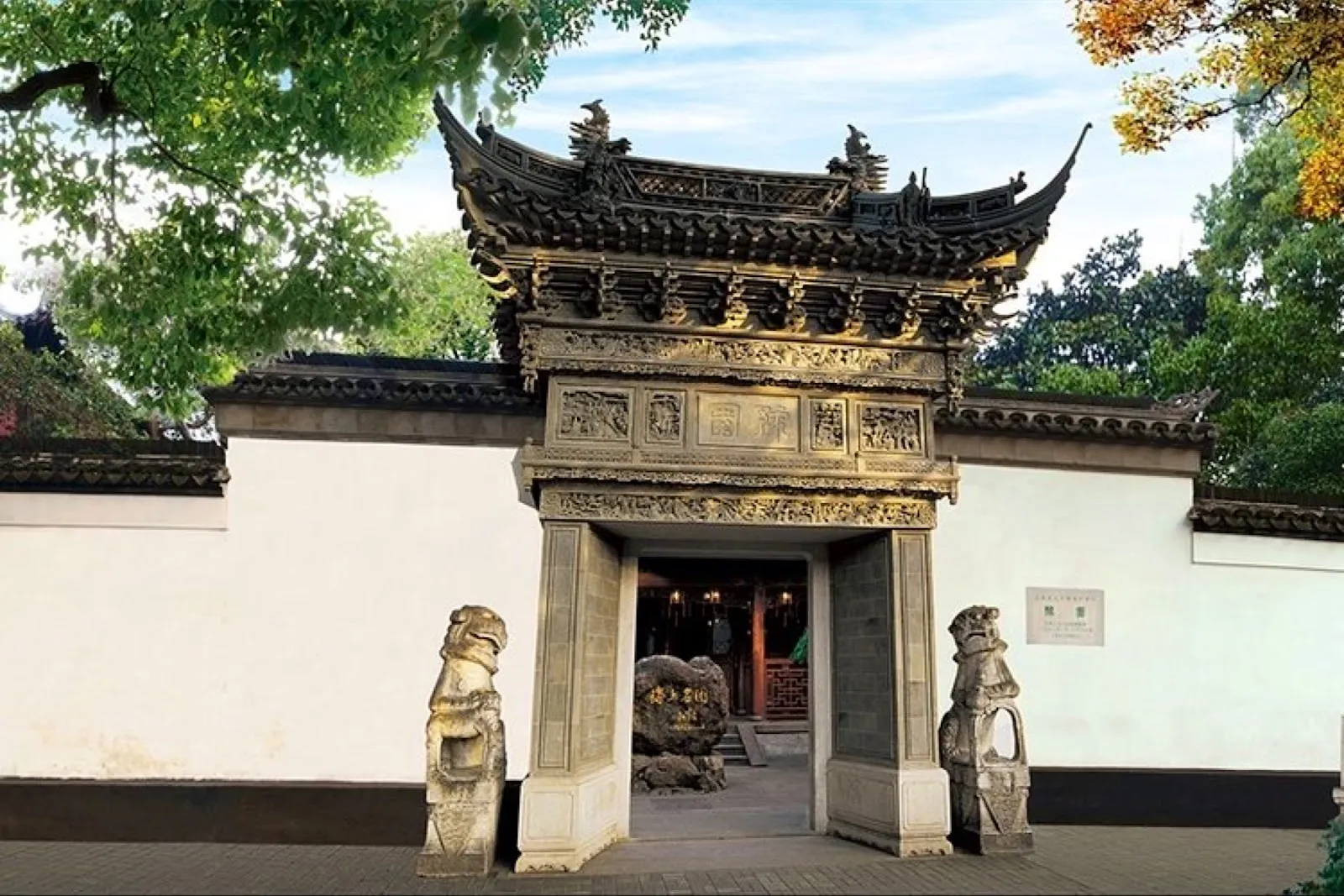
Yu Garden was commissioned in 1559 by Pan Yunduan, a Ming official, as a place for his parents to enjoy their later years. Work continued for nearly two decades, and the garden was completed in 1577. Its name is associated with pleasure and contentment.
The garden was once a private estate and was among the largest in Shanghai at the time. The grounds later fell into disrepair as the Pan family’s fortunes declined. The garden suffered damage during the First Opium War and the Taiping Rebellion, then underwent restoration in the 20th century before opening to the public in 1961.
Today, Yu Garden is one of the few historic garden sights remaining in Shanghai. Its setting beside the City God Temple places it within the Old City, where traces of the past sit close to busy shopping streets.
Pavilions, ponds and rockeries
The garden’s design brings together the elements associated with classical gardens of southern China: water, rock, plants and buildings. Ponds, bridges, halls and pavilions sit among winding paths, with rockeries and carved details adding interest at close range. The route is not a straight walk from entrance to exit; turns and connecting corridors reveal different views as you move through the grounds.
Walls with tiled ridges, latticed partitions and covered walkways separate the garden into distinct areas. More than 40 landscape scenes are described across the site, arranged so that walls and windows frame views rather than opening everything up at once. Look through the lattice windows and along the corridors for changing perspectives on the ponds and architecture.
Plant life adds seasonal variation. Plum blossoms are among the reasons to visit, and spring and summer bring flowering trees and other blooms. The garden also has willows, gingkoes, cherry trees, pines and dawn redwoods. Fish swim in the ponds, which are framed by the garden’s buildings and stonework.
Planning a visit in the Old City
The paths and varied levels reward a slow walk, but the route has small steps and raised thresholds at doorways. These details can be awkward for strollers, so consider whether you want to bring one before setting out. Give yourself around an hour or more to explore instead of treating the garden as a quick crossing.
Crowds are a practical consideration, particularly on weekends and as the day progresses. A weekday morning is a better choice if you want more room to pause along the paths. The garden closes on Mondays; check its current schedule before planning a visit.
The Old Shanghai Bazaar is next door, with traditional-style buildings, food stalls and shops. It makes an easy addition before or after the garden, especially if you want to browse for souvenirs or sample local snacks. The bazaar’s lanes are also busy, so allow extra time if you plan to look around rather than pass straight through.
Perguntas frequentes
Where is Yu Garden in Shanghai?
Yu Garden is in Shanghai’s Old City, beside the City God Temple. The Old Shanghai Bazaar is next to the garden.
What can you see at Yu Garden?
The grounds have pavilions, halls, ponds, bridges, rockeries, winding paths and planted areas. Corridors and lattice walls divide the garden into distinct scenic areas.
How long should you spend at Yu Garden?
Allow around one to two hours to explore the garden at an unhurried pace. The nearby bazaar can add more time.
Is Yu Garden suitable for strollers?
Small steps and raised thresholds at doorways can make the garden difficult to navigate with a stroller.