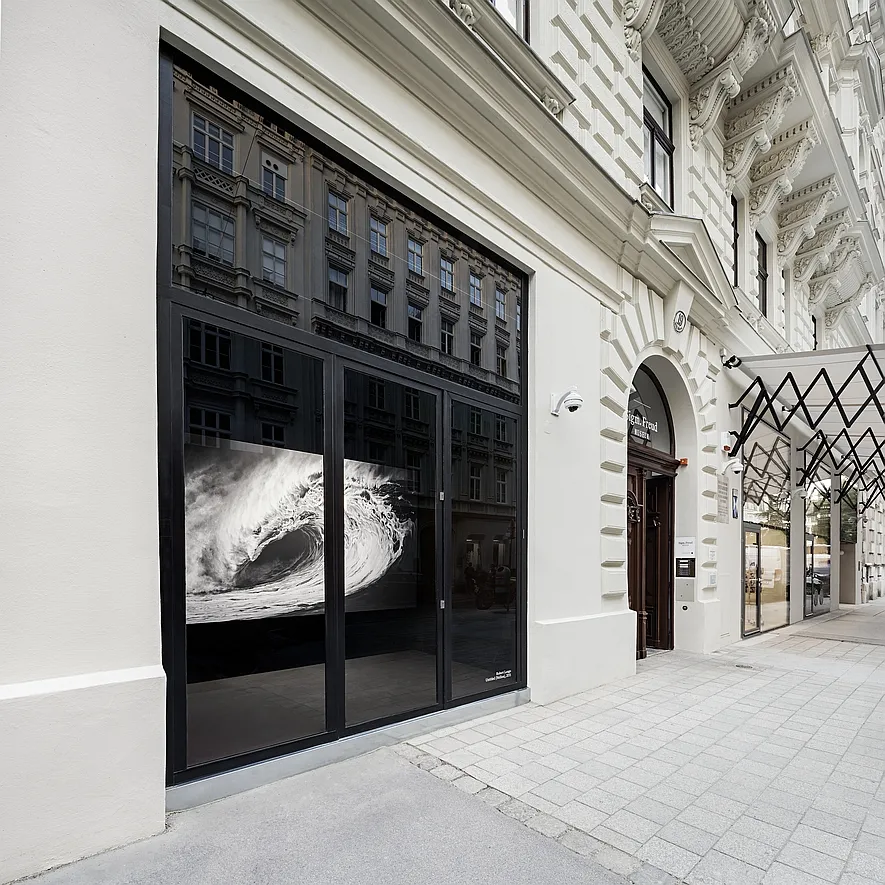
At Berggasse 19 in Vienna’s 9th district, the Sigmund Freud Museum occupies the apartment where Freud lived and worked from 1891 until he left Austria in 1938. Explore rooms connected with his family and practice, along with letters, documents, photographs and personal objects that trace his life and the development of psychoanalysis. Exhibits also examine the persecution that forced the family to leave. The displays are text-heavy, with clear English explanations, so allow time to read. Children can use sticker cards to stay engaged.
Freud’s home and practice on Berggasse
The museum is at Berggasse 19, where Sigmund Freud lived with his wife and six children from 1891 until 1938. The apartments also housed his practice. Freud left Vienna after Nazi persecution forced the family to flee, and the museum sets his life and work within that history.
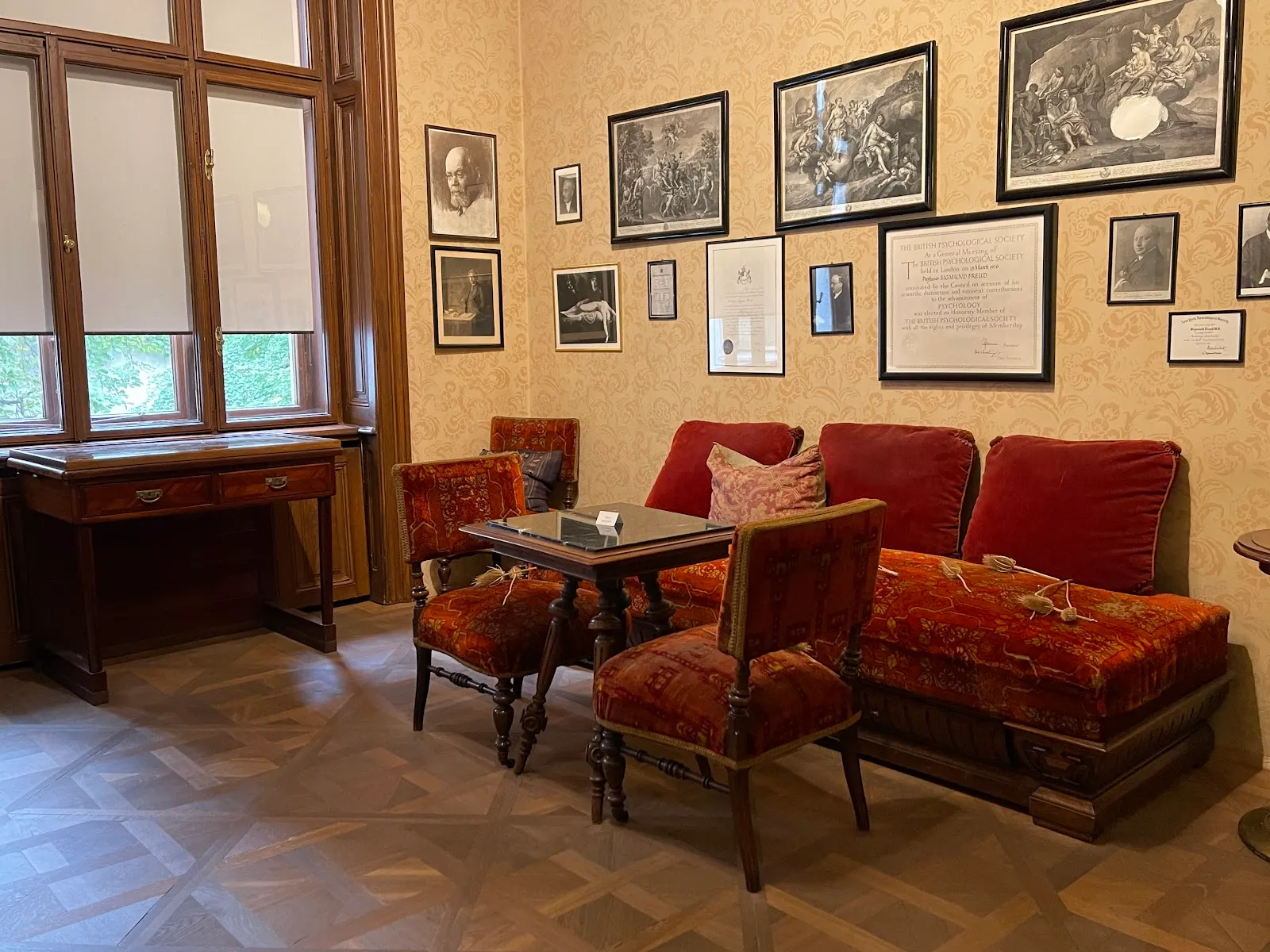
The rooms give a sense of the family’s domestic life and professional surroundings. Some original furniture and personal belongings remain, but the displays do not recreate every room with its original contents. The waiting-room furniture is original; the consulting-room and study furniture, including the famous couch, is shown in photographs rather than preserved in the rooms.
Objects, documents and psychoanalysis
Exhibits cover Freud’s personal life as well as the work that shaped psychoanalysis. Look for photographs, letters, documents, manuscripts and personal objects, alongside material about the history of psychoanalysis and its influence. The museum also presents Freud’s family life, giving context to the people who shared the apartment and to the changes they faced.
Audio interpretations of dreams add an interactive element to the visit. Films and biographical material broaden the story beyond the rooms themselves. A research library holds works on psychoanalysis, and the museum’s collection includes Freud’s writings and archival material. The exhibits rely heavily on written interpretation; the English descriptions are clear, but reading them takes time.
The family’s departure from Vienna
The displays on the Anschluss and the family’s forced departure bring the political history of the apartment into focus. Letters and official documents record the consequences of persecution for Freud and his relatives. The museum also addresses the family’s restitution process, connecting the history of confiscation and loss with the later effort to address it.
These sections make the visit more than a presentation of Freud’s theories and belongings. They show how events outside the practice shaped the lives of the people who lived there. Give yourself room to read at your own pace; rushing through the text-heavy displays can leave important parts of the family’s story unexplored.
Perguntas frequentes
How long should I spend at the Sigmund Freud Museum?
Allow 2 to 3 hours to read the text-heavy exhibits and explore the rooms.
Is the famous couch on display?
The consulting-room furniture, including the couch, is shown in photographs. The waiting-room furniture is original.
Is the museum suitable for children?
Children can use sticker cards while exploring the exhibits.
Is the Sigmund Freud Museum accessible?
The museum has a wheelchair-accessible entrance, elevator and restroom.