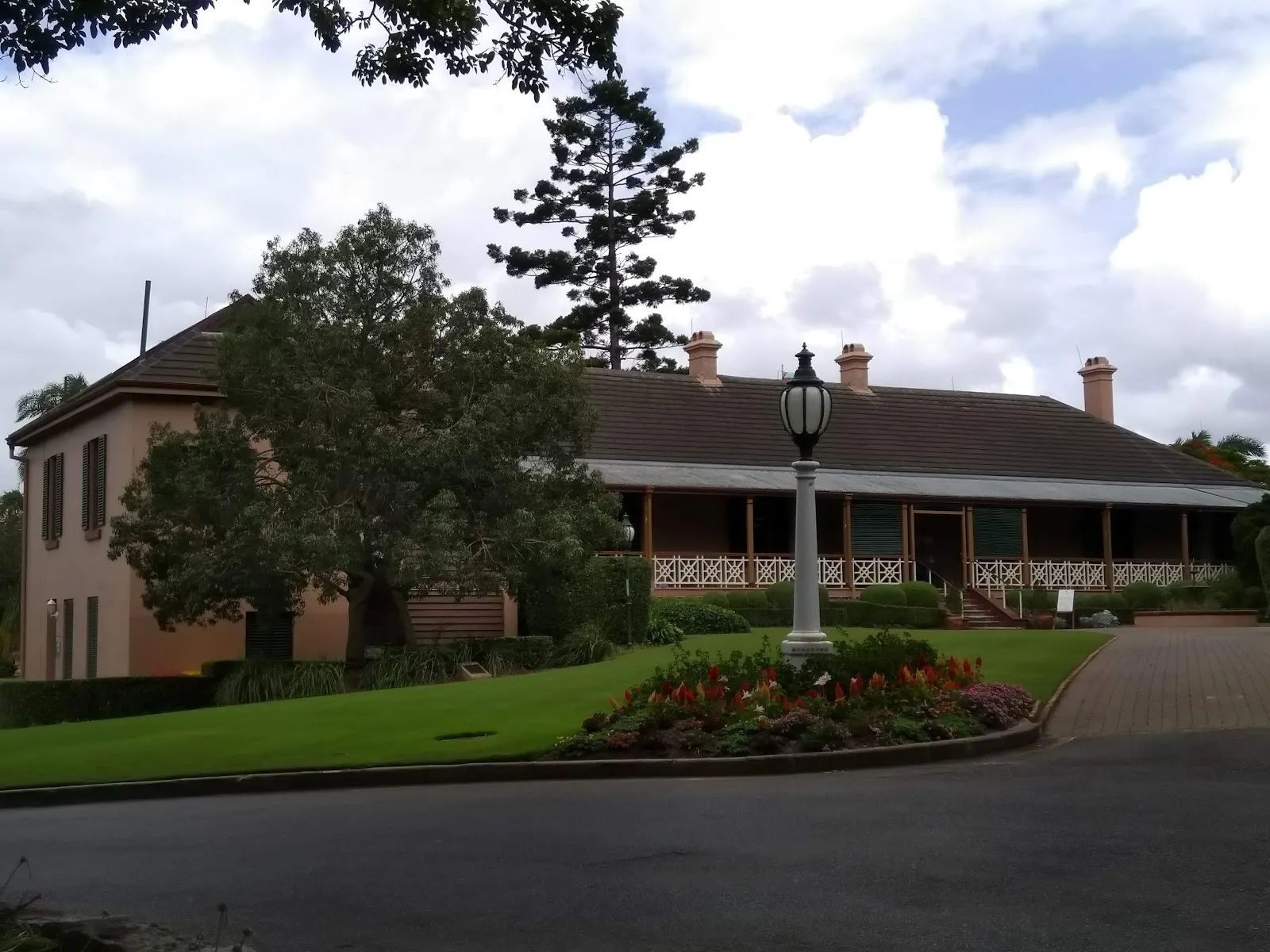
Newstead House is Brisbane’s oldest surviving residence, built in 1846 beside Breakfast Creek and the Brisbane River. Inside, rooms furnished in late Victorian style trace the house’s changing history; look for the Lucinda chair, linked to Australia’s Constitution. Volunteer-led tours add context, while the balcony and park grounds open onto river views, lawns and old trees. The house is open to visitors on Fridays and Sundays, with guided visits and special events such as concerts and high teas. Allow time for the gardens as well as the rooms.
A residence shaped over time
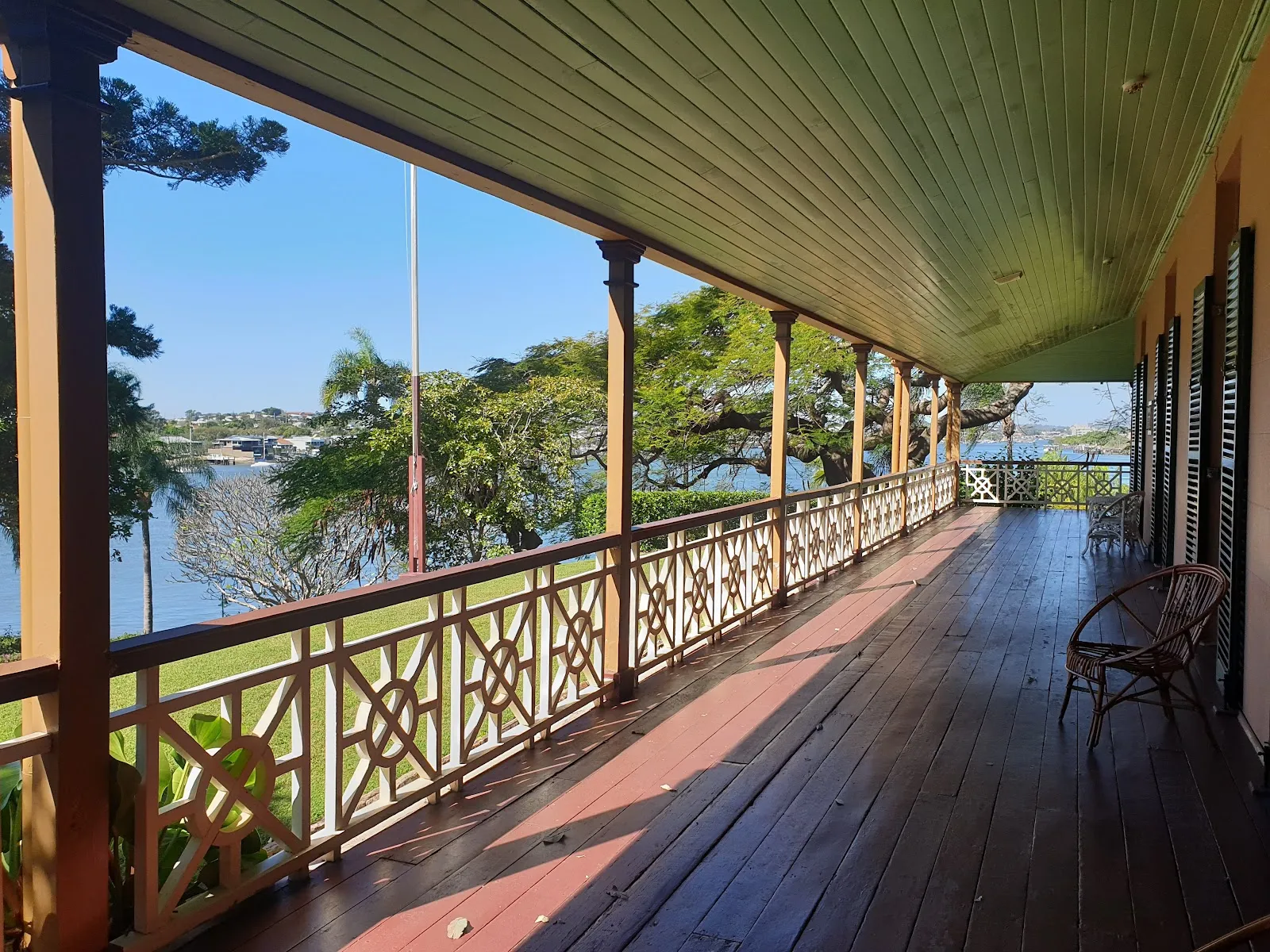
Newstead House began as a Colonial Georgian cottage in 1846, built for Darling Downs pioneer Patrick Leslie. It is Brisbane’s oldest surviving residence. Extensions and renovations in 1867 changed the original cottage, and the house later took on the appearance of a larger home, furnished in late Victorian style.
Its uses also changed over the years. The house served as a Botanic Institute and as the first headquarters of the Royal Historical Society of Queensland. During the Second World War, American service personnel lived there. These chapters are part of the story visitors encounter in the rooms and on guided tours.
Rooms, objects and a notable chair
Inside, furnishings, paintings and period decoration give the rooms their late Victorian character. Information signs help explain the house’s history and the stories attached to its different owners. The rooms are relatively compact, so a visit focused on the interior can be brief; reading the displays and taking a guided tour adds time.
Look for the Lucinda chair, which is linked to the drafting of Australia’s Constitution. The servants’ quarters beneath the house are another point of interest. Volunteer guides can provide context that is not immediately apparent from the objects and displays alone.
The grounds and river outlook
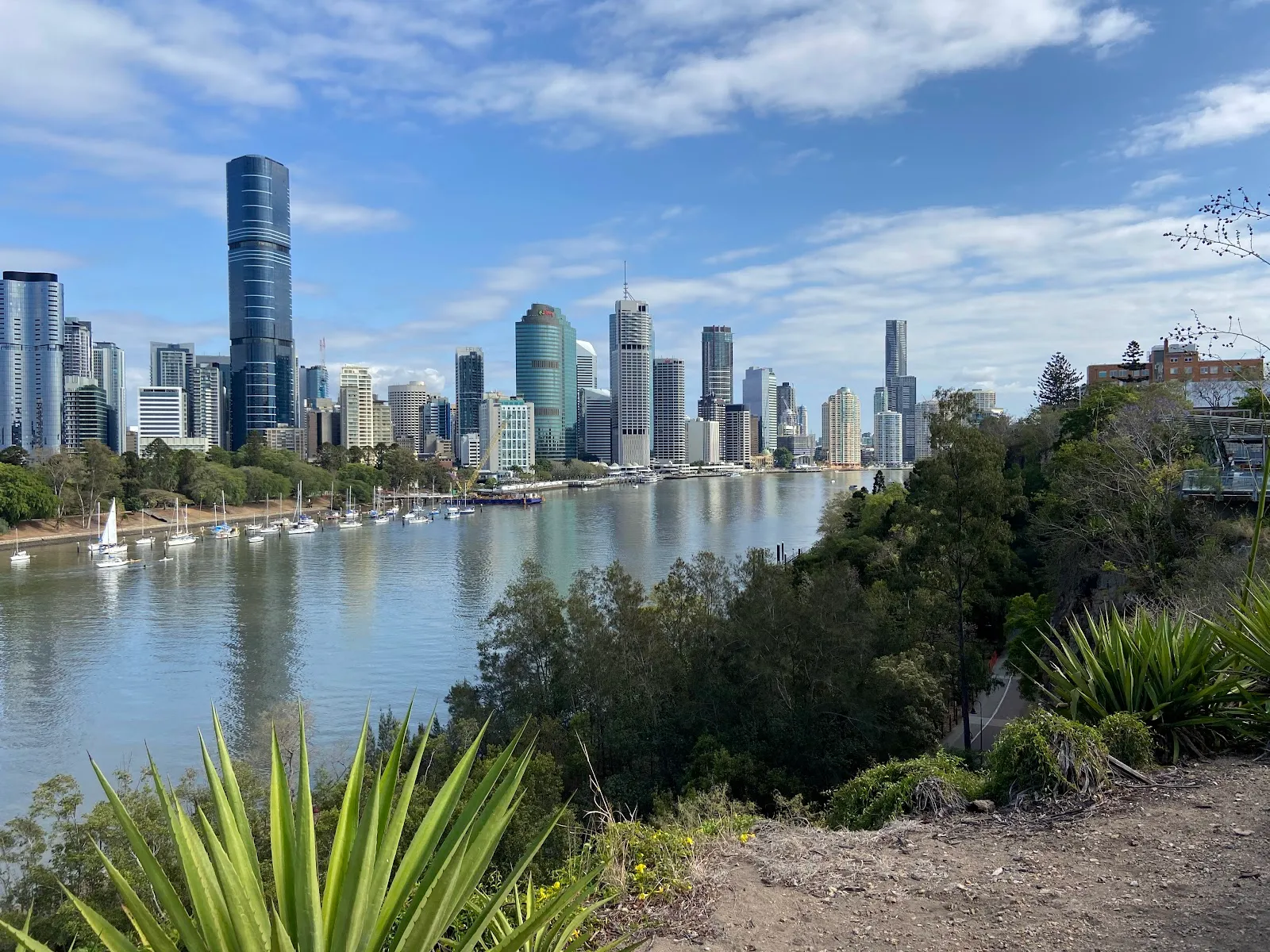
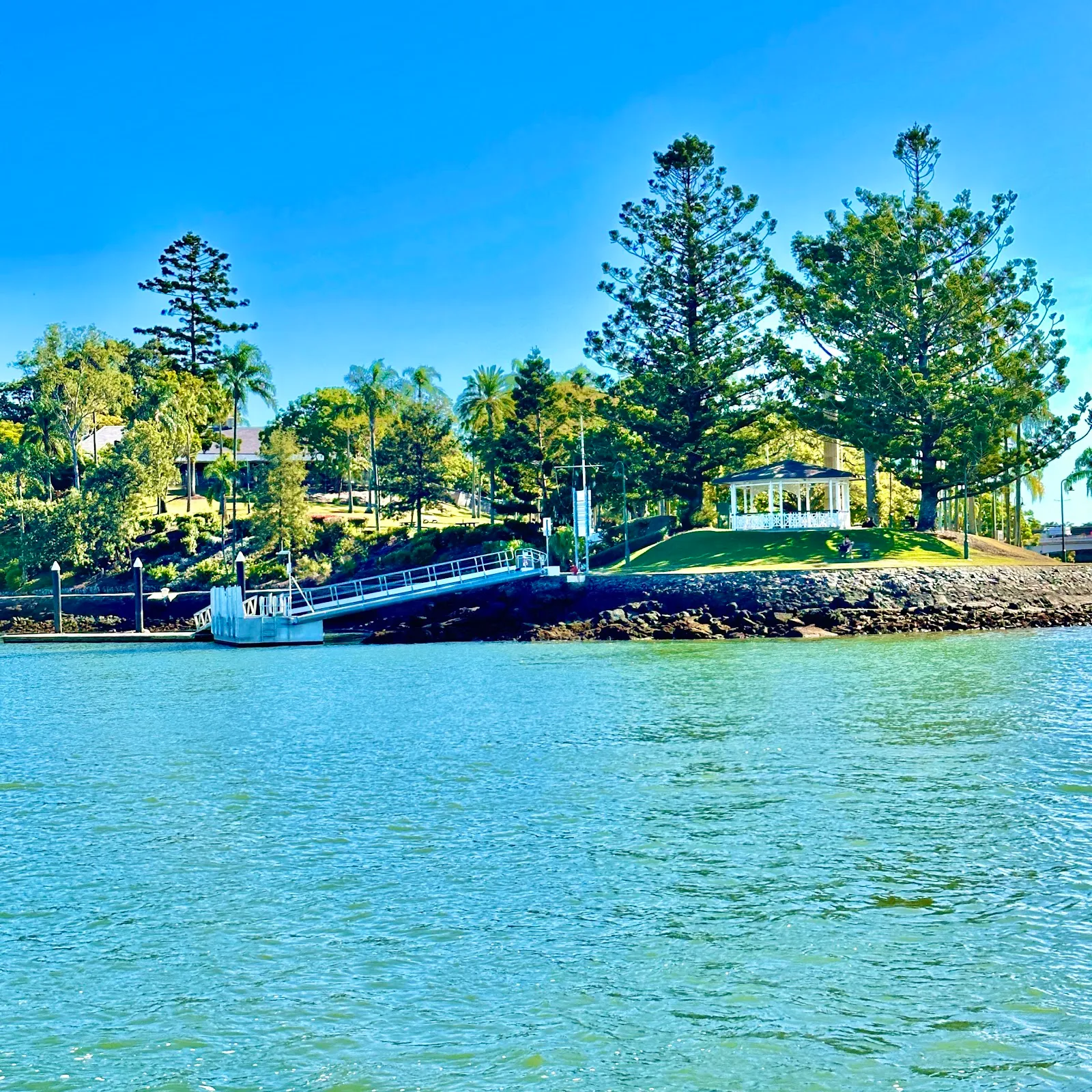
Newstead House sits within Newstead Park, above the Brisbane River near Breakfast Creek. The grounds include lawns, shaded areas, planted gardens and old trees. From the house’s balcony, visitors can look out over the river and the park. The setting makes it possible to combine a visit indoors with a walk or a picnic outside.
The park also contains memorials, including ones connected with Brisbane’s wartime history. A wrought-iron standing toilet unit in the side garden is another detail to look for. Public toilets are available in the nearby park as well as facilities at the house.
Tours, events and planning a visit
The house operates as a museum and also hosts events, including concerts, weddings and high teas. Access to the interior depends on visitor opening and event arrangements, so check the official website before setting out, particularly if restoration work or a closure is announced. Tickets in advance are recommended.
The house is open to the public on Fridays and Sundays, with different visiting times on each day. Nearby parking is limited, and some street parking is paid. Allow extra time if you want to take a tour, read the room displays and explore the grounds rather than seeing only the house.
Perguntas frequentes
When is Newstead House open to visitors?
The house is open on Fridays and Sundays, with different hours on each day. Check its official website before visiting in case of closures or changes.
How long should I allow for a visit?
Allow around 30 to 60 minutes. Reading the displays and taking a guided tour may take longer than a short walk through the rooms.
Are guided tours available?
Volunteer-led tours are available and provide more context about the house’s history. Check the official website for current visit arrangements.
Is parking available at Newstead House?
Parking nearby is limited, and some street parking is paid. Plan your arrival with that in mind.