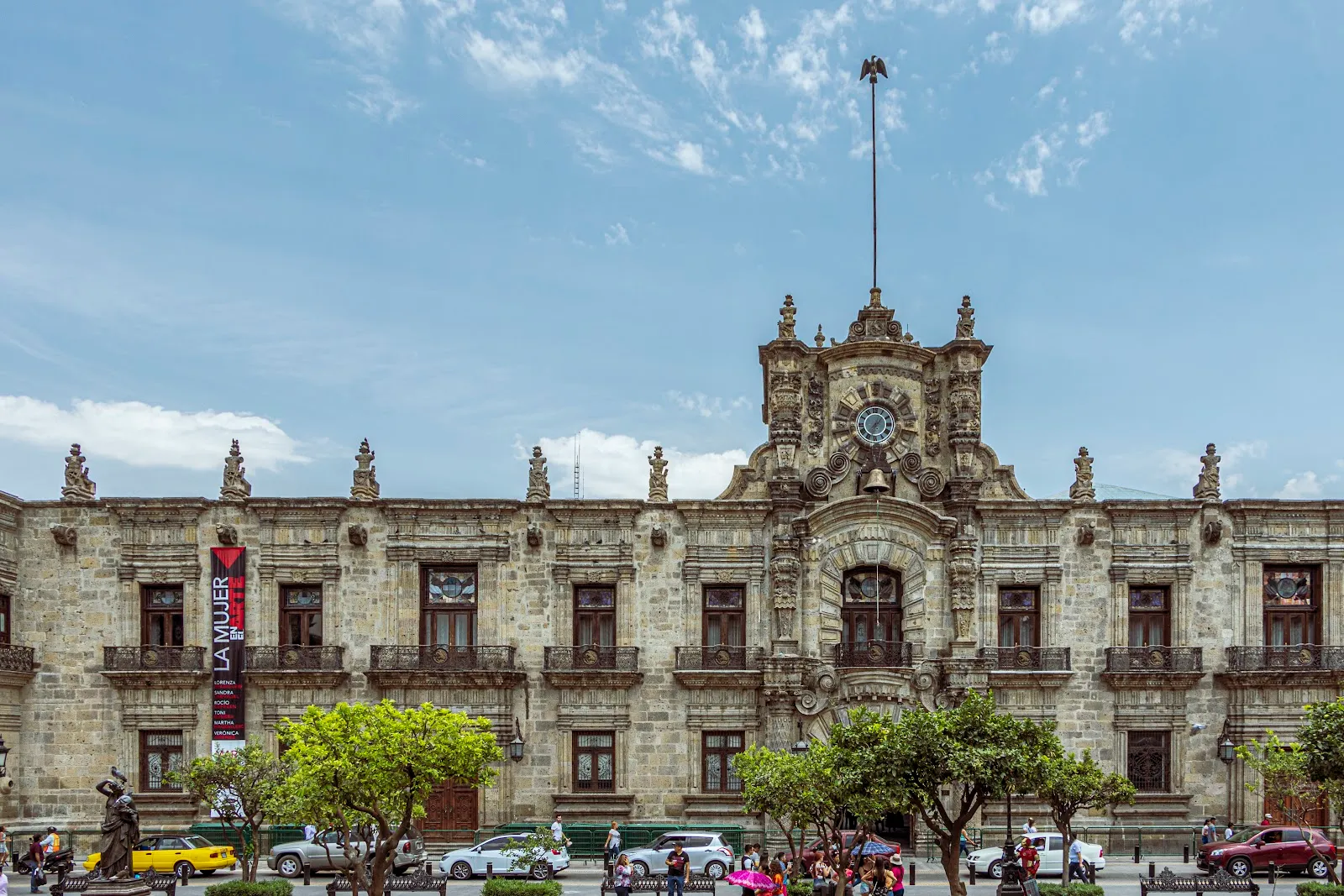
Pianifica un viaggio
Lingua: Italiano
Pianificatore di viaggiPianifica il tuo viaggio su una mappa

Le migliori destinazioni

EnglishDeutschFrançaisEspañolPortuguêsPortuguês (BR)Italiano
Avviso di viaggio · MessicoAlcuni governi sconsigliano di viaggiare in alcune zone di Messico.Gli avvisi riguardano solo queste aree: Colima, Guerrero, Sinaloa, Chiapas, Chihuahua, Strada federale 199 San Cristóbal de las Casas–Palenque, Guanajuato, a sud delle strade 43D e 45D, Regione di confine con il Guatemala, Chiapas, Parco nazionale Lagunas de Zempoala, Michoacán, Nayarit, entro 20 km dal confine con Sinaloa e Durango, Nuevo León, eccetto Monterrey, Piedras Negras, Strada 85 Monterrey–Nuevo Laredo, Sonora, Tamaulipas, Tecate, Tijuana, Regione di confine con gli Stati Uniti, Zacatecas.Le indicazioni dipendono dal tuo passaporto. Leggi quelle del tuo governo prima di prenotare.Indicazioni ufficiali
Aree con avvisi
  • Colima · evitare ogni viaggio · Canada, Germania, Francia, Regno Unito
  • Guerrero · evitare ogni viaggio · Canada, Germania, Spagna, Francia, Nuova Zelanda, Regno Unito
  • Sinaloa · evitare ogni viaggio · Canada, Germania, Spagna, Francia, Nuova Zelanda, Regno Unito
  • Chiapas · evitare i viaggi non essenziali · Canada, Spagna, Francia
  • Chihuahua · evitare i viaggi non essenziali · Canada, Francia, Regno Unito
  • Strada federale 199 San Cristóbal de las Casas–Palenque · evitare i viaggi non essenziali · Francia, Regno Unito
  • Guanajuato, a sud delle strade 43D e 45D · evitare i viaggi non essenziali · Canada, Nuova Zelanda
  • Regione di confine con il Guatemala, Chiapas · evitare i viaggi non essenziali · Germania, Francia, Nuova Zelanda
  • Parco nazionale Lagunas de Zempoala · evitare i viaggi non essenziali · Canada, Nuova Zelanda
  • Michoacán · evitare i viaggi non essenziali · Canada, Germania, Nuova Zelanda, Regno Unito
  • Nayarit, entro 20 km dal confine con Sinaloa e Durango · evitare i viaggi non essenziali · Canada, Nuova Zelanda
  • Nuevo León, eccetto Monterrey · evitare i viaggi non essenziali · Canada, Nuova Zelanda
  • Piedras Negras · evitare i viaggi non essenziali · Spagna, Francia
  • Strada 85 Monterrey–Nuevo Laredo · evitare i viaggi non essenziali · Spagna, Francia
  • Sonora · evitare i viaggi non essenziali · Canada, Nuova Zelanda
  • Tamaulipas · evitare i viaggi non essenziali · Canada, Francia, Regno Unito
  • Tecate · evitare i viaggi non essenziali · Francia, Regno Unito
  • Tijuana · evitare i viaggi non essenziali · Francia, Regno Unito
  • Regione di confine con gli Stati Uniti · evitare i viaggi non essenziali · Germania, Spagna, Francia
  • Zacatecas · evitare i viaggi non essenziali · Canada, Germania, Spagna, Francia, Regno Unito

Segnalata anche da un solo governo: Triangolo Celaya–Irapuato–Salamanca, Guanajuato (Francia), Culiacán e dintorni (Francia), A nord di Ciudad Victoria, Tamaulipas (Germania), Strada 129 Martínez de la Torre–Teziutlán (Francia), Strada 131 Tapacoyan–Perote (Francia), Strade secondarie della 180 Martínez de la Torre–Papantla (Francia), Strada 40 Monterrey–Reynosa (Francia), Sud del Michoacán, da Uruapan alla costa (Francia), Acapulco (Francia), Bassa California, eccetto Tijuana e Tecate (Francia), Ciudad Acuña (Spagna), Ciudad Juárez e dintorni (Spagna), Ciudad Obregón (Francia), Coahuila, eccetto il sud (Nuova Zelanda), Coatzacoalcos (Francia), Quartieri a nord e nord-est dello Zócalo, Città del Messico (Francia), Durango (Francia), Est del Nuevo León, al confine con Tamaulipas (Francia), Guanajuato (Spagna), Guanajuato, strada statale 45 tra León e Irapuato (Nuova Zelanda), Guanajuato, a sud-ovest della strada 45D (Regno Unito), Jalisco, entro 50 km dal confine con il Michoacán (Canada), Monclova (Spagna), Morelos (Francia), Nayarit (Francia), Nogales (Francia), Zone rurali non turistiche della Baja California (Spagna), Zone rurali non turistiche di Chihuahua (Spagna), Zone rurali non turistiche di Coahuila (Spagna), Zone rurali non turistiche di Durango (Spagna), Zone rurali non turistiche di Sonora (Spagna), Comuni del nord di Jalisco (Regno Unito), Tamaulipas settentrionale, da San Fernando al confine con gli USA (Spagna), Veracruz settentrionale, al confine con il Tamaulipas (Spagna), Veracruz settentrionale da Martínez de la Torre (Francia), Strada 150D, Puebla–Orizaba (Francia), Strada 190, Oaxaca–Santo Domingo Tehuantepec (Francia), Strade 85 e 83 Monterrey–Ciudad Victoria–Tampico (Francia), Strada 95 Città del Messico–Cuernavaca (Francia), Selva Lacandona (Francia), Sud e sud-ovest del lago di Chapala, Jalisco (Regno Unito), Sud-ovest del Jalisco e Los Altos, eccetto Puerto Vallarta (Francia), Sud-ovest del Michoacán (Francia), Sud-ovest del Tamaulipas (Francia), Sud dello stato di Guanajuato (Francia), Sud del Michoacán, a sud di Morelia (Spagna), Fascia entro 40 km dal confine con il Guatemala, Chiapas (Regno Unito), Tepic (Nuova Zelanda), Toluca (Francia), Città di Veracruz (Francia)

GovernoConsigliAggiornatoLeggi le indicazioni
Regno Unito (FCDO)No advice against the whole country (regional advisories)–Leggi le indicazioni
Stati Uniti (Dipartimento di Stato)Exercise increased caution29 mag 2026Leggi le indicazioni
Canada (Affari globali)Exercise a high degree of caution (regional advisories)–Leggi le indicazioni
Germania (Auswärtiges Amt)Besondere Vorsicht walten lassen (Sicherheitslage) (regional advisories)19 ott 2026Leggi le indicazioni
Nuova Zelanda (SafeTravel)Exercise increased caution (regional advisories)–Leggi le indicazioni
Francia (Ministero per l'Europa e gli Affari esteri)Vigilance renforcée pour le reste du pays (regional advisories)–Leggi le indicazioni

Verificato ogni giorno dalle indicazioni pubblicate dai governi; ultima verifica 3 nov 2026.RoamLedger riassume le indicazioni ufficiali; non è un consiglio di alcun governo.

Mercado San Juan de Dios
Mercato

Mercado Libertad - San Juan de Dios

Mercado Libertad, known locally as Mercado San Juan de Dios, is a covered market on Calle Dionisio Rodríguez in Guadalajara, just south of the Hospicio Cabañas.

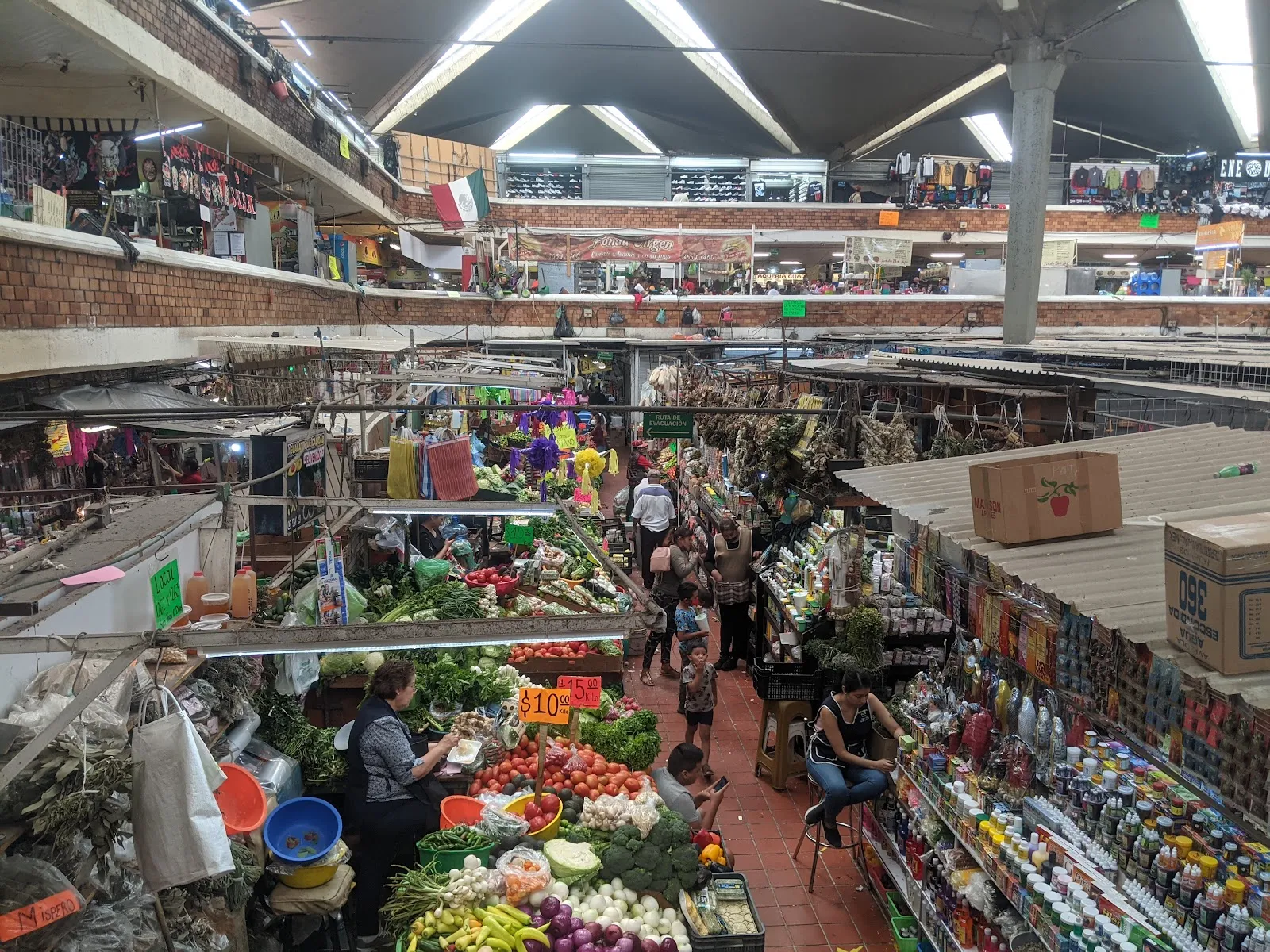
Mercado Libertad, known locally as Mercado San Juan de Dios, is a covered market on Calle Dionisio Rodríguez in Guadalajara, just south of the Hospicio Cabañas. It opened in 1958 and has three floors with close to 3,000 stalls. Leather goods, sandals, sweets, football jerseys, fruit, spices and household items fill the aisles, and a large food section serves torta ahogada, birria and pozole. The layout is a maze, so plan several hours. The Plaza de los Mariachis is right outside.

Name, architect and opening in 1958
Mercado Libertad - San Juan de Dios

The market is officially Mercado Libertad. Most people in Guadalajara call it Mercado San Juan de Dios, after the barrio and the church of the same name. It stands just south of the Hospicio Cabañas, a short walk from the historic center.

The architect was Alejandro Zohn, and the market was inaugurated on 30 December 1958. It replaced an older market on the site. The design relies on bold lines and a practical layout, planned to hold a very large number of stalls and the daily traffic of buyers and sellers.

Today the building has three floors and close to 3,000 stands and stalls. It is open every day and works as a working neighborhood market as much as a sight, so locals shop here alongside visitors.

What is sold inside
Mercado Libertad - San Juan de Dios

The range is wide. Stalls sell fresh fruit and vegetables, seafood, spices, candies, fabric, jewelry, toys, household goods and clothing. There are leather sandals, belts, shoes and phone cases, guitars, and football jerseys that can be made with a custom name. Services are here too, including lottery sales and money exchange. You may also see live chickens for sale.

The largest part of the market is general retail, and some stalls sell imitation branded goods. Many souvenir stalls carry the same items, so a walk through before buying saves time and money.

For handmade work, the artisan towns of Tlaquepaque and Tonalá, just outside Guadalajara, are better sources. Their workshops make silver jewelry, glassware, copper pieces and ceramics. The Tonalá street market runs on Thursdays and Sundays.

Bargaining is usual here, as long as it stays polite. Prices in most other Guadalajara shops are fixed, so this is the place to practice.

Eating in the market

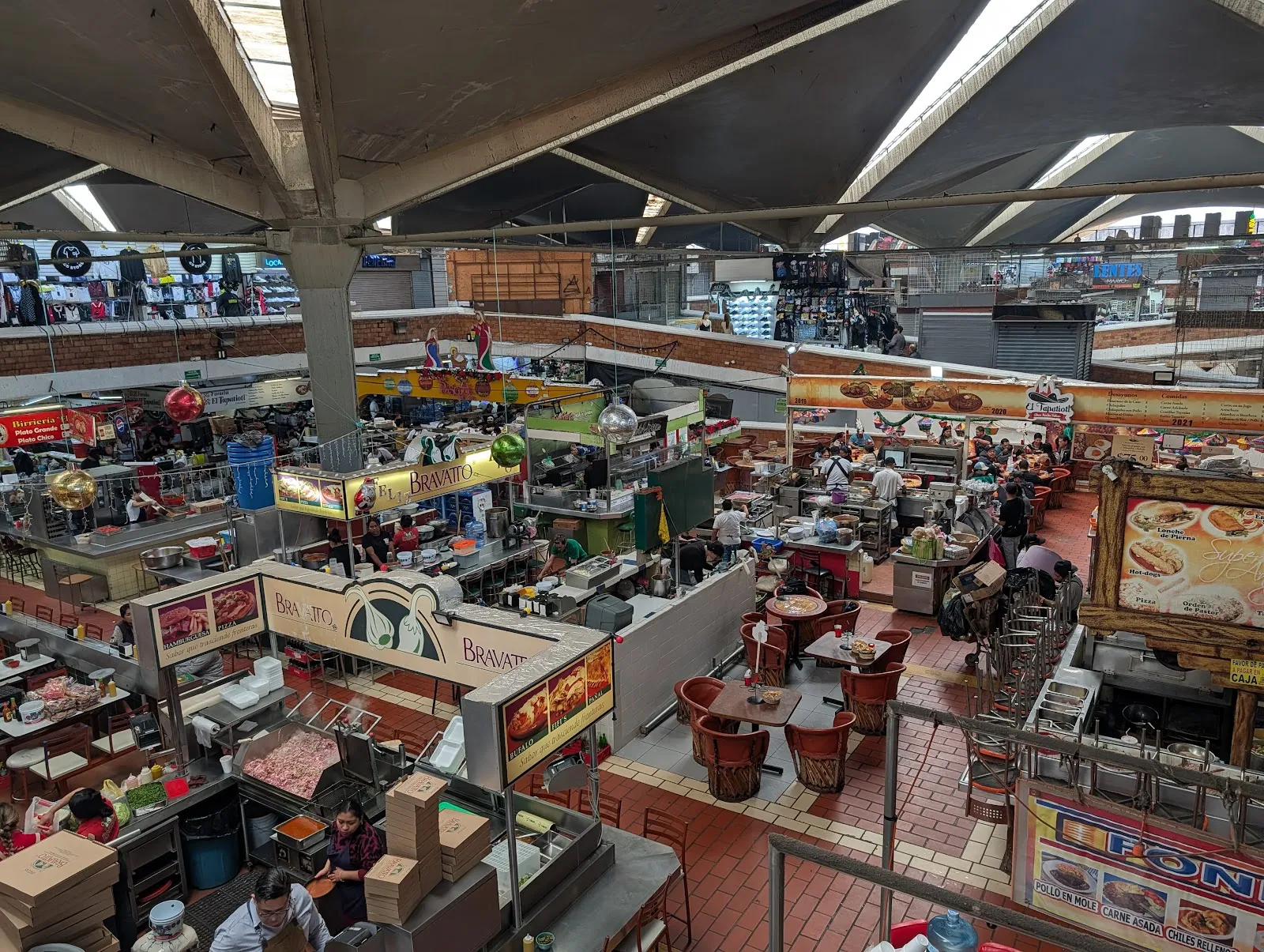
The food section is big enough to take up a visit by itself. Stalls and small counters sell regional dishes, and there are even sushi and ramen stands. A simple way to choose is to watch where local customers are sitting and take a stool there.

The local dish to try is torta ahogada. It is a bread roll filled with fried pork and covered in a tomato and chile sauce. It comes with avocado, onion and radish. The sauce is often made with chiles de árbol, and the sandwich is traditionally eaten with a spoon. Some versions are very hot, and many stalls put extra hot sauce on the side.

Other dishes to look for are birria, a slow-cooked goat or lamb in a tomato broth with tortillas and salsa, and pozole, a pork or chicken stew with corn. Fish ceviche is made with whatever is fresh that day and served on tostadas. Breakfast stalls serve eggs with beans, white cheese and tortillas. Tacos al pastor, barbacoa and carnitas are common, and the market is the one place in the city to find the torta loca.

To drink, try tejuino, a chilled fermented corn drink served with lime and salt. Fresh juices are sold at stalls throughout.

Getting around and planning the visit

The aisles are tightly packed and the layout is a maze, so allow enough time and ask a vendor if you are looking for something specific. Staff and vendors are generally helpful when asked.

Getting to the market by car can be slow, particularly at weekends. There is a paid parking lot. The entrance, a restroom and the parking area are wheelchair accessible. Card and mobile payments are accepted at the market, though the restrooms charge a small fee in coins.

The Plaza de los Mariachis is right outside, and the Hospicio Cabañas is close by, so many visitors combine the three.

Guided street food walks pass through the market and stop at several stalls. They explain the history of the market and the origin of each dish, which helps if the number of stalls feels overwhelming.

FAQ

How long do you need at Mercado Libertad?

Plan two to four hours. The market has three floors and a maze-like layout, and the food section can take up much of the visit.

What should you eat at Mercado San Juan de Dios?

Start with torta ahogada, the Guadalajara sandwich in spicy sauce. Birria, pozole, tacos al pastor and tejuino, a fermented corn drink, are also common.

Is Mercado Libertad the same as Mercado San Juan de Dios?

Yes. Mercado Libertad is the official name, and San Juan de Dios is the name locals use, after the barrio where it stands.

Can you bargain at the market?

Polite bargaining is expected at many stalls. Most shops elsewhere in Guadalajara have fixed prices.

Is the market wheelchair accessible?

The entrance, a restroom and the parking lot are wheelchair accessible. The aisles are crowded, so the market is easier to navigate on a weekday.

When did Mercado Libertad open?

It was inaugurated on 30 December 1958. Alejandro Zohn designed it to replace an older market.

Altre attrazioni imperdibili a Guadalajara

Esplora tutto