Near the U.S. Capitol at 100 Maryland Ave SW, the United States Botanic Garden brings plants from many climates together in a glass conservatory and outdoor gardens. Move from tropical rainforest warmth to desert plants, then look for orchids, carnivorous species and seasonal displays. The complex also includes the National Garden and Bartholdi Park, across the street. Entry is free, and the indoor rooms make this a useful stop in any weather. Families can explore the children’s garden and pick up educational activities.
A garden planned for the capital
Congress established the United States Botanic Garden in 1820. The idea of a garden for the nation’s capital dates to George Washington’s vision for the city. The garden is among the country’s oldest continually operating public gardens, and its current complex brings together indoor collections, outdoor plantings and a fountain park.
The conservatory, National Garden and Bartholdi Park each offer a different way to explore plant life. The National Garden is outside, while Bartholdi Park sits across the street from the conservatory. Together, the spaces give the garden room for both display and education, with plants presented in settings that show their different uses and growing conditions.
Inside the conservatory
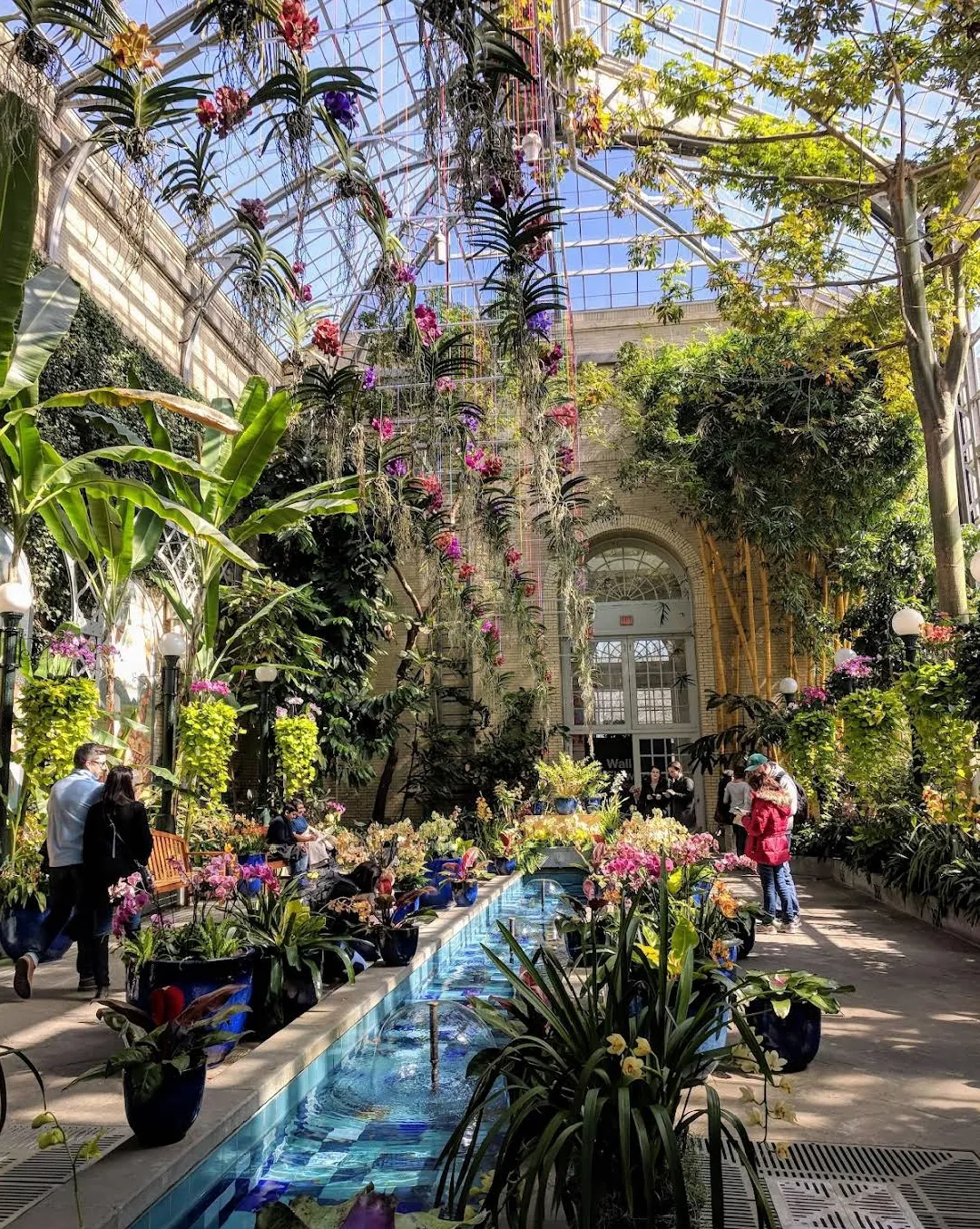
The glass conservatory is divided into rooms for different climates and plant collections. In the tropical area, warm, humid air surrounds dense greenery; an elevated walkway looks across the canopy. The contrast is sharp in the World Deserts room, where plants adapted to dry conditions take the place of rainforest foliage. Other collections include orchids, Hawaiian plants, endangered species, medicinal plants and carnivorous plants.
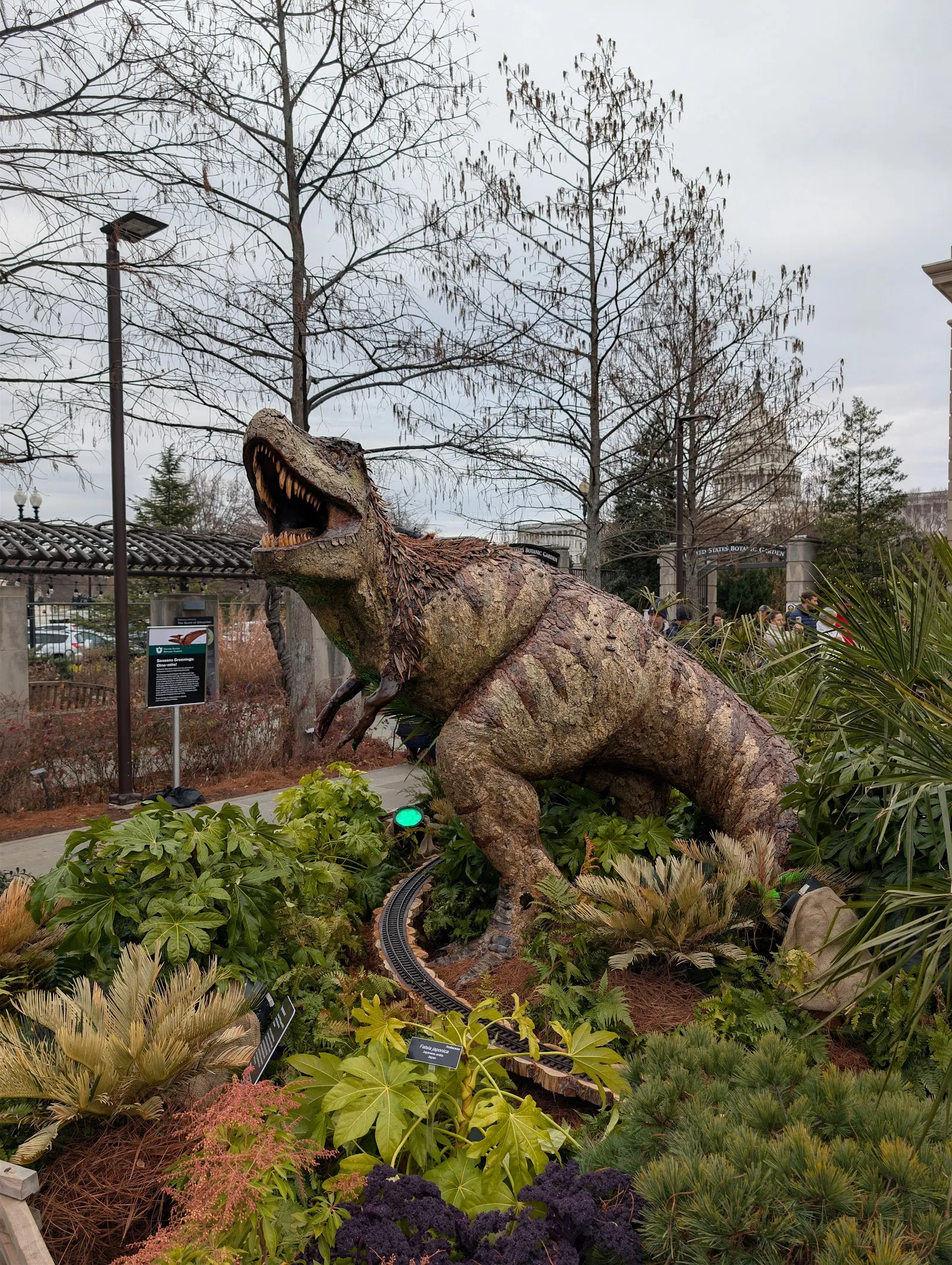
Displays also connect plants with everyday life. In the Garden Court, the collection includes plants used for food, drinks, fibers, fuel and cosmetics. Labels and exhibits give the rooms an educational focus, so the visit can be as much about how plants live and are used as about their appearance. Seasonal exhibitions change what is on view, and occasional displays bring plant-based models and other themed creations into the garden.
Outdoor gardens and family activities
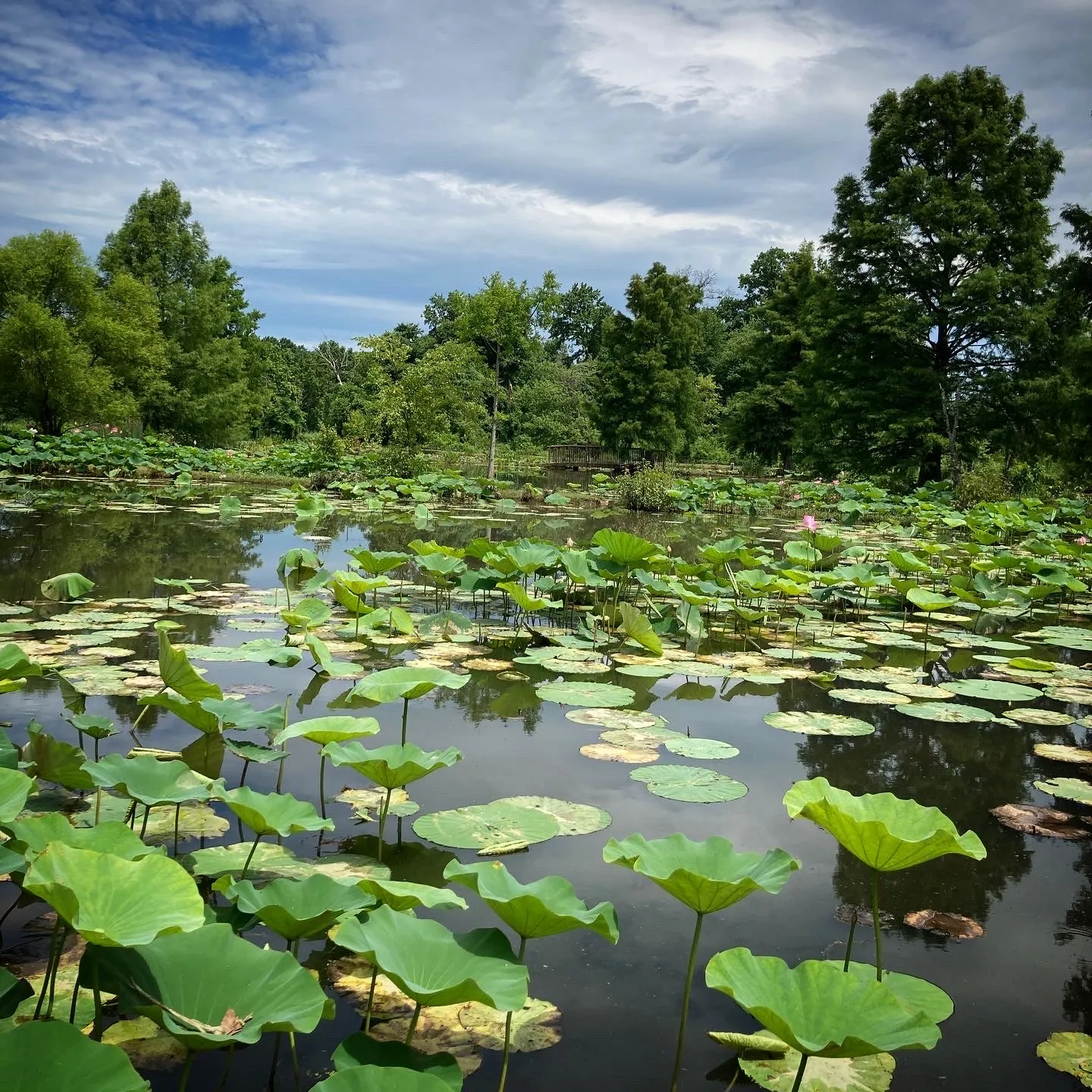
Outside the conservatory, the National Garden and Bartholdi Park extend the visit into planted paths and garden spaces. Bartholdi Park is known for its cast-iron fountain and serves as a demonstration garden, with plantings that include species suited to the Mid-Atlantic region. Its layouts show different approaches to gardening and sustainable planting.
Children can take part in activities that make the collections easier to explore. The children’s garden has gardening tools and opportunities to learn about plants, with seasonal outdoor features in warmer months. Family programs and activity materials may also be available. Around the holidays, special displays can include trains and botanical creations; the exact exhibits change, so check the garden’s website before planning around a particular display.
Preguntas frecuentes
Is the United States Botanic Garden free?
Yes. Admission is free.
What can you see inside the conservatory?
The conservatory has rooms for different climates, including tropical and desert habitats, as well as orchid, carnivorous-plant and other collections.
Does the garden have outdoor areas?
Yes. The complex includes the National Garden and Bartholdi Park, which is across the street from the conservatory.
Is the garden suitable for children?
Yes. Children can explore garden activities and the children’s garden, which has gardening tools and educational features.