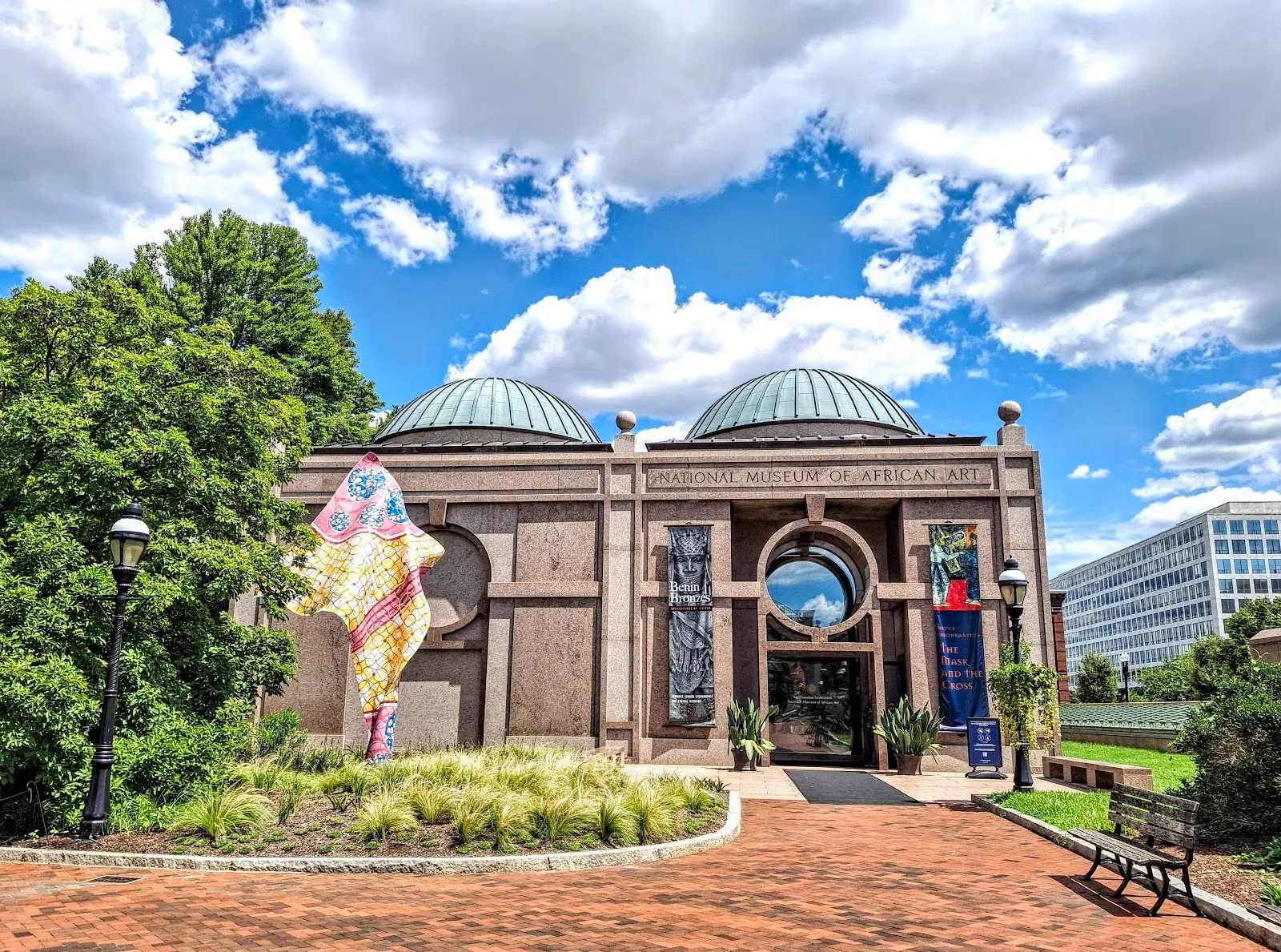
At 950 Independence Ave SW, beside the Enid A. Haupt Garden and near the Smithsonian Castle, the National Museum of African Art brings traditional and contemporary works from across Africa together in a calm, thoughtfully arranged space. Its collection includes sculpture, paintings, textiles, photographs and objects that explore history, culture and present-day concerns. Take time with the permanent collection, which includes more than 7,000 objects, and look for works that use art to address themes such as resilience, activism and the environment.
Art across time and place
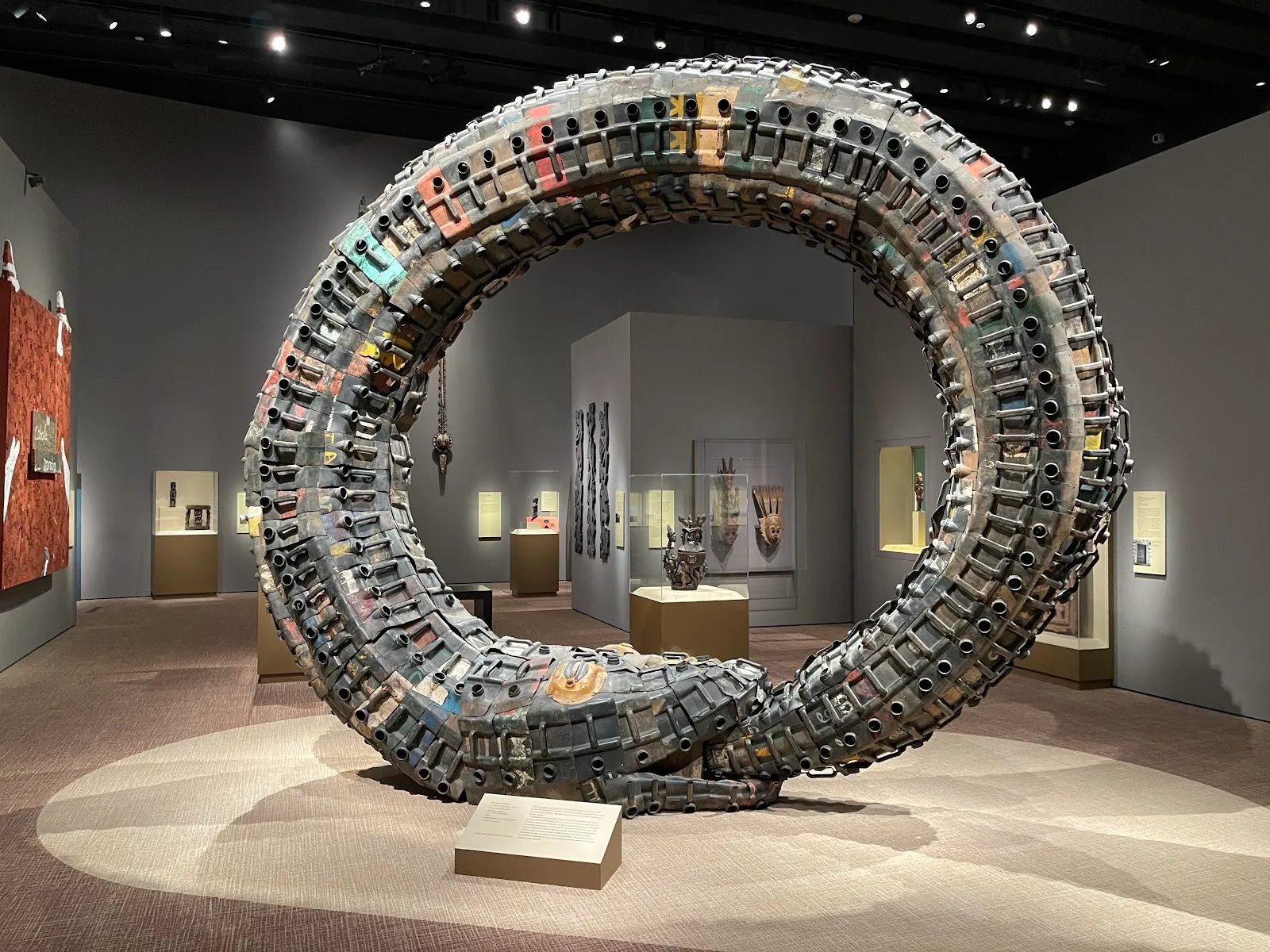
The National Museum of African Art is part of the Smithsonian Institution and sits on Independence Avenue, near the Smithsonian Castle. Its collection brings together traditional and contemporary art from African cultures worldwide. Sculpture, paintings, photographs and other forms give visitors several ways to explore artistic traditions and the histories and ideas connected to them.
The permanent collection contains more than 7,000 objects. Among its works are late-19th-century carved figures from Benin, paintings by modern artists such as Gerard Sekoto, ceramics, metalwork and jewelry. The museum also holds the Walt Disney-Tishman Collection of Sub-Saharan art, a group of 525 objects collected by the Tishman family and later sold to the Disney Company. Some masks and crowns in that collection helped inspire the 1994 film The Lion King.
Exhibitions that raise questions
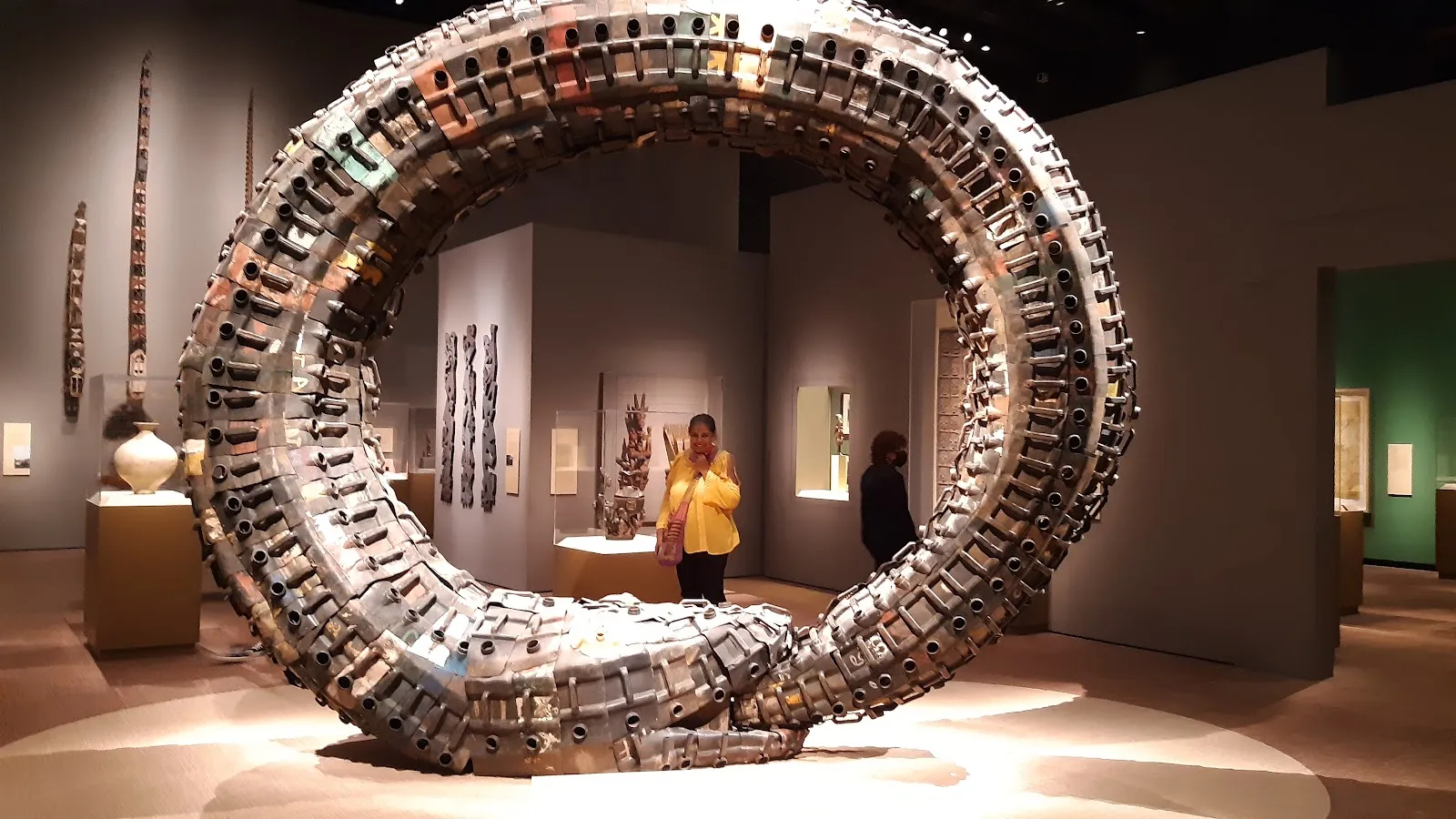
The museum’s exhibitions span historical works and contemporary practice. Artists use different materials and forms to address subjects including identity, history, activism and environmental change. The work can be powerful and sometimes challenging; give yourself time to consider how an object’s form and subject relate.
Water is one subject explored through art in the museum’s collection. In some African origin stories, water is connected with spirits that can protect or endanger. The exhibition brings attention to water’s place in cultural narratives and the art those stories inspire. The museum has also presented exhibitions focused on contemporary women artists, photography in the Indian Ocean region and the ways artists respond to cultural and racial stereotypes. Check the museum website for what is currently on view.
A museum visit near the Haupt Garden
The museum’s entrance pavilion is beside the Enid A. Haupt Garden, with the National Museum of Asian Art nearby. The collection extends below ground, so the building’s modest exterior does not indicate how much there is to explore inside. Its galleries provide space to pause with individual works and move between historical and contemporary themes.
The museum began as a private educational institution in 1964. It became part of the Smithsonian in 1979 and took its current name in 1981. It opened on the National Mall in 1987. Its work includes exhibitions, research, conservation and educational programs, with activities and resources for families available through the museum.
Preguntas frecuentes
Is admission to the National Museum of African Art free?
Yes. The museum has free admission.
What can you see at the National Museum of African Art?
The collection includes traditional and contemporary African art, including sculpture, paintings, photographs, textiles, ceramics, metalwork and jewelry.
Where is the National Museum of African Art?
It is at 950 Independence Ave SW in Washington, DC, near the Smithsonian Castle and Enid A. Haupt Garden.
Does the museum have art for children and families?
The museum has offered children’s programs, family activities and educational resources. Check its website for current programs.