
Oaks Bottom Wildlife Refuge is a wetland and woodland reserve in Sellwood, beside the Willamette River and Springwater Corridor. Its mostly flat routes mix paved paths with quieter dirt trails, boardwalks and bridges, with wetland views along the way. Look for great blue herons, eagles, osprey, deer and other wildlife, or visit Tadpole Pond during the breeding season. The paved route connects with a popular bike path; for a quieter walk, take the unpaved Bluff Trail, where bicycles are not allowed.
A wetland reserve in Sellwood
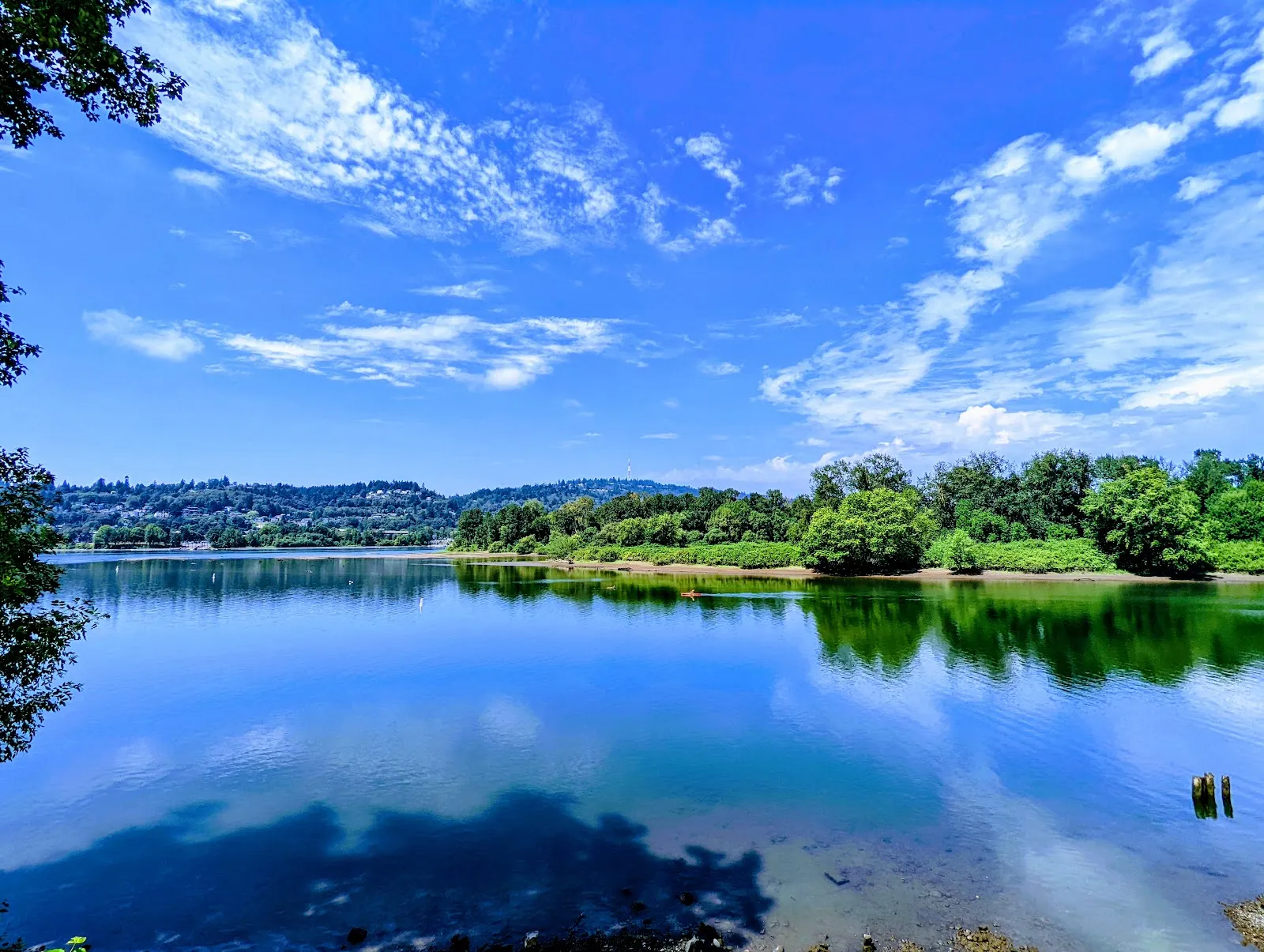
Oaks Bottom sits in Sellwood beside the Willamette River. The reserve brings together wetland, meadow and forest, with marshes, ponds and open fields. Its trails connect with the Springwater Corridor, a paved route used by cyclists, runners and walkers.
The site was once a landfill. In 1988, it became Portland’s first designated wildlife refuge. It was named the city’s first migratory bird park in 2004. Restoration work continues in parts of the refuge to improve habitat for amphibians and wildlife, and some areas are closed to visitors. Stay on open paths and respect any marked restrictions.
Choosing a route
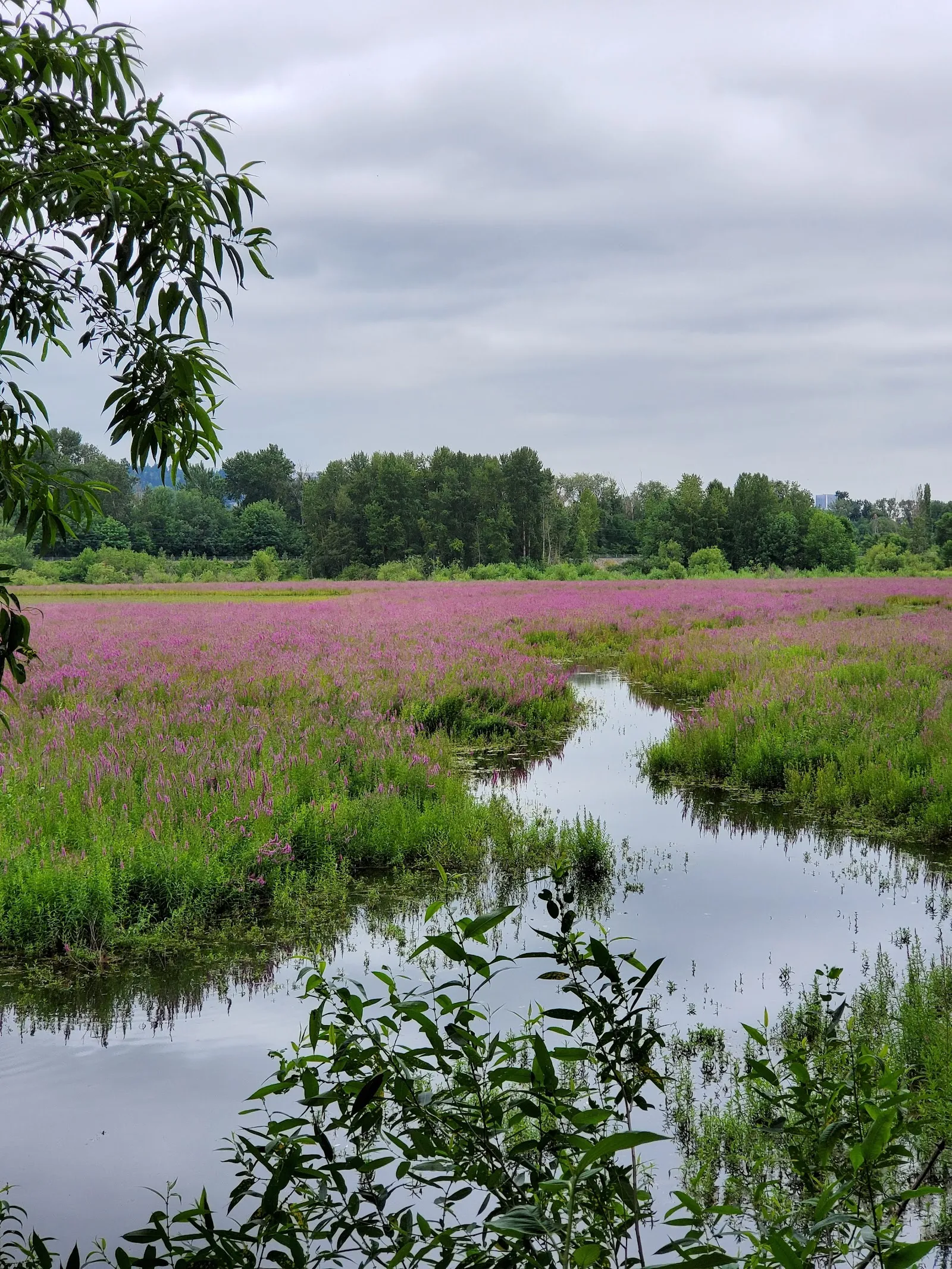
Paved paths make an easy, mostly flat walk and link the refuge with the Springwater Corridor. They suit a shorter visit or a walk after rain, when the softer trails can be muddy. Cyclists also use the paved sections, so stay alert when walking there.
For a quieter route, take the unpaved Bluff Trail along the eastern edge of the refuge. It has dirt, rocks, roots and wooden boardwalks, with a boardwalk and viewing areas over the wetlands. Bicycles are not permitted on this trail. The paths include bridges and some narrow sections, as well as a few gentle inclines. A loop around the refuge is about 2.3 miles, though it includes a stretch beside the bike path.
Wildlife and Tadpole Pond
Birdwatching is a key reason to walk here. Great blue herons, eagles and osprey are among the birds associated with the refuge, alongside waterfowl and many other species. Deer can be easier to spot near the wetland edges early or late in the day. Move quietly and give wildlife room.
Tadpole Pond is a seasonal stop for frogs and salamanders during breeding season, which continues into early summer. The shallow water and surrounding wetland make it a useful place to look for amphibians as well as birds. Wildlife sightings change with the season, so take time to scan the ponds, open areas and tree cover as you walk.
Access and conditions
The refuge has both paved and soft-surface routes, so you can adapt your walk to the weather. After rain, the far side of the trails can be damp; sturdy shoes are a practical choice. The north parking lot has limited parking and no restroom access. Sensitive restoration areas are off limits, so keep to the routes open to the public.
Preguntas frecuentes
How long does it take to walk around Oaks Bottom Wildlife Refuge?
The loop is about 2.3 miles and includes a section along the Springwater Corridor bike path. Allow around 1 to 2 hours for a typical walk, with extra time for wildlife watching.
Can you see wildlife at Oaks Bottom Wildlife Refuge?
The refuge is known for birdwatching, with great blue herons, eagles, osprey and waterfowl among the birds found there. Deer may be visible at the wetland edges early in the morning or evening.
Are dogs allowed at Oaks Bottom Wildlife Refuge?
Dogs are allowed on leash.
Are bicycles allowed on the trails?
Bicycles use the paved paths, including the Springwater Corridor. They are not allowed on the unpaved Bluff Trail.
Is there parking and a restroom at the north lot?
The north parking lot has limited parking and no restroom access.


