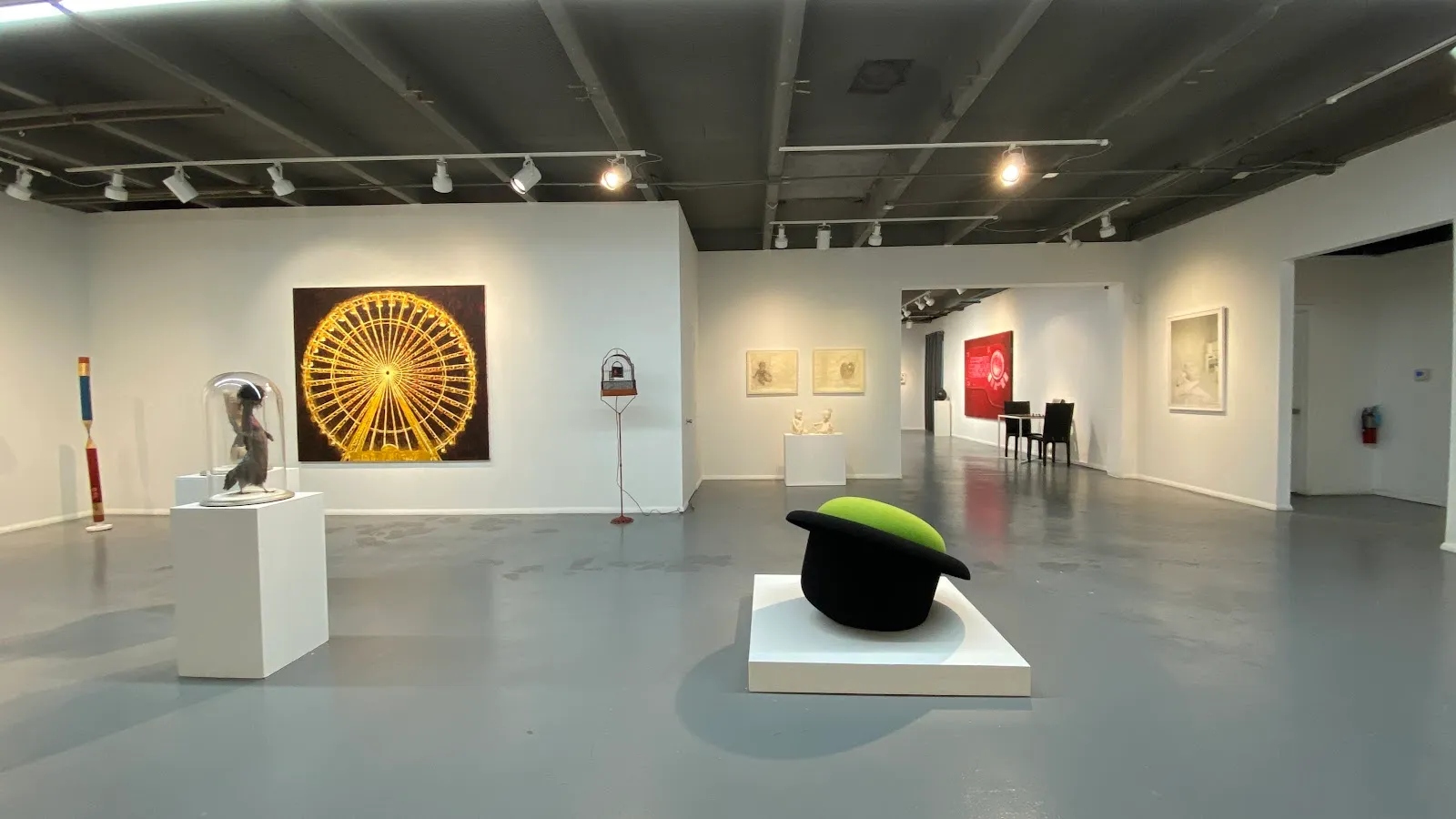
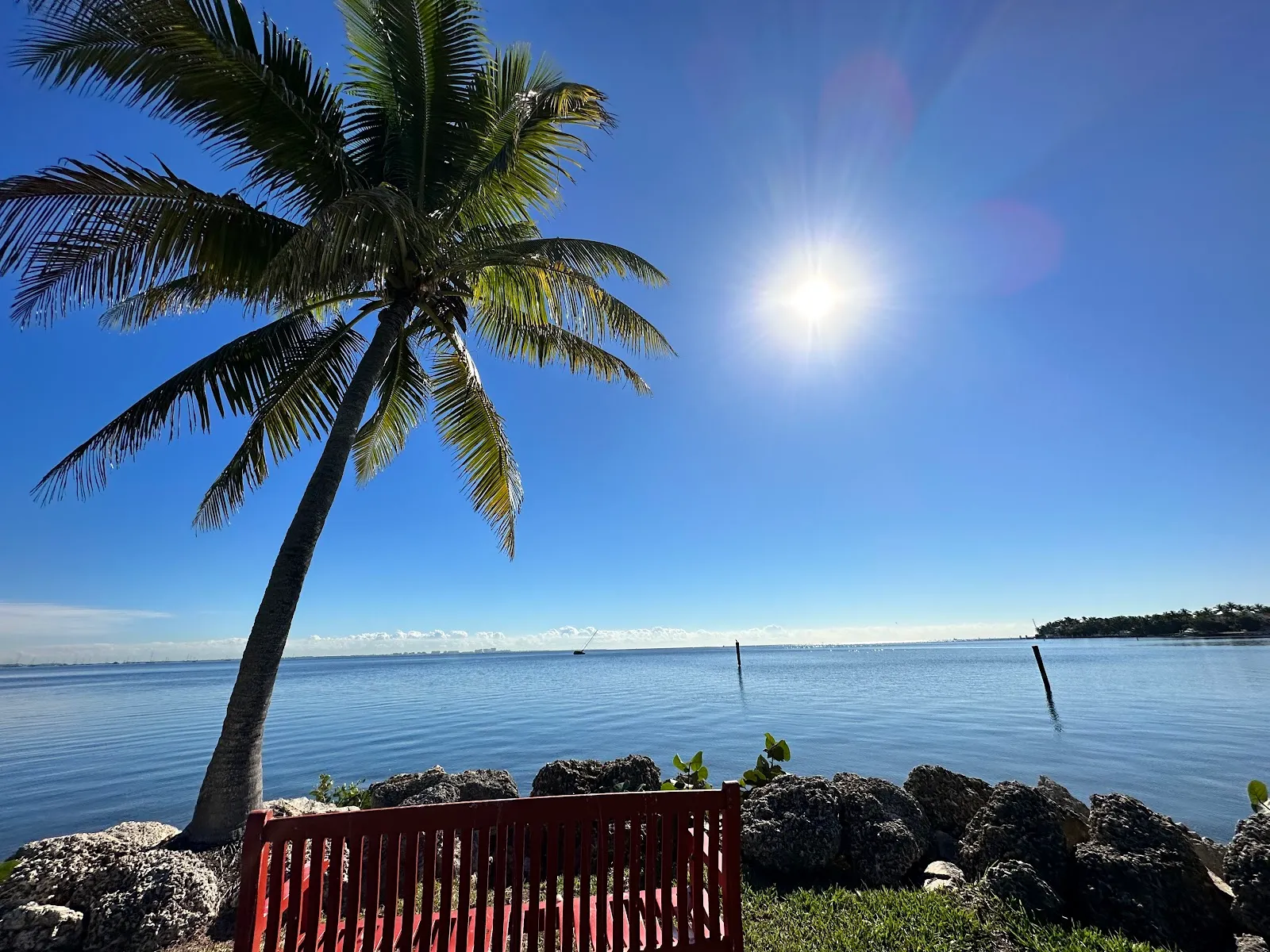
The Kampong is a nine-acre tropical garden in Miami’s Coconut Grove, on the shore of Biscayne Bay. Once the estate of plant explorer David Fairchild, it brings together tropical and subtropical trees and plants, including mangoes, avocados, palms and species from Southeast Asia, the Americas and the Caribbean. Follow the garden paths past coral-stone walls, flowering trees and fruit collections, then pause for views across the bay. Interpretive signs explain how some plants have been used, and the historic house may host art displays.
A garden shaped by David Fairchild
The Kampong began as the home of horticulturist and plant explorer David Fairchild. During his travels through Southeast Asia and other tropical regions, he gathered plants that he brought to the United States and grew on the property. He called the estate Kampong, a word meaning village in Malay.
Today, the garden is part of the nonprofit National Tropical Botanical Garden network. Its nine acres sit beside Biscayne Bay in Coconut Grove. The collection reflects Fairchild’s interest in tropical plants, with specimens from Southeast Asia, Central and South America, and the Caribbean.
Fruit trees and plants with uses
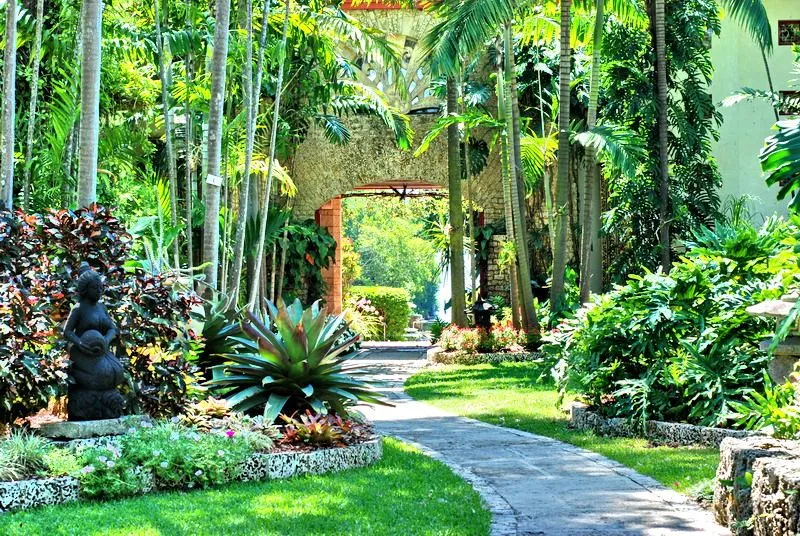
Fruit trees are a particular reason to visit. The garden includes 65 varieties of mango and 23 avocado cultivars, alongside citrus and other tropical plants. Flowering trees, palms, ficus and large trees such as banyans and baobabs add variety to the paths.
Look for signs that explain the uses of ethnobotanical plants, including their role in medicine. They give context to the collection as you move through the grounds. The garden also has shaded areas and picnic tables, useful places to pause during a walk.
The house, the grounds and the bay
The historic house and its garden are part of the visit. Art displays have been held inside the house and around the grounds, and exhibitions can change, so check ahead if you are hoping to see one. Workshops and art classes are also among the activities associated with the property.
Stone paths and coral-stone walls give the garden a historic character. As you explore, look toward Biscayne Bay from the waterfront side of the grounds. The combination of cultivated trees, shaded paths and water views makes the garden a quieter way to spend time outdoors in Miami.
Planning your visit
The Kampong is at 4013 Douglas Road in Coconut Grove. Tickets are recommended in advance, and some visitors report limited parking, so plan your arrival before setting out. The grounds involve walking in the Florida sun; water and sunscreen are practical to bring.
Allow around two hours to explore. A weekday or early visit can help you avoid busier periods. If you want to attend a special event or see an art display, check what is scheduled before you go.
Preguntas frecuentes
Do you need to reserve tickets for The Kampong?
Advance ticket booking is recommended. Reserve before your visit.
How long does a visit to The Kampong take?
Allow about two hours to walk around the garden.
What can you see at The Kampong?
The garden has tropical and subtropical plants, including mango and avocado collections, flowering trees and ethnobotanical plants with signs explaining their uses. The grounds also include a historic house and views of Biscayne Bay.
Where is The Kampong?
It is at 4013 Douglas Road in Miami’s Coconut Grove neighborhood.