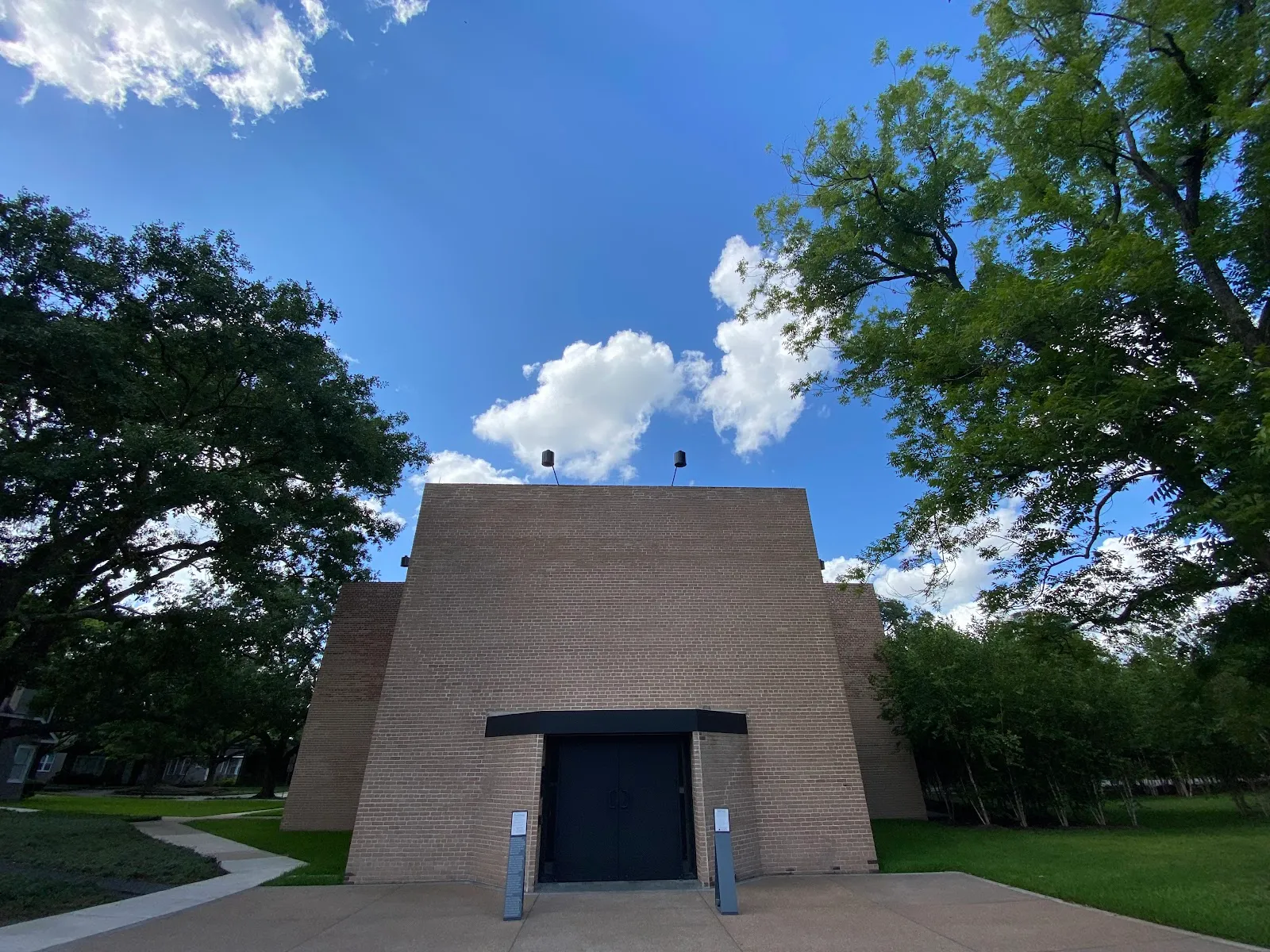
At 5555 Hermann Park Dr, the Houston Museum of Natural Science brings together dinosaur fossils, ancient Egyptian objects, gems and minerals, wildlife displays and hands-on exhibits. Start in the Morian Hall of Paleontology, where fossil displays span different periods of life on Earth, then step into the Cockrell Butterfly Center’s tropical habitat. The Burke Baker Planetarium and changing exhibitions add more to explore. With several floors and plenty of ground to cover, plan your visit around the exhibits that interest you most, or set aside much of the day.
A museum with several ways to explore
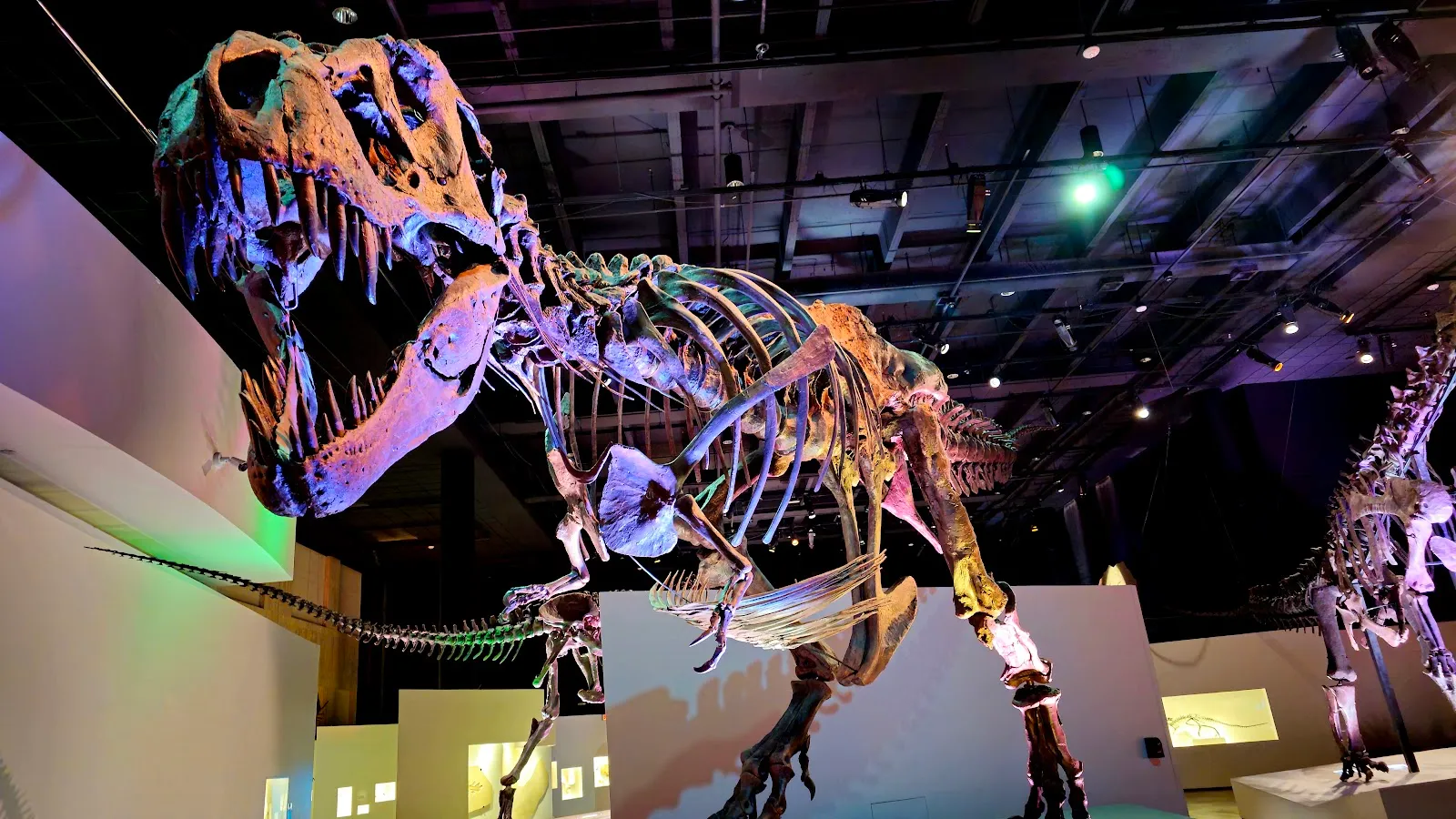
The Houston Museum of Natural Science is at 5555 Hermann Park Dr, beside Hermann Park. Its galleries cover paleontology, ancient cultures, wildlife, energy, chemistry, astronomy, gems and minerals. The museum also has the Burke Baker Planetarium, the Cockrell Butterfly Center and the Wortham Giant Screen Theatre. Special exhibitions add another reason to check what is on before your visit.
The museum was established in 1909 by the Houston Museum and Scientific Society. Its range is broad enough that a visit works best with a little planning. Choose a few priorities first, then leave time for exhibits that catch your interest along the way.
Fossils and the Morian Hall of Paleontology
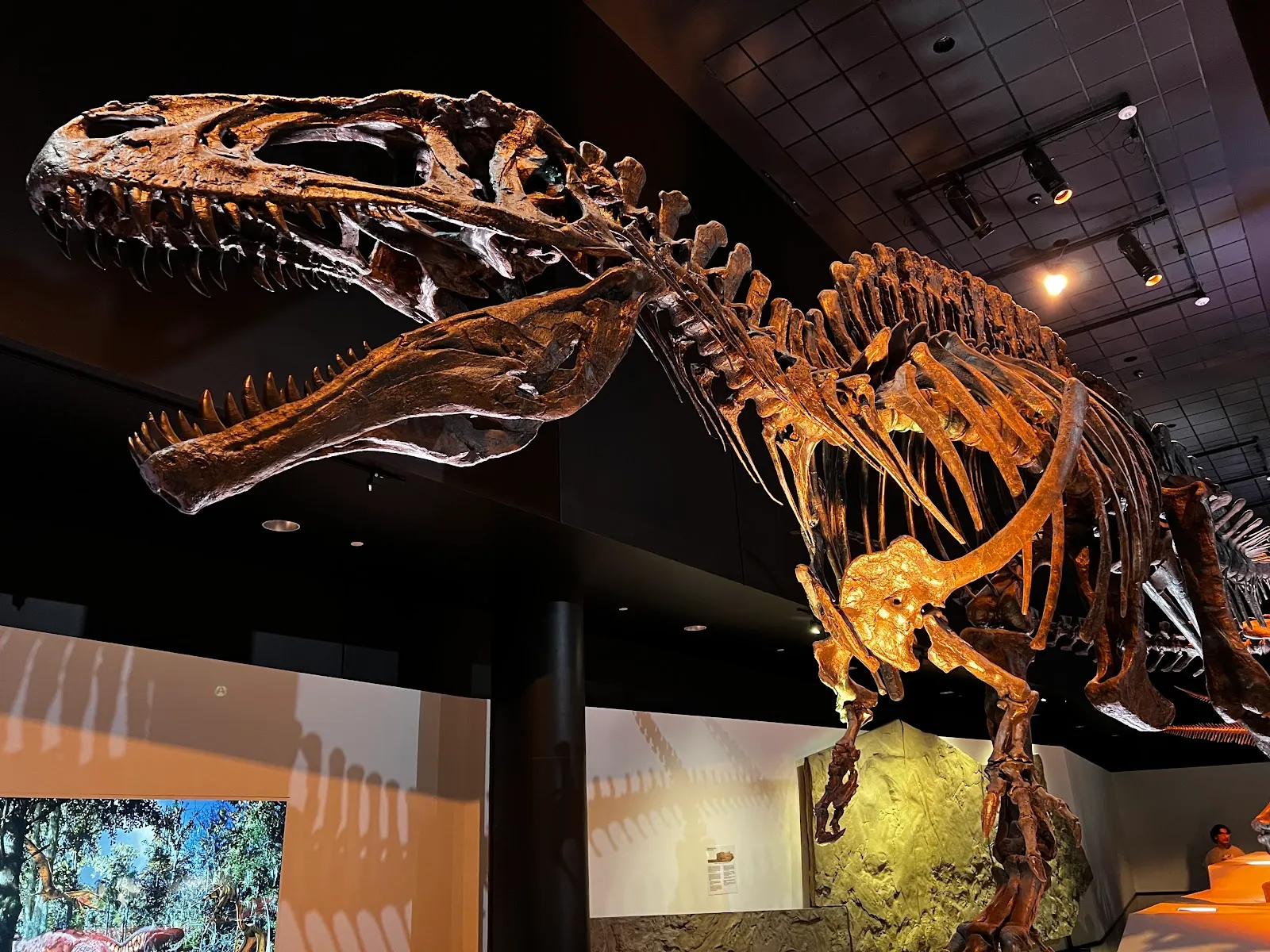
The Morian Hall of Paleontology is a key stop for dinosaur enthusiasts. Large skeletons appear in lively poses, alongside fossils that show the variety of life across geological time. The displays follow a chronological sequence, from early forms of life through later periods. A viewing area on the second floor gives you a look over the hall before you continue through the exhibit below.
Look beyond the largest skeletons: the collection also includes smaller specimens and fossil traces. If paleontology is high on your list, give this hall a generous share of your time. The museum’s other galleries are spread over several floors, so seeing everything in one visit can be difficult.
Butterflies, wildlife and the natural world
The Cockrell Butterfly Center brings live butterflies into a rainforest-style habitat. Take time to look for them among the plants rather than treating the space as a quick passage between galleries. The center is one of the museum’s distinct experiences, and it can take longer to explore than a standard exhibit.
Other displays turn attention to wildlife, including animals from Texas and Africa. Farish Hall of Texas Wildlife presents local species in carefully arranged scenes, while the African wildlife exhibits offer a different regional focus. The museum also has interactive displays that help make science accessible to younger visitors.
Egypt, gems and interactive exhibits
The Hall of Ancient Egypt presents artifacts and material connected with Egyptian burial practices, including mummies and burial objects. Some special exhibitions focus on particular subjects or collections, so their contents can differ from the permanent displays. Check the current exhibition details when planning your route.
The gem and mineral galleries offer a change of scale and subject after the fossil halls. Elsewhere, hands-on displays cover topics such as chemistry, energy and space science. The Cabinet of Curiosities is another interactive stop: open its drawers and look closely at the objects inside. These smaller details reward a slower visit, especially if you are exploring with children.
Preguntas frecuentes
How long should you spend at the Houston Museum of Natural Science?
Set aside around five to seven hours if you want to explore several galleries and the butterfly center. The museum has multiple floors and more to see than most visitors can cover in one visit.
What are the main highlights?
Highlights include the Morian Hall of Paleontology, the Hall of Ancient Egypt, the gem and mineral displays, the Cockrell Butterfly Center and the Burke Baker Planetarium.
Where is the museum?
It is at 5555 Hermann Park Dr in Houston, beside Hermann Park.
Should you buy tickets in advance?
Advance ticket purchase is recommended. Check the museum’s website for current admission and exhibition details.