
Gül Camii is a former Byzantine church in Ayakapı, in Istanbul’s Fatih district, now used as a mosque. Its history reaches back to a building believed to date from the 10th or 11th century, and its architecture differs from many other Byzantine buildings in the city. The interior is clean, and the mosque’s caretaker may let visitors look around or pray. If the door is closed, ask at the ablution room across the entrance about getting in.
A church with a changing history
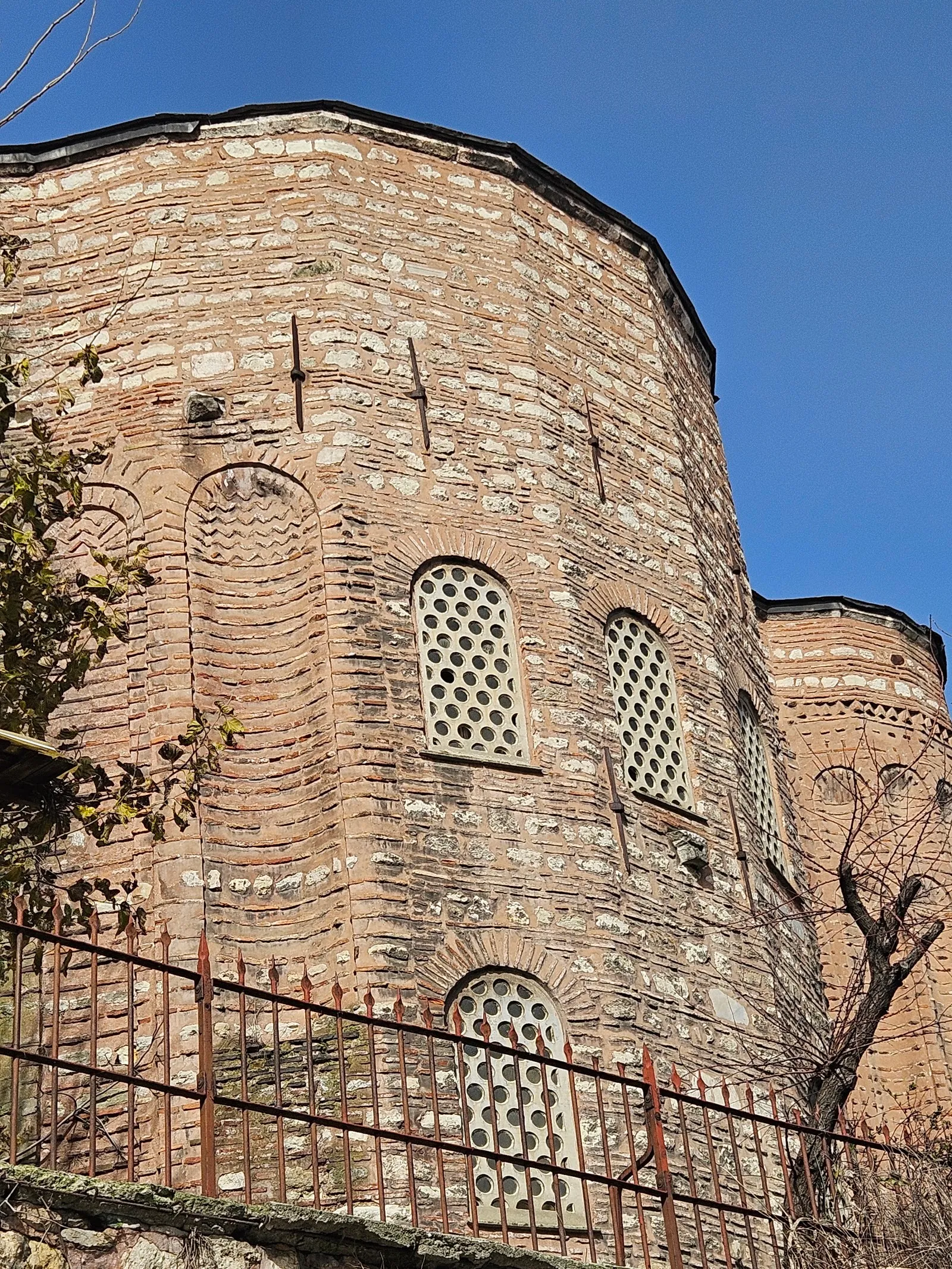
Gül Camii is also known as the former church of Hagia Theodosia. The building is associated with an earlier structure believed to date from the 10th or 11th century. One tradition places the church in the 9th century and connects it with the relics of St. Theodosia, an 8th-century nun who was martyred while defending a sacred image of Christ at Constantinople’s bronze gate.
The building’s use changed over time. It was later used as a dockland warehouse before being renovated and converted into a mosque. Its earlier form can be compared with old drawings, which show how much the structure has changed.
Visiting the mosque
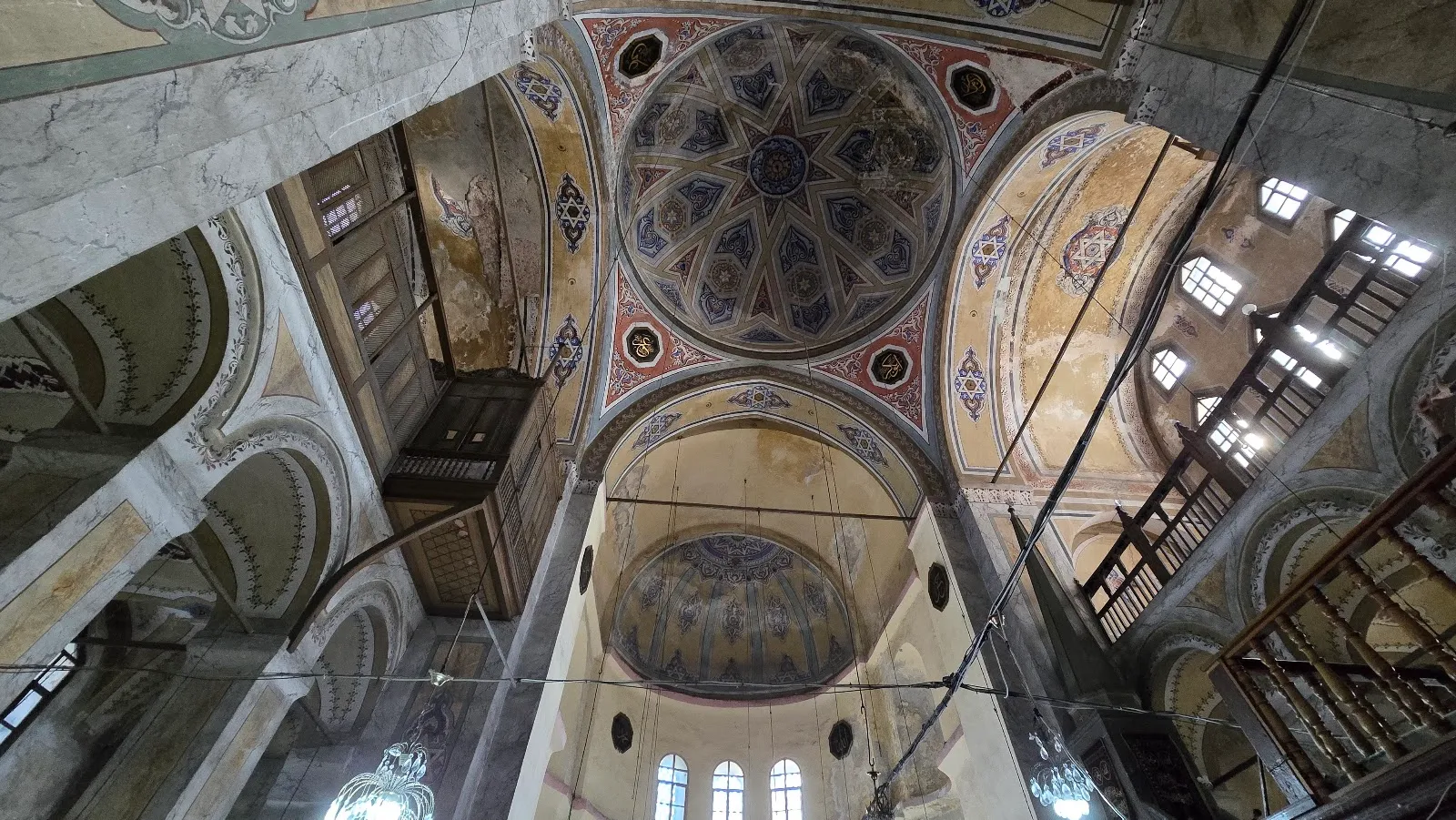
Gül Camii is a working mosque in Ayakapı. Visitors can ask the caretaker about entering to look around or pray. If the entrance is closed, the ablution room across from it is the suggested place to ask for access.
Approach the building as a place of worship: dress appropriately and keep your visit respectful. Reading about Theodosia and the site beforehand can help put the building’s different periods into context.
Preguntas frecuentes
What was Gül Camii before it became a mosque?
It was a Byzantine church known as Hagia Theodosia. The building was later used as a dockland warehouse before being converted into a mosque.
How can visitors get inside Gül Camii?
Ask the caretaker about entering. If the door is closed, ask at the ablution room across the entrance.
Where is Gül Camii?
It is in Ayakapı, in Istanbul’s Fatih district.


