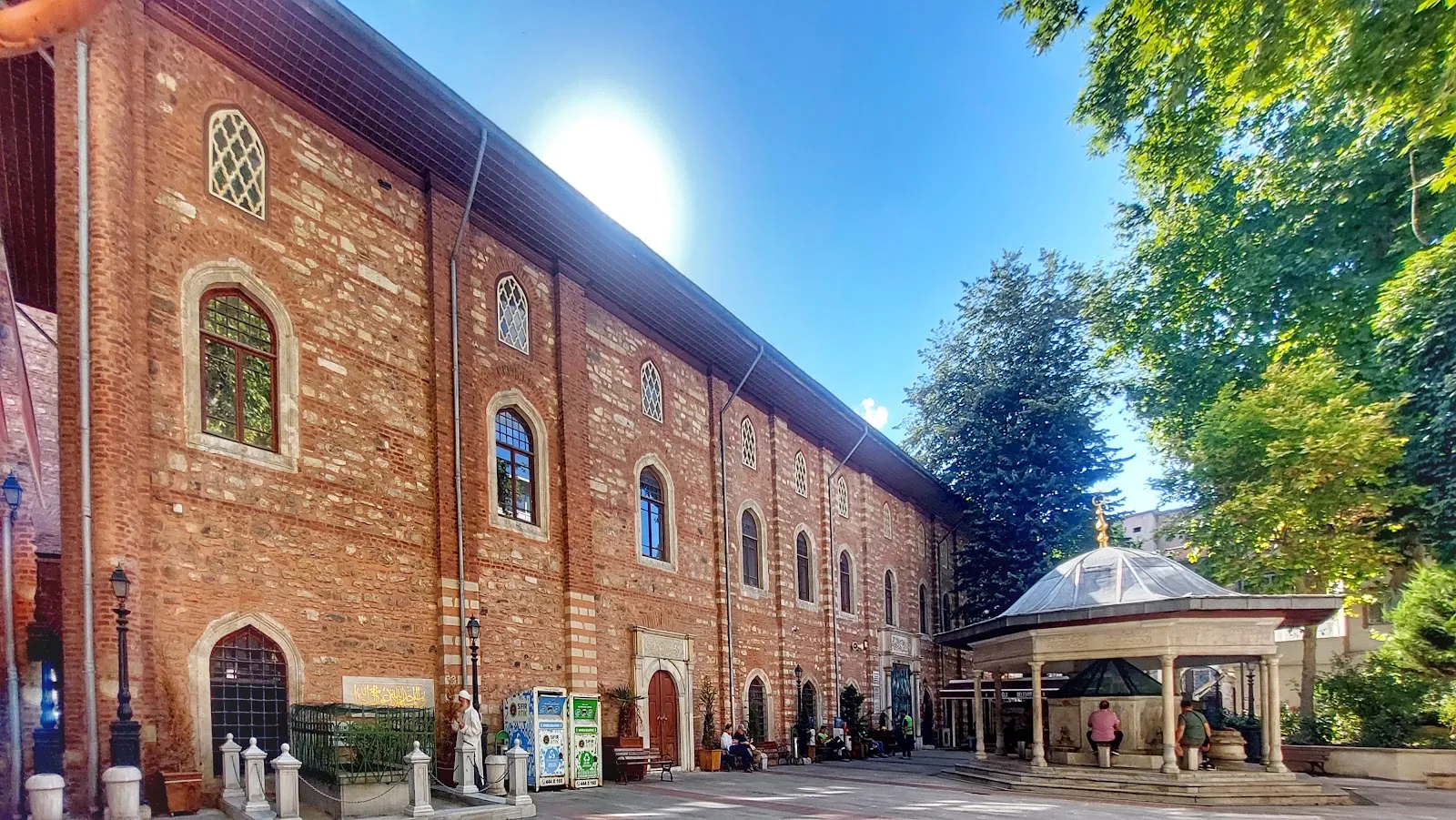
Arap Camii, or the Arab Mosque, is a historic mosque in Istanbul’s Galata area, near Galata Tower. Its wooden interior and Andalusian-style minaret set it apart from the city’s Ottoman mosques. The building has served as both a Roman Catholic church and a mosque, though accounts of its earliest history differ. Look inside for the wooden decoration, and allow time for quiet reflection. Finding the entrance can take some attention: it is inside the KTSM building, whose street-facing entrance has no sign for the mosque.
A building with a layered history
The building’s beginnings are disputed. One account connects it to the Arab siege of Constantinople in 718, while another identifies it as a Dominican church erected in 1325. The mosque’s history also includes the arrival of Andalusian Muslims who fled Spain and settled nearby. The precise sequence of events is not settled by the accounts available, so its early history is best approached as a set of competing stories.
The building was later used as a mosque. Its history as both a Catholic church and a mosque gives the site a distinct place among Istanbul’s historic buildings.
Architectural details
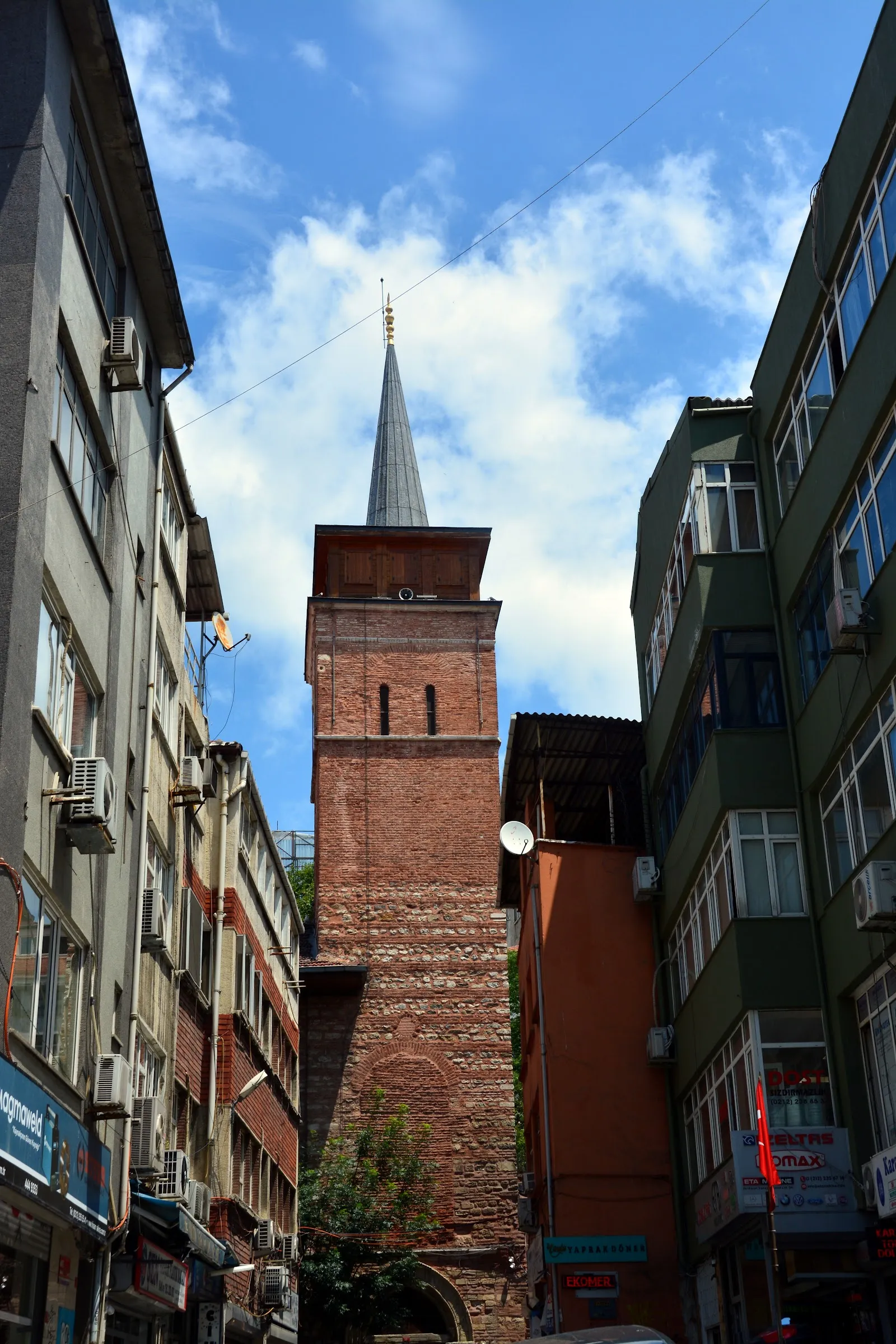
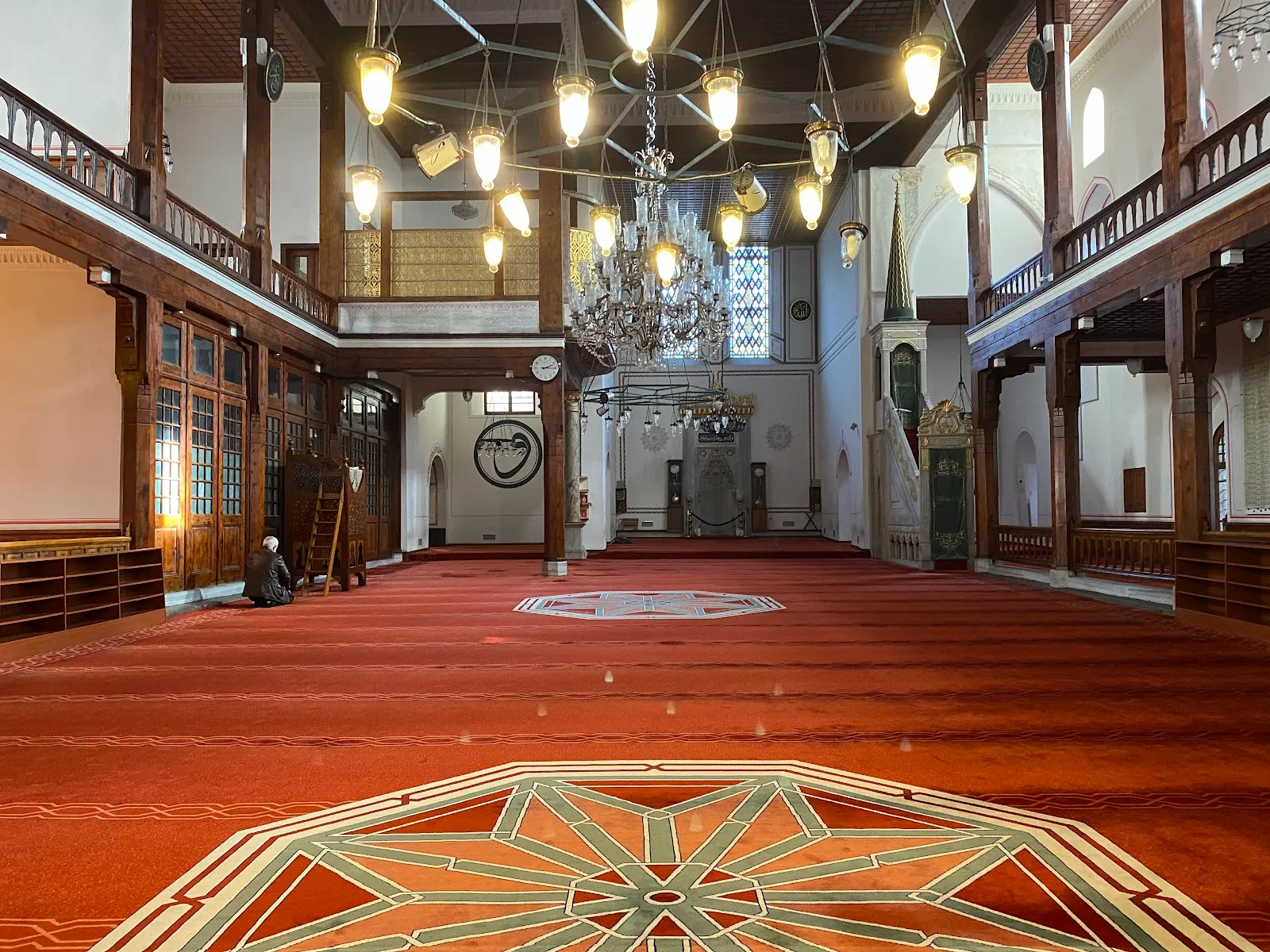
Arap Camii differs from the Ottoman mosque style found elsewhere in Istanbul. Its wooden interior decoration and Andalusian-influenced minaret are the details to look for during a visit. The building’s appearance is linked to Muslim refugees from Andalusia who lived in the area and rebuilt it in their architectural style.
Preguntas frecuentes
Where is Arap Camii?
It is in the Galata area of Istanbul, near Galata Tower.
How do you find the entrance?
Look for the KTSM building entrance facing the street. Go inside, take the elevator to the highest floor, then walk up one flight of stairs.
What should you look for inside?
Notice the wooden interior decoration and the minaret, which has Andalusian architectural influence.
Is the building’s origin certain?
No. Accounts differ, including stories linking it to the Arab siege of Constantinople and an account identifying it as a Dominican church erected in 1325.


