Puji Temple sits on a wooded hill in Beitou, Taipei, in a quiet setting above the hot-spring district. Built in Japanese style, this small Buddhist temple is known for its dark timber and gold details, garden plants and connection to Beitou’s hot-spring history. Construction began in 1905, and railway workers and local residents helped fund its completion in 1915. Take time to look around the grounds; monks may also be available to explain the temple’s history and Buddhist beliefs.
A temple tied to Beitou’s hot springs
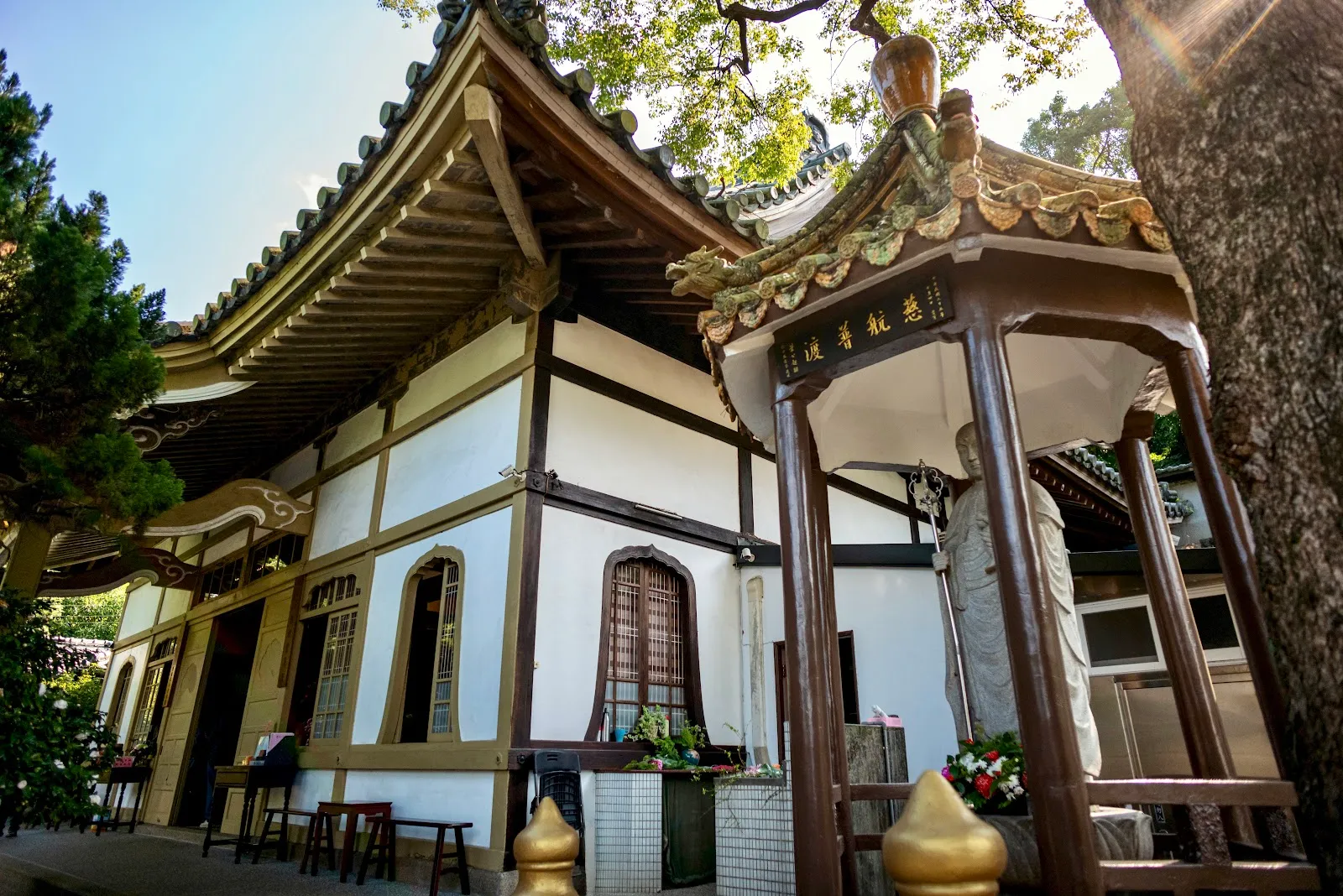
Puji Temple is a Buddhist temple in Beitou, a Taipei district known for its hot springs. It is dedicated to Kannon, a bodhisattva associated with the area’s hot-spring industry. The temple has also been regarded locally as a protector of the springs.
Work on the temple began in 1905. Japanese railway workers and local residents raised funds to complete it in 1915, giving the site a lasting connection to the rail line and Beitou’s development. The temple is also known as Tiezhen Yuan, a name linked to the railway. In 1988, it was designated a municipal heritage site.
Puji is a Japanese-style Shingon Buddhist temple, a relatively uncommon sight in Taiwan. Its history and religious role are part of the visit: this is a place of worship as well as a heritage building. Enter and explore with care, keeping noise low around anyone praying.
The building and hillside grounds
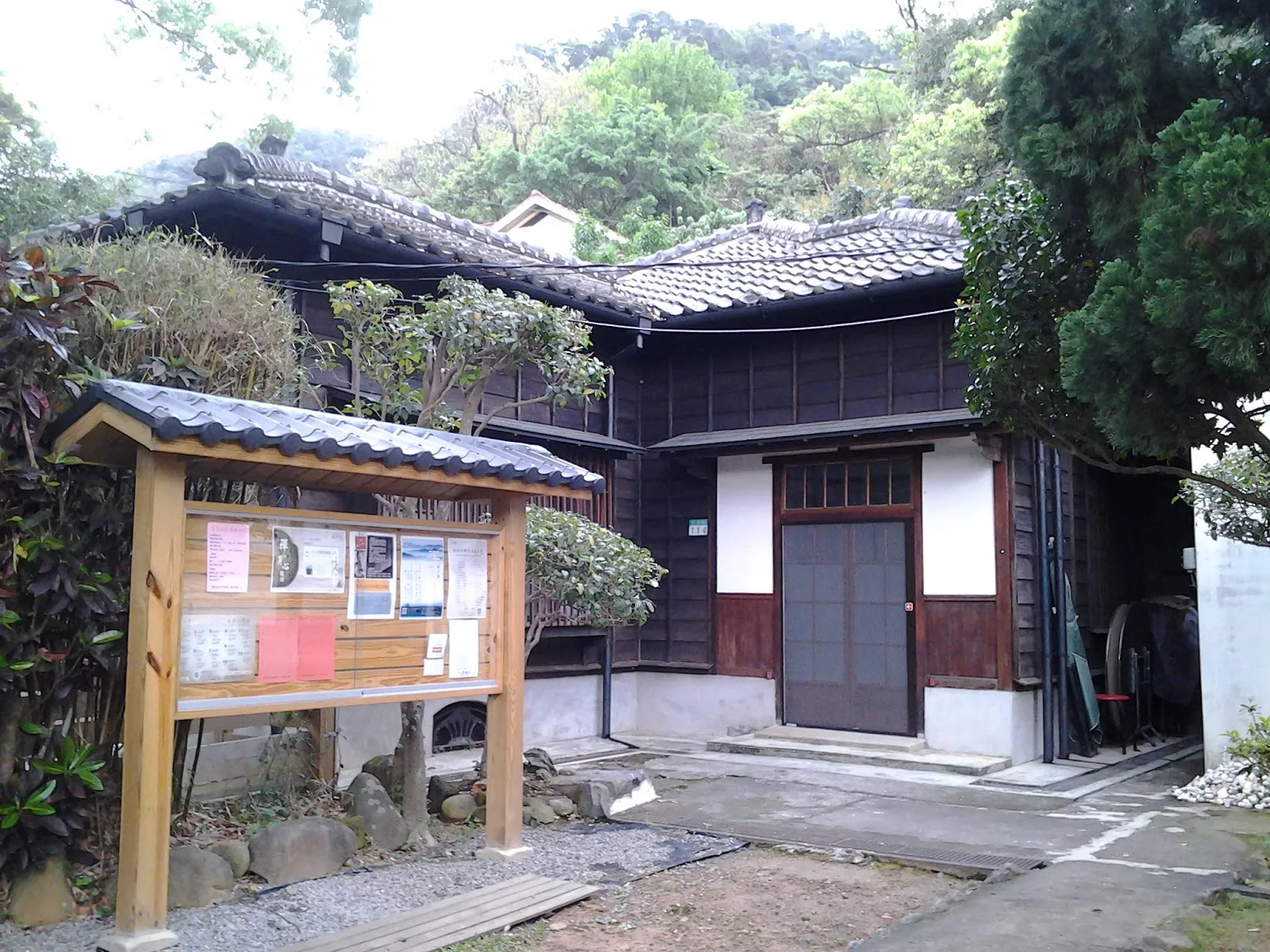
The temple stands on a wooded slope above Beitou. Its timber construction and restrained palette of black and gold give the small building a solemn appearance. Look at the architectural details, then take a little time in the surrounding garden, where the greenery adds to the sense of calm.
The uphill approach includes stairs, which can make the site difficult to reach for people who cannot climb them. English signage may also be limited, so allow a little extra time to locate the temple. Monks may be present to explain the building’s history and Buddhist views, though a conversation is not guaranteed.
Puji Temple fits naturally into a wider visit to Beitou. Nearby cultural stops include the Beitou Hot Spring Museum, Plum Garden, Beitou Library and Ketagalan Culture Center; Thermal Valley is another area attraction. The temple’s quieter setting offers a change of pace between visits to the district’s hot-spring sights.
Preguntas frecuentes
Where is Puji Temple?
It is at No. 112, Wenquan Road, in Beitou District, Taipei, on a wooded hillside above the hot-spring area.
What is Puji Temple known for?
It is a Japanese-style Shingon Buddhist temple connected to Beitou’s hot-spring history. Construction began in 1905, and railway workers and local residents helped fund its completion in 1915.
Can visitors learn about the temple from a monk?
A monk may be available to explain the temple’s history and Buddhist beliefs, but this is not guaranteed.
Is Puji Temple accessible without climbing stairs?
The approach includes stairs, so reaching the temple may be difficult for visitors who cannot climb them.