
Gyeongju National Museum sits in the former capital of the Silla kingdom, and its galleries hold relics from that period, from weapons and pottery to gold crowns and Buddhist statues. Admission to the permanent galleries is free, so it is an easy place to start learning about Silla before visiting the sites around town. The grounds have gardens and pavilions, and the walk to the museum passes the tomb gardens.
What the collection covers
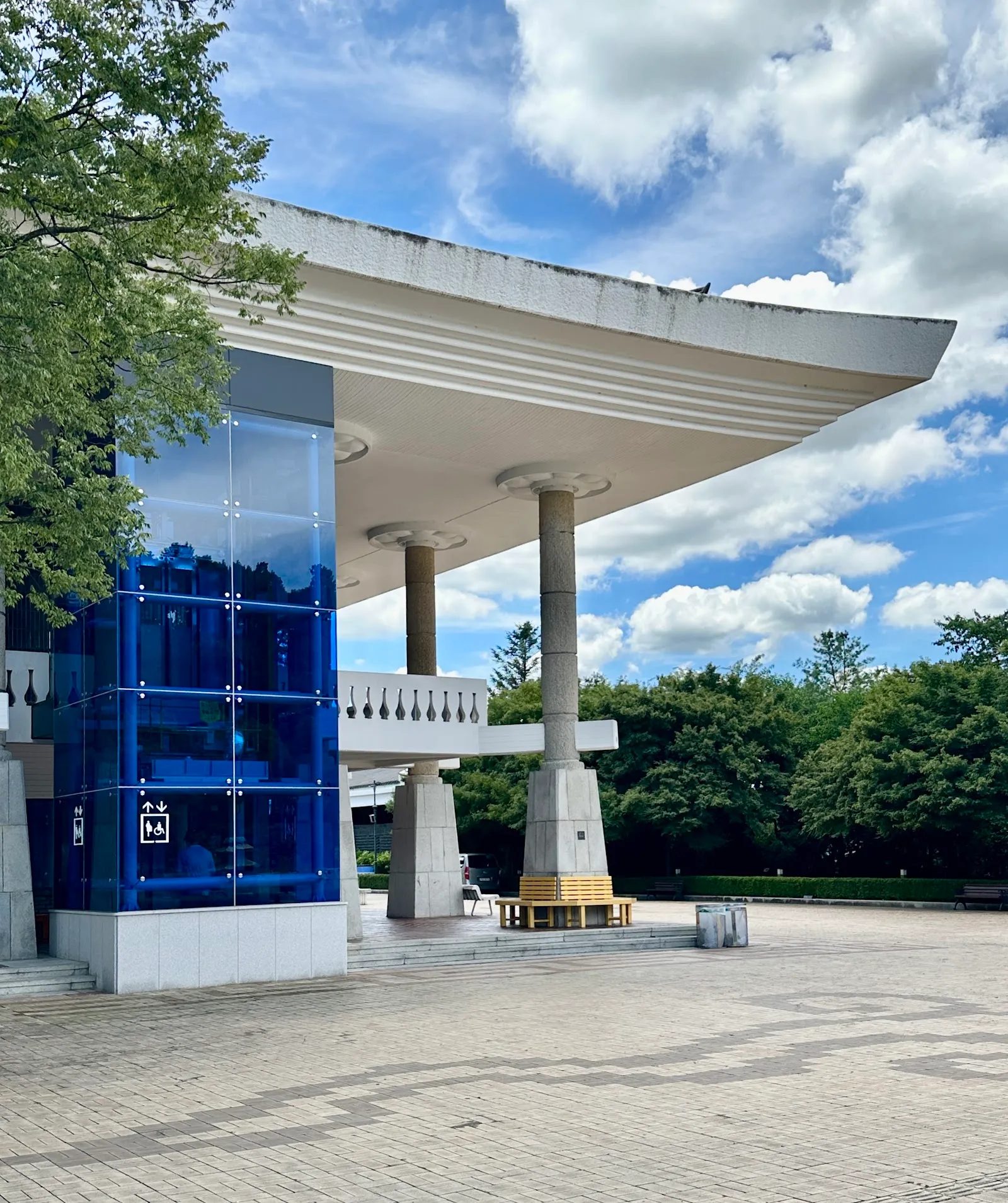
The museum focuses on the Silla kingdom and Unified Silla, the period when Gyeongju was the capital. Its displays include weapons, armour, clothing, pottery, statues and royal crowns.
One visitor found that the museum explains what set Silla apart and how it dealt with the other kingdoms on the Korean Peninsula, which gives useful context before you visit the ancient sites in town.
The finds from Cheonmachong, one of the best-known tombs, are shown here. Relics from the Wolji Pond excavation are also on display, and they show the lifestyle of the Silla elite.
Inside the museum
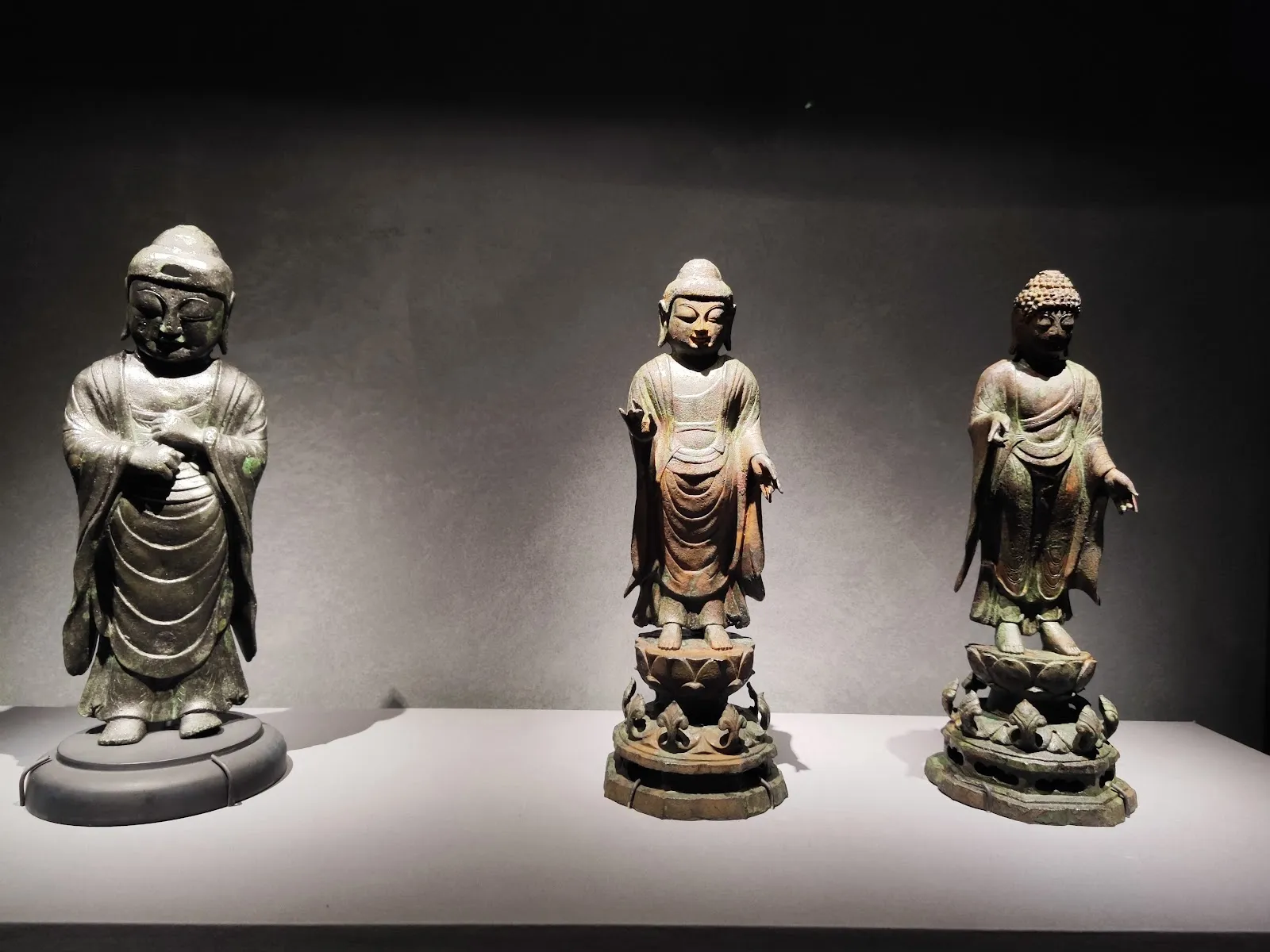
The museum is split across several halls and an outdoor area. The archaeological hall holds the largest displays of jewellery, weapons and ceremonial items, including the gold crown from Geumgwanchong.
The art hall, in a separate building, has a selection of Buddhist statues. Wolji Hall is devoted to objects recovered from the pond.
Outdoors, large stone relics, a three-storey stone pagoda and the bell pavilion are set among trees. The bell is dedicated to King Seongdeok, who ruled from 702 to 737 CE, and the bell cast in his memory was completed in 771.
The museum also runs programmes for children and has a children's museum. The gift shop sells traditional Korean crafts.
Getting around and access
The entrance and restrooms are wheelchair accessible, and there is accessible parking. The museum is a short walk from Cheomseongdae Observatory, and the route from the east side of Wolseong Park is well signed.
Free lockers are available, which helps if you are carrying a bag or a coat through the galleries.
Planning a visit
Expect many more people on weekends and public holidays. On a wet holiday weekend, visitors crowded inside and the toilet queues were long, so an early start on a weekday gives you more room in each gallery.
The museum shows only part of its collection at any one time, and pieces are rotated, so a return visit can show a different selection.
Preguntas frecuentes
Is there an entry fee?
Admission to the permanent galleries is free. Special paid exhibitions sell tickets, so check before you go if one interests you.
How long do you need at Gyeongju National Museum?
Plan one to three hours. The shorter end suits a quick look at the main highlights, and a longer visit lets you see every hall and the outdoor area.
Do I need to book tickets in advance?
Booking in advance is recommended, especially for special paid exhibitions, which can sell out.
Is the museum good for children?
Yes. The museum runs children's programmes and has a children's museum, and the outdoor relics and bell give younger visitors space to move around.
Is the museum accessible for wheelchair users?
The entrance, the restrooms and the parking are wheelchair accessible.


