Peter and Paul Fortress occupies Zayachy Island in the Neva, where Peter the Great began building St Petersburg in 1703. Walk the historic grounds for views across the river, then visit the Peter and Paul Cathedral, whose golden spire marks the skyline and whose interior holds the tombs of Russian rulers from Peter I to Nicholas II. The fortress also contains museums and the former Trubetskoy Bastion prison. Entry to the grounds is free, but individual museums and attractions charge separately.
The fortress and the city’s beginnings
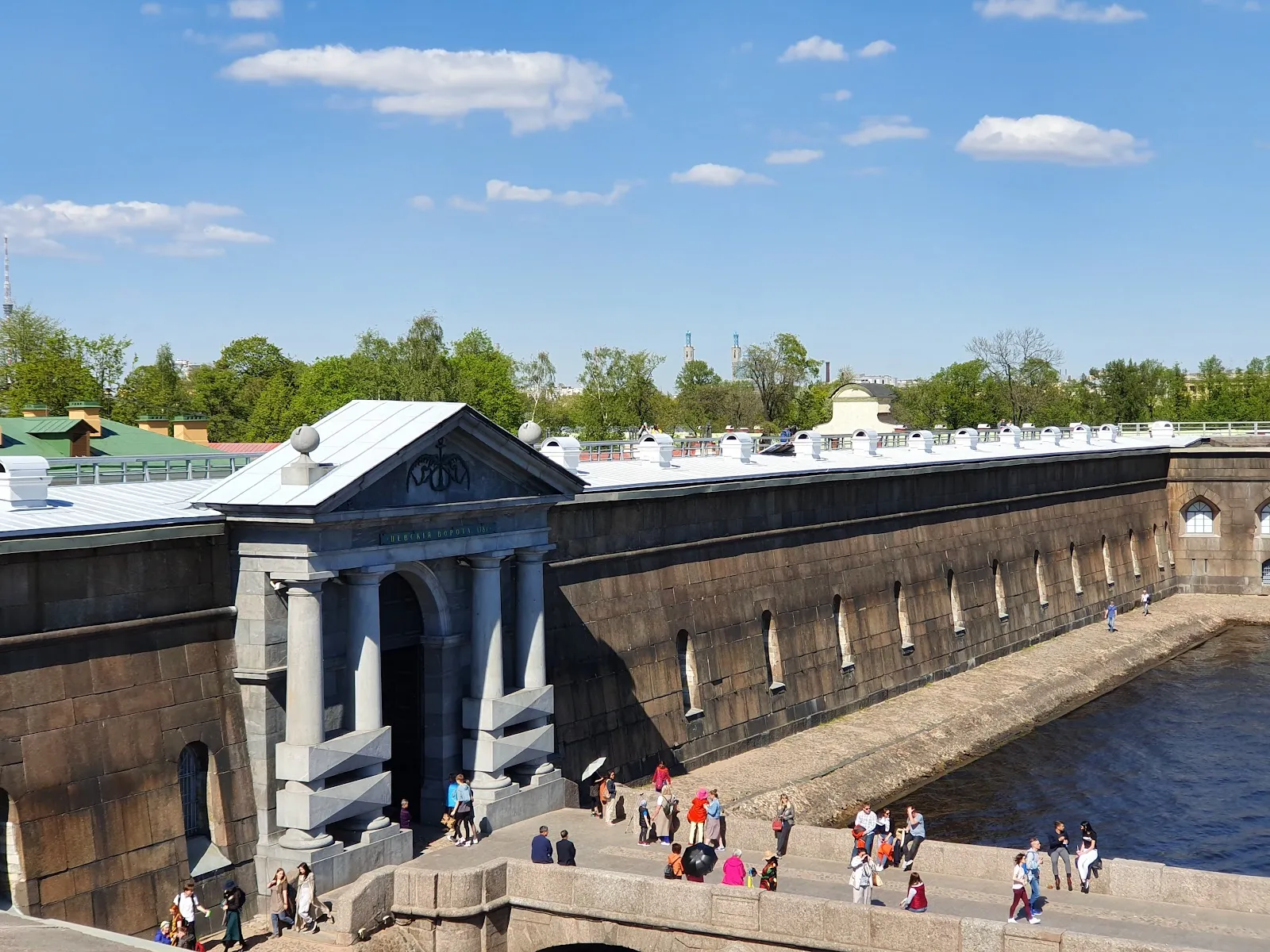
Peter the Great ordered the fortress built on Zayachy, or Hare, Island in 1703. That year is also marked as the founding of St Petersburg. The citadel began as a defensive position on the Neva, designed to guard the river approach against Swedish forces. Its role changed before it ever fought a battle: the fortress was not used for its intended military purpose.
Domenico Trezzini oversaw the later development of the stronghold, which grew from an early outpost into a complex of bastions, gates and other buildings. The fortress’s outline and position on the island make its original defensive purpose easy to read as you walk around the grounds.
The cathedral and imperial tombs
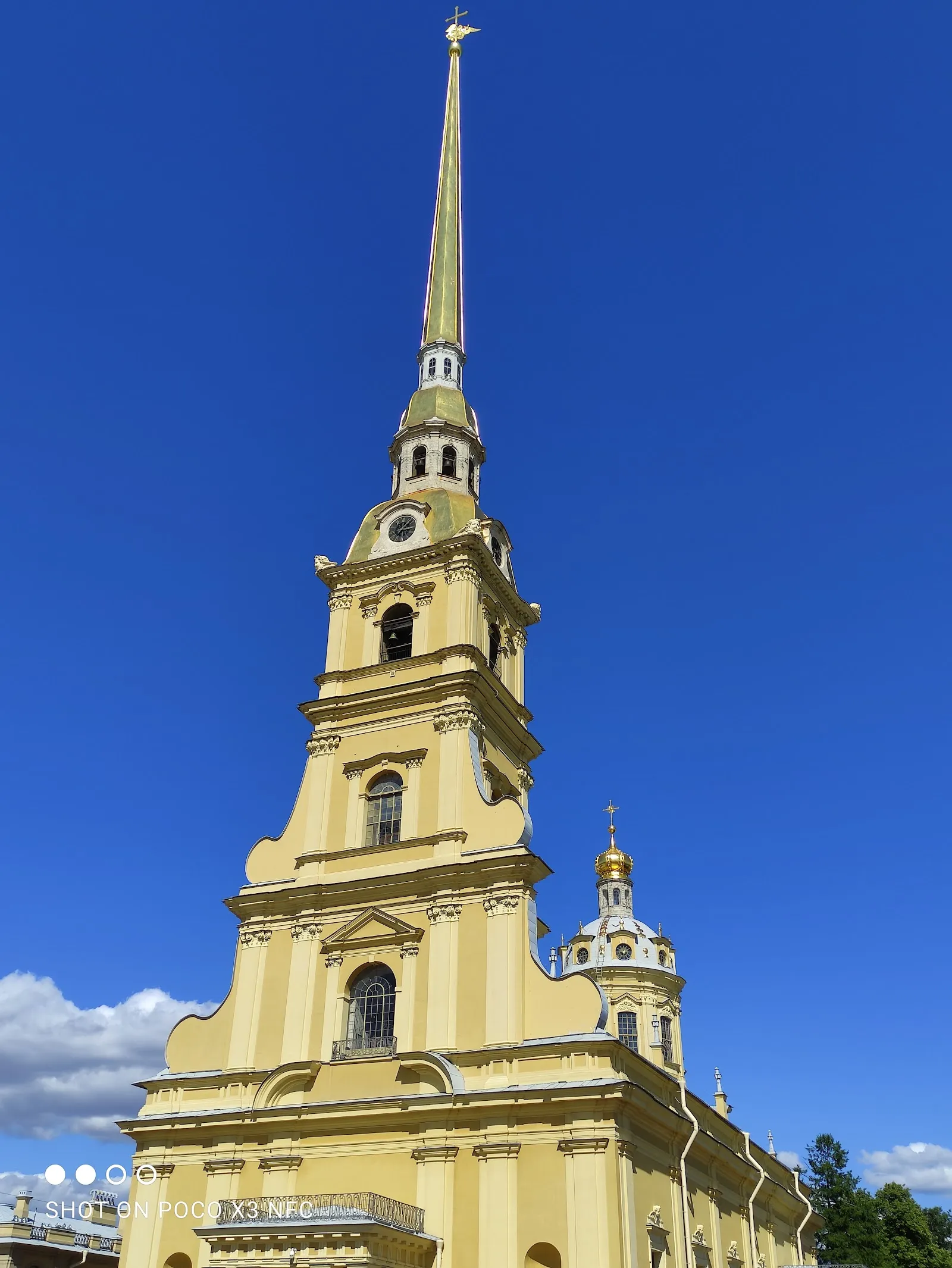
The Peter and Paul Cathedral is the central landmark within the fortress. Its tall golden spire rises above the island and is visible across much of the city. The cathedral is the burial place of nearly all the Russian emperors and empresses from Peter I to Nicholas II and his family.
Inside, the royal tombs and elaborate gilded decoration give the cathedral a different character from the fortress walls outside. Take time to identify the burial places rather than treating the interior as a quick photo stop. Visitors are asked to keep the atmosphere quiet, and flash photography should be avoided.
A fortress turned prison
The citadel later became a place of political imprisonment. The Trubetskoy Bastion held political prisoners under the tsars and now houses a prison museum. The fortress also had a role during the revolutions of 1917: tsarist officials were held there under the Provisional Government, and ministers captured at the Winter Palace were later imprisoned in the complex.
The prison is one of several distinct sites within the fortress, alongside museums and the Mint. These attractions have separate admission costs, so it helps to decide which parts interest you before buying tickets. A guide can help connect the buildings to the fortress’s changing uses.
Walking the grounds and riverfront
The grounds are suitable for a slower visit as well as a museum-focused one. Look for the Naryshkin Bastion, Petrovsky Gate and Neva Gate as you follow the walls and walk towards the waterfront. The open river views give you a clear look back towards St Petersburg, and there are park areas and benches for a rest.
At noon, a cannon is fired from Naryshkin Bastion, a tradition associated with the fortress since the city’s early history. The grounds are free to enter, so you can take a walk around the island before deciding whether to visit any ticketed interiors.
Preguntas frecuentes
Is entry to Peter and Paul Fortress free?
You can walk around the main grounds without an entrance fee. The cathedral, museums and other attractions inside the complex may require separate paid tickets.
What can you see inside Peter and Paul Cathedral?
The cathedral contains the tombs of Russian rulers from Peter I to Nicholas II and his family. Its gilded interior and tall golden spire are among the main sights within the fortress.
How long do you need at Peter and Paul Fortress?
Allow about 1 to 1.5 hours for a walk around the grounds. Visiting museums or other ticketed attractions takes additional time.
When is the cannon fired at Peter and Paul Fortress?
A cannon is fired from Naryshkin Bastion at noon.