On University Embankment in St Petersburg, the Kunstkamera is a museum of anthropology and ethnography founded by Peter the Great. Its galleries bring together objects and clothing from cultures around the world, including artifacts from Russian expeditions among northern peoples. The collection also includes anatomical specimens, such as preserved embryos, that can be unsettling. English text accompanies most displays, though some sections may be harder to follow. Set in a historic building near the Neva, it rewards visitors interested in science, cultural history and unusual collections.
Peter the Great’s first museum
The Kunstkamera began with Peter the Great’s collection of rare objects, which included natural specimens, scientific instruments and books. He ordered his collections and library moved from Moscow to St Petersburg, and the museum developed from this cabinet of curiosities. The museum opened to the public for educational purposes, with the aim of encouraging people to examine unusual examples of nature rather than fear them or explain them through superstition.
The museum’s history is tied to the early development of scientific institutions in Russia. Its collections grew as Russian travelers, navigators and scientists brought back ethnographic material. Today it is known as the Peter the Great Museum of Anthropology and Ethnography and is associated with the Russian Academy of Sciences.
Ethnography and anatomical collections
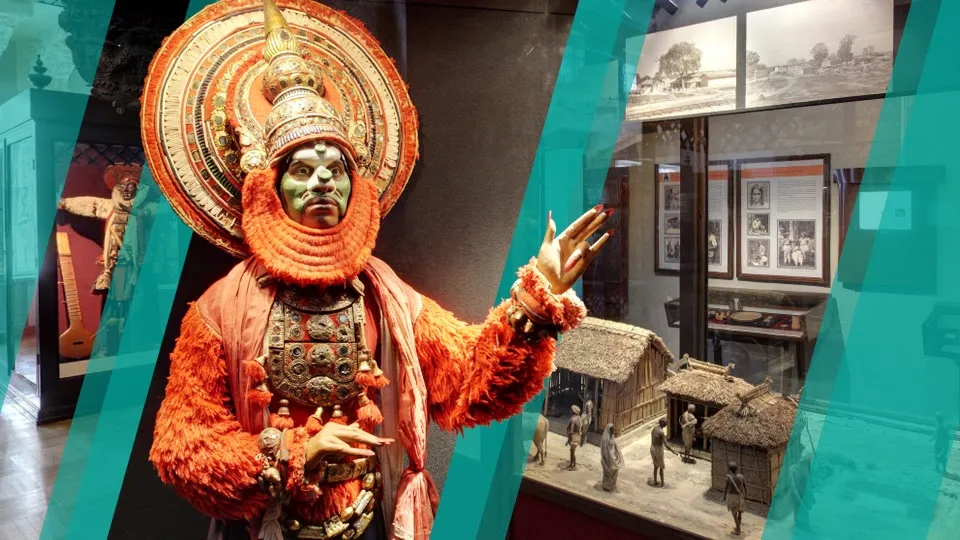
The galleries bring together objects connected with cultural, religious, social and everyday life in different parts of the world. Clothing is displayed on figures as well as in cases, and the collections include a notable focus on Asian communities. Artifacts gathered during Russian expeditions among northern peoples are another point of interest.
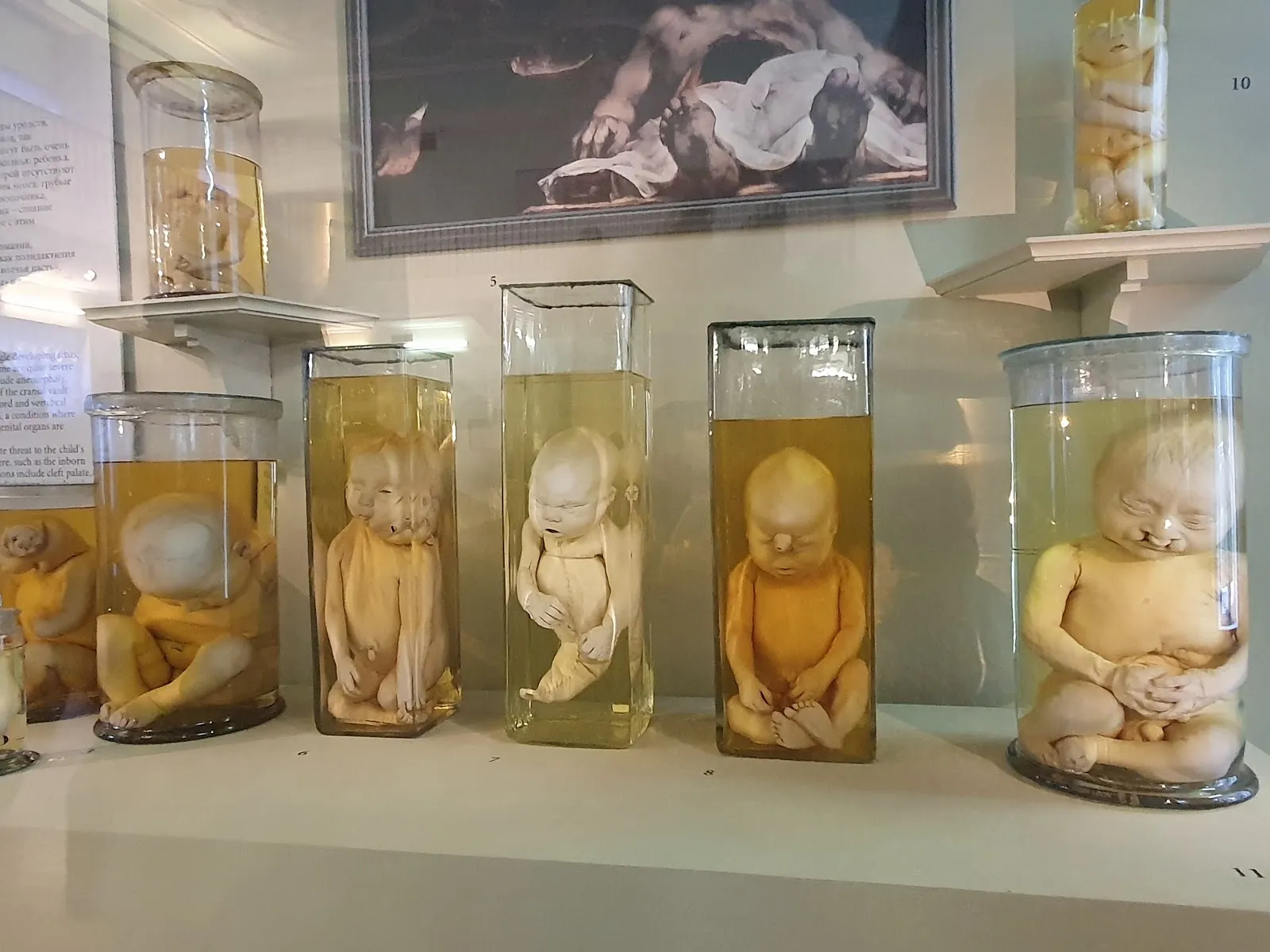
Anatomical specimens form a separate, more confronting part of the museum. Preserved human embryos and examples of developmental abnormalities sit alongside specimens of animals. These displays are part of the collection’s history as a study of natural variation and anatomy. They are not suited to every visitor, so it can help to decide in advance whether to include this section.
Planning your visit
The museum is at University Embankment, 3, near the Neva. Most displays have English translations, but some sections do not, so visitors relying on English may encounter gaps. The range of material is extensive; taking time with selected galleries can make the visit easier than trying to absorb every display at once.
Tickets can be bought online, a useful option if you want to avoid waiting at the entrance. The museum has a restaurant and accessible facilities, including a wheelchair-accessible elevator and restroom. Families can visit, but the anatomical exhibits may be unsuitable for young or sensitive children.
Preguntas frecuentes
How long do you need at the Kunstkamera?
About an hour is a reasonable visit. The collections are extensive, so allow more time if you want to explore the galleries slowly.
Are there English translations at the Kunstkamera?
Most displays have English text, but some sections do not.
Are the exhibits suitable for children?
The museum is family-friendly, but its anatomical collection includes preserved embryos and other unsettling specimens. Some displays may not suit young or sensitive children.
Can you buy Kunstkamera tickets online?
Yes. Buying tickets online is recommended to avoid a potentially long queue.