
The Panama Canal Museum sits on Plaza de la Independencia in Casco Viejo, Panama City. Its exhibits trace the canal’s history, from early French construction efforts and the U.S. project to the transfer of control to Panama. Photographs, documents, artifacts and interactive displays put the engineering in its political and social context. Set aside two to three hours to explore the galleries; the museum is a useful complement to seeing the canal itself, especially if you want to understand how it was built and what it changed.
The canal’s history in Casco Viejo
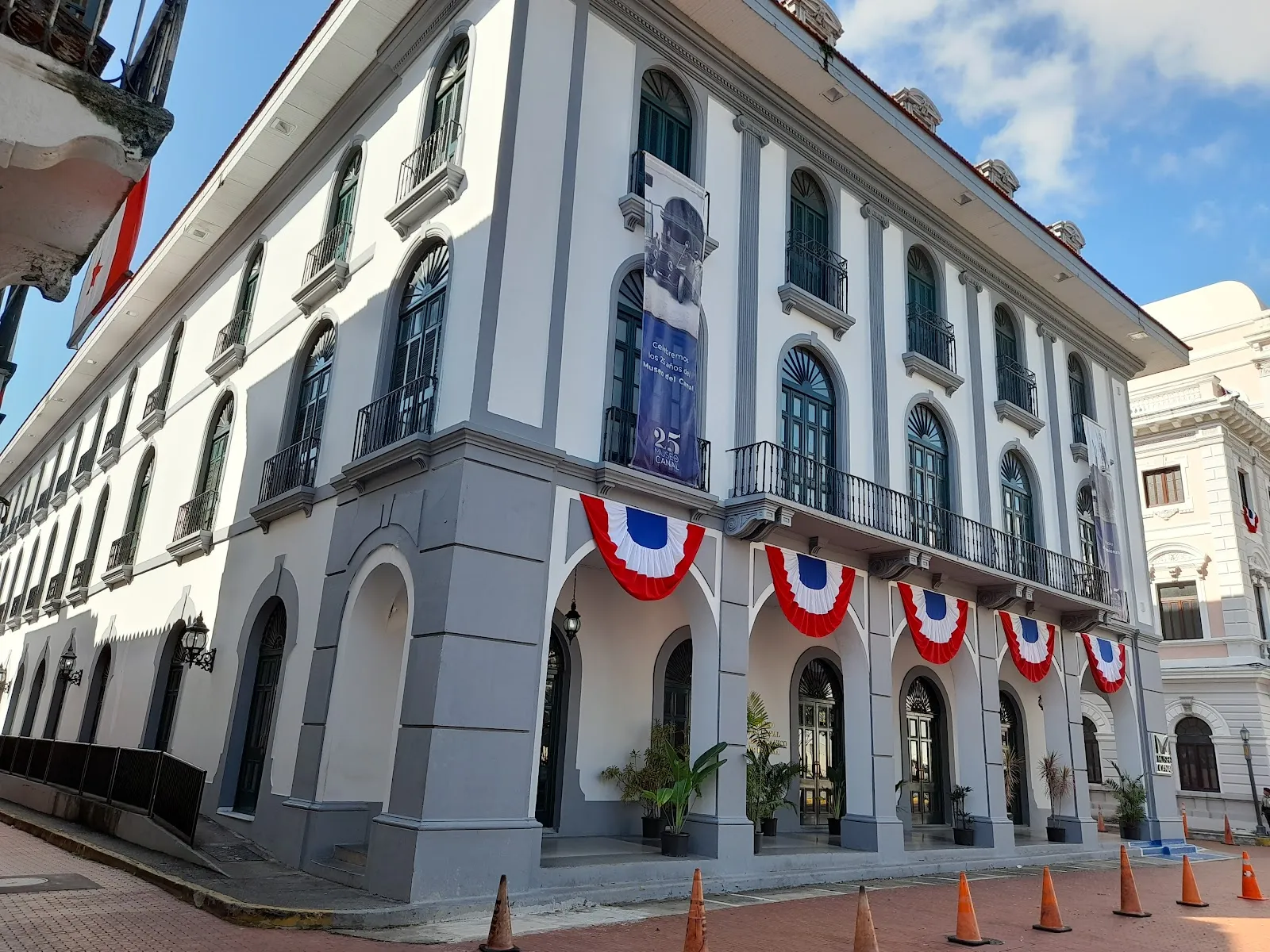
The Panama Canal Museum, also called the Interoceanic Canal Museum, is on Plaza de la Independencia in Casco Viejo. It opened to the public in 1997 and occupies a historic building dating to 1874. The building was used by the French Canal Company and later by the U.S. Isthmian Canal Commission.
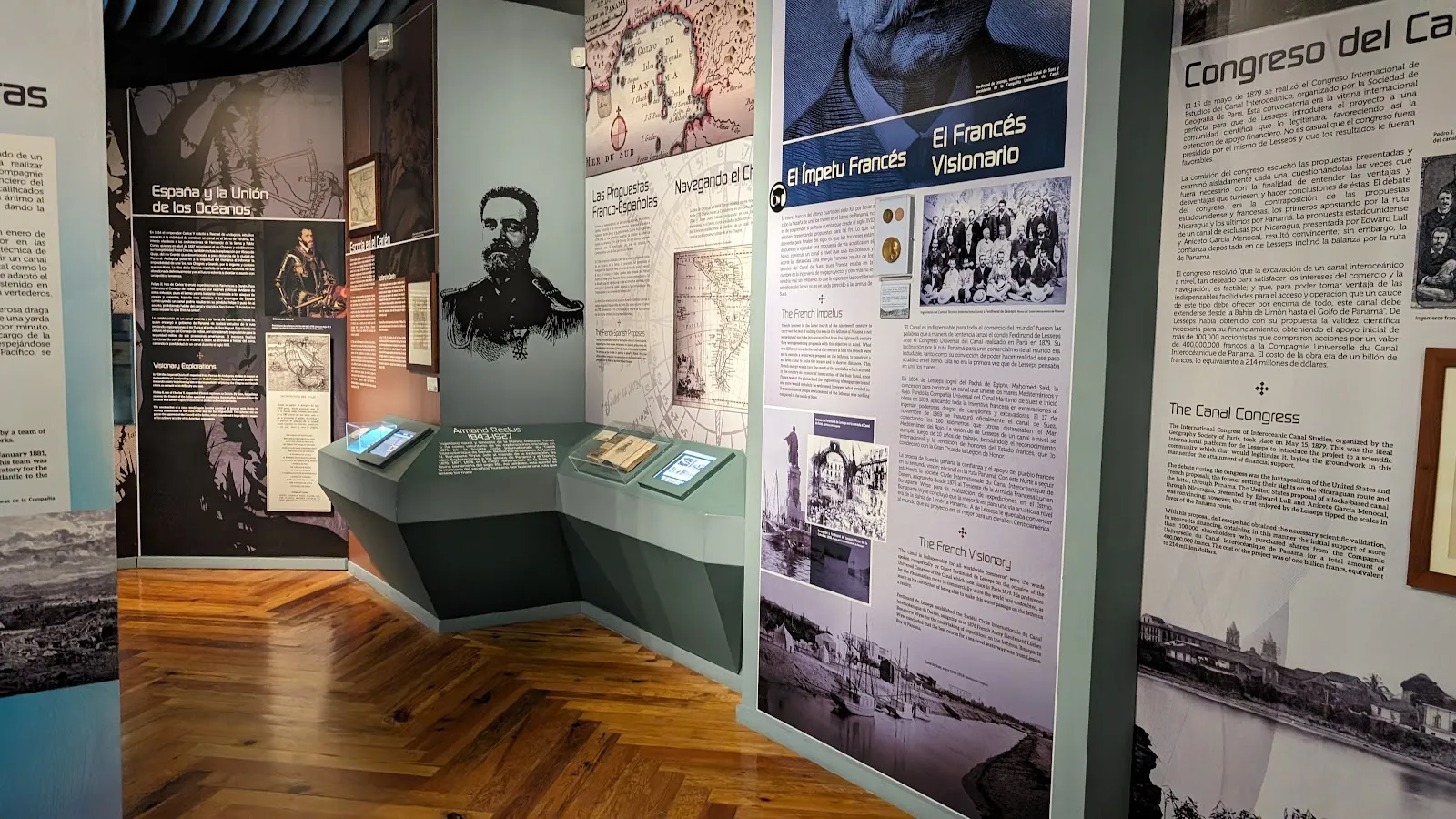
Inside, the exhibits place the canal within Panama’s wider history. They cover early efforts to find a route across the isthmus, the French construction project, the U.S. project and the transfer of control to Panama. The displays also address the canal’s political and social effects.
What to see in the galleries
Photographs, video, documents and historical objects explain the planning and construction of the canal. Interactive displays add another way to follow the engineering and the events surrounding the waterway. Some exhibits focus on the Canal Zone, including its history of racial and class segregation. A flag torn during the January 1964 riots is among the objects connected to the struggle for Panamanian sovereignty.
The museum’s account reaches into the present, including the canal’s modern operation and climate-related challenges. Its material also covers Panama’s history beyond construction, linking the waterway to changes in the country and its people.
Planning your visit
The museum is in Casco Viejo, so it can be visited while exploring the district’s historic center. It provides a closer look at the canal’s history than a view of ships passing through the locks alone. If you plan to read the displays and spend time with the interactive exhibits, allow two to three hours.
Admission prices differ for foreign visitors and residents. Advance ticket purchase is recommended. The museum has an accessible entrance, elevator and restroom. Its exhibits are historical and educational, which may make the visit a better fit for adults and older children than for very young ones.
Preguntas frecuentes
Where is the Panama Canal Museum?
It is on Plaza de la Independencia in Casco Viejo, Panama City.
How long should I spend at the Panama Canal Museum?
Allow two to three hours to explore the galleries and interactive displays.
What can you see at the Panama Canal Museum?
Exhibits include photographs, documents, video, artifacts and interactive displays about the canal’s construction, history and impact on Panama.
Do ticket prices differ for residents and foreign visitors?
Yes. The museum has different admission prices for residents and foreign visitors.


