Lahore Fort, also called Shahi Qila, sits in the northwest corner of the Walled City and faces Badshahi Mosque. Its walls enclose palaces, halls, gardens and courtyards, with the present fort dating to the reign of Emperor Akbar and later additions made by Mughal rulers. The highlights include the Sheesh Mahal, the Alamgiri Gate and the Diwan-e-Khas. The fort is a UNESCO World Heritage Site, and it rewards a slow walk through several sections.
Origins and rebuilding
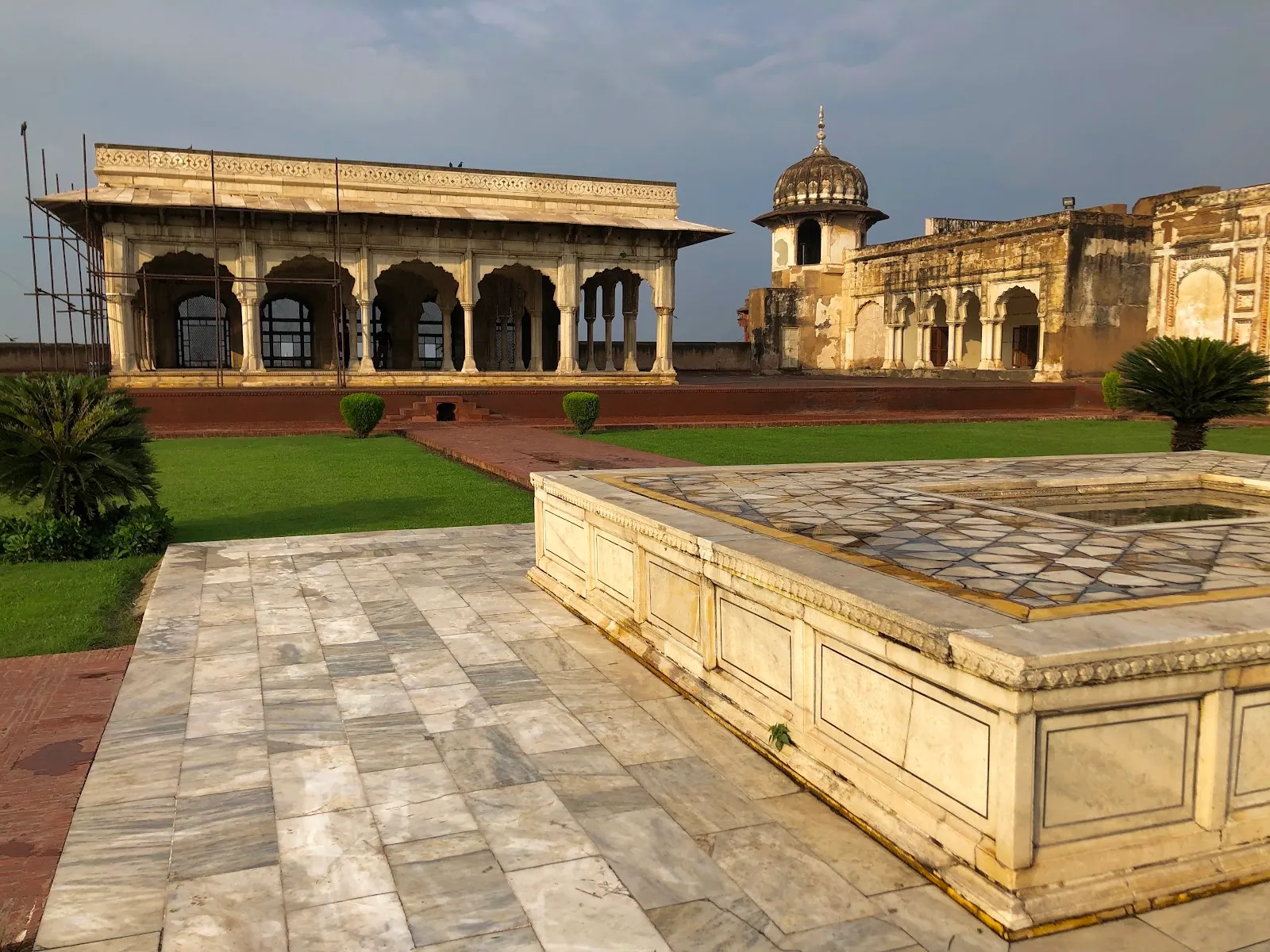
The site has a long record. The first fortified structure recorded here was a mud-brick fort from the 11th century, and the origins of that early work are uncertain. Over the following centuries the fort was damaged, destroyed and rebuilt several times as invaders pushed into the region.
The present fort was begun under Emperor Akbar in 1566. Later Mughal rulers, including Jahangir, Shah Jahan and Aurangzeb, added palaces, gates and halls. Sikh and British rule brought further damage and changes, and parts of the fort are still being restored today.
Inside the walls
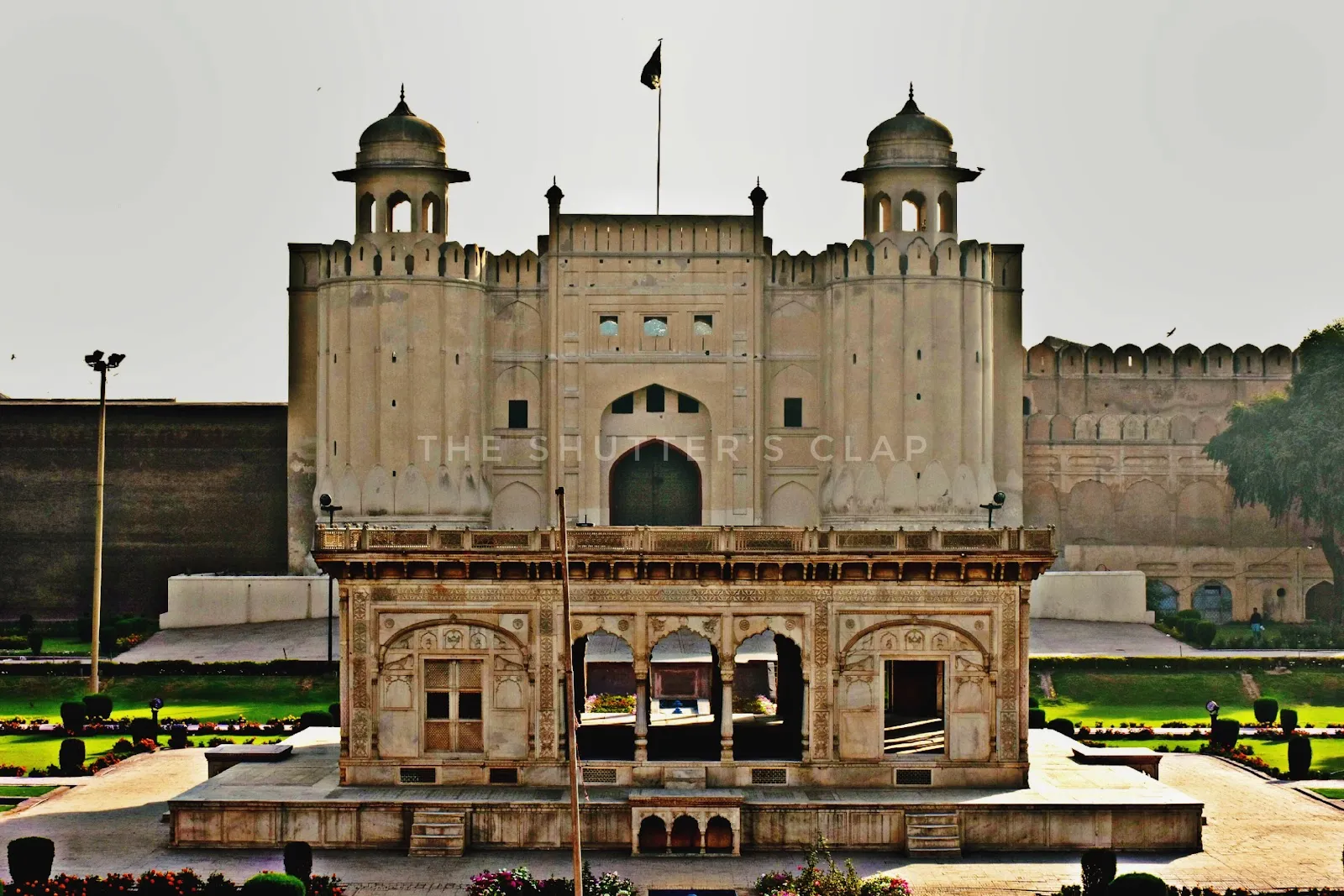
The fort covers more than 20 hectares and holds around twenty one monuments. It is divided into an administrative division, linked to the main entrance, and a private division.
Key stops include the Diwan-e-Aam, or Hall of Public Audience, and the Diwan-e-Khas, or hall of special audience. Others are the Naulakha Pavilion, the Moti Masjid (Pearl Mosque), the Jahangir Quadrangle, the royal kitchen and the court of Maharaja Ranjit Singh. Underground basement areas add to the sense of depth in the complex.
The Picture Wall runs along the northern and western facades for 442 metres, with an average height of 15 metres. It is covered in glazed tile and faience mosaics from the Mughal era, with embellished brickwork, filigree and frescoes. The mural is the main reason the fort was placed on the UNESCO list in 1981.
Architecture from one era to the next
Akbar's period is marked by red sandstone and brickwork. Shah Jahan's additions use more marble, Persian designs, inlay work and detailed decoration, so the change in style is visible as you move through the site.
The Sheesh Mahal is the best-known hall, with its mirror work. Its condition is worn in places, so keep expectations measured there and give more time to the rest of the fort.
Planning the visit
From Badshahi Mosque, walk around the outer wall to reach the entrance. If you would rather not walk, a golf cart is available, and a cart can also take you up to the top of the complex.
Parking options include a paid parking lot, free street parking and paid street parking. The entrance, the seating and the parking lot are listed as wheelchair accessible.
Some museums close about an hour before sunset, so plan the indoor sections for the afternoon. On some weekends, evening events called History by Night are held, and night performances sell tickets separately.
Preguntas frecuentes
Is there an entry fee?
Yes. Foreign visitors pay a separate ticket price, and buying tickets in advance is recommended. Night events may need their own tickets, which you can buy online.
How long do you need at Lahore Fort?
Plan 2 to 4 hours. Allow more time if you want to see the museums and every section of the complex.
Is Lahore Fort wheelchair accessible?
The entrance, the seating and the parking lot are listed as wheelchair accessible.
Can you hire a guide at the fort?
Yes. Agree the fee before you start, because some guides overcharge. Expect to negotiate within about 1000 to 2000 PKR.
When is the best time to visit?
Go early in the morning, before the midday heat and the largest crowds arrive.