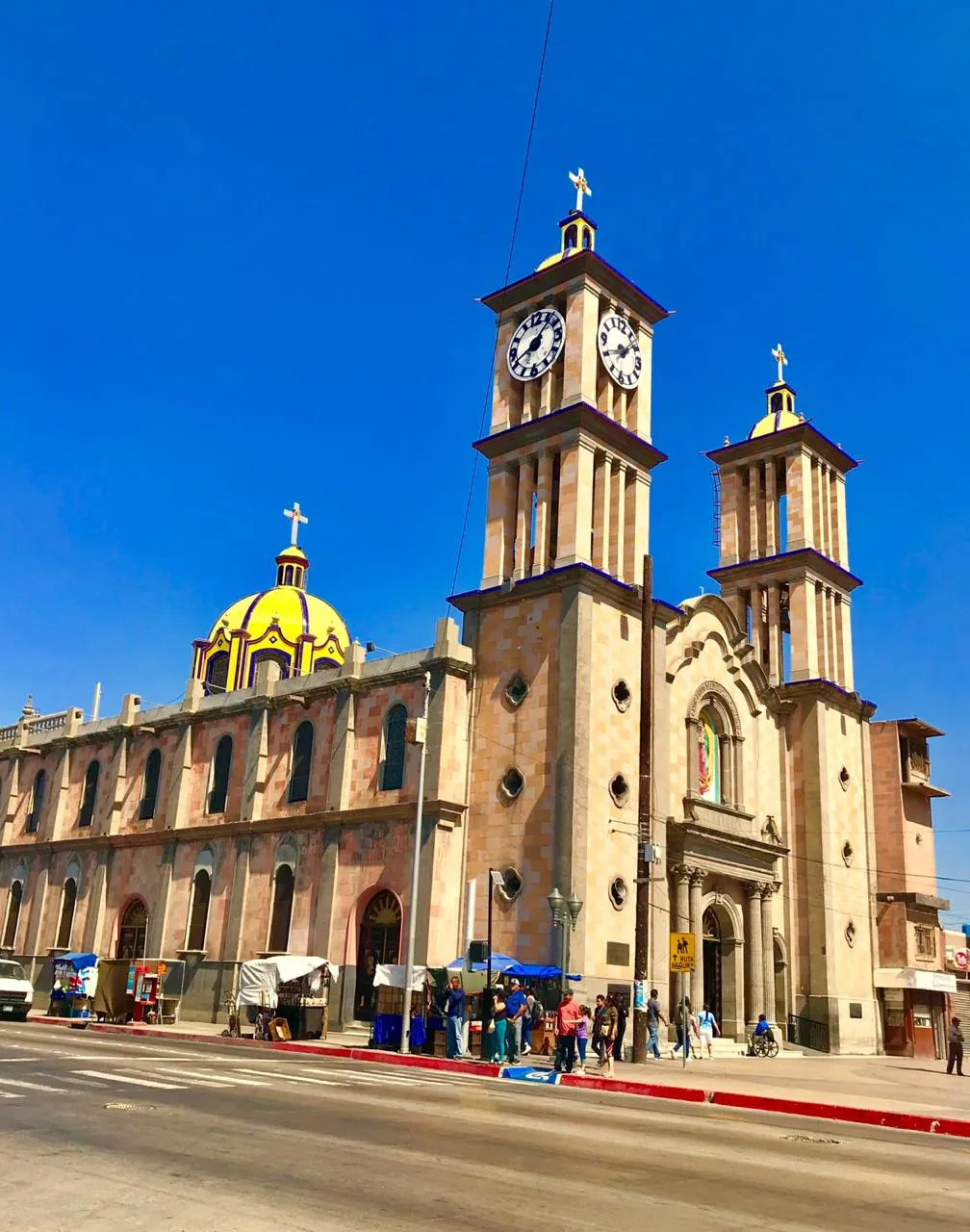
The Tijuana Cultural Center, known as CECUT and locally as La Bola, stands on Paseo de los Héroes in Zona Río. A sand-colored sphere holds an Omnimax dome theater. Around it are the Museo de las Californias, the El Cubo galleries, a botanical garden and an aquarium. Architect Pedro Ramírez Vázquez designed the complex, which opened in 1982. A visit usually combines the history museum, a film under the dome and whichever exhibition, concert or play is on. Plan on a mix of indoor galleries and outdoor space.
The sphere and how it began
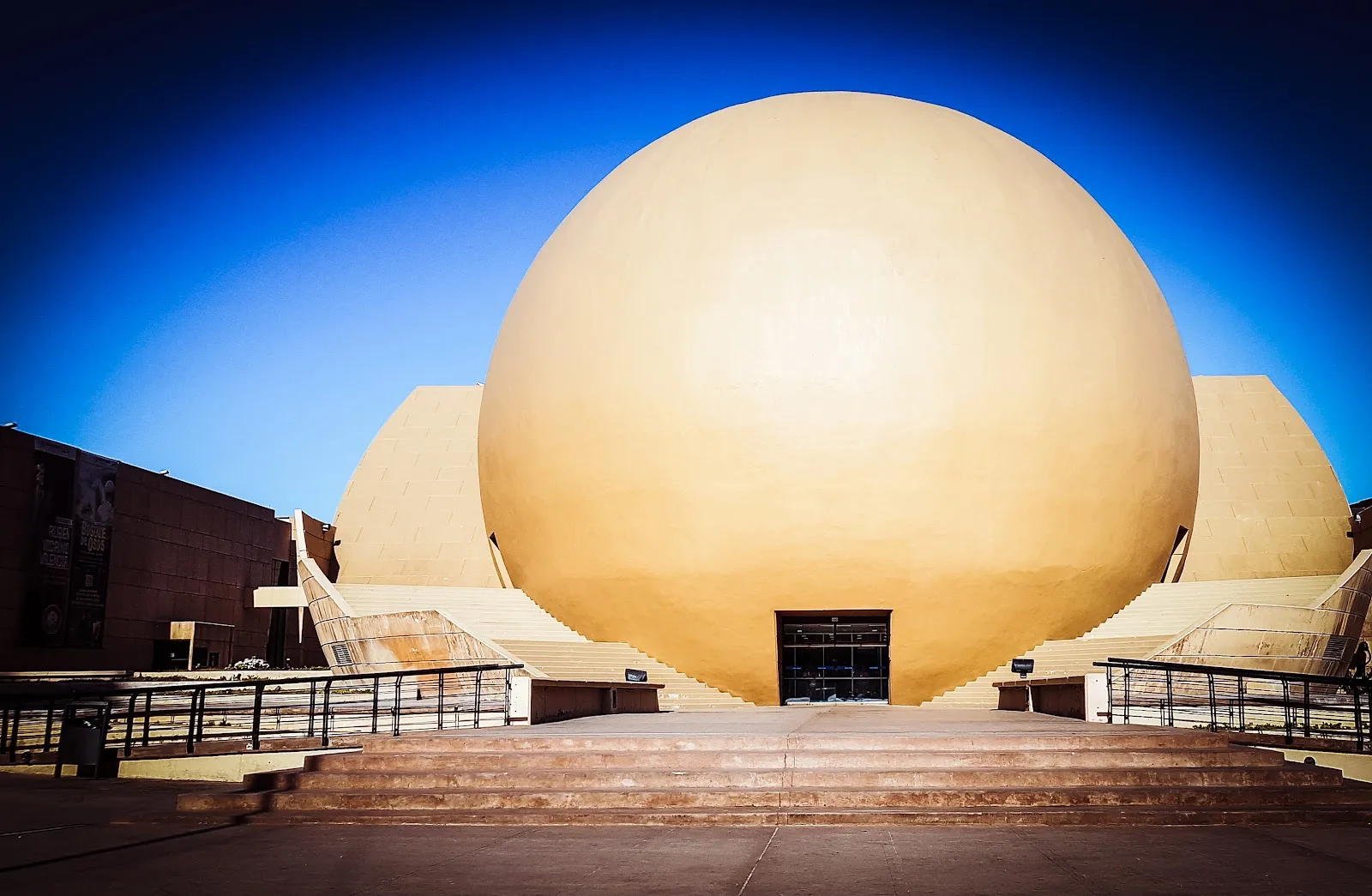
The Tijuana Cultural Center opened in October 1982. Pedro Ramírez Vázquez designed it, and the architect Manuel Rosen Morrison is also credited with the building. The sand-colored dome is visible from a distance along the tree-lined Paseo de los Héroes, and it quickly became one of the city's main symbols.
CECUT is a federal institution linked to the National Council for Culture and the Arts. Its mission is cultural education for the whole country, with an emphasis on the Baja California region. It is the main cultural complex in Tijuana and in northwest Mexico, and it receives more than a million visitors a year.
Museo de las Californias
The Museo de las Californias is inside the center. It has a lobby and eight permanent rooms, each on a different part of the history of Baja California. The story starts in prehistoric times and moves through the region's later history. It is the part of the center to choose if you want to understand the place you are standing in.
The dome, El Cubo and the other spaces
The Omnimax theater fills the sphere. Its films run about 45 minutes, and the subjects range from science to space travel.
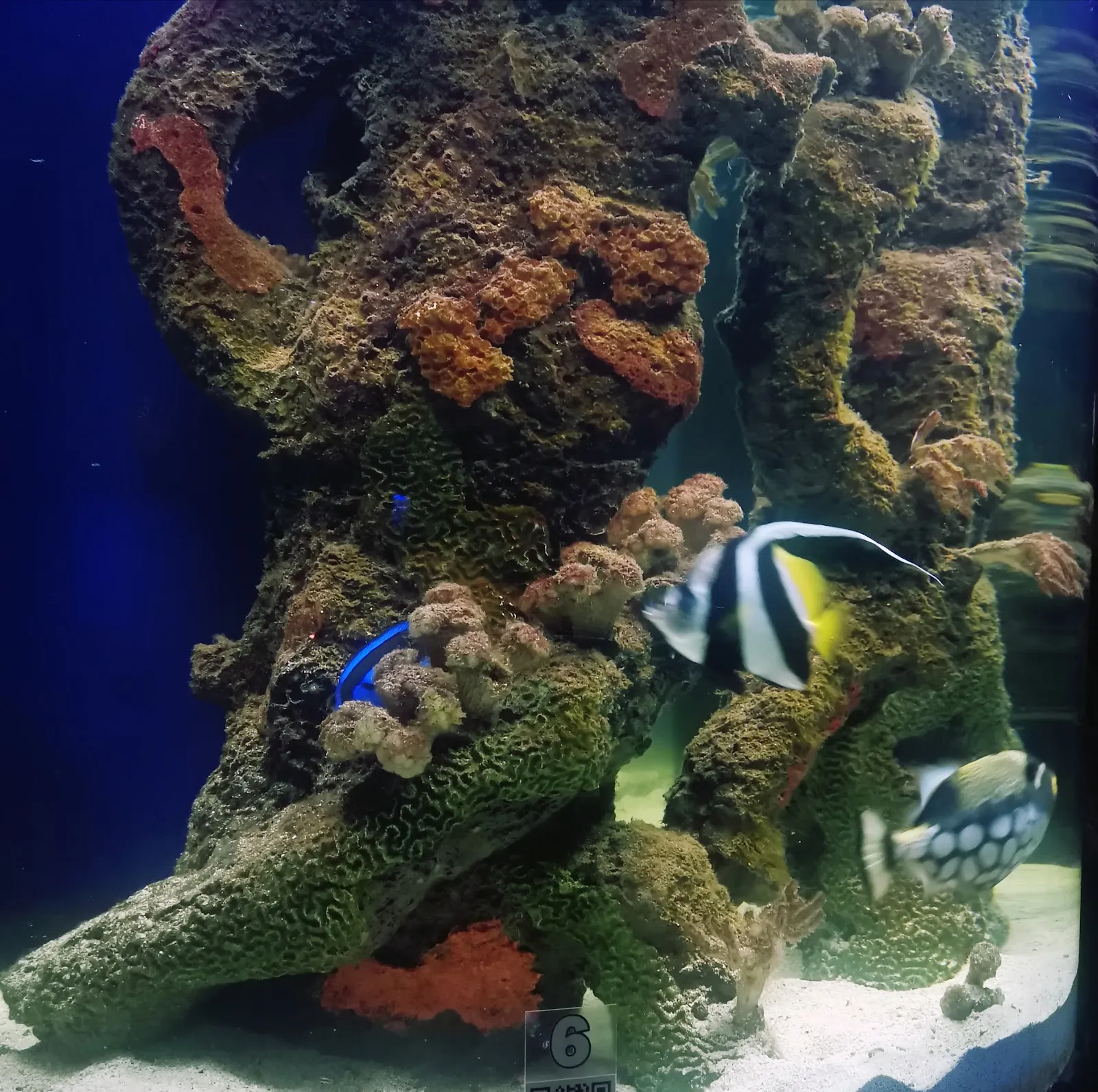
El Cubo is the center's art gallery building. It shows international exhibitions and private collections, and it holds contemporary art. Elsewhere in the complex you will find a botanical garden, an aquarium, a performance hall, a bookstore and a coffee shop. The outdoor area is used for festivals, events and open-air exhibitions. Pottery displays, photography shows and interactive installations rotate through the galleries, and concerts and theater are on the program throughout the year. A vendor area sells handcrafted goods.
Planning the visit
CECUT is in Zona Río, about five minutes from the US border. It sits next to the Plaza Río pedestrian mall. Across the street is Plaza Fiesta, a cluster of craft beer bars, which makes an easy stop after the galleries.
Some areas, such as parts of the botanical garden, show wear, so treat the garden as a short walk rather than the main event. The center is closed on Mondays. Check the official website, cecut.gob.mx, for current exhibitions, film times and prices.
Preguntas frecuentes
Is there an entry fee at the Tijuana Cultural Center?
General entry has been around $5, and Sunday entrance is free. Some exhibitions and events are free, while films and special events are priced separately. Check cecut.gob.mx for current prices.
What is inside the Tijuana Cultural Center?
The complex has the Museo de las Californias, the El Cubo galleries, an Omnimax dome theater, a botanical garden, an aquarium and a performance hall. There is also a bookstore and a coffee shop.
Where is the Tijuana Cultural Center and how close is it to the border?
It is at Paseo de los Héroes 9350 in Zona Río, about five minutes from the US border. The Plaza Río pedestrian mall is next door.
Is the Tijuana Cultural Center open on Mondays?
No, it is closed on Mondays. It is open Tuesday to Sunday.
Is the Tijuana Cultural Center wheelchair accessible?
Yes. The entrance, restroom and parking lot are all wheelchair accessible.