Pianifica un viaggio
Lingua: Italiano
Pianificatore di viaggiPianifica il tuo viaggio su una mappa

Le migliori destinazioni

EnglishDeutschFrançaisEspañolPortuguêsPortuguês (BR)Italiano
Avviso di viaggio · MessicoTijuana si trova in o vicino a un'area per cui i governi sconsigliano ogni viaggio non essenziale: Tijuana, Regione di confine con gli Stati Uniti.Le indicazioni dipendono dal tuo passaporto. Leggi quelle del tuo governo prima di prenotare.Indicazioni ufficiali
Aree con avvisi
  • Colima · evitare ogni viaggio · Canada, Germania, Francia, Regno Unito
  • Guerrero · evitare ogni viaggio · Canada, Germania, Spagna, Francia, Nuova Zelanda, Regno Unito
  • Sinaloa · evitare ogni viaggio · Canada, Germania, Spagna, Francia, Nuova Zelanda, Regno Unito
  • Chiapas · evitare i viaggi non essenziali · Canada, Spagna, Francia
  • Chihuahua · evitare i viaggi non essenziali · Canada, Francia, Regno Unito
  • Strada federale 199 San Cristóbal de las Casas–Palenque · evitare i viaggi non essenziali · Francia, Regno Unito
  • Guanajuato, a sud delle strade 43D e 45D · evitare i viaggi non essenziali · Canada, Nuova Zelanda
  • Regione di confine con il Guatemala, Chiapas · evitare i viaggi non essenziali · Germania, Francia, Nuova Zelanda
  • Parco nazionale Lagunas de Zempoala · evitare i viaggi non essenziali · Canada, Nuova Zelanda
  • Michoacán · evitare i viaggi non essenziali · Canada, Germania, Nuova Zelanda, Regno Unito
  • Nayarit, entro 20 km dal confine con Sinaloa e Durango · evitare i viaggi non essenziali · Canada, Nuova Zelanda
  • Nuevo León, eccetto Monterrey · evitare i viaggi non essenziali · Canada, Nuova Zelanda
  • Piedras Negras · evitare i viaggi non essenziali · Spagna, Francia
  • Strada 85 Monterrey–Nuevo Laredo · evitare i viaggi non essenziali · Spagna, Francia
  • Sonora · evitare i viaggi non essenziali · Canada, Nuova Zelanda
  • Tamaulipas · evitare i viaggi non essenziali · Canada, Francia, Regno Unito
  • Tecate · evitare i viaggi non essenziali · Francia, Regno Unito
  • Tijuana · evitare i viaggi non essenziali · Francia, Regno Unito
  • Regione di confine con gli Stati Uniti · evitare i viaggi non essenziali · Germania, Spagna, Francia
  • Zacatecas · evitare i viaggi non essenziali · Canada, Germania, Spagna, Francia, Regno Unito

Segnalata anche da un solo governo: Triangolo Celaya–Irapuato–Salamanca, Guanajuato (Francia), Culiacán e dintorni (Francia), A nord di Ciudad Victoria, Tamaulipas (Germania), Strada 129 Martínez de la Torre–Teziutlán (Francia), Strada 131 Tapacoyan–Perote (Francia), Strade secondarie della 180 Martínez de la Torre–Papantla (Francia), Strada 40 Monterrey–Reynosa (Francia), Sud del Michoacán, da Uruapan alla costa (Francia), Acapulco (Francia), Bassa California, eccetto Tijuana e Tecate (Francia), Ciudad Acuña (Spagna), Ciudad Juárez e dintorni (Spagna), Ciudad Obregón (Francia), Coahuila, eccetto il sud (Nuova Zelanda), Coatzacoalcos (Francia), Quartieri a nord e nord-est dello Zócalo, Città del Messico (Francia), Durango (Francia), Est del Nuevo León, al confine con Tamaulipas (Francia), Guanajuato (Spagna), Guanajuato, strada statale 45 tra León e Irapuato (Nuova Zelanda), Guanajuato, a sud-ovest della strada 45D (Regno Unito), Jalisco, entro 50 km dal confine con il Michoacán (Canada), Monclova (Spagna), Morelos (Francia), Nayarit (Francia), Nogales (Francia), Zone rurali non turistiche della Baja California (Spagna), Zone rurali non turistiche di Chihuahua (Spagna), Zone rurali non turistiche di Coahuila (Spagna), Zone rurali non turistiche di Durango (Spagna), Zone rurali non turistiche di Sonora (Spagna), Comuni del nord di Jalisco (Regno Unito), Tamaulipas settentrionale, da San Fernando al confine con gli USA (Spagna), Veracruz settentrionale, al confine con il Tamaulipas (Spagna), Veracruz settentrionale da Martínez de la Torre (Francia), Strada 150D, Puebla–Orizaba (Francia), Strada 190, Oaxaca–Santo Domingo Tehuantepec (Francia), Strade 85 e 83 Monterrey–Ciudad Victoria–Tampico (Francia), Strada 95 Città del Messico–Cuernavaca (Francia), Selva Lacandona (Francia), Sud e sud-ovest del lago di Chapala, Jalisco (Regno Unito), Sud-ovest del Jalisco e Los Altos, eccetto Puerto Vallarta (Francia), Sud-ovest del Michoacán (Francia), Sud-ovest del Tamaulipas (Francia), Sud dello stato di Guanajuato (Francia), Sud del Michoacán, a sud di Morelia (Spagna), Fascia entro 40 km dal confine con il Guatemala, Chiapas (Regno Unito), Tepic (Nuova Zelanda), Toluca (Francia), Città di Veracruz (Francia)

GovernoConsigliAggiornatoLeggi le indicazioni
Regno Unito (FCDO)No advice against the whole country (regional advisories)–Leggi le indicazioni
Stati Uniti (Dipartimento di Stato)Exercise increased caution29 mag 2026Leggi le indicazioni
Canada (Affari globali)Exercise a high degree of caution (regional advisories)–Leggi le indicazioni
Germania (Auswärtiges Amt)Besondere Vorsicht walten lassen (Sicherheitslage) (regional advisories)19 ott 2026Leggi le indicazioni
Nuova Zelanda (SafeTravel)Exercise increased caution (regional advisories)–Leggi le indicazioni
Francia (Ministero per l'Europa e gli Affari esteri)Vigilance renforcée pour le reste du pays (regional advisories)–Leggi le indicazioni

Verificato ogni giorno dalle indicazioni pubblicate dai governi; ultima verifica 3 nov 2026.RoamLedger riassume le indicazioni ufficiali; non è un consiglio di alcun governo.

Centro Cultural Tijuana
Teatro

Tijuana Cultural Center

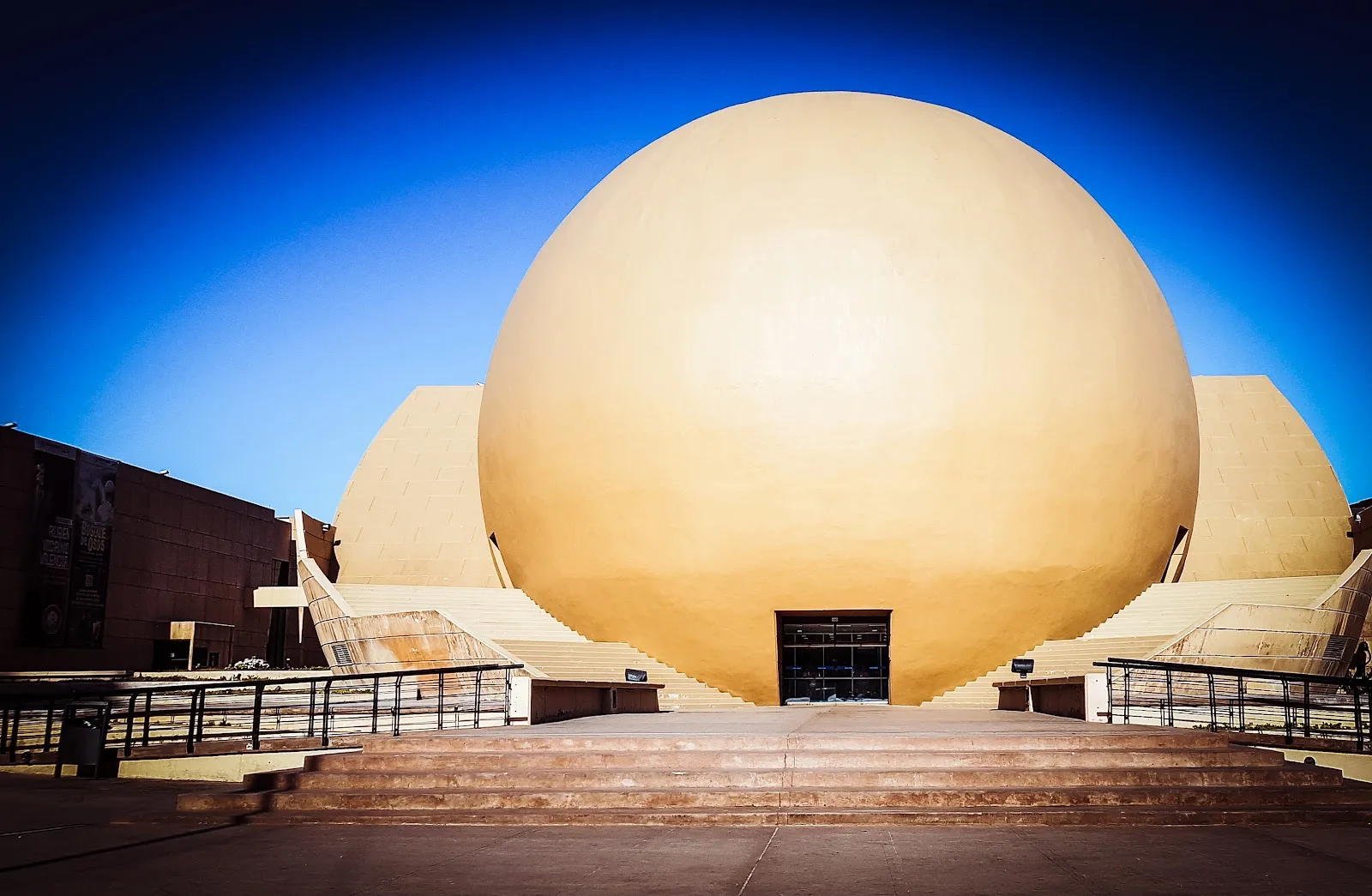
The Tijuana Cultural Center, known as CECUT and locally as La Bola, stands on Paseo de los Héroes in Zona Río.

The Tijuana Cultural Center, known as CECUT and locally as La Bola, stands on Paseo de los Héroes in Zona Río. A sand-colored sphere holds an Omnimax dome theater. Around it are the Museo de las Californias, the El Cubo galleries, a botanical garden and an aquarium. Architect Pedro Ramírez Vázquez designed the complex, which opened in 1982. A visit usually combines the history museum, a film under the dome and whichever exhibition, concert or play is on. Plan on a mix of indoor galleries and outdoor space.

The sphere and how it began
Tijuana Cultural Center

The Tijuana Cultural Center opened in October 1982. Pedro Ramírez Vázquez designed it, and the architect Manuel Rosen Morrison is also credited with the building. The sand-colored dome is visible from a distance along the tree-lined Paseo de los Héroes, and it quickly became one of the city's main symbols.

CECUT is a federal institution linked to the National Council for Culture and the Arts. Its mission is cultural education for the whole country, with an emphasis on the Baja California region. It is the main cultural complex in Tijuana and in northwest Mexico, and it receives more than a million visitors a year.

Museo de las Californias
Tijuana Cultural Center

The Museo de las Californias is inside the center. It has a lobby and eight permanent rooms, each on a different part of the history of Baja California. The story starts in prehistoric times and moves through the region's later history. It is the part of the center to choose if you want to understand the place you are standing in.

The dome, El Cubo and the other spaces

The Omnimax theater fills the sphere. Its films run about 45 minutes, and the subjects range from science to space travel.

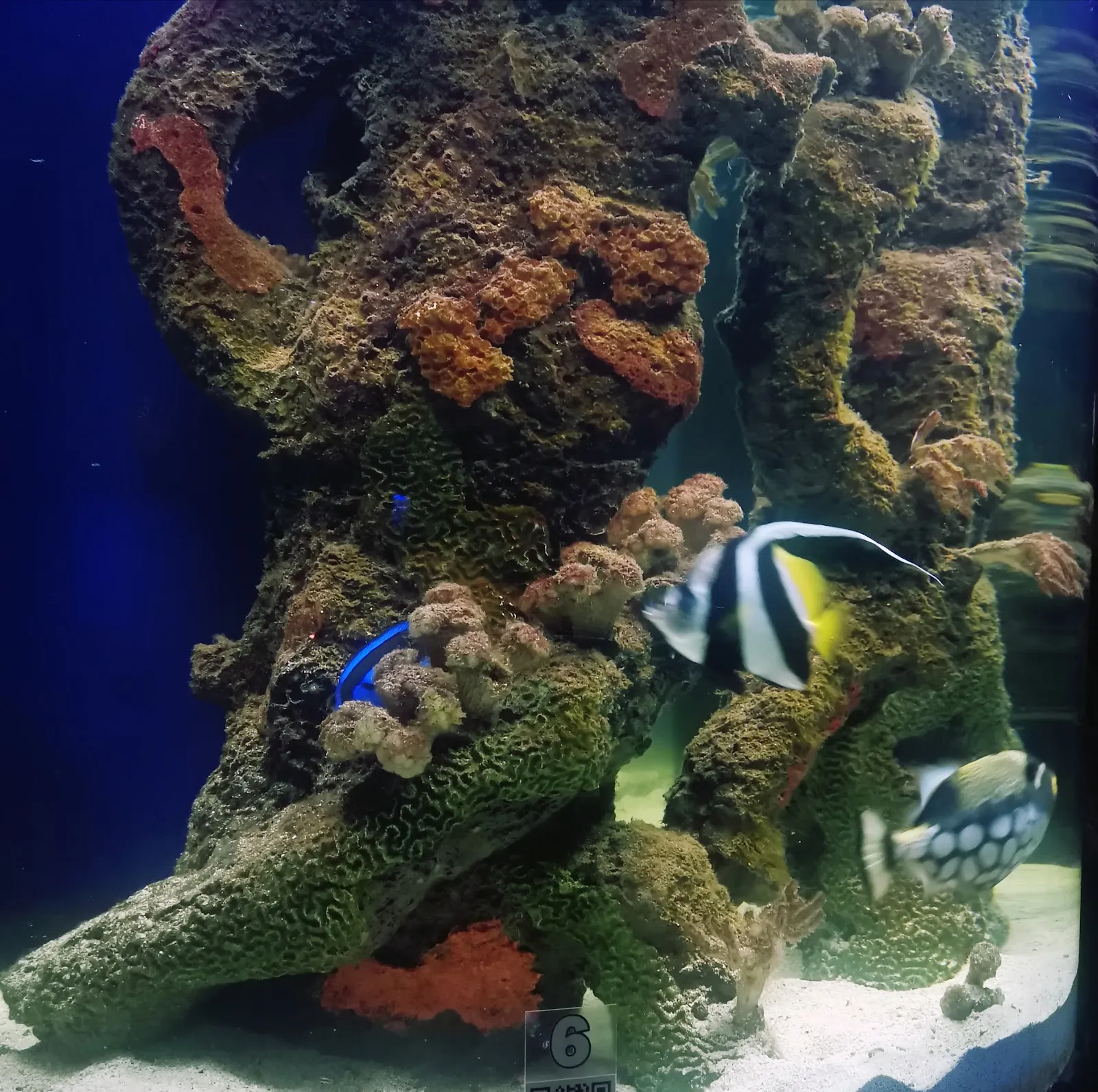
El Cubo is the center's art gallery building. It shows international exhibitions and private collections, and it holds contemporary art. Elsewhere in the complex you will find a botanical garden, an aquarium, a performance hall, a bookstore and a coffee shop. The outdoor area is used for festivals, events and open-air exhibitions. Pottery displays, photography shows and interactive installations rotate through the galleries, and concerts and theater are on the program throughout the year. A vendor area sells handcrafted goods.

Planning the visit

CECUT is in Zona Río, about five minutes from the US border. It sits next to the Plaza Río pedestrian mall. Across the street is Plaza Fiesta, a cluster of craft beer bars, which makes an easy stop after the galleries.

Some areas, such as parts of the botanical garden, show wear, so treat the garden as a short walk rather than the main event. The center is closed on Mondays. Check the official website, cecut.gob.mx, for current exhibitions, film times and prices.

FAQ

Is there an entry fee at the Tijuana Cultural Center?

General entry has been around $5, and Sunday entrance is free. Some exhibitions and events are free, while films and special events are priced separately. Check cecut.gob.mx for current prices.

What is inside the Tijuana Cultural Center?

The complex has the Museo de las Californias, the El Cubo galleries, an Omnimax dome theater, a botanical garden, an aquarium and a performance hall. There is also a bookstore and a coffee shop.

Where is the Tijuana Cultural Center and how close is it to the border?

It is at Paseo de los Héroes 9350 in Zona Río, about five minutes from the US border. The Plaza Río pedestrian mall is next door.

Is the Tijuana Cultural Center open on Mondays?

No, it is closed on Mondays. It is open Tuesday to Sunday.

Is the Tijuana Cultural Center wheelchair accessible?

Yes. The entrance, restroom and parking lot are all wheelchair accessible.
Altre attrazioni imperdibili a Tijuana

Esplora tutto