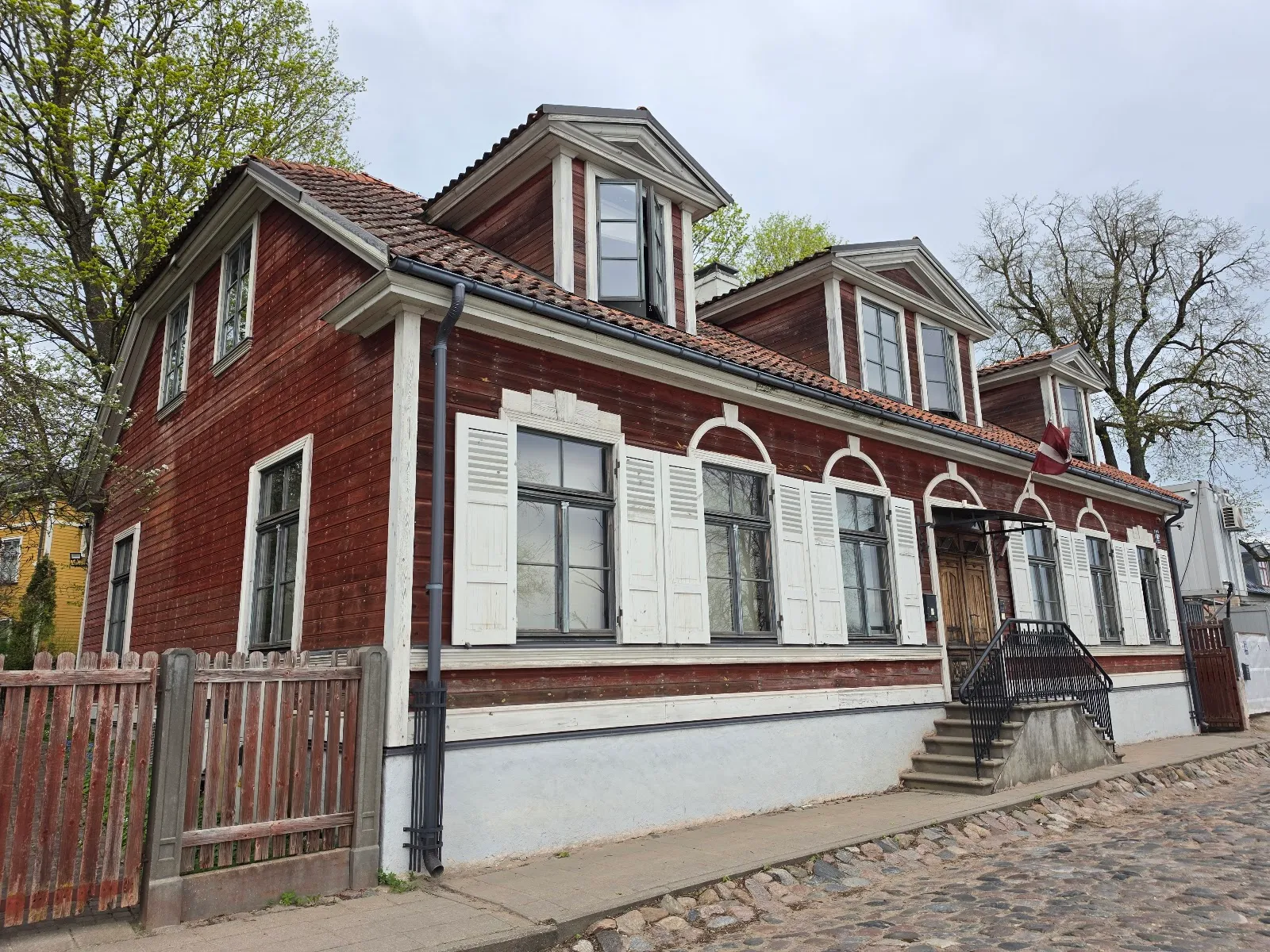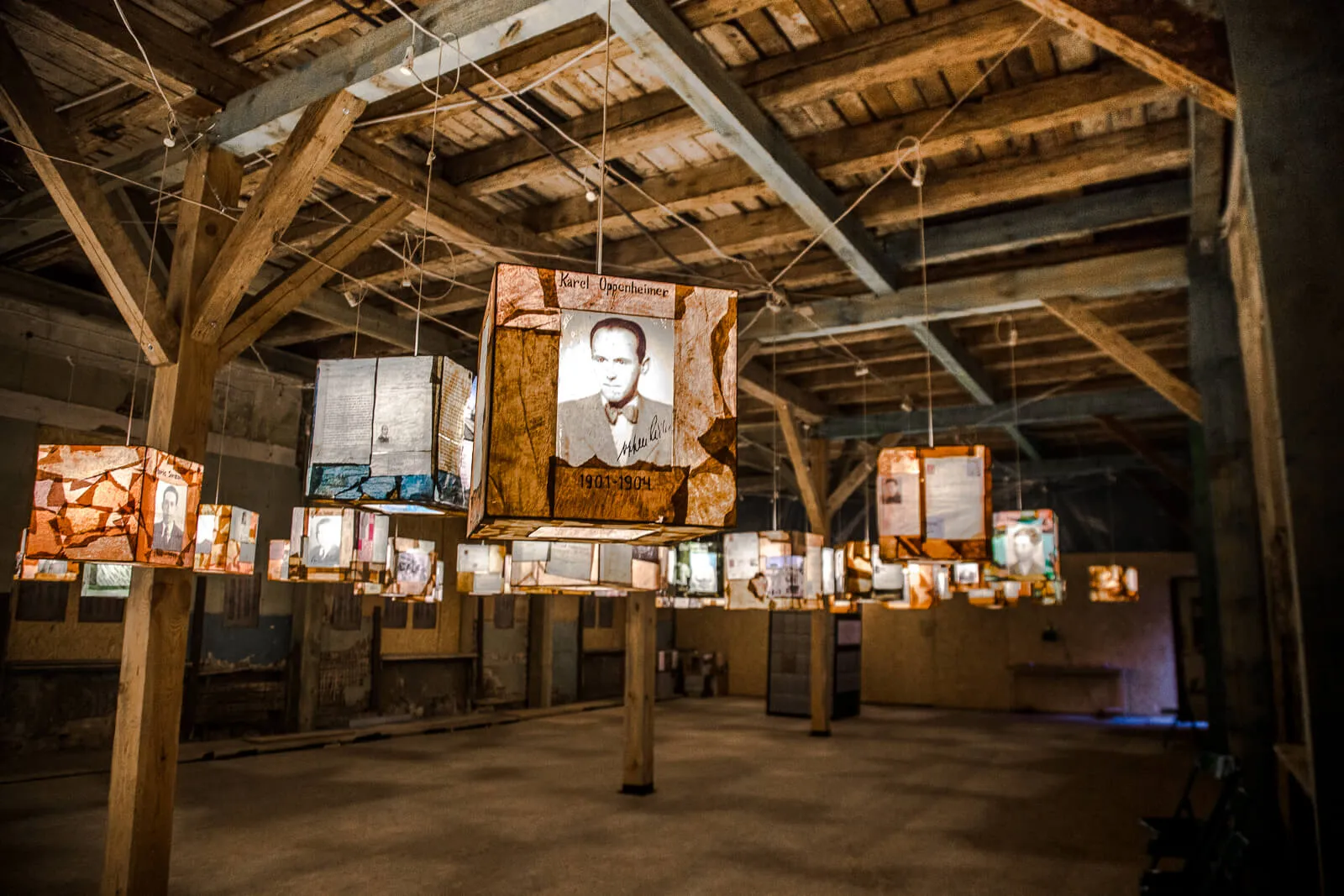
The Riga Ghetto and Holocaust in Latvia Museum is an open-air museum in the city’s Latgale suburb, on the edge of the former Jewish ghetto. Its exhibitions trace Jewish life in Riga before the Holocaust and the persecution and suffering of the war years through photographs, documents, objects and individual accounts. A reconstructed home and displays of victims’ names give the history a personal scale. Allow time to read and reflect; the museum is a solemn visit, not a quick stop between lighter attractions.
The ghetto and its history
The museum is near the site of the former Jewish ghetto in Riga’s Moscow district. In 1941, Nazi authorities forced the city’s Jewish population into the ghetto. The enclosed area covered 16 city blocks and held 30,000 people. The exhibitions place this history within the wider story of Jewish life in Latvia and the Holocaust.
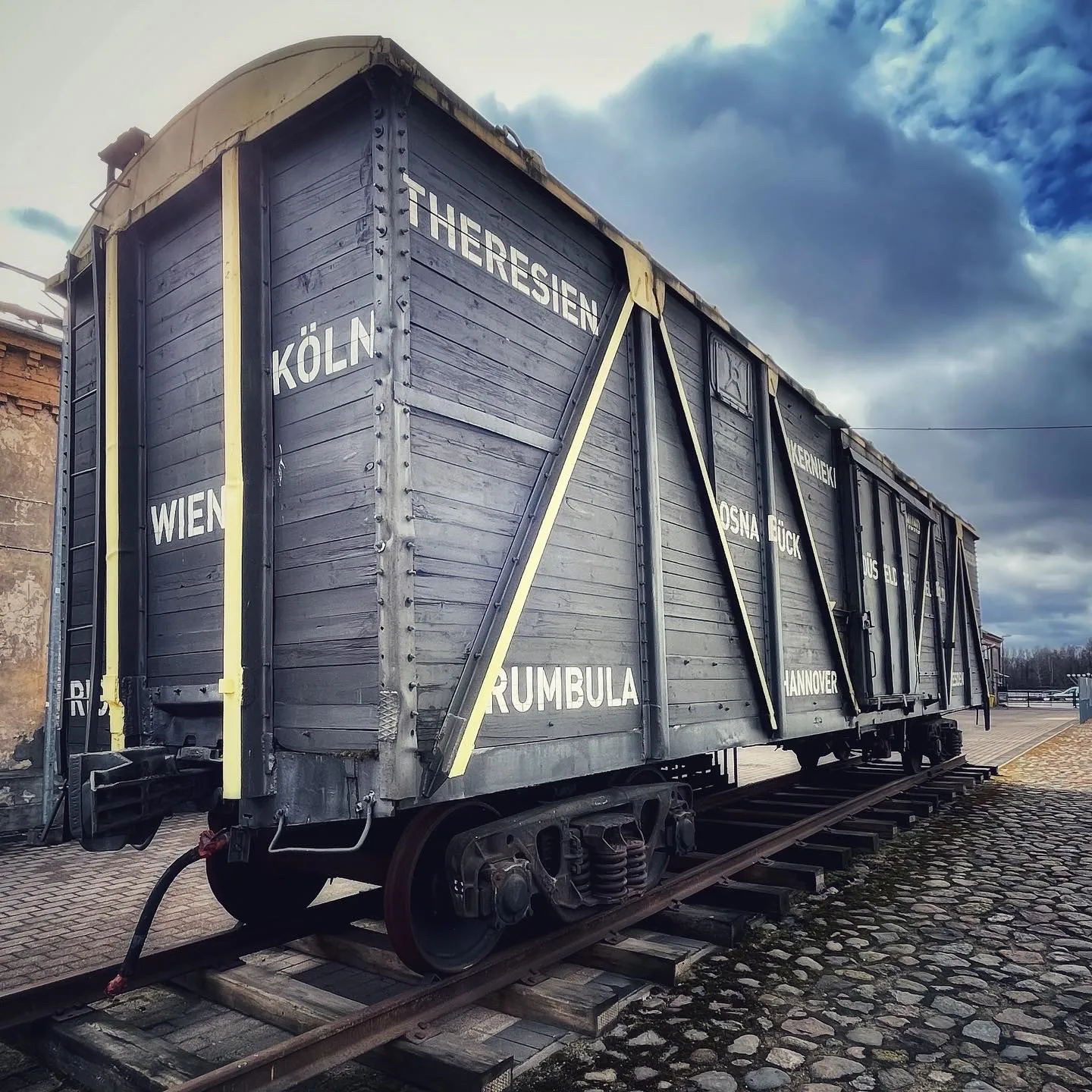
The museum also addresses the discrimination that preceded the Nazi occupation and the devastating events that followed. Its focus is on people and their experiences, including the fate of those taken through Riga to concentration camps in Latvia. The Rumbula massacre is part of the city’s Holocaust history presented here.
Exhibitions and memorials
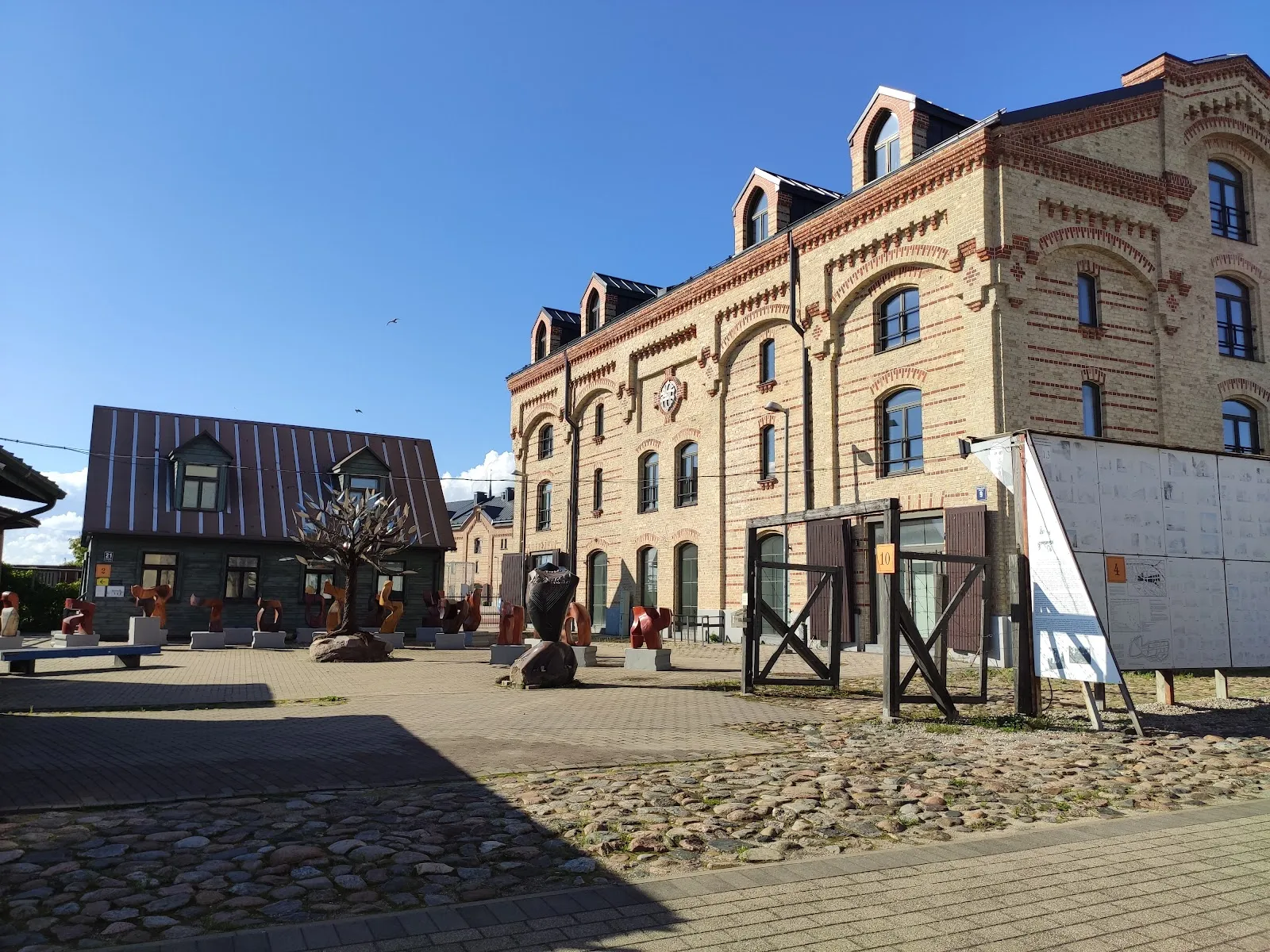
Much of the museum is outdoors, with displays arranged around a courtyard and in several halls. Photographs, documents, maps and personal objects help tell the story of the Jewish community and the ghetto. A reconstructed home gives visitors a sense of the domestic spaces Jewish residents were forced to occupy. Another display recreates a cattle car, which visitors can enter.
Names are central to the memorial elements. Exhibits include extensive lists of people killed in the Holocaust, and a metal tree in the courtyard bears victims’ names. Sculptures and other artwork sit among the displays. The combination of individual records and historical material asks visitors to attend to the people behind the events, not only the chronology.
Taking time with the displays
The museum contains several exhibitions, and the amount of reading means a visit can take longer than the compact site first suggests. Information sheets at the entrance explain the exhibits and are available in multiple languages. Display text also includes English. Take time with the personal accounts, photographs and documents; the subject matter is difficult, and some images and stories are distressing.
The site is mostly outdoors, and rooms can feel cold, so bring a warm layer. The museum is in Latgale suburb, near the historic quarter where the former ghetto stood. The surrounding area is associated with the city’s Jewish and Russian merchant communities, and has older wooden houses and paved streets. Admission details vary in the available information; donations are described as voluntary, so check directly with the museum if you need to confirm the arrangements before visiting.
Preguntas frecuentes
How long should I plan for the museum?
Allow about 1 to 2 hours to read the exhibitions and spend time with the personal accounts.
Is the museum indoors or outdoors?
Most of the museum is outdoors, with displays in several halls as well. Rooms can be chilly, so bring warm clothing.
What can I see at the museum?
Exhibits include photographs, documents, personal objects, a reconstructed home and a replica cattle car. Memorial displays include victims’ names.
Do I need to pay an entrance fee?
Admission details are inconsistent in the available information. Donations are described as voluntary, so check with the museum before your visit.