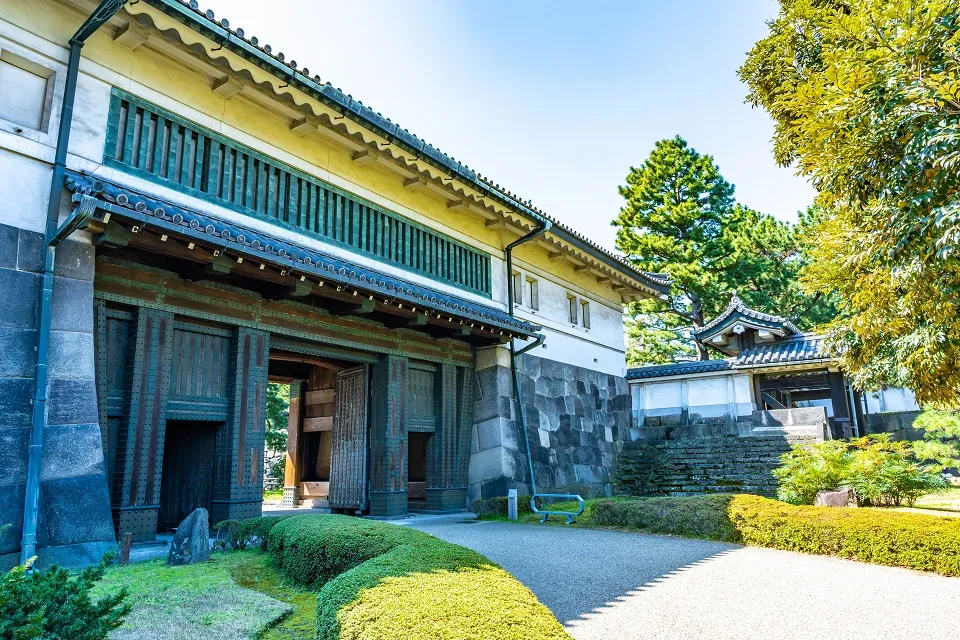
Shinjuku Gyoen National Garden is a large garden in Tokyo’s Shinjuku district, about a 10-minute walk from Shinjuku Station’s south exit. Its Japanese strolling garden, French formal garden and English landscape garden each have a different character, with ponds, bridges, rose beds and broad lawns to explore. Spring brings cherry blossoms across the grounds, while maples add autumn colour. Visit for a quiet walk, a picnic on the lawns or a stop at the Japanese garden’s teahouse. The garden is spacious enough to make a change of pace from the city streets nearby.
Three garden styles in one park
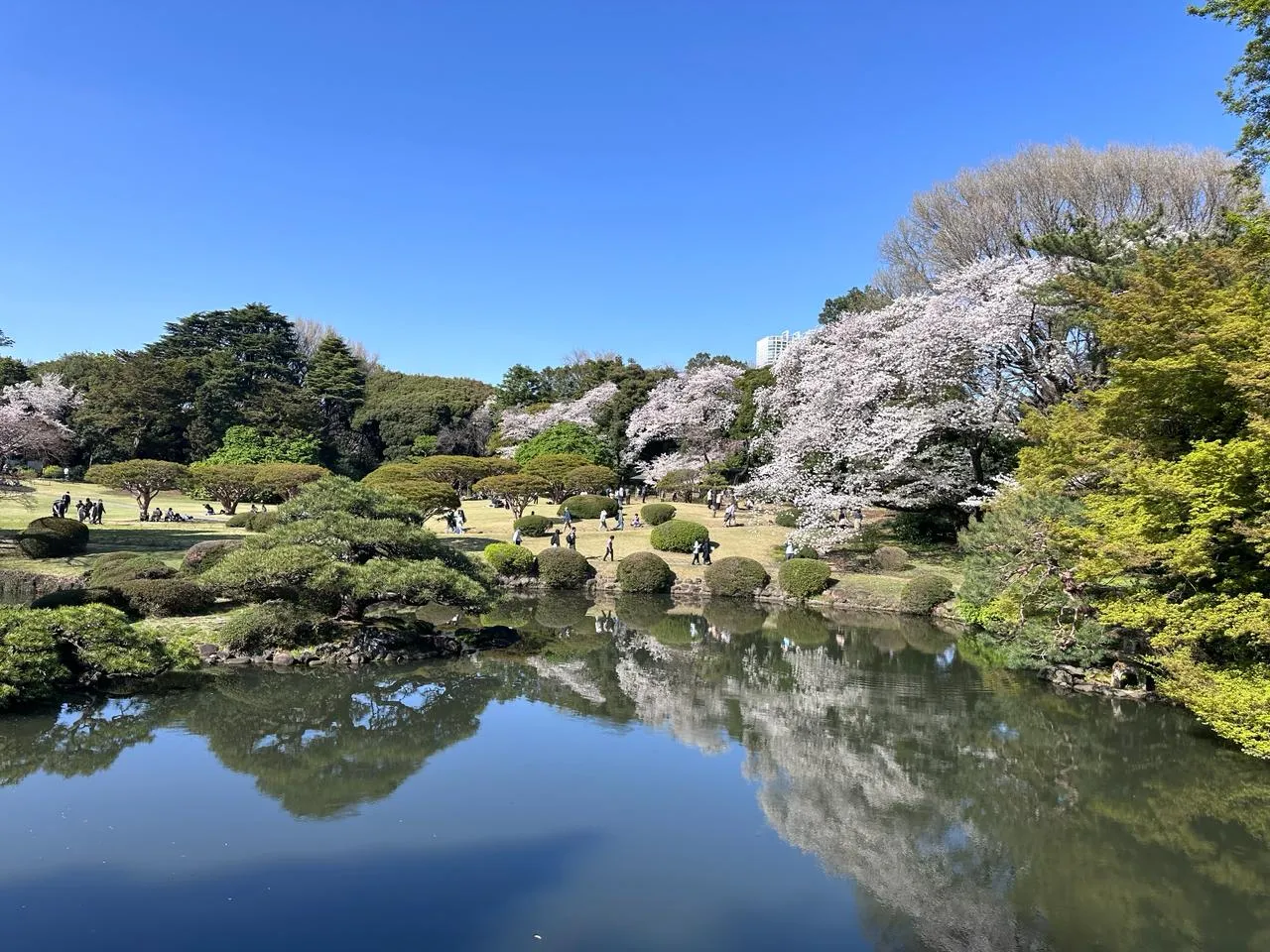
Shinjuku Gyoen brings together a traditional Japanese strolling garden, a French formal garden and an English landscape garden. Their distinct layouts give you different scenery as you walk: the Japanese section has ponds and bridges, the French garden has rose beds and avenues of plane trees, and the English garden opens onto broad lawns and groves.
The Japanese garden is designed around a pond, with islands and bridges to view along the paths. A teahouse adds a place to pause, and the garden’s seasonal flowers bring changes through the year. The French and English sections feel more open, with formal planting in one and expansive grassy spaces in the other. Together, they make the grounds a place to wander rather than a single viewpoint to tick off.
Cherry blossoms and autumn leaves
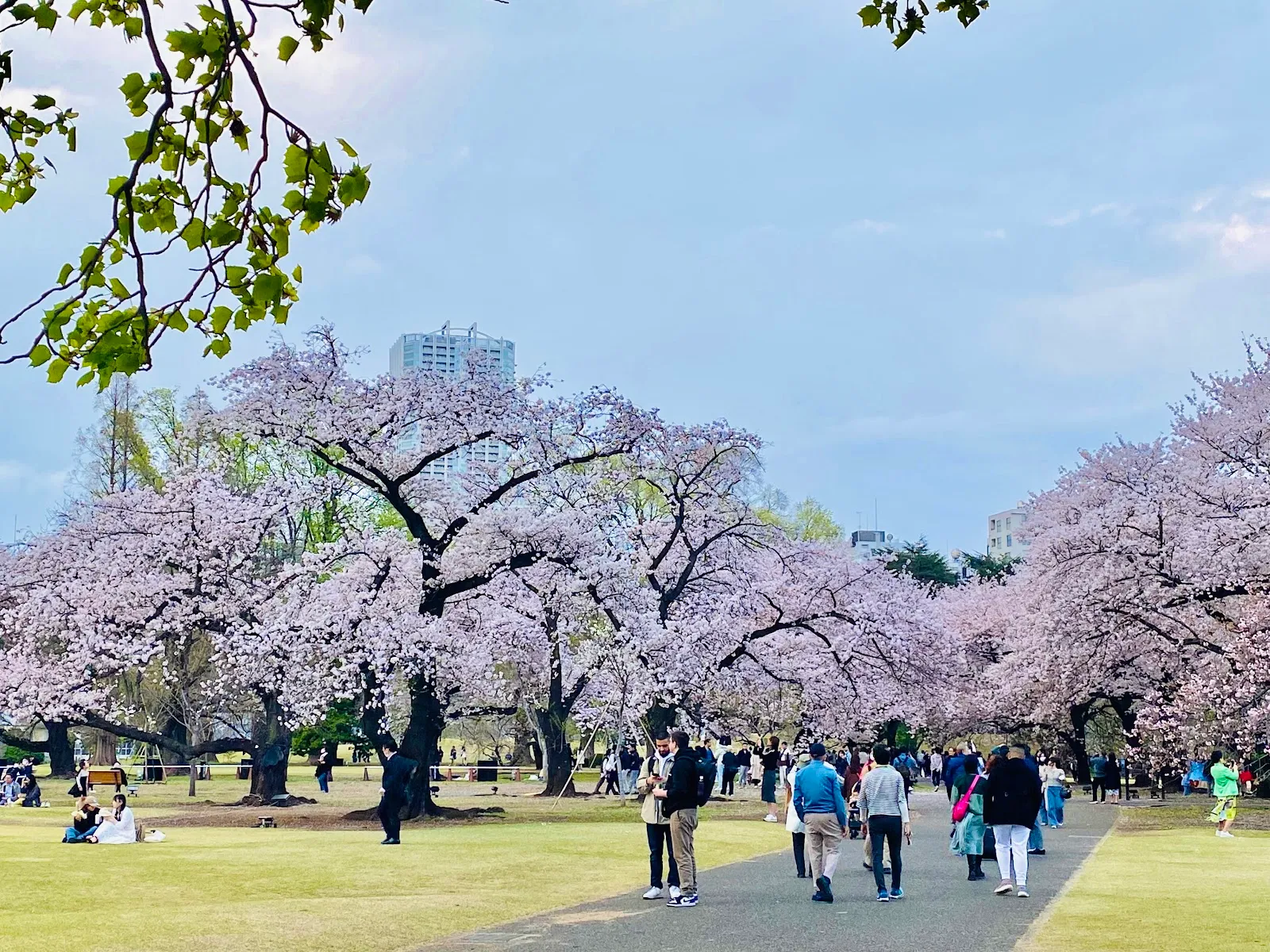
Spring is the garden’s busiest season. Around 1,000 cherry trees, including many varieties, bloom at different points in the season, extending the period when you can see blossoms across the grounds. The flowers draw people for hanami, the custom of gathering to appreciate cherry blossoms. The wide lawns provide room to sit, though the garden is popular during this period.
Autumn brings colour to the Japanese garden, particularly around Maple Hill. The garden is also a place for a walk outside these seasonal peaks: flowers and trees change through the year, and the three garden styles give the grounds varied scenery in any season. For spring and autumn visits, allow time to stroll rather than rushing between sections.
From a samurai residence to a public garden
The grounds were once associated with the Naitō family, a feudal family whose residence stood here during the Edo period. The site later became an imperial garden, opening as a garden for the Imperial Family in 1906. After World War II, it became a public national garden.
Today, the grounds sit close to Shinjuku’s busy streets and station, but their lawns, ponds and tree-lined paths create a markedly quieter setting. The garden covers 58.3 hectares, so a visit can be as short as a pause on the lawns or as long as a walk through its different sections. Check the current opening details before setting out, and arrive with enough time to explore before closing.
Preguntas frecuentes
How do I get to Shinjuku Gyoen National Garden?
The garden is about a 10-minute walk from the south exit of Shinjuku Station.
What can I see at Shinjuku Gyoen?
The grounds include Japanese strolling, French formal and English landscape gardens, with ponds, bridges, rose beds and broad lawns.
When is the best time to see cherry blossoms?
Cherry blossoms bloom in spring, with different varieties flowering at different times. The season draws large crowds.
Is Shinjuku Gyoen National Garden open every day?
It is closed on Mondays and open Tuesday through Sunday.