
Kyoto National Museum in Higashiyama preserves and displays Japanese and East Asian art, with collections spanning paintings, Buddhist sculpture, ceramics, textiles, lacquerware, metalwork and calligraphy. Rotating exhibitions in the modern Heisei Chishinkan bring different cultural properties into view, including works connected to Kyoto. The museum grounds also let you compare the 2014 gallery with the red-brick Meiji-era buildings. Plan time for both the displays and the architecture; the former main exhibition hall is closed during renovation, so current exhibitions are held in the Heisei Chishinkan.
A museum opened in 1897
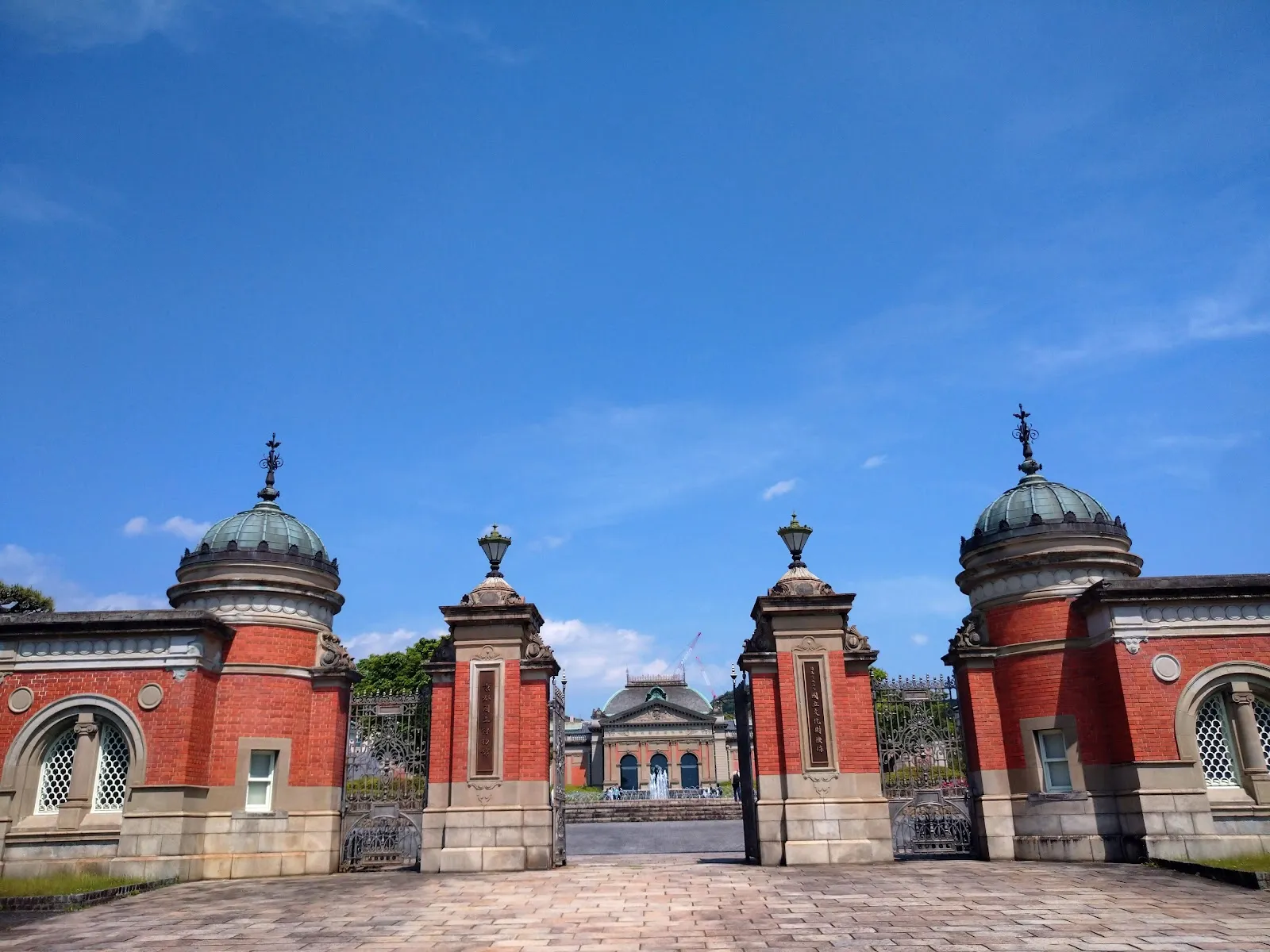
Kyoto National Museum opened in 1897 as the Imperial Museum of Kyoto. It was established to collect and preserve cultural properties, including objects associated with the city’s temples, shrines, palaces and estates. Its collections cover Japanese and East Asian art, with paintings, sculpture, textiles, ceramics, lacquerware, metalwork, calligraphy and archaeological relics.
The museum’s focus is largely on pre-modern art. Works from the Heian period, when the arts flourished, are among the collection’s strengths, but the objects span many eras. The holdings include Japanese sutras, ceramics from the Nara through Edo periods, Chinese paintings and sixth-century haniwa burial figures. The museum also preserves cultural properties and carries out research and educational work related to them.
What to see in the galleries
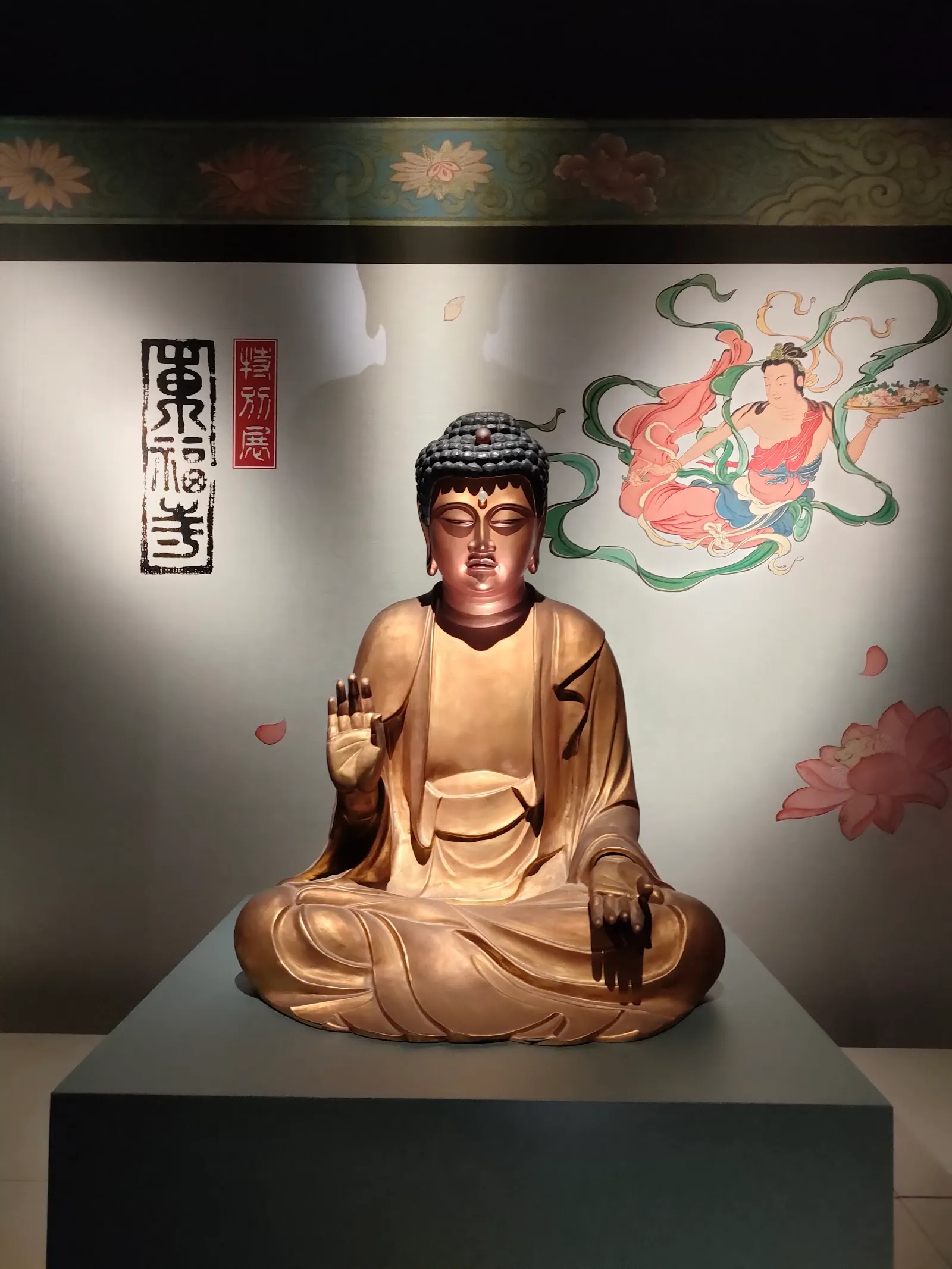
Exhibitions change over time, bringing different parts of the collection to the public. Displays can include Buddhist sculpture, folding screens, paintings and scrolls, calligraphy, ceramics, textiles and metalwork. The museum’s collections include national treasures, among them screens, paintings and scrolls. Samurai armour and weapons, along with ink-wash screens, are among the works to look for on the second floor.
Objects connected to Kyoto sit alongside works from elsewhere in Japan and Asia. The range includes Buddhist images from Gandhara and the Heian period, as well as paintings by Sesshu and works of calligraphy by Japanese and Chinese masters. Because exhibitions rotate, the objects on view depend on the programme. Check the museum website before your visit if you have a particular subject in mind.
Two contrasting buildings
The red-brick Meiji-era exhibition hall was designed by architect Katayama Tokuma and is an important part of the museum’s appearance. The original building, completed in the 1890s, is designated an Important Cultural Property. Its Main Gate is also preserved as a cultural property. The former main exhibition hall is currently closed for renovation, so do not plan on seeing its interior displays.
Current exhibitions are held in the Heisei Chishinkan, a spacious building designed by Yoshio Taniguchi and opened in 2014. Its modern architecture differs sharply from the older brick hall, giving the grounds two distinct architectural periods to see. The museum’s collection is displayed in rotating exhibitions in this wing, alongside special exhibitions scheduled by the museum.
Planning your visit
Set aside two to three hours if you want time for the galleries as well as a look around the grounds. The museum is closed on Mondays. On Fridays, it stays open later than on other listed days, which may help if you are fitting the visit around other plans. Hours and exhibition arrangements can change, so consult the museum’s official website before setting out.
Admission is charged, but visitors aged 70 and over can enter free by showing identification. The museum has a restaurant and accessible facilities, including an elevator, entrance and restrooms. Photography or video may not be permitted in exhibition areas, so follow the instructions posted inside. The museum is in Higashiyama Ward, across the street from Sanjusangen-do Temple, making the two a natural pairing for a day in the area.
Preguntas frecuentes
How long should I spend at Kyoto National Museum?
Allow 2 to 3 hours to explore the exhibitions at a comfortable pace.
Is Kyoto National Museum closed on any day?
Yes. The museum is closed on Mondays.
Can you take photos inside Kyoto National Museum?
Photography and video may be restricted in exhibition spaces. Check the instructions in each area.
Which building holds the current exhibitions?
Current exhibitions are held in the Heisei Chishinkan. The former main exhibition hall is closed for renovation.


