
Kitano Tenman-gu is a Shinto shrine in Kyoto’s Kamigyo Ward, dedicated to Sugawara no Michizane, the scholar worshipped as the deity of learning. Students come to pray for success in their studies, while the shrine’s lanterns, traditional buildings and broad grounds make a quieter stop in the city. Look for the many plum trees, which flower in late winter, or visit the maple garden in autumn. Most of the grounds are free to enter; seasonal gardens and events may have separate admission.
A shrine for Sugawara no Michizane
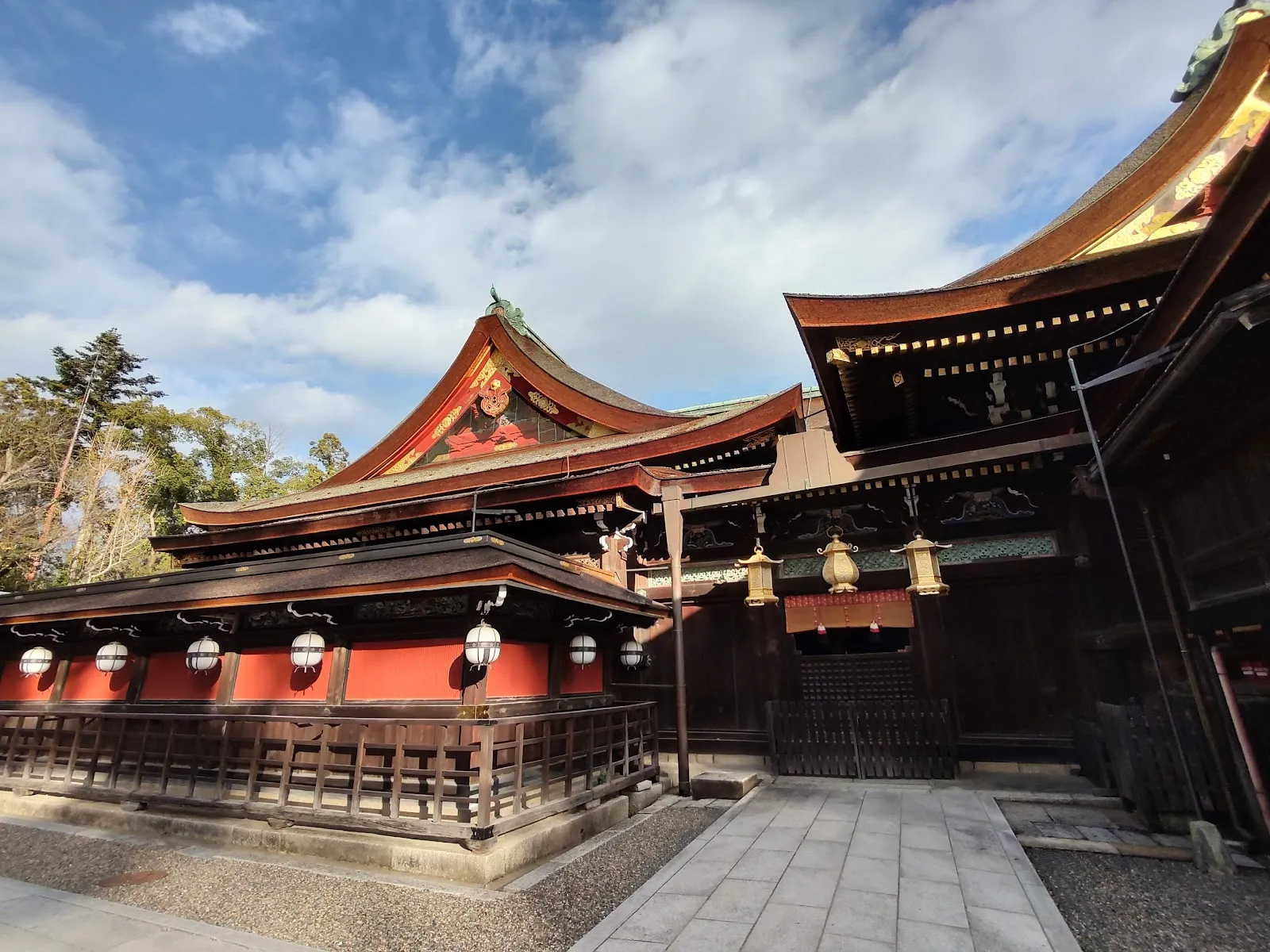
Kitano Tenman-gu was established in 947 and is dedicated to Sugawara no Michizane, a scholar, poet and politician of the Heian period. In Shinto, he is associated with Tenjin, the deity of learning. The shrine is the head shrine for a network of Tenmangu and Tenjin shrines across Japan.
Students visit to pray for success in examinations and their studies. This connection is visible in the shrine’s role in Japanese student life, particularly during examination season. The grounds also have statues of cows associated with Michizane; visitors may touch them while praying for good fortune or health.
Buildings, grounds and seasonal gardens
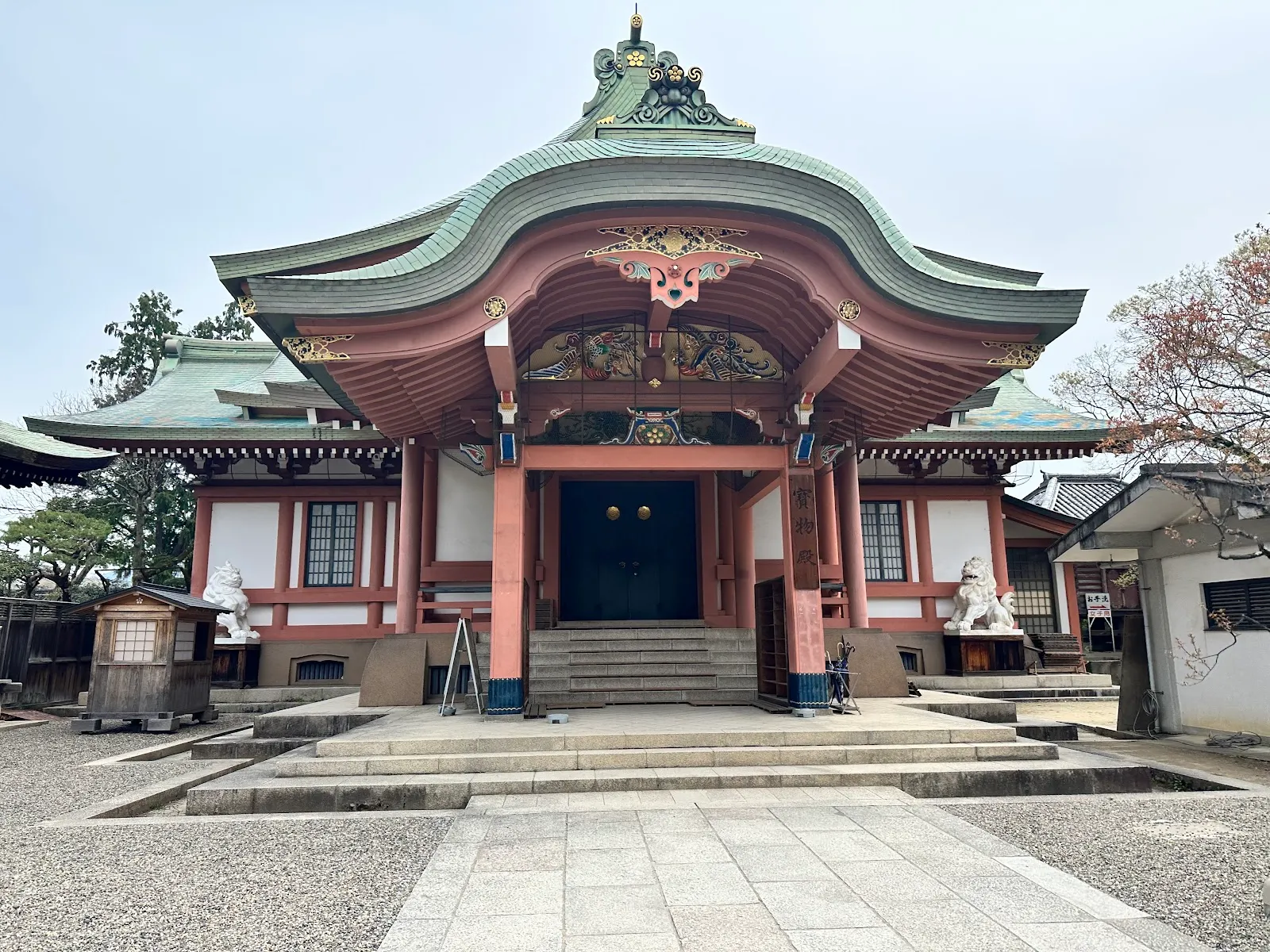
The shrine grounds combine traditional architecture with open paths and lanterns. The main hall is designated a national treasure, and Mikage Gate is an important cultural property. Most of the grounds can be explored without an admission fee, so a visit can be as simple as a quiet walk among the buildings.
Kitano Tenman-gu is known for plum blossoms and autumn foliage. Plum trees flower in late winter, and the shrine holds the Baikasai Plum Blossom Festival on February 25. The event includes an outdoor tea ceremony, where matcha and sweets are served. The plum garden has its own seasonal opening period and admission charge, so check the shrine’s official information before planning around it.
In autumn, Momiji-en garden opens for seasonal viewing. It occupies part of the Odoi, an earthen fortification built under Toyotomi Hideyoshi. Maple trees grow beside the Kamiya River, where their colors can be seen reflected on the water. Seasonal evening illuminations have also been held here.
Tenjin-san market and planning your visit
On the 25th of each month, the grounds host Tenjin-san, a flea market with stalls selling traditional goods, clothing, crafts and food. It changes the feel of the shrine visit, bringing more activity to the paths. If you prefer a quieter walk, choose another date or go early in the day.
The shrine is in a residential part of Kyoto, so keep voices low as you approach and leave. Its regular grounds are open from morning until late afternoon, but seasonal gardens and events follow separate schedules. Check the official website for current event and garden details before setting out.
Preguntas frecuentes
Is Kitano Tenman-gu free to enter?
Most of the shrine grounds are free to enter. Seasonal gardens and special events may charge admission.
What is Kitano Tenman-gu known for?
The shrine is dedicated to Sugawara no Michizane, associated with learning, and is known for its plum blossoms, autumn maples and monthly Tenjin-san market.
When is the Tenjin-san market?
The flea market takes place on the 25th of each month.
When can you see plum blossoms at Kitano Tenman-gu?
The plum trees flower in late winter. The shrine holds the Baikasai Plum Blossom Festival on February 25.


